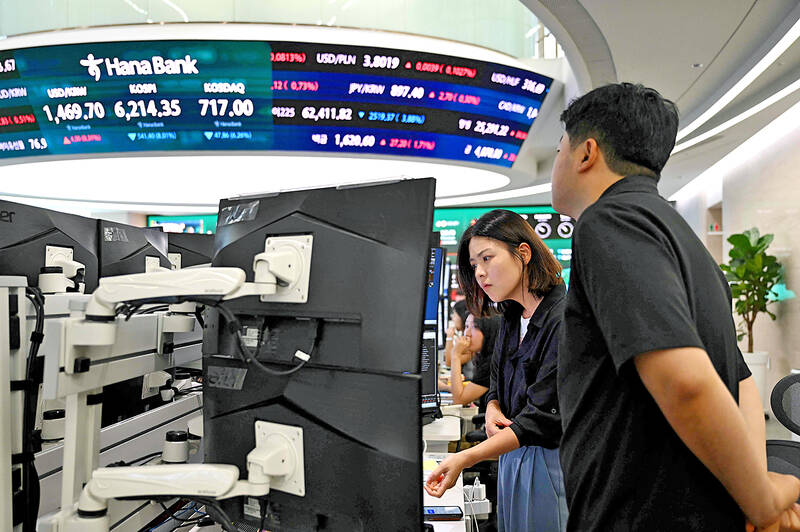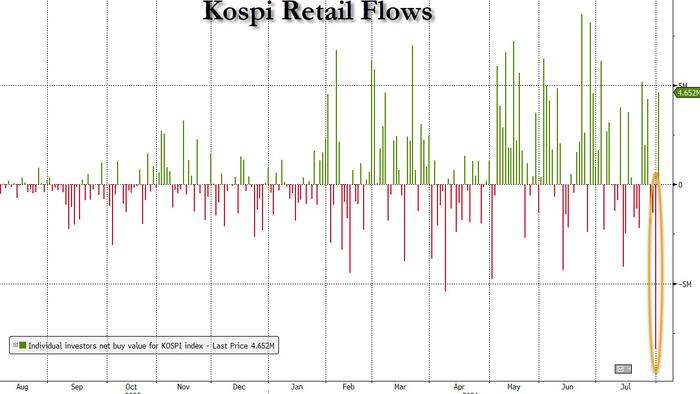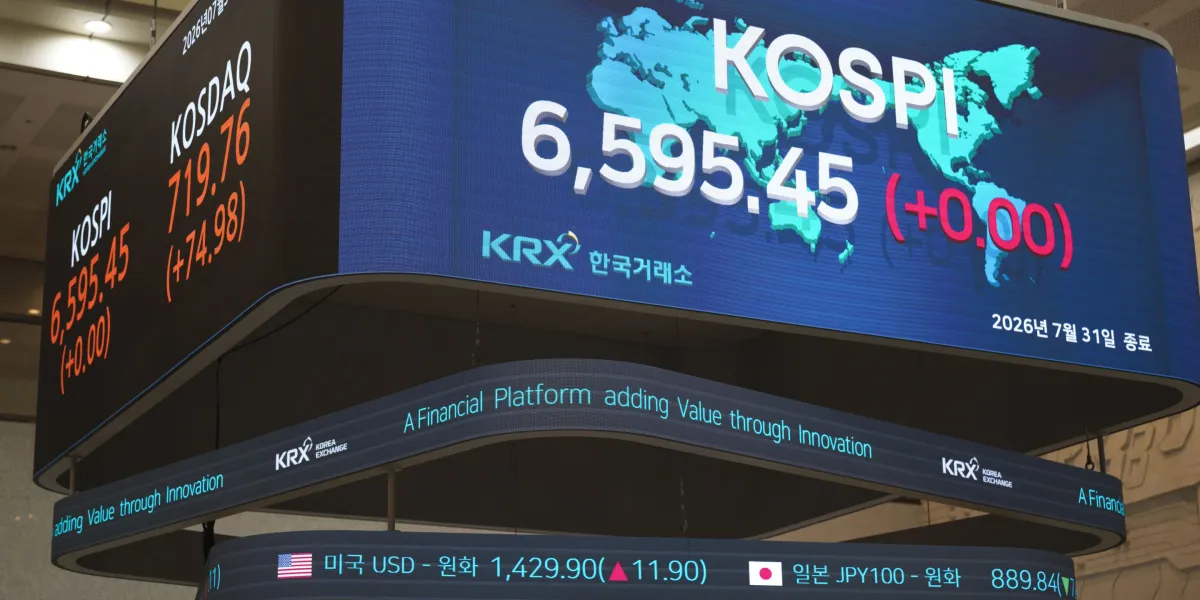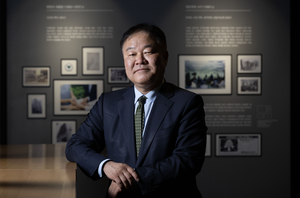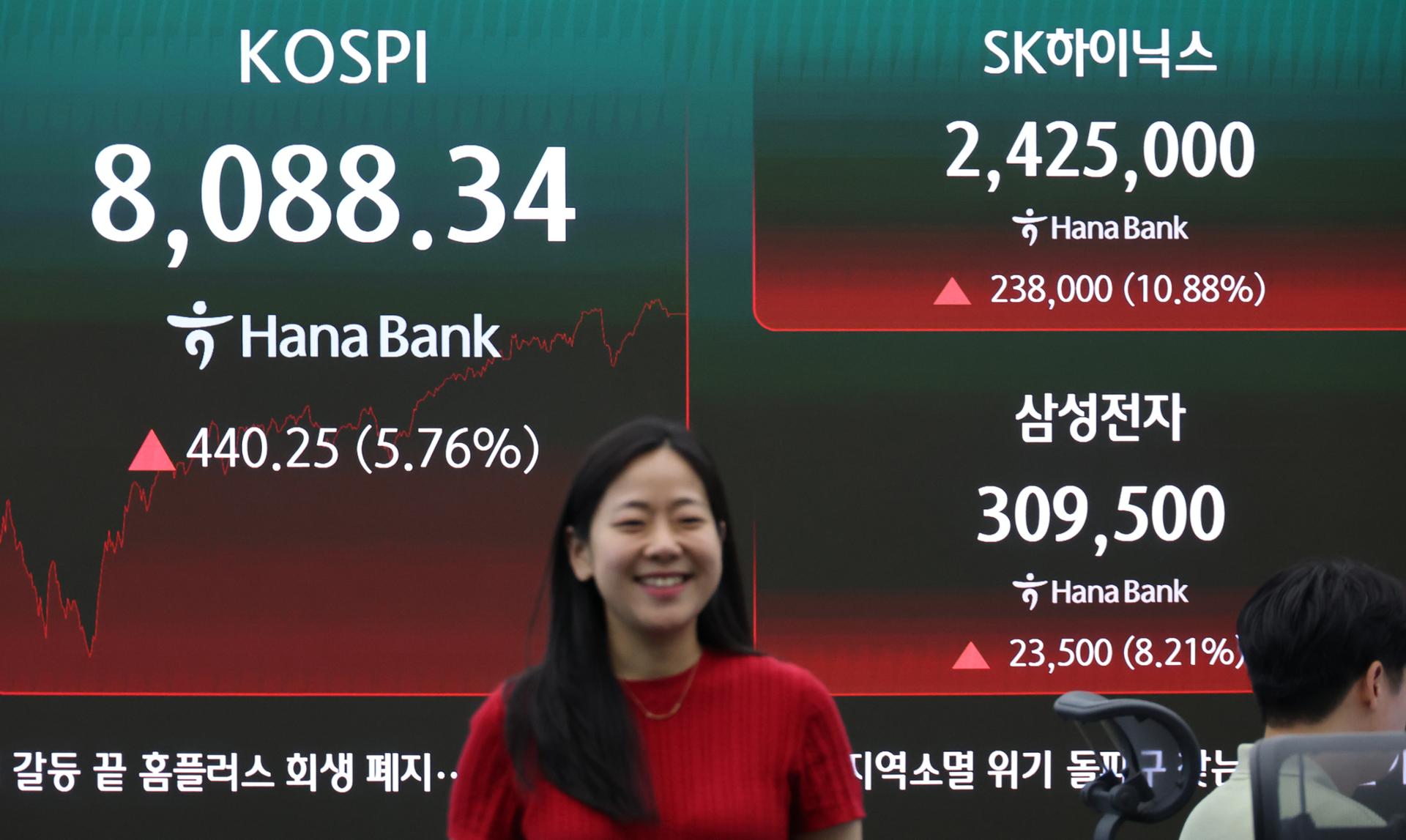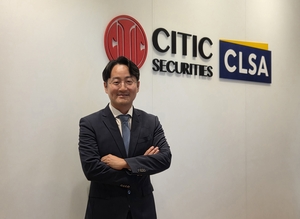
CLSA strategist says Korea must turn traders into owners, not speculators, as household money shifts from property to stocks Shim Jong-min, deputy head of Korea research at CLSA Securities (Choi Ji-won/The Korea Herald) Korea's retail investors, long viewed as short-term traders in a property-obsessed economy, are emerging as a central force in the country's stock market rally. The question now is whether that money can become a stable base for a broader re-rating of Korean equities, or remain a source of volatility that keeps foreign investors cautious.Shim Jong-min, deputy head of Korea research at CLSA Securities, said the flow of household money into equities appears to be more than a simple chase for short-term gains, although the transition is still in its early stages. He described the current volatility as part of the market's "growing pains" as Korea tries to build a broader and more stable domestic investor base."The shift has begun," Shim said in an interview with The Korea Herald in Seoul last week. "Government policy is moving in that direction, with lending being tightened and money being guided toward the stock market."For decades, Korean households built wealth through property, while retail participation in the stock market was largely concentrated in short-term trading rather than long-term ownership. Shim said Korea's asset structure had long been skewed toward real estate, while weak corporate governance, unfavorable tax rules and limited shareholder returns gave individuals little reason to hold domestic equities for the long run.That may be starting to change. Shim said equities could become a more central part of how Korean households build wealth, rather than a market mainly used for short-term trading. For that shift to become a durable force behind the Kospi, however, retail money must evolve into long-term shareholder capital."Korea seems to be moving toward a US-style model," he said. "People rent, save money and build investment assets over the long term. After 10 or 15 years, when that becomes 1 billion won ($641,000) or 2 billion won, they might buy a home then."The latest rally has been driven in large part by semiconductors, artificial intelligence and exchange-traded funds. Samsung Electronics and SK hynix have attracted heavy inflows as investors bet on the earnings power of the AI chip cycle. Shim has argued that the rally is not comparable to the dot-com bubble, given the real profits being generated by chipmakers.But the same retail flows that have powered the rally have also exposed the market's growing pains, with money concentrated in semiconductors, AI themes and leveraged ETFs tied to major chip stocks. That volatility raises a broader question: whether retail money is becoming patient capital, or simply another force amplifying market cycles."This level of volatility is not a good thing," Shim said, citing negative feedback from foreign investors. "They like the AI stories in Korea, but the volatility makes it harder to view these stocks as long-term investments."Leveraged ETFs are not large enough to create systemic risk, Shim said, but they can amplify market swings by adding selling pressure in declines and buying pressure in rallies. Since Korea's first single-stock leveraged ETFs debuted in late May, the Kospi has seen sidecar curbs triggered 11 times and market-wide trading halts three times, underscoring how quickly volatility has become a concern.Whether retail money can become a more stable base for the Kospi depends heavily on whether companies give investors a reason to stay invested. Shim said that remains difficult in a market where households have long associated wealth-building with property, not stocks."There are plenty of people who made money by sitting on homes for 20 years," Shim said. "But you don't hear people say they made money by holding the Kospi for 20 years."Changing that experience, he said, requires stronger incentives for both companies and households. Dividends, buybacks and share cancellations all matter, but the larger issue is creating a tax and governance structure that encourages companies to return more cash to shareholders and gives individuals a reason to hold equities as a long-term source of income.Shim said Korea should consider stronger tax incentives to support shareholder returns, including lower taxes on dividend income or tax credits that make dividend-paying stocks more attractive to households. The aim, he said, is to build a market where companies are rewarded for returning capital and investors trust that shareholder value will be protected through market cycles."When shares fall, investors can still think companies will buy back more stock and keep raising dividends, so they can just hold on," Shim said. "Once investors experience that, it becomes very hard to go back."
Can Korea's retail investors power lasting market re-rating?
Korea's retail investors, long viewed as short-term traders in a property-obsessed economy, are emerging as a central force in the country's stock market rally.
759 words~3 min read