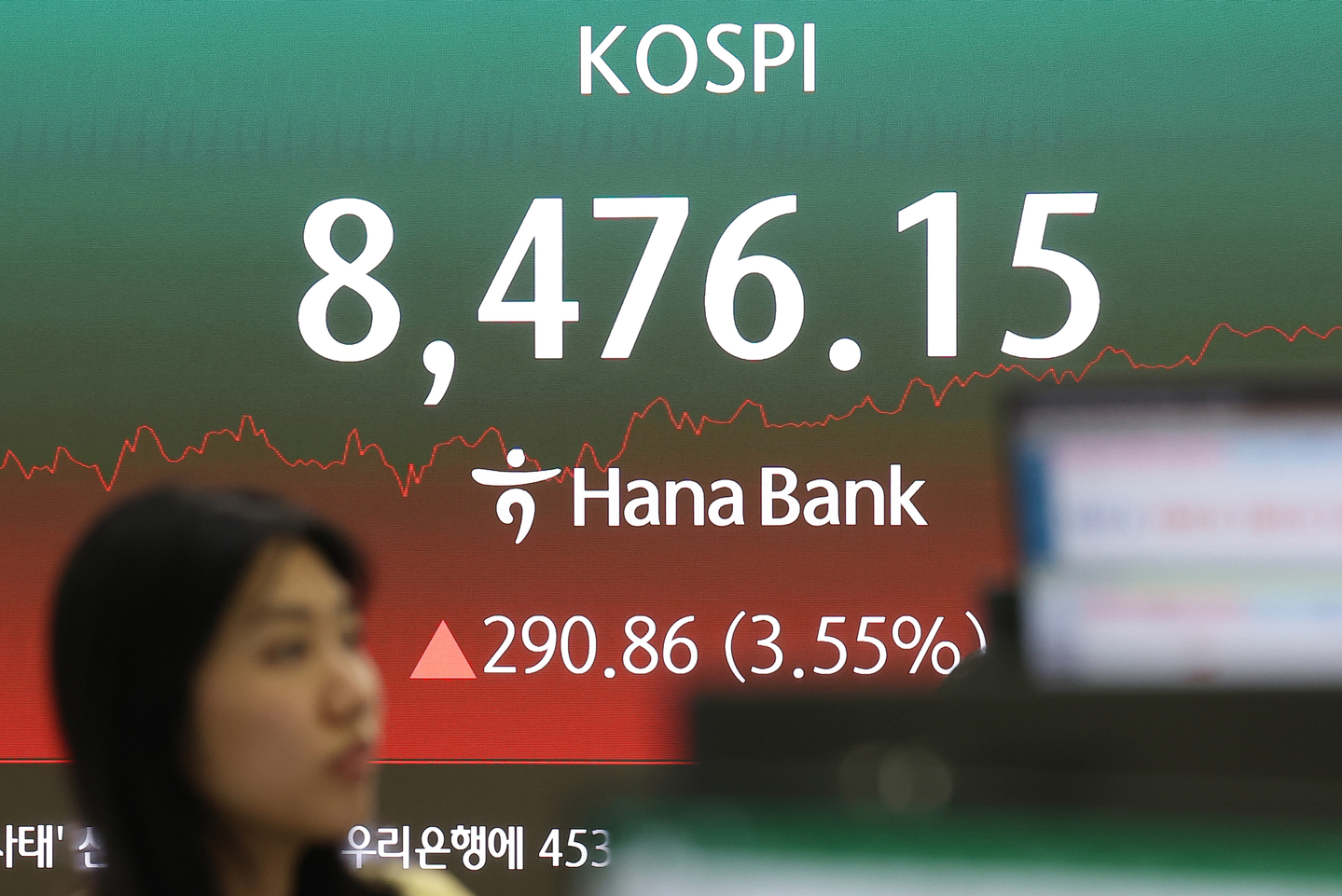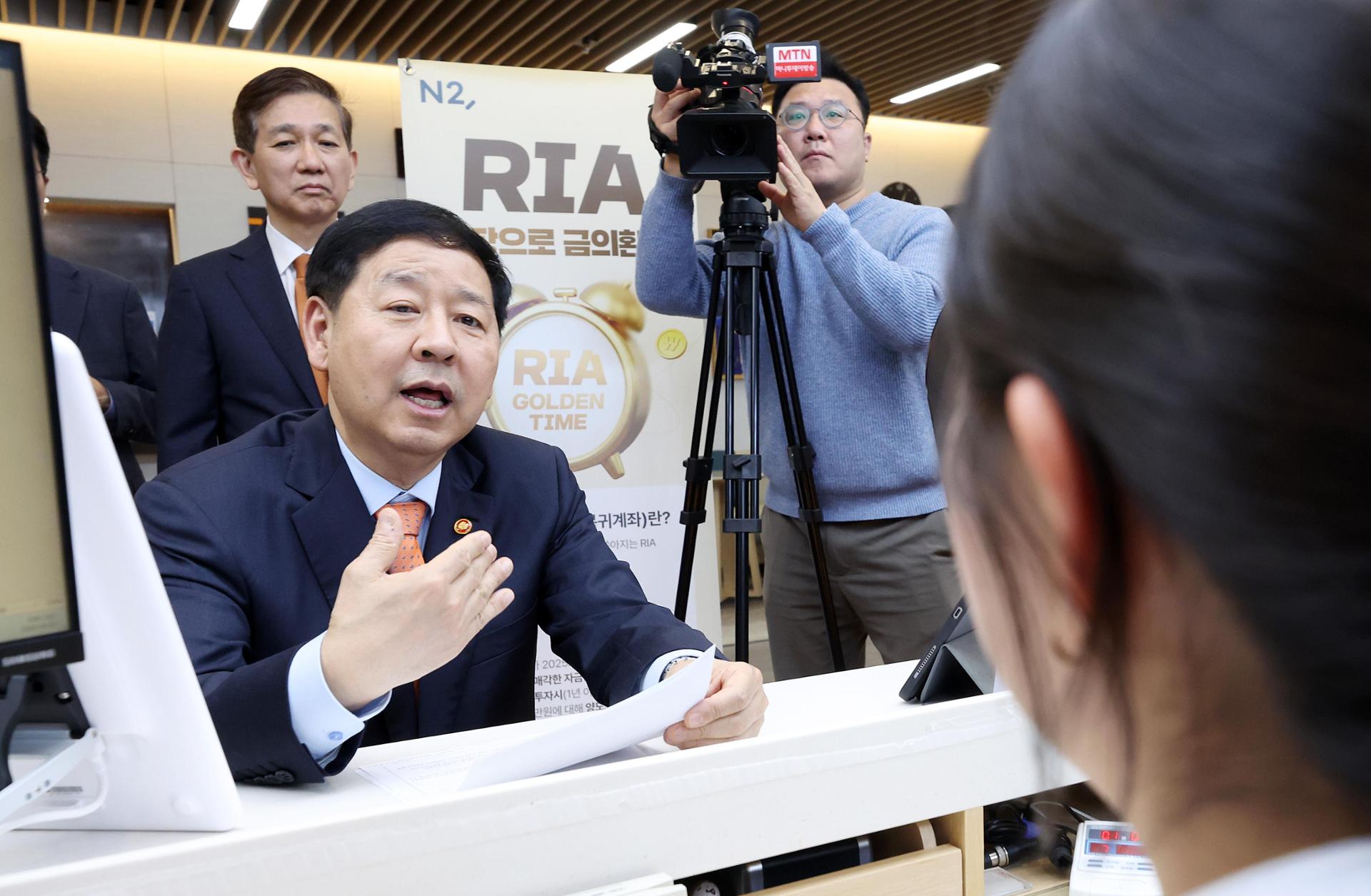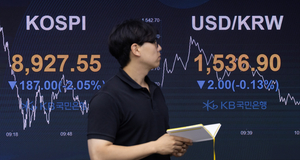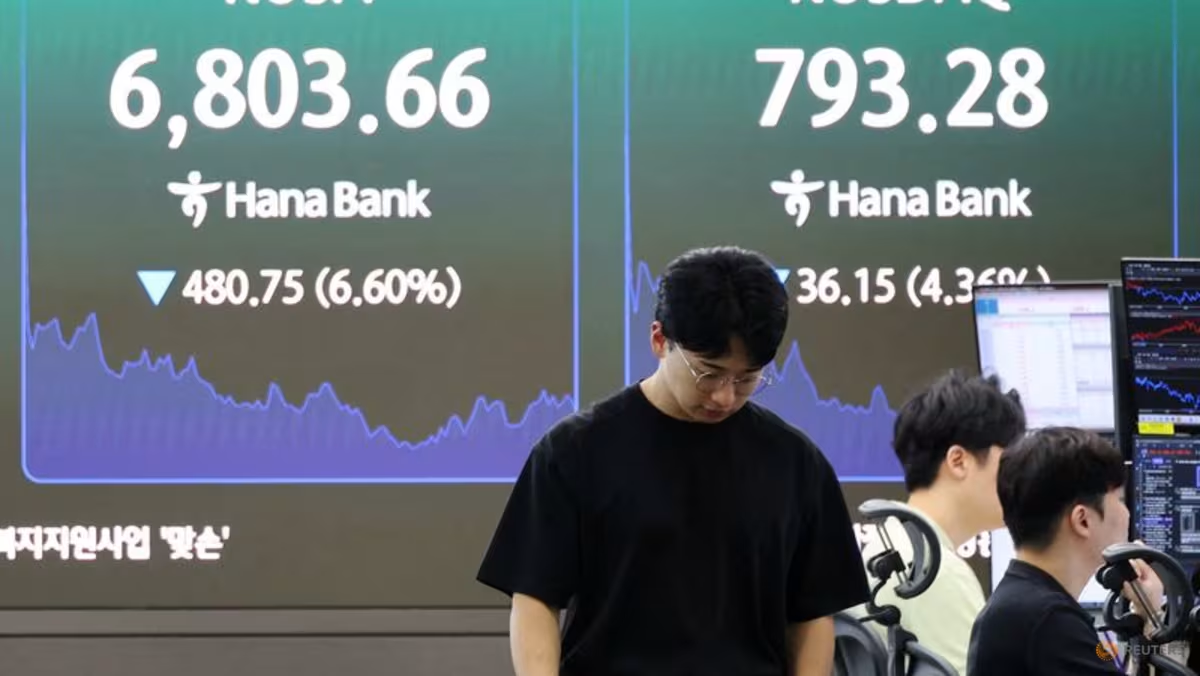
(Yonhap-AFP) South Korea’s efforts to draw retail investors back to domestic markets through reshoring investment accounts, incentives and a surging Kospi are failing to slow the retail rush into US stocks.According to the Korea Securities Depository on Thursday, Korean investors’ custody holdings of US equities climbed to $200.4 billion as of May 26, already exceeding last year’s full-year record within just five months. The figure marks a 22 percent increase from the end of 2025.The surge was driven largely by a sharp rally in US markets, which boosted the value of existing holdings faster than Korean retail investors sold overseas stocks to take advantage of tax incentives for reshoring investment accounts.On May 26, both the S&P 500 and Nasdaq closed at record highs, fueled by gains in artificial intelligence and semiconductor shares. Micron Technology jumped 19.29 percent to $144.88, while other chip-related stocks including Advanced Micro Devices, Intel and Broadcom also advanced. Tesla shares also rose.Korean retail investors’ holdings of US equities have increased more than fivefold since the pandemic, swelling from roughly $37 billion to more than $200 billion despite bouts of market volatility.The government’s recent push to promote reshoring investment accounts at local brokerages, alongside approval of domestically listed single-stock leveraged exchange-traded funds tied to Samsung Electronics and SK hynix, reflects a broader effort to support the weak won and redirect retail capital back into Korean markets.Still, appetite among retail investors for US stocks remains strong, prompting local brokerages to further expand overseas trading operations.Hanwha Investment & Securities, for example, is increasing hiring for overseas equities and derivatives trading roles, underscoring sustained demand for foreign investment services.A securities industry official said overseas trading demand is likely to remain resilient as US markets continue to rally on AI-driven momentum.“Investor interest in overseas equities is likely to continue supporting trading demand going forward,” the official said.Another industry official said financial firms have little incentive to scale back overseas retail stock businesses given the strong earnings momentum of US companies.“From a long-term perspective, investors still need overseas stocks for portfolio diversification and rebalancing,” the official said.He added that anticipated IPOs by major global companies, including SpaceX, expected as early as June, could further accelerate capital outflows from Korean retail investors into overseas markets.
Korean investors chase US stocks despite Kospi rally
South Korea’s efforts to draw retail investors back to domestic markets through reshoring investment accounts, incentives and a surging Kospi are failing to slo
373 words~2 min read