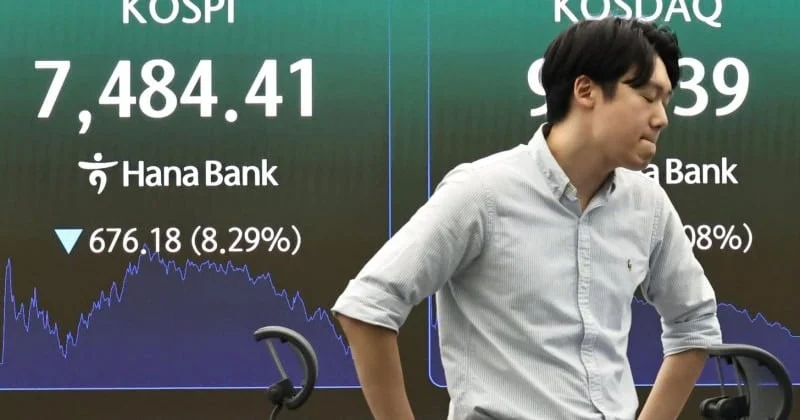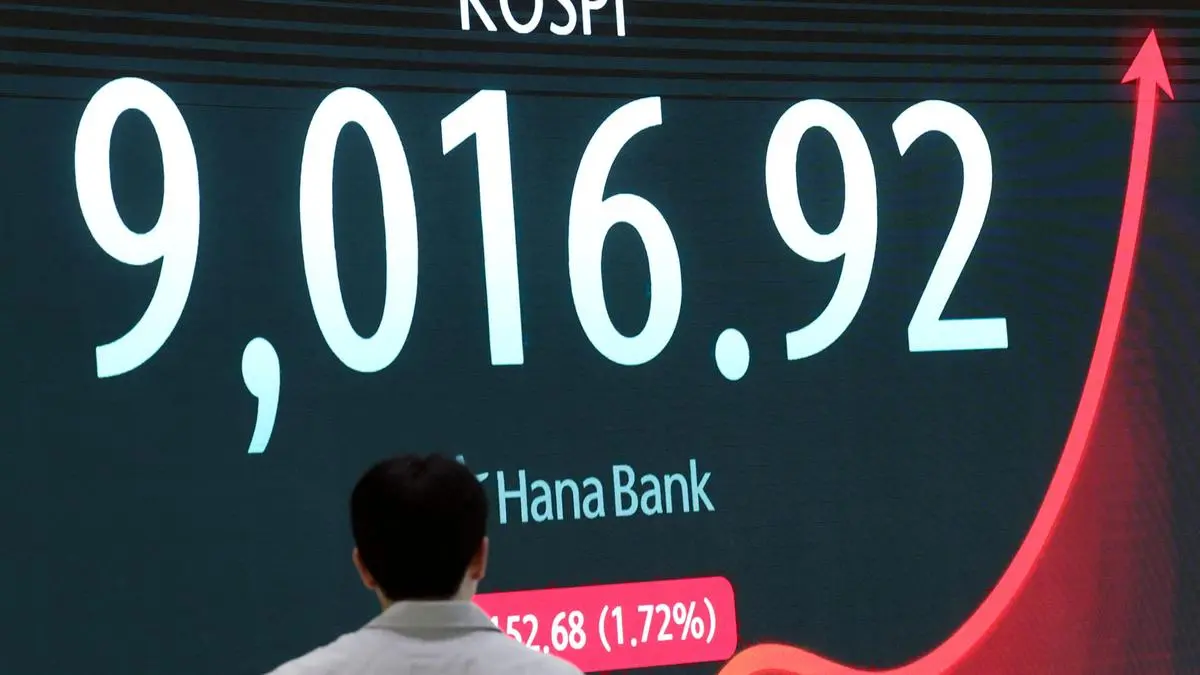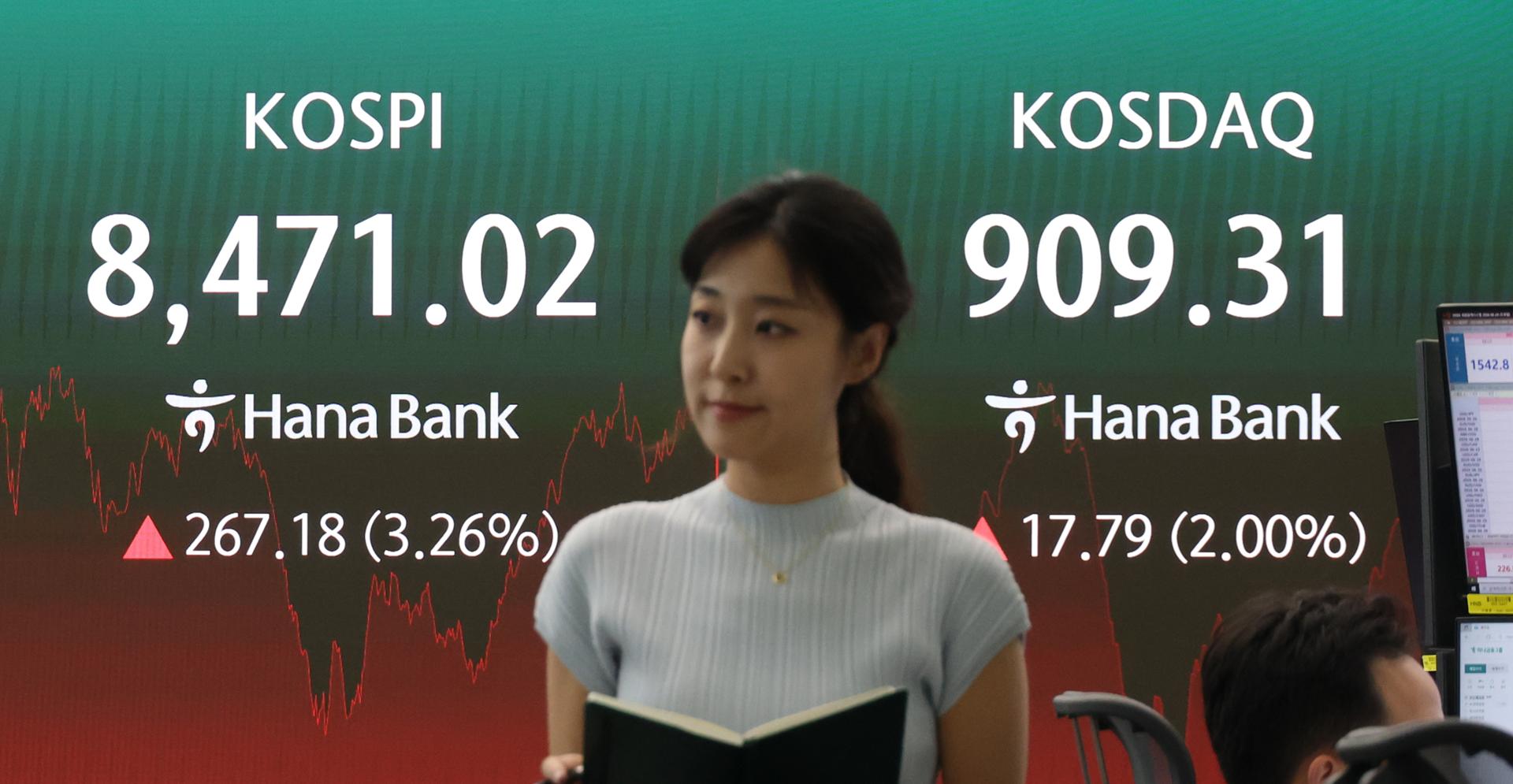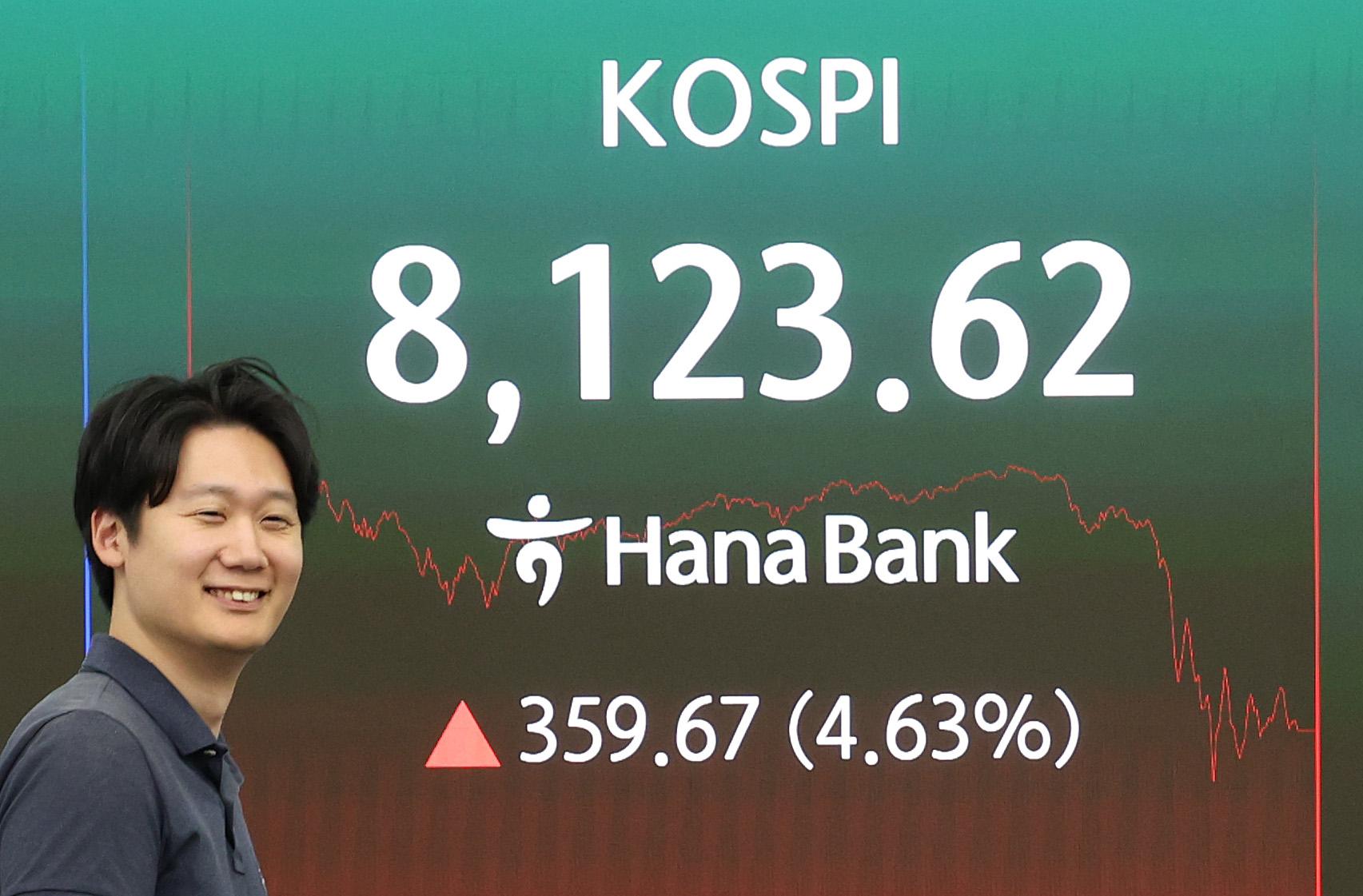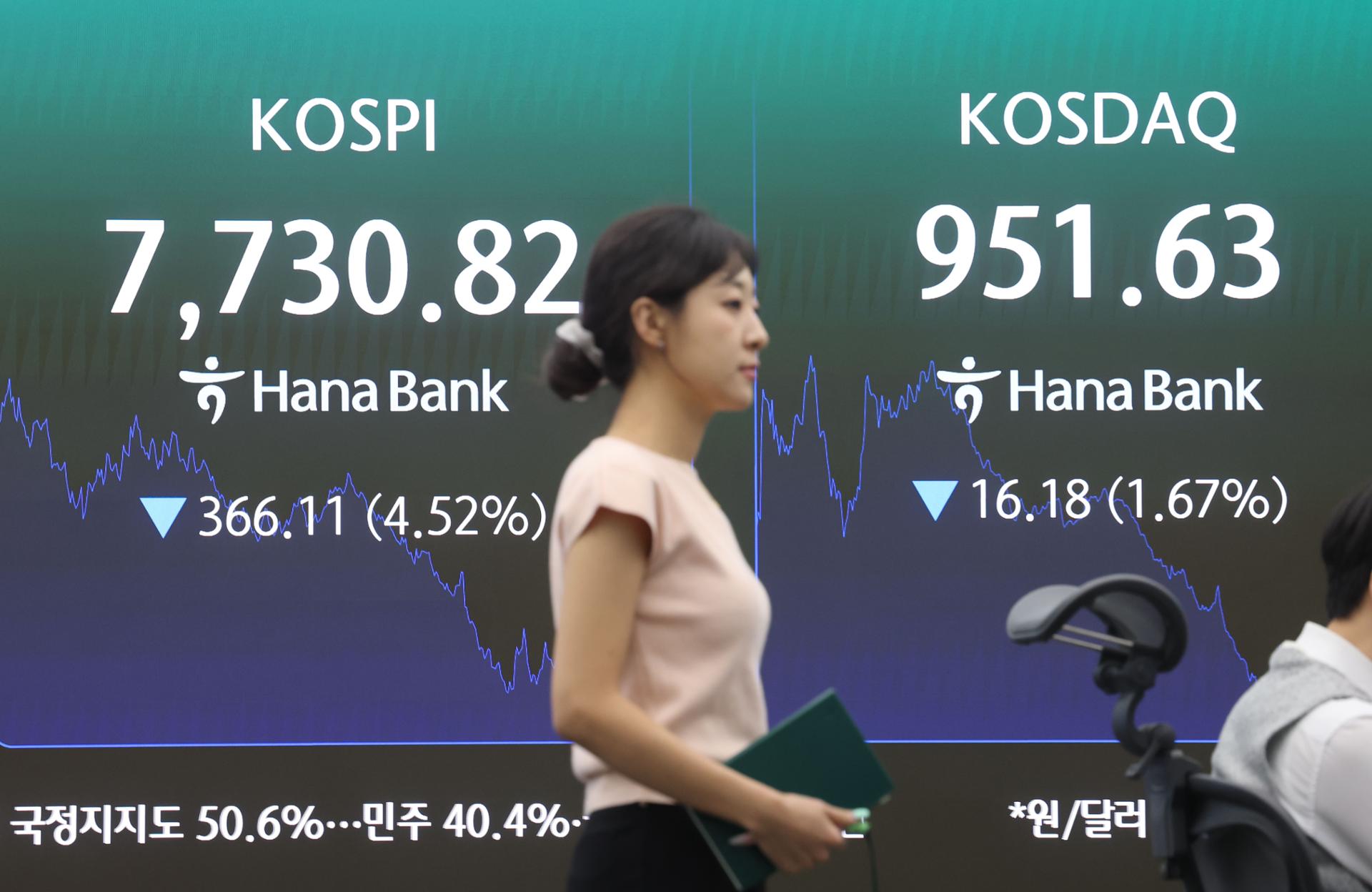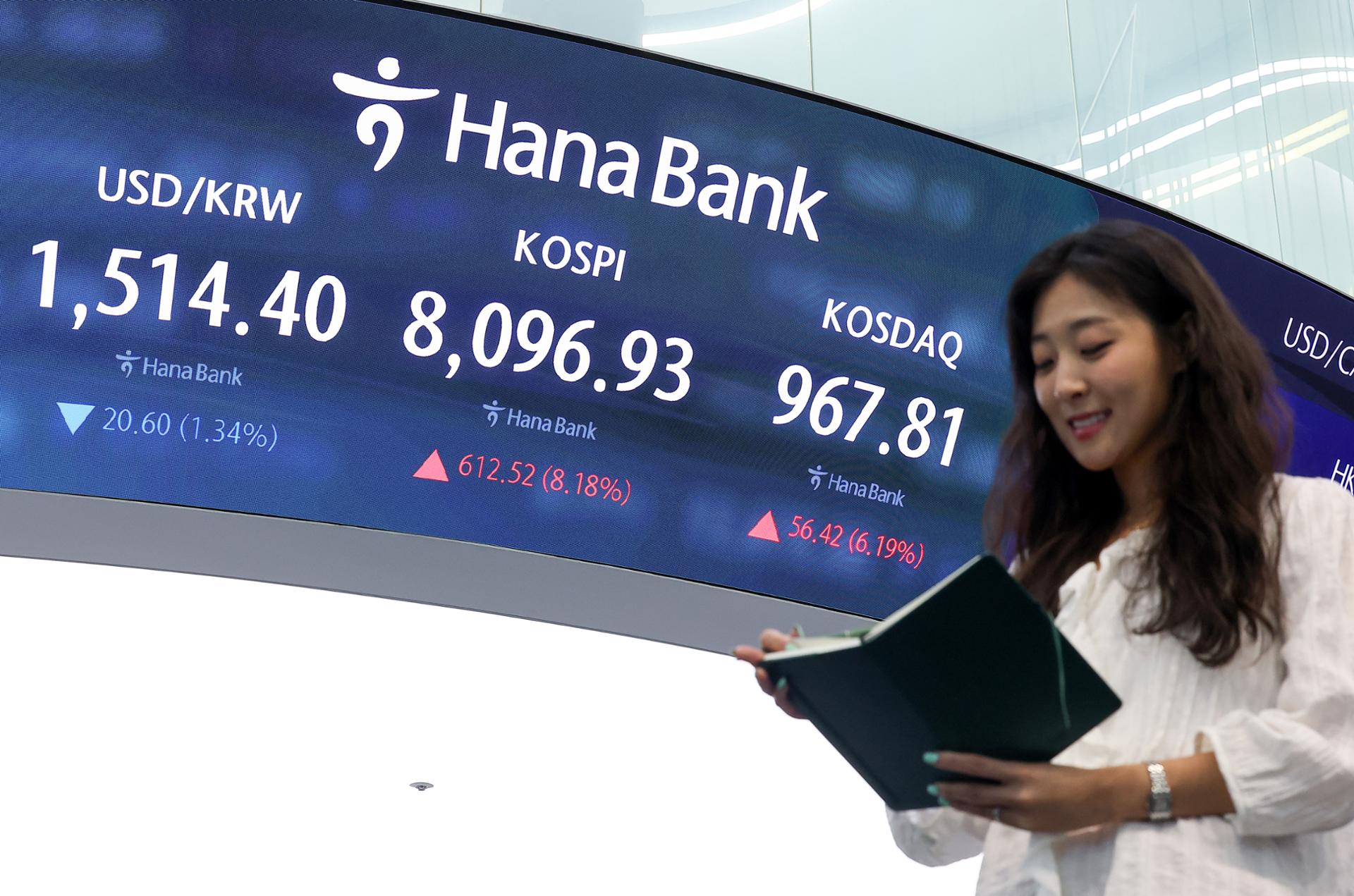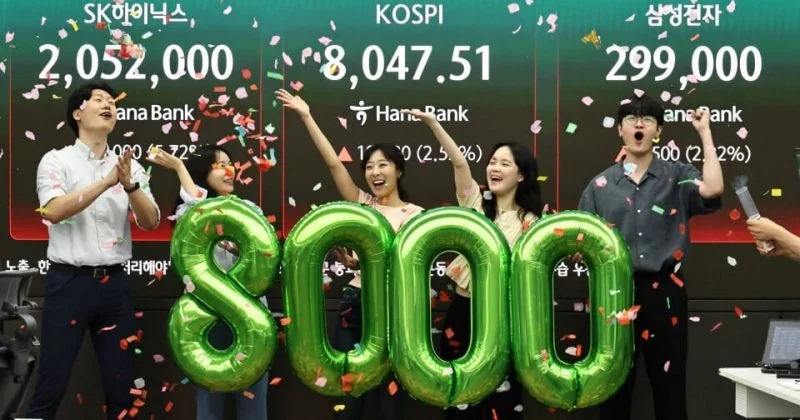
One day after circuit breakers halted trading on the Korea Exchange, the KOSPI staged a furious comeback. The index surged 8.2% on June 9, climbing to 8,096.93 after cratering 8.3% the session before. The catalyst for the rebound was familiar to anyone who has watched Korean markets over the past year: retail investors, locally known as “ants,” rushed in to buy the dip.
Foreign investors, meanwhile, were heading for the exits. They sold a net 5.56 trillion won, roughly $3.7 billion, on the rebound day alone. Institutional investors joined the selling side as well. The retail bid absorbed it all and then some, turning what could have been a two-day rout into a single-day scare followed by a snap-back rally.
What triggered the crash, and why it reversed so fast
The June 8 sell-off traced back to unexpectedly strong US jobs data, which reignited speculation that the Federal Reserve might resume rate hikes. The KOSPI fell hard enough to trigger circuit breakers, automated mechanisms that pause trading when losses exceed certain thresholds. The index closed at 7,484.41, erasing weeks of gains in a matter of hours.
Earlier in 2026, during a May session, the KOSPI experienced an 8.4% intraday swing when it briefly broke through the 8,000 level. Each time the market has dropped sharply this year, domestic retail investors have stepped in as aggressive buyers, treating corrections as discounted entry points rather than warning signals.