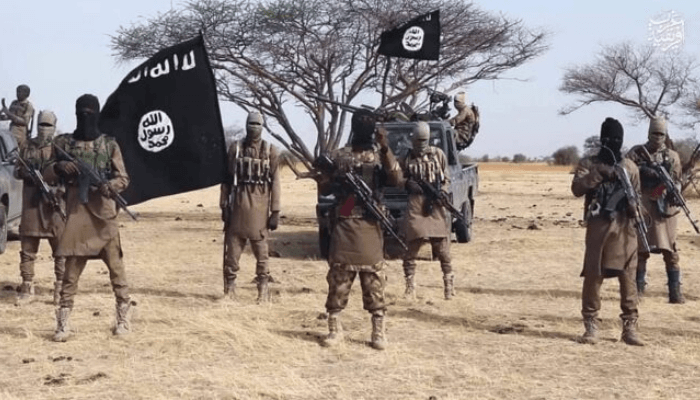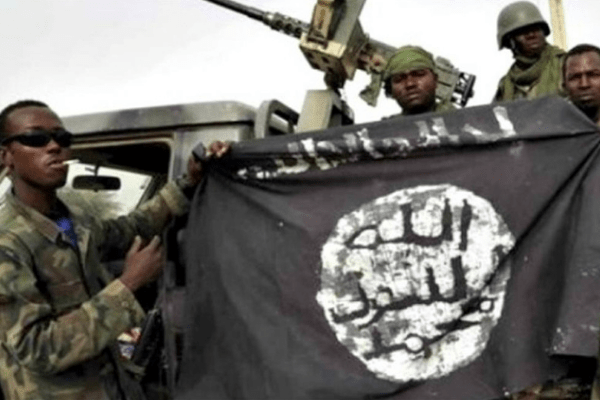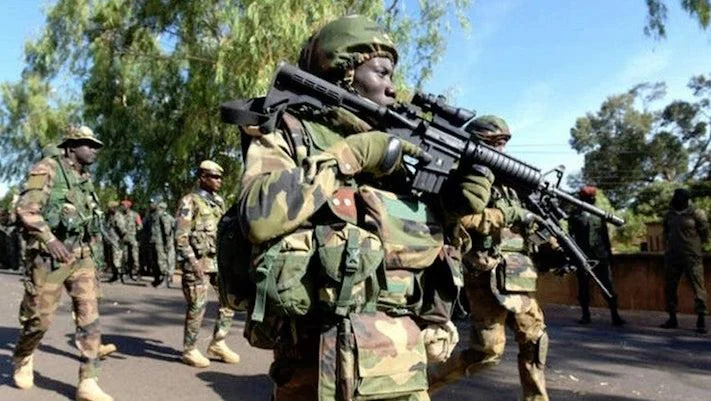
The recent arrest of seven suspected Boko Haram and ISWAP commanders at the Katsina is a triumph of technology, writes KINGSLEY EBONEKHI
In Nigeria’s recent history, it seemed as if the more notorious criminals were the more invincible. Despite the slew of technology available, somehow, some of the country’s most dangerous but ‘popular’ criminals just seemed elusive. Their sightings in public gatherings are often reported. Yet, the law could not nab them. They simply disappeared into the shadows and easily crossed borders, rubbishing the country’s security architecture and diminishing public confidence of a secure country.
Hence, the recent arrest of seven suspected Boko Haram and ISWAP commanders at the Umaru Musa Yar’Adua International Airport in Katsina while returning from the 2026 Hajj pilgrimage is significant. A game changer into how criminality can be arrested. It is a demonstration of what is possible when institutions begin to communicate with one another, when technology replaces bureaucracy, and when intelligence is treated as dynamic and interconnected.
According to Minister of Interior, Dr. Olubunmi Tunji-Ojo, the breakthrough was possible because the National Identity Management Commission (NIMC) database is now integrated with the Nigeria Immigration Service and linked to international law enforcement platforms, including Interpol. The suspects were reportedly identified immediately upon arrival and handed over to the Department of State Services. The development coincided with President Bola Tinubu’s signing of the new NIMC Act, legislation designed to strengthen identity management and improve cooperation among government agencies.