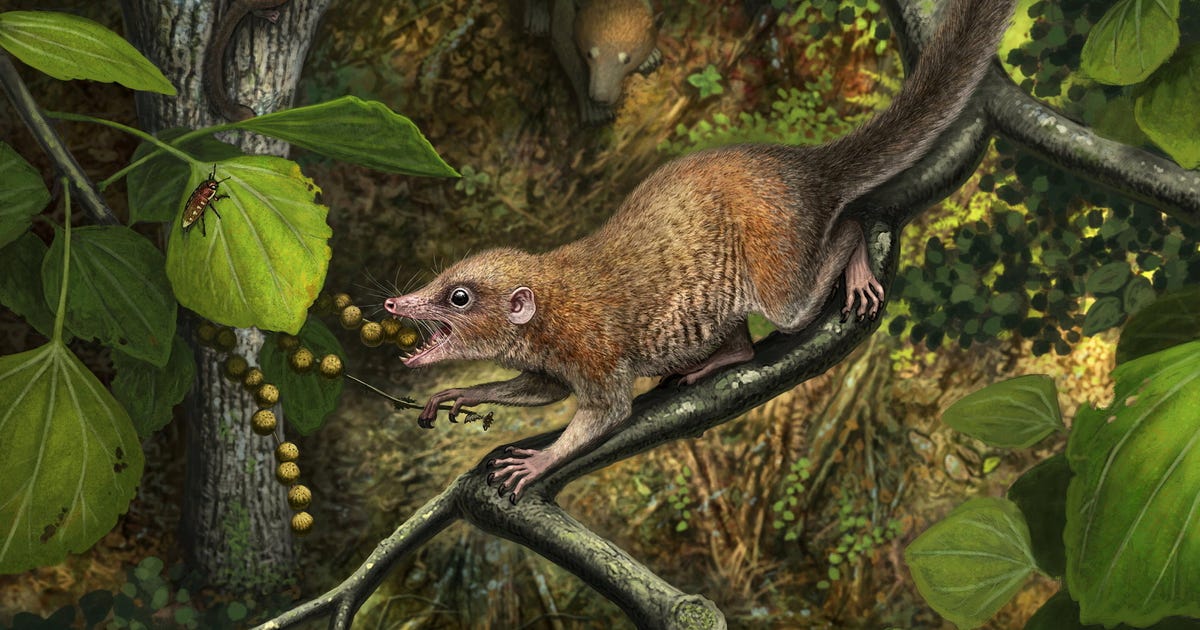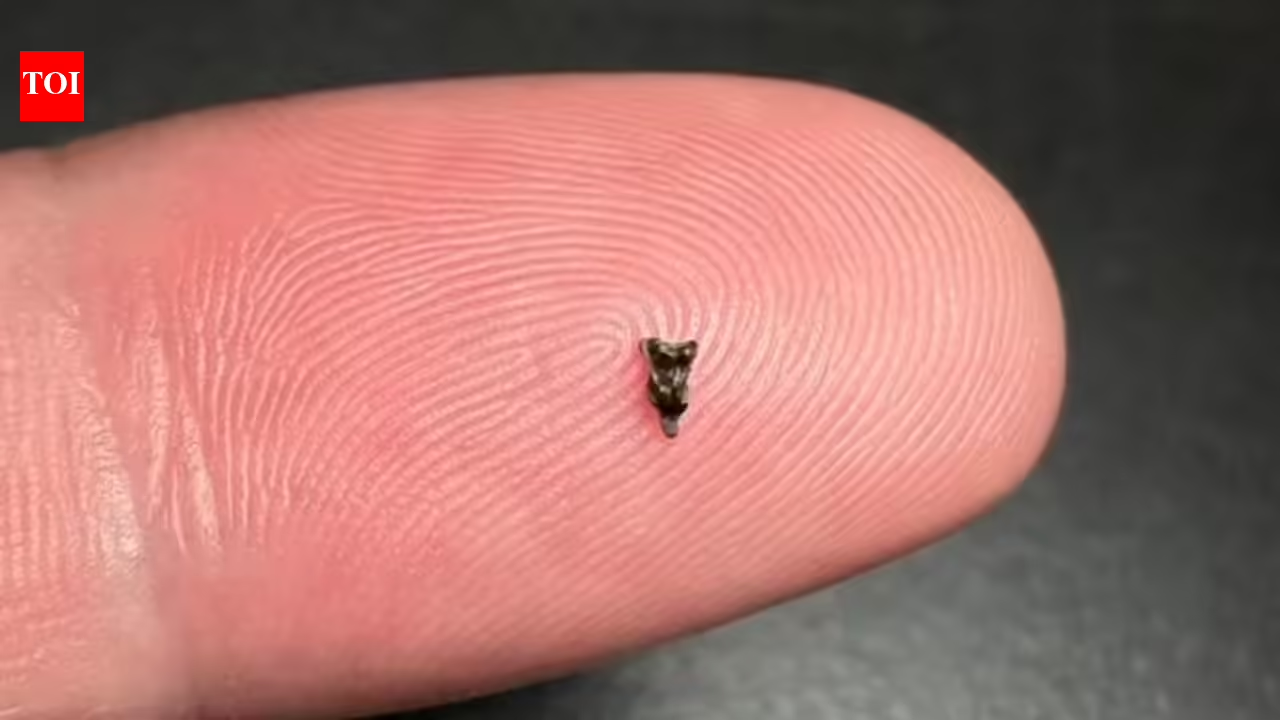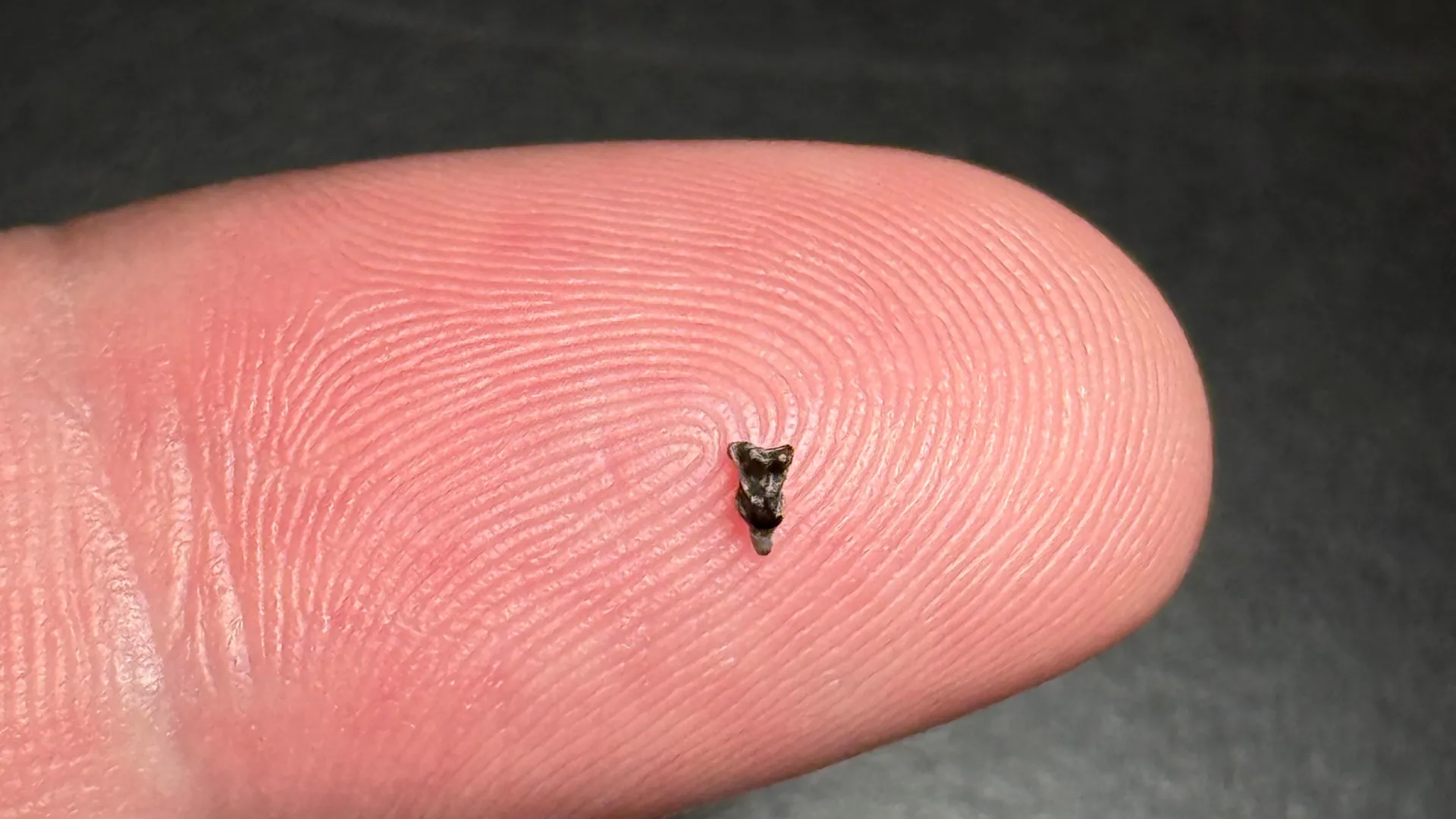
Scientists have uncovered tiny fossils of Purgatorius, the earliest known relative of all primates, including humans, in a more southern part of North America than ever before. The discovery is helping researchers better understand how some of the first primate relatives spread and evolved in the aftermath of the dinosaur extinction.
The origins of primates and their earliest movements across North America remain one of the most intriguing and debated topics in paleontology. Purgatorius was a small mammal about the size of a shrew that appeared shortly after the mass extinction event that wiped out the dinosaurs roughly 65.9 million years ago. It is considered the oldest known archaic primate.
For decades, fossils of Purgatorius had only been found in present day Montana and southwestern Canada, despite the existence of similarly aged rock formations across much of North America. Meanwhile, a wider variety of related archaic primates has been discovered in the southwestern United States, but those fossils are about two million years younger. That gap in time and geography has long puzzled scientists.
Southernmost Purgatorius Fossils Ever Found
A recent study published in the peer-reviewed Journal of Vertebrate Paleontology reports the southernmost known fossils of Purgatorius. The remains were recovered from the Corral Bluffs study area in Colorado's Denver Basin.