Jurisprudence
June 30, 20263:35 PM
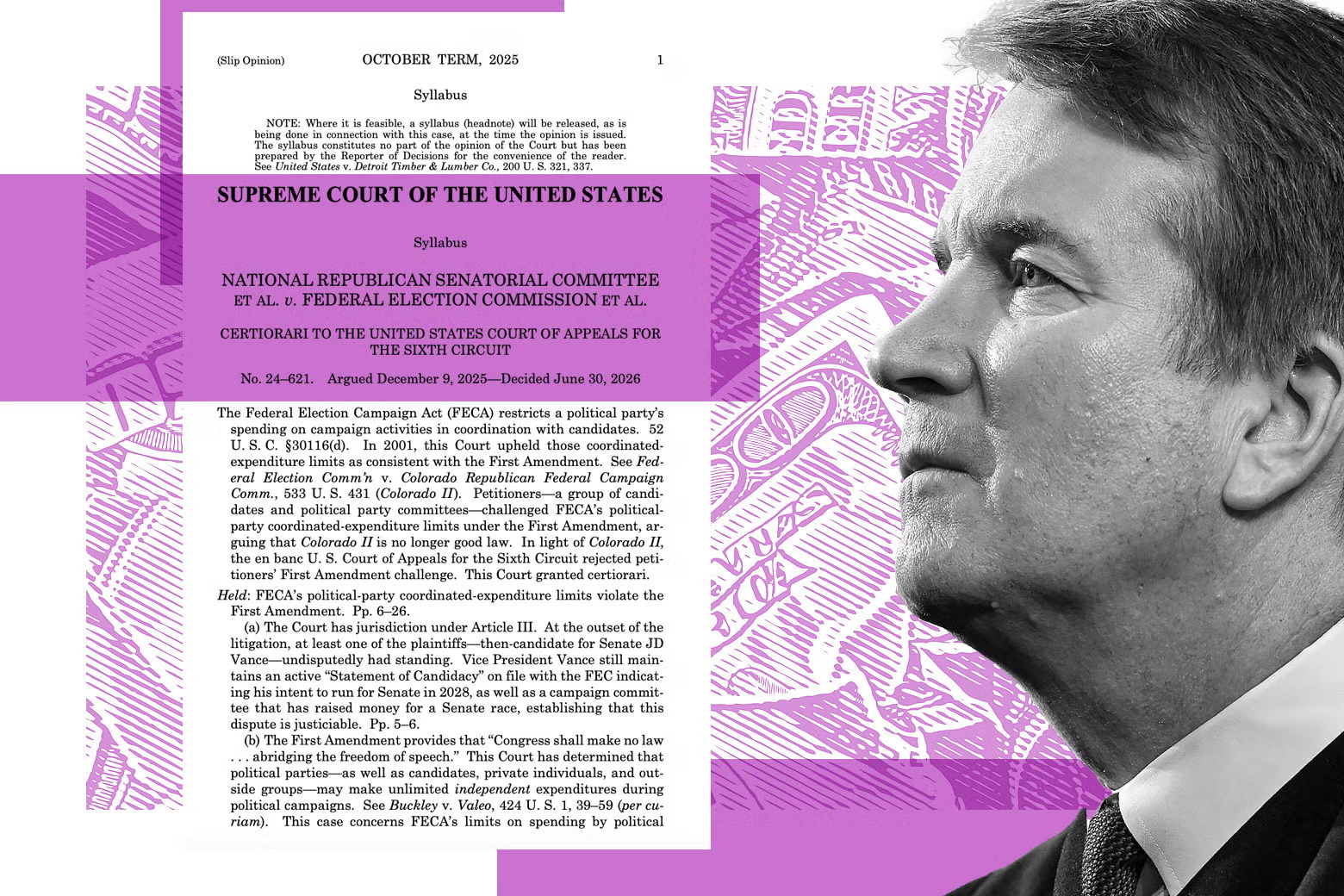
Photo illustration by Slate. Images via Kenny Holston/Pool/Getty Images and GeorgePeters/iStock/Getty Images Plus.
This is part of Opinionpalooza, Slate’s coverage of the major decisions from the Supreme Court. Keep up with all of our Supreme Court coverage and analysis by signing up for weekly email roundups. The best way to support our work—and unlock exclusive legal analysis—is by joining Slate Plus. (If you are already a member, consider a donation or merch!)
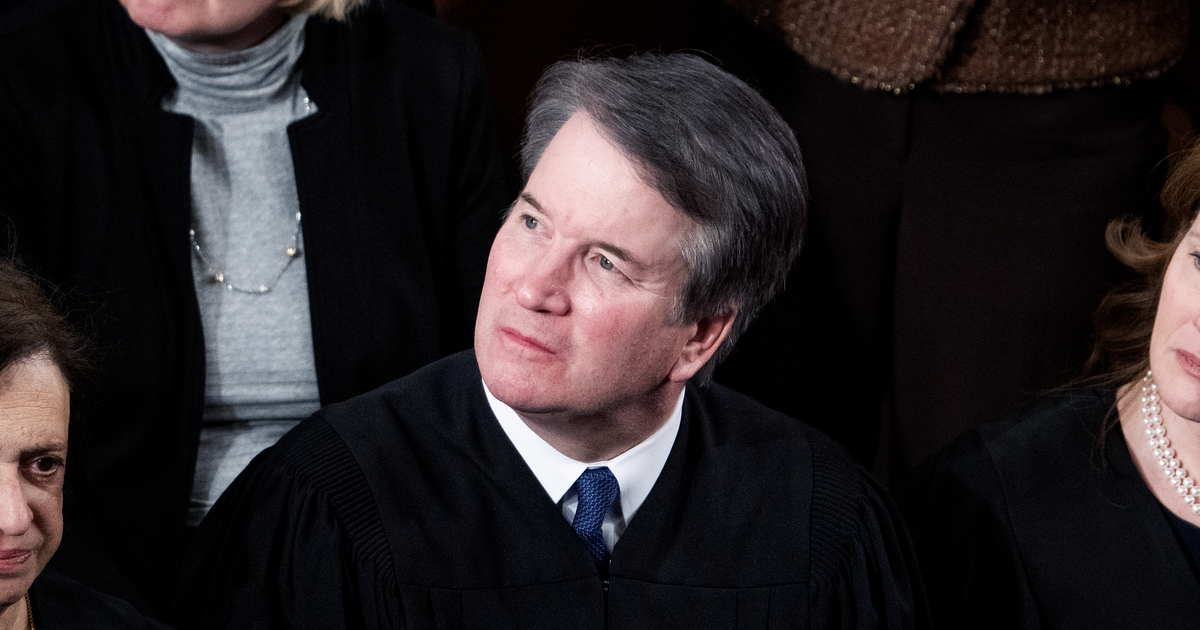
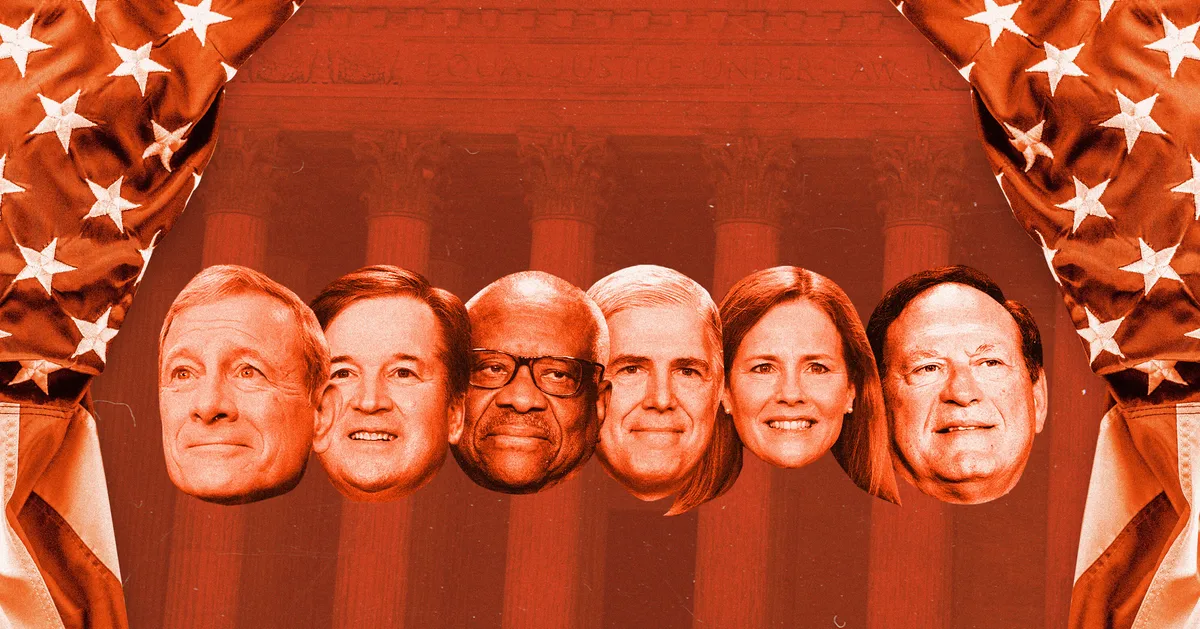
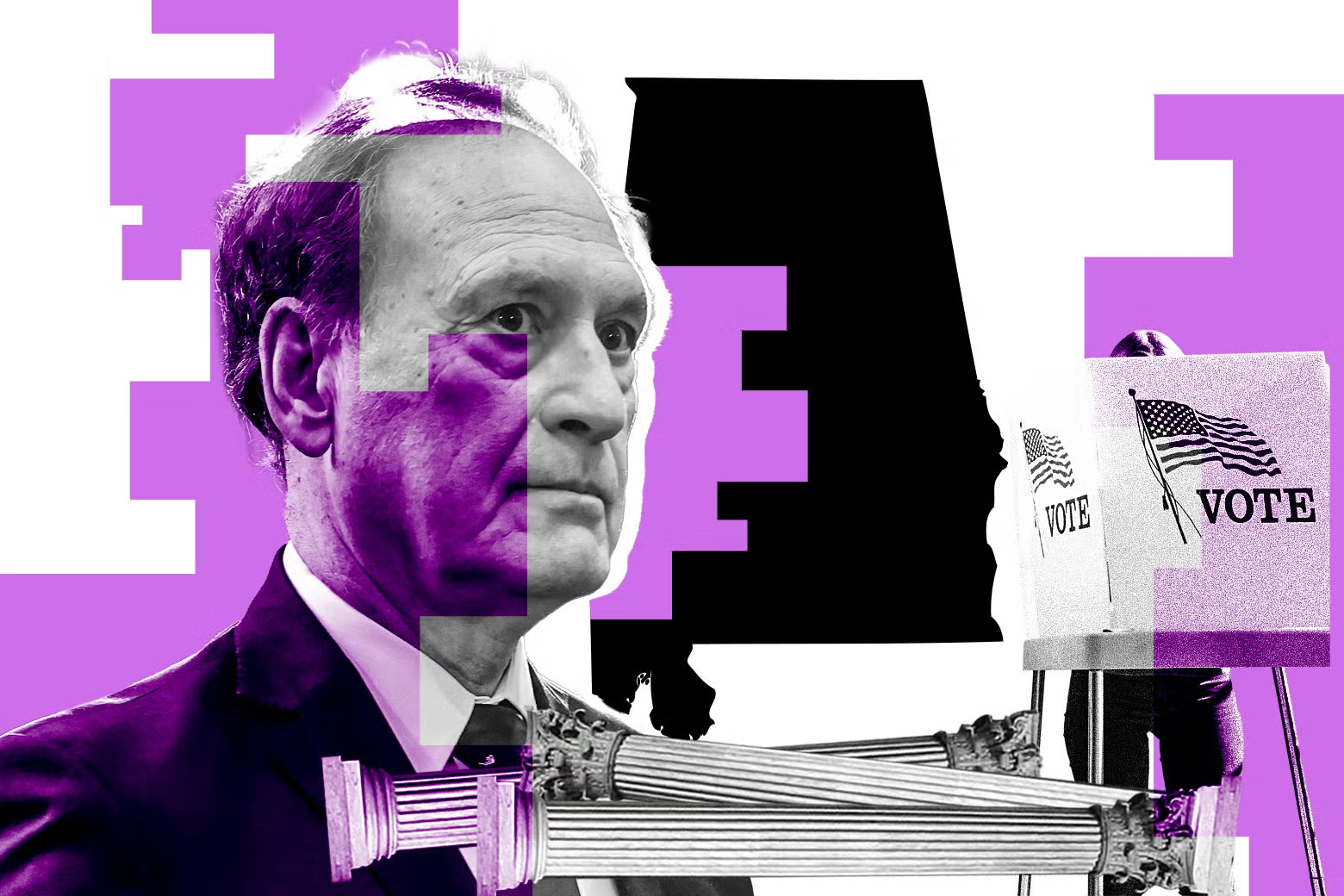
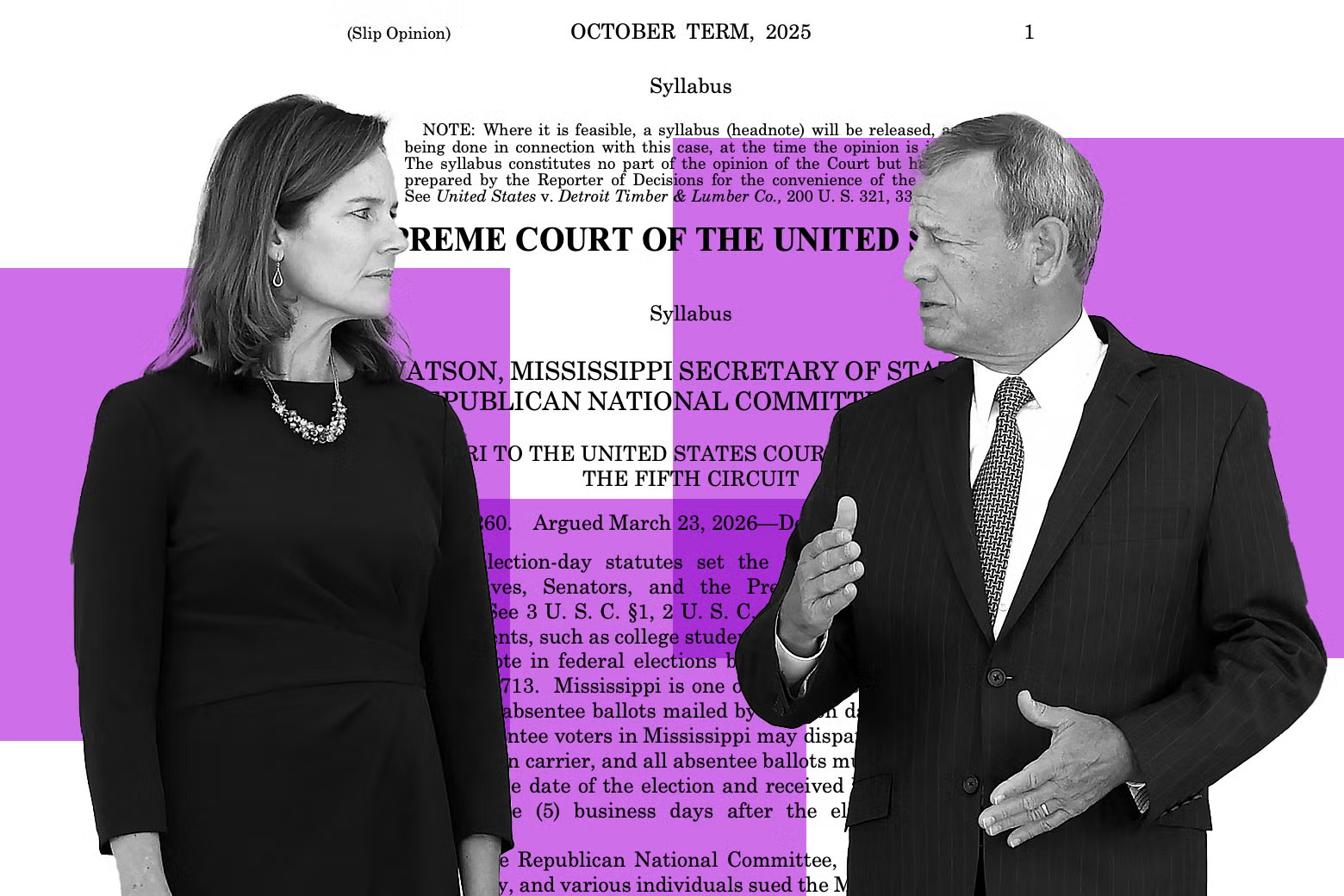
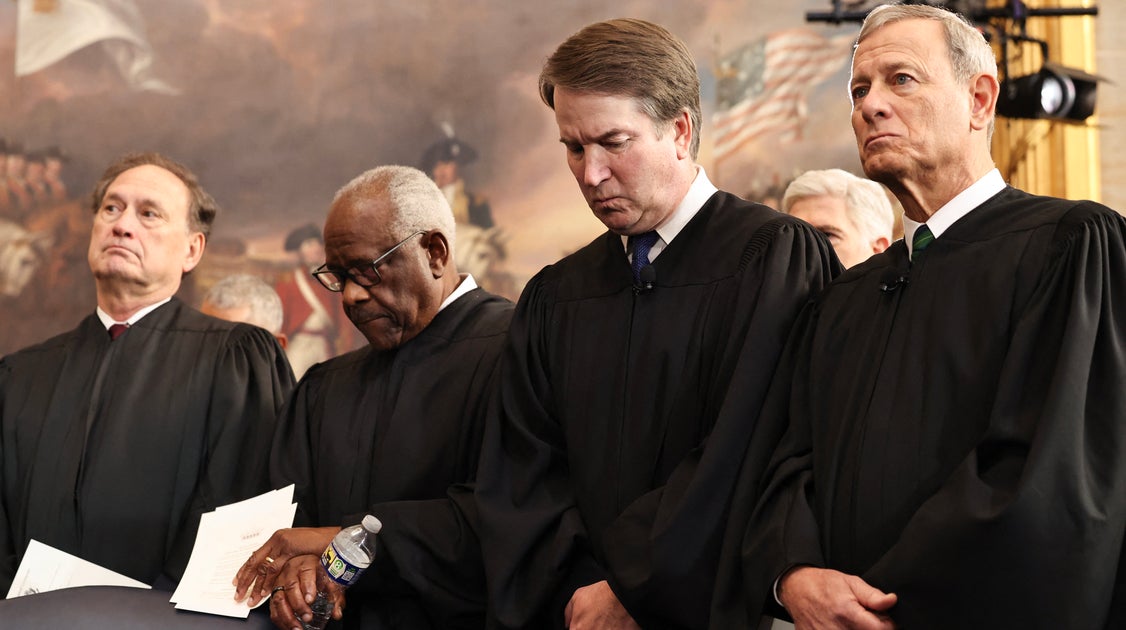
As disastrous Supreme Court election cases go, Tuesday’s decision in National Republican Senatorial Committee v. Federal Election Commission doesn’t make the list of complete abominations, like the court’s decision this term in Louisiana v. Callais killing off the remaining key part of the Voting Rights Act, or earlier decisions like 2010’s Citizens United that kicked off the unraveling of our campaign finance system. Indeed, it’s possible that the NRSC decision makes our campaign finance system a bit less distorted in bringing candidates and parties closer together. But NRSC, written by Justice Brett Kavanaugh for the six Republican-appointed justices, is an excellent example of the Roberts court’s “deregulatory bootstrapping,” in which the court relies on its earlier partial overruling of precedents—that only makes things worse—to justify more changes in the law. Fundamental change to campaign finance will have to wait for a new Supreme Court.