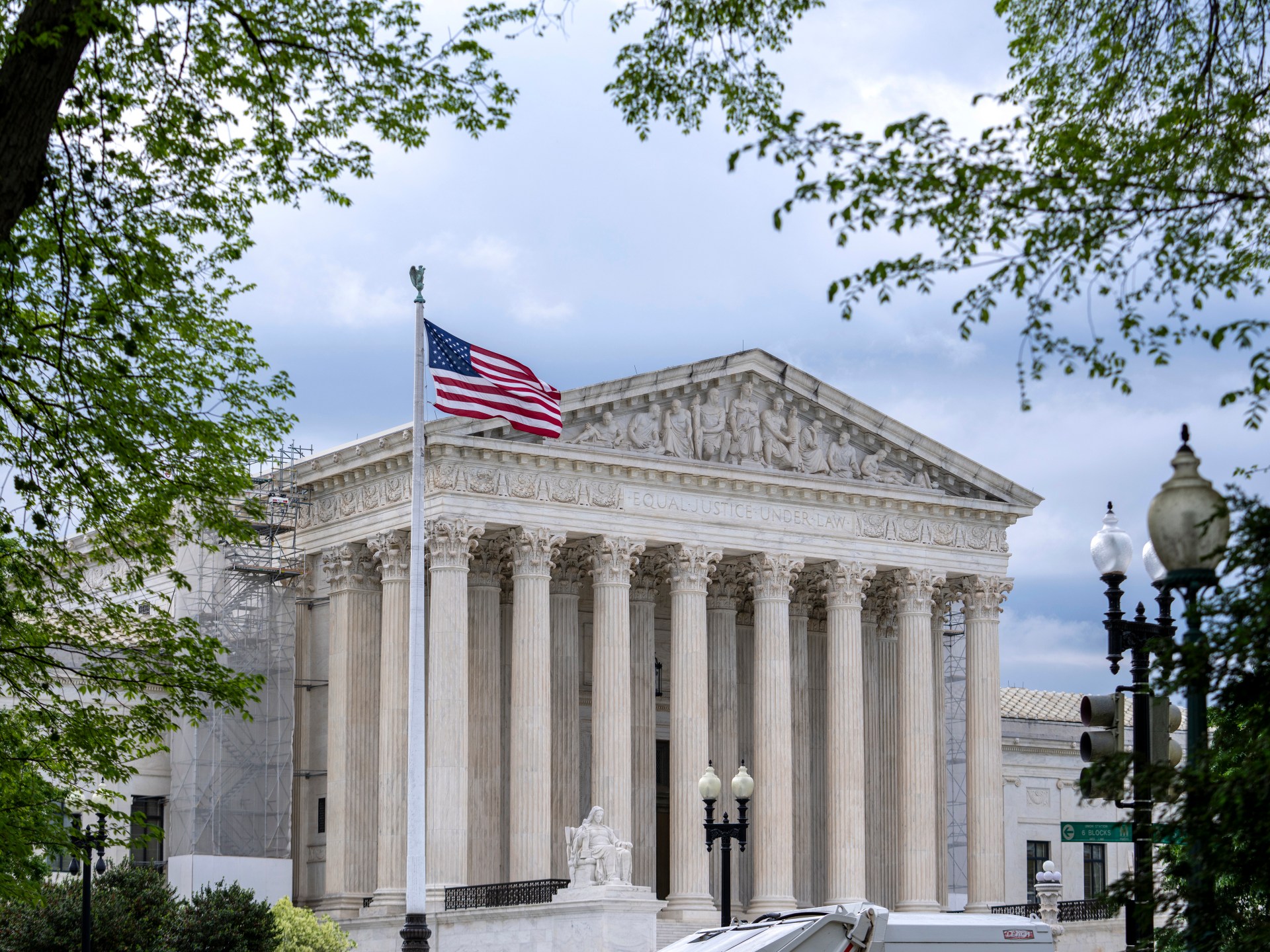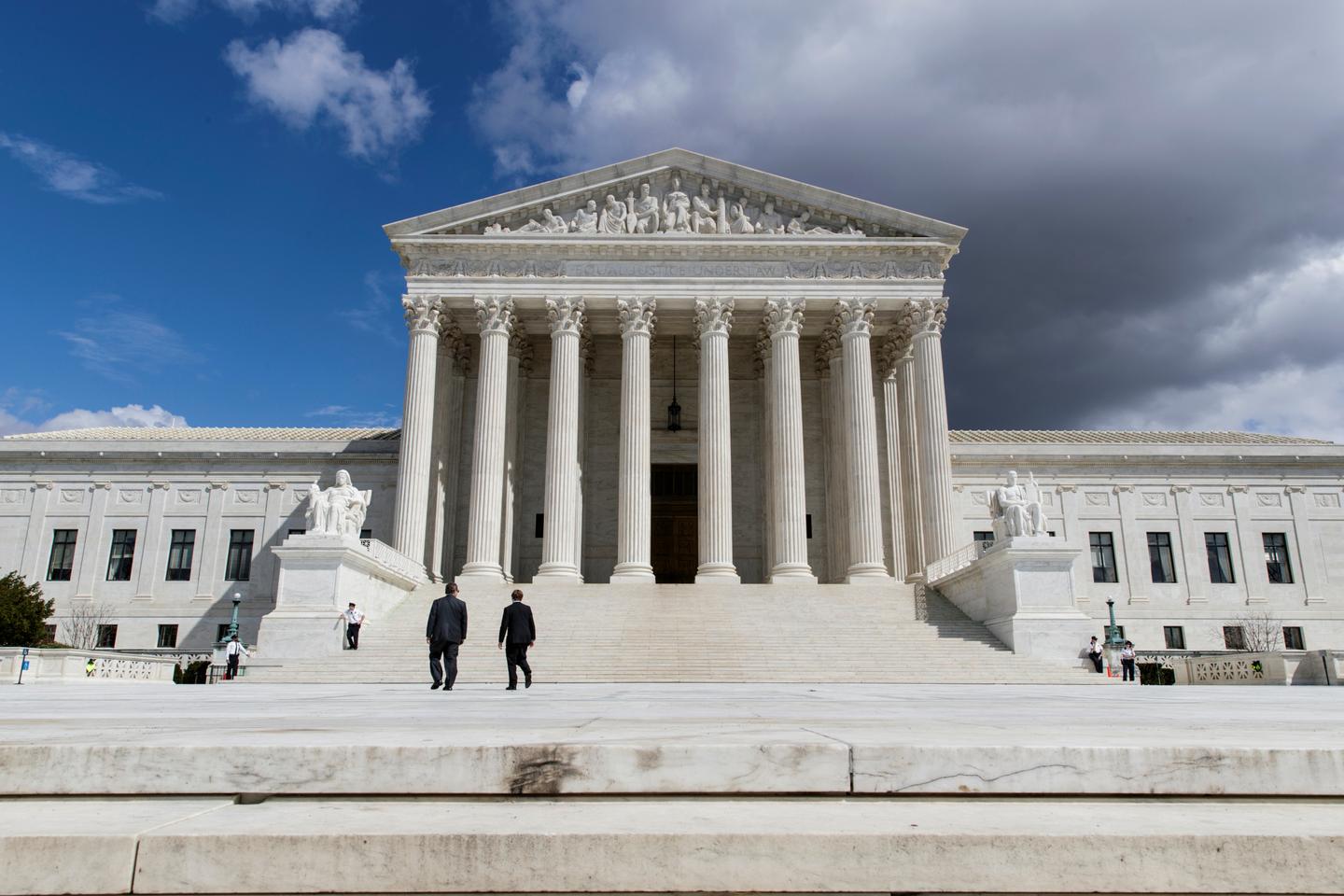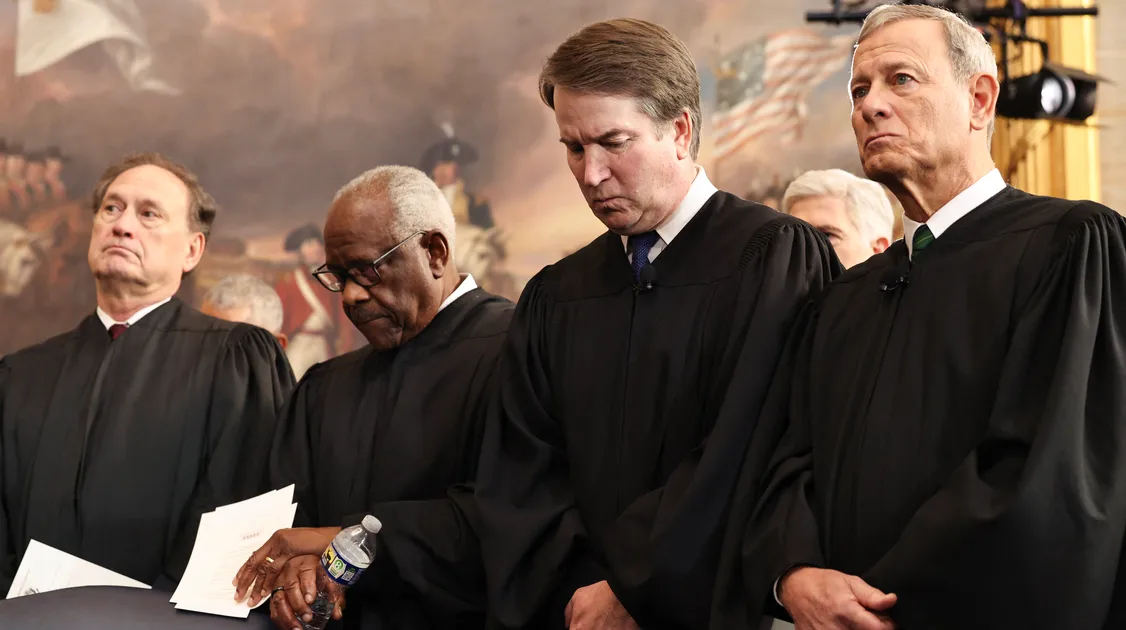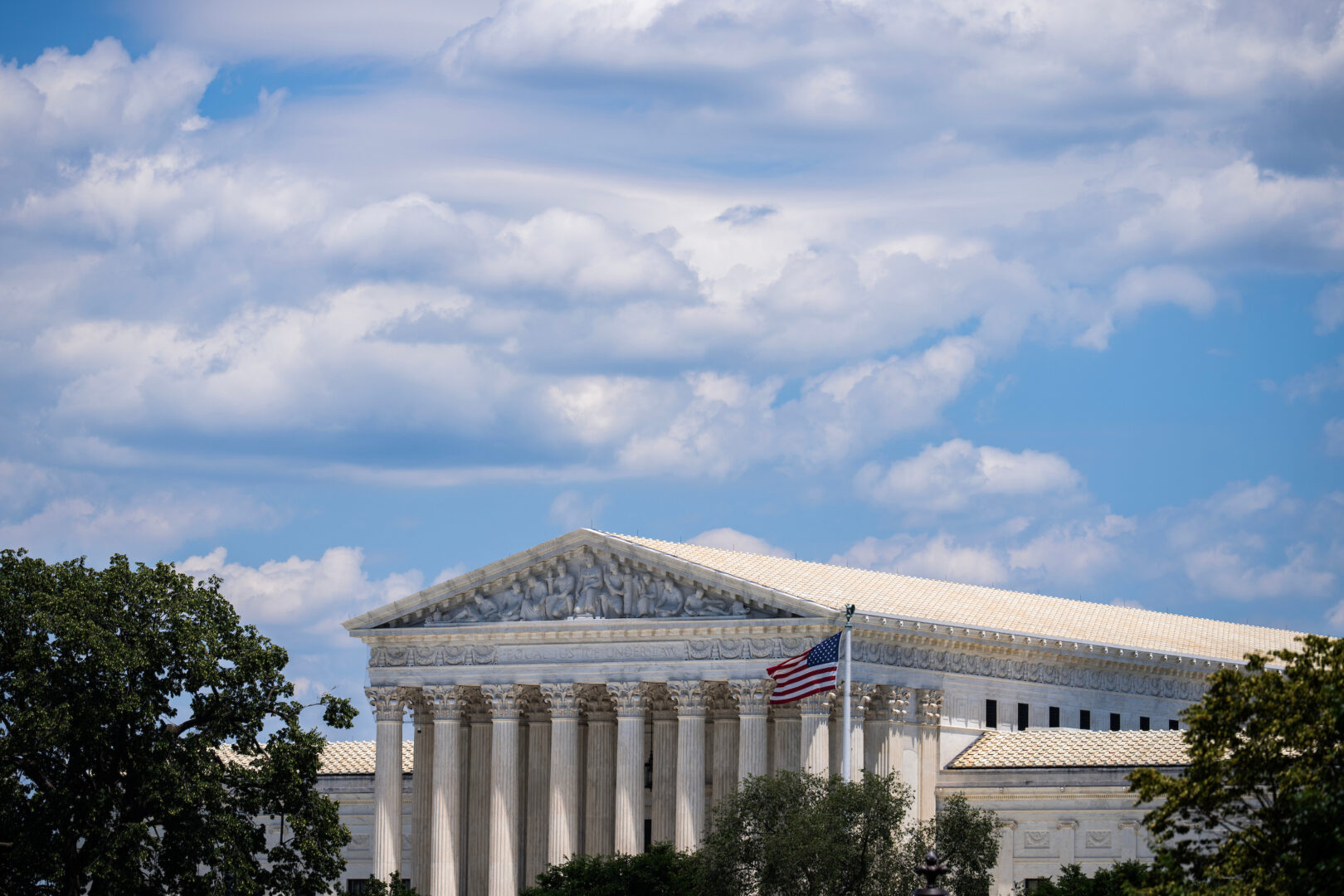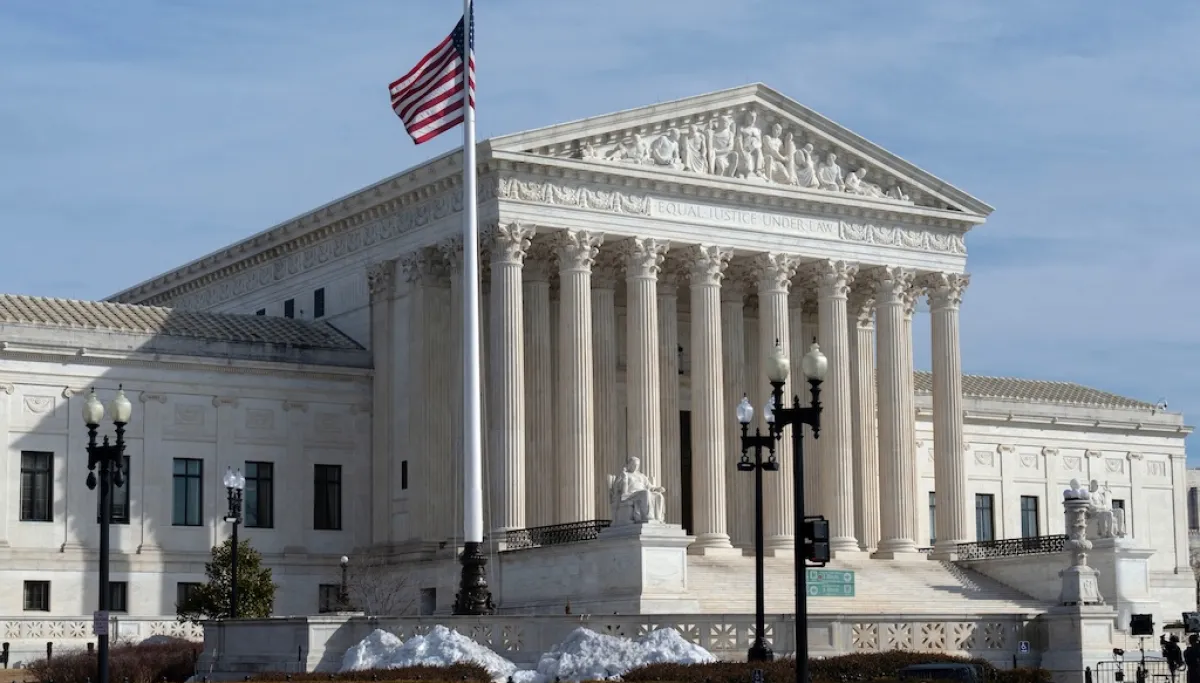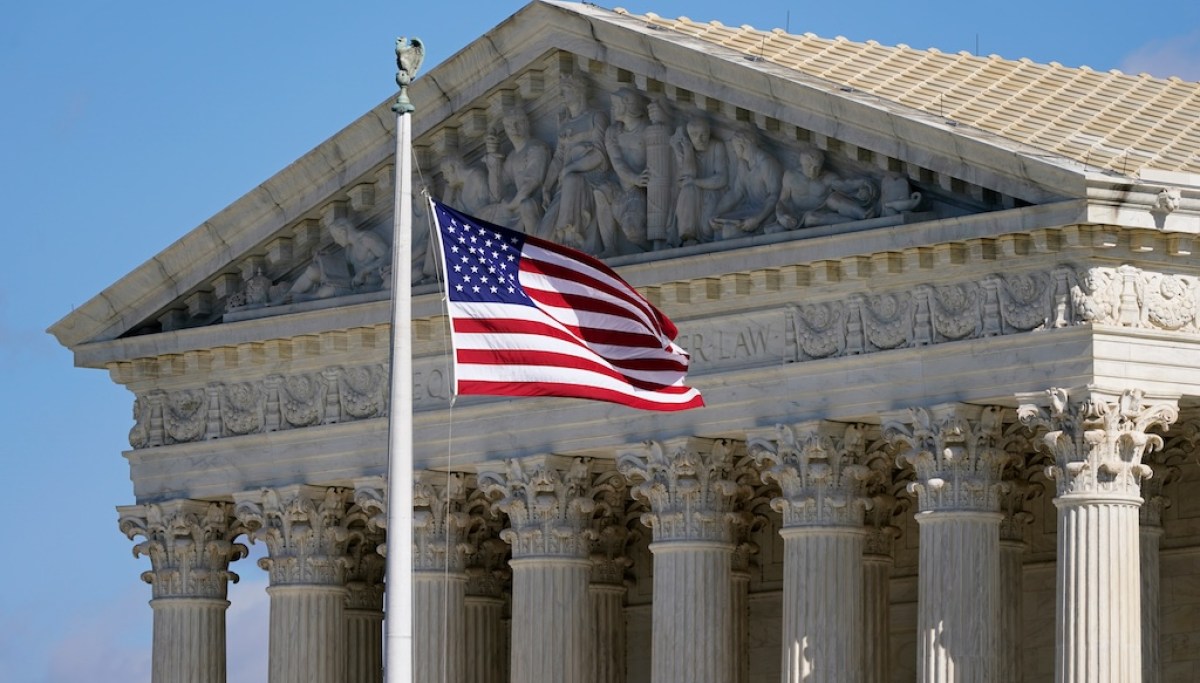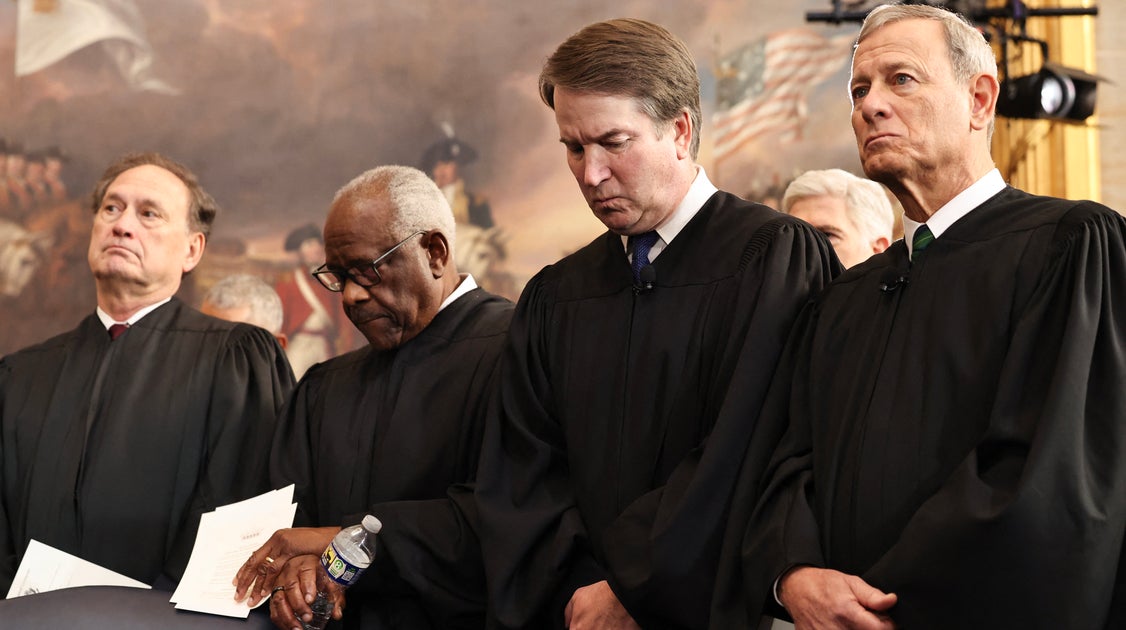
The Supreme Court on Tuesday heard arguments in its latest campaign finance case with a challenge to existing limits on how much a political party can spend in coordination with a candidate. What the court wound up hearing a lot about from the lawyers before it, however, was how it has screwed up campaign finance law over the past 20 years.
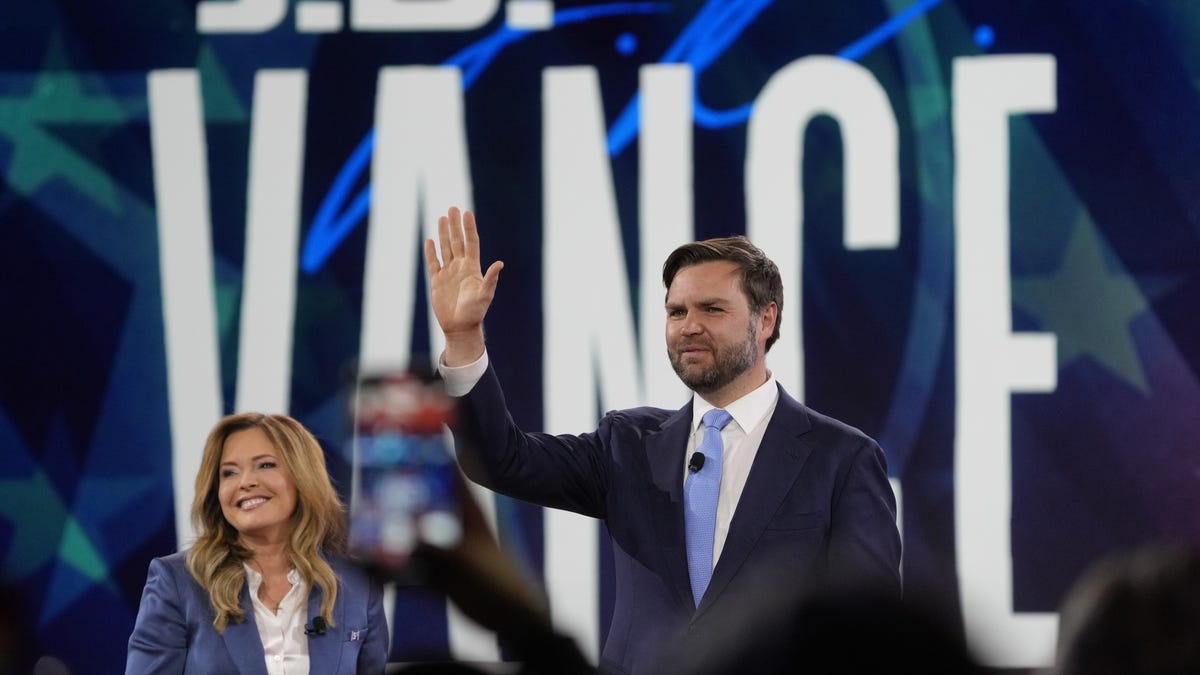
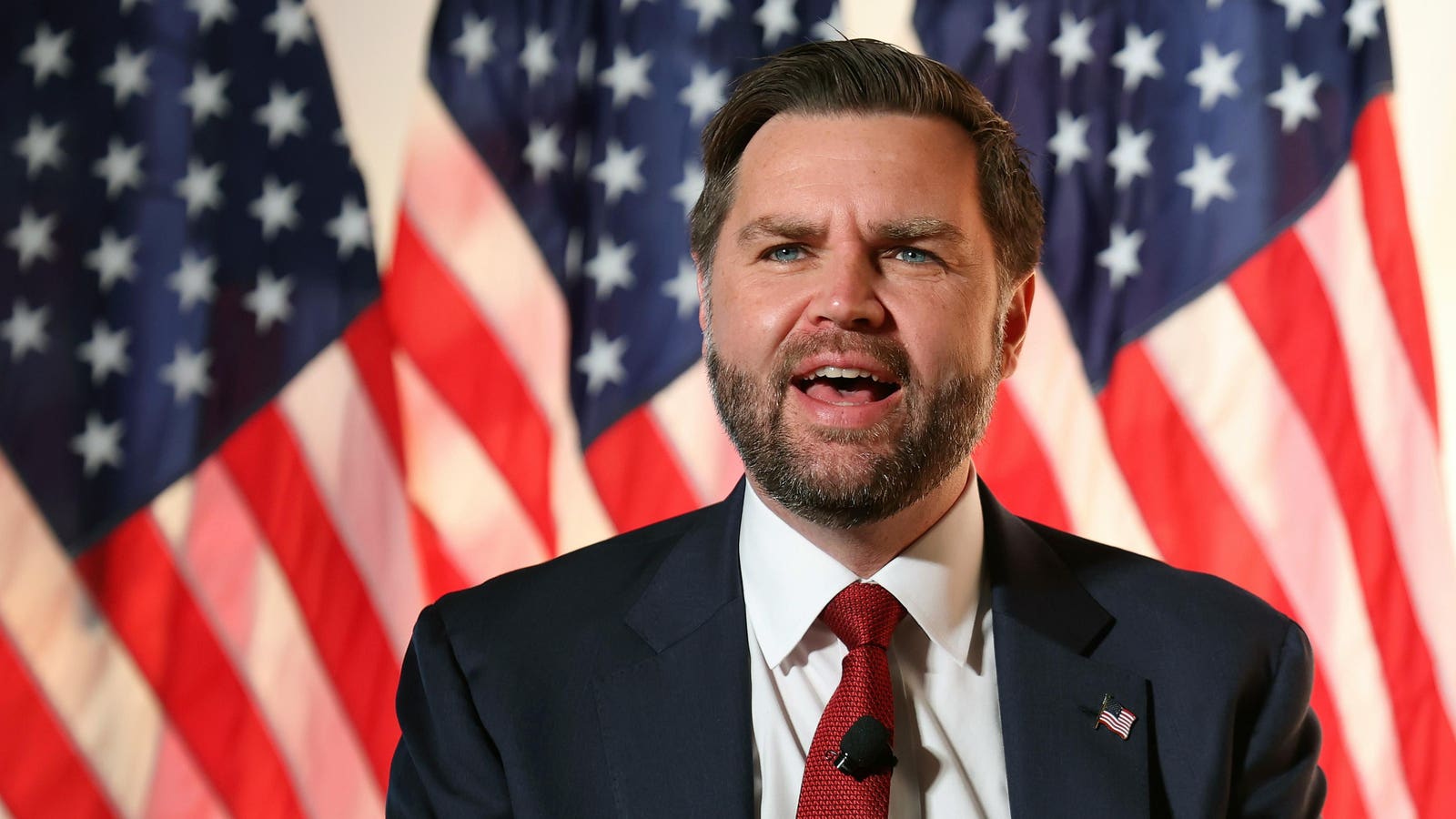
In NRSC v. FEC, the chief political arm of Senate Republicans together with Vice President JD Vance sued to overturn what’s known as the coordinated party spending limit enacted in the Federal Election Campaign Act of 1974, one of the remaining restrictions on money in politics. That limit, which was designed to protect against corruption, prevented donors from working around limits on how much they could give to a political candidate by instead donating to the political party (with the effect the party would then donate to the candidate).
The case could not only lead to the elimination of yet another key pillar of the modern campaign finance regulatory system, but also set the stage for its total destruction. Piece by piece, the court’s conservative majority has dismantled the regime regulating money in politics, and taking down the coordinating spending limits could, as was revealed during arguments, ultimately lead to the elimination of the base limits for parties and candidates.