Show Caption
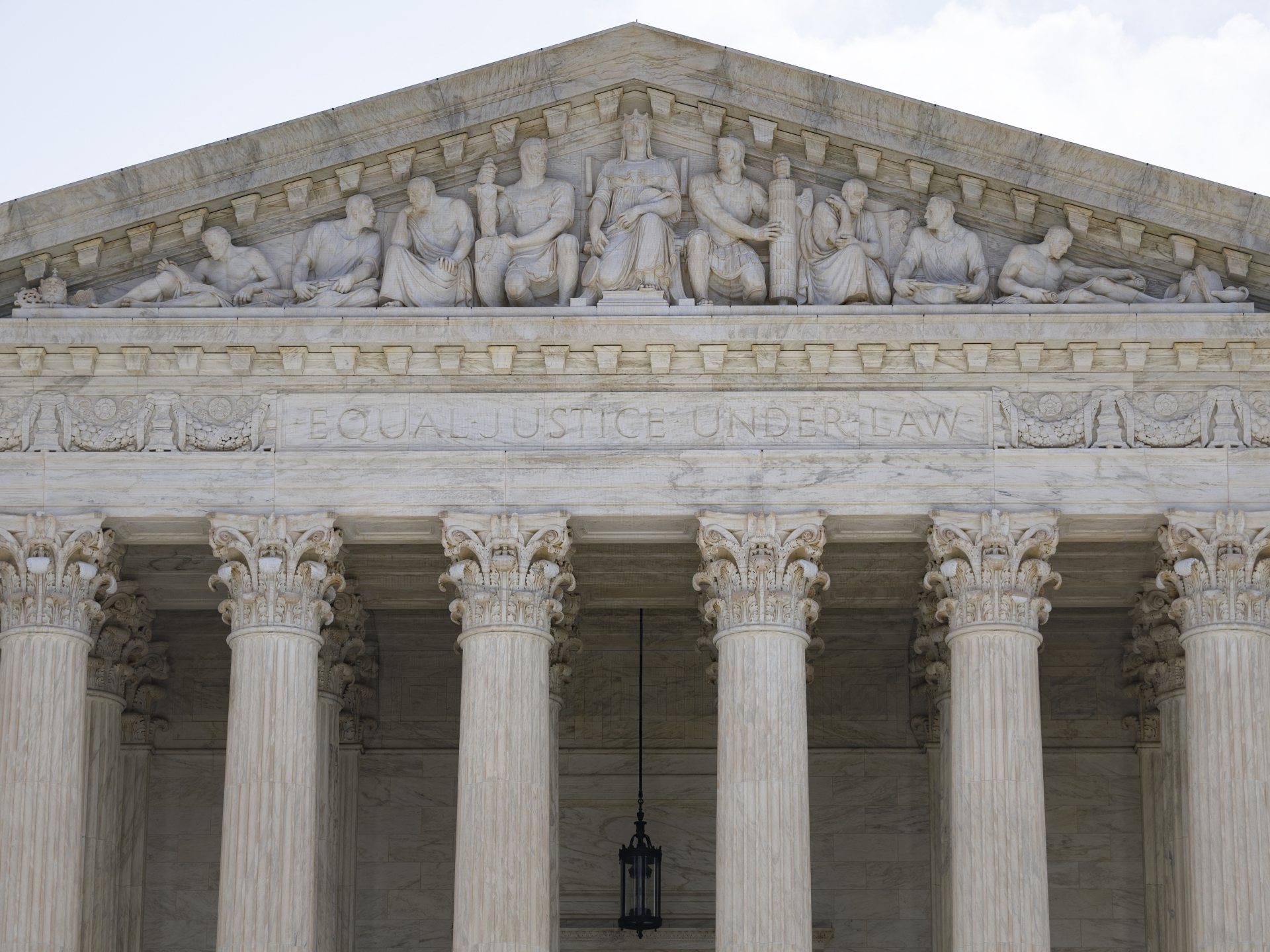
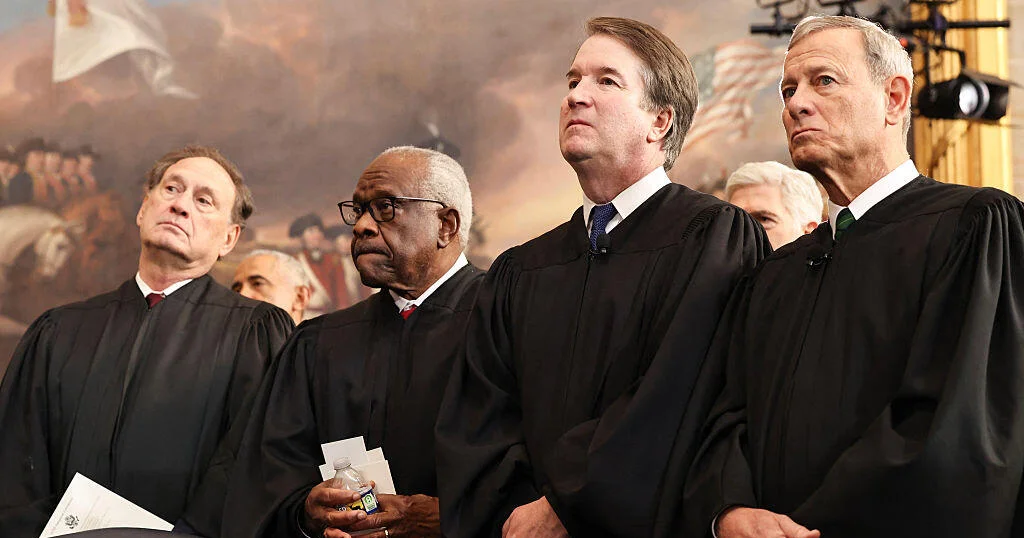
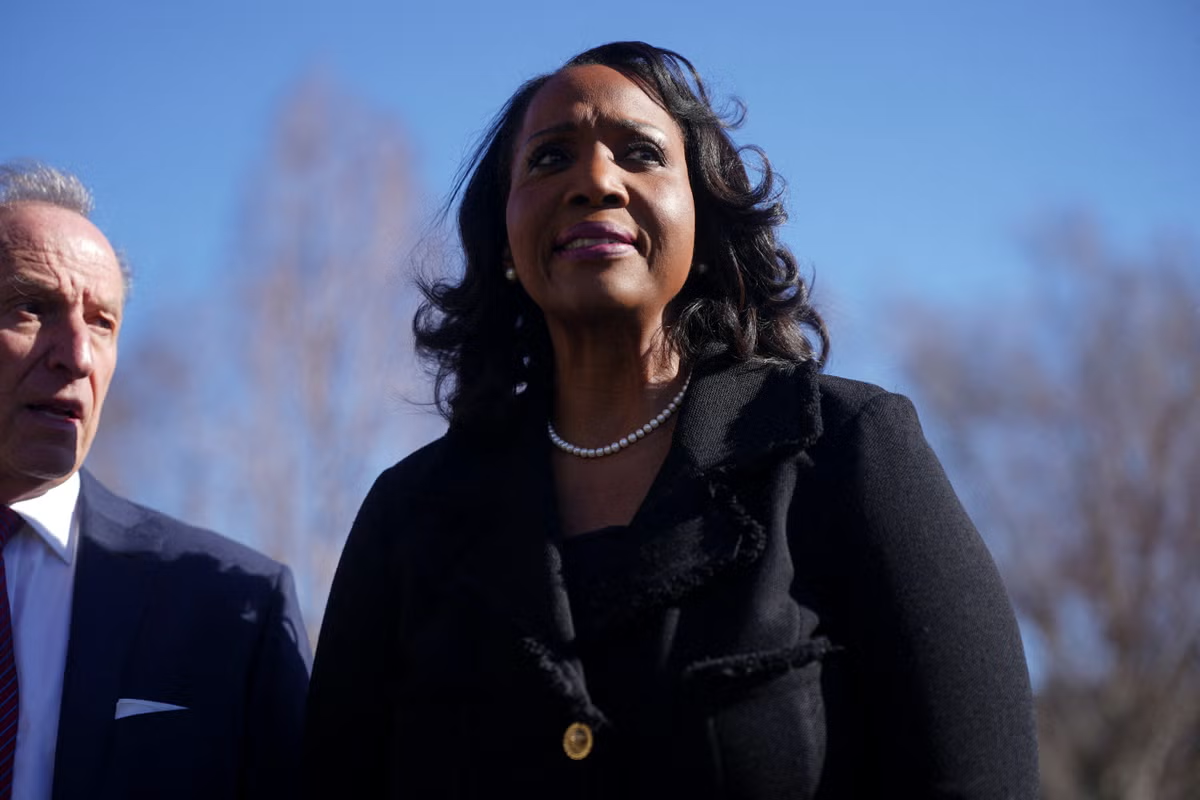
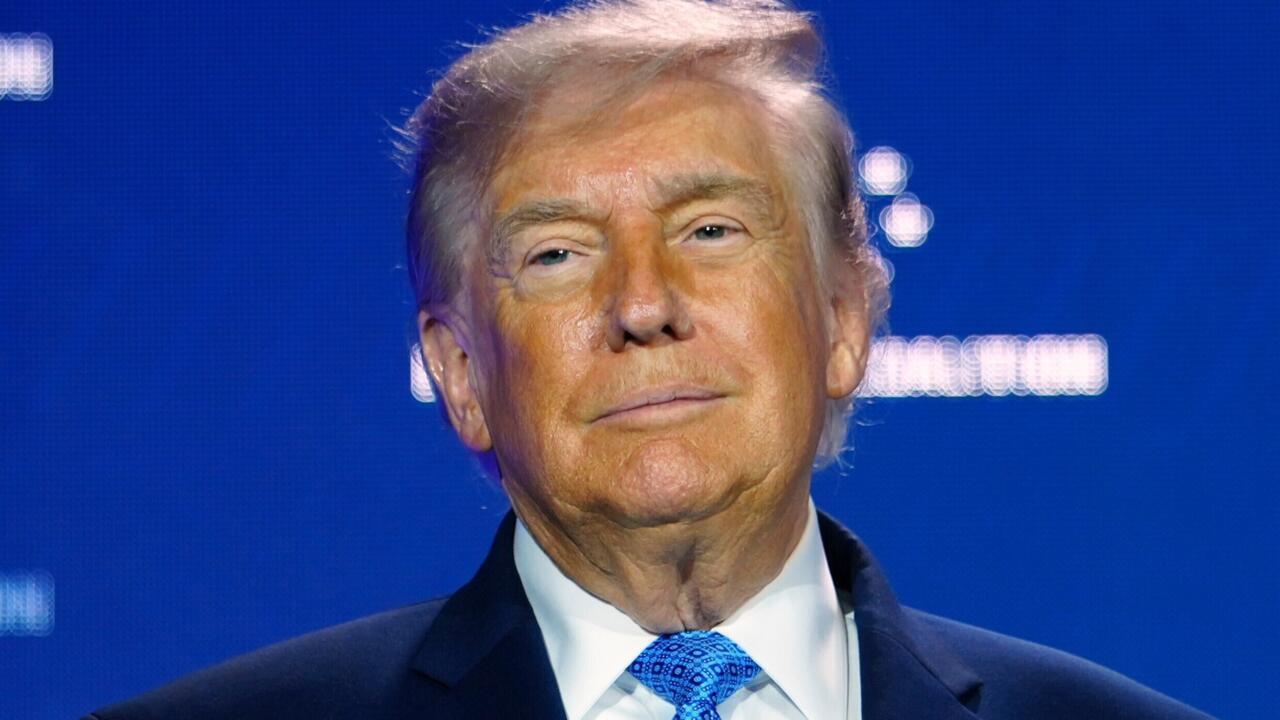
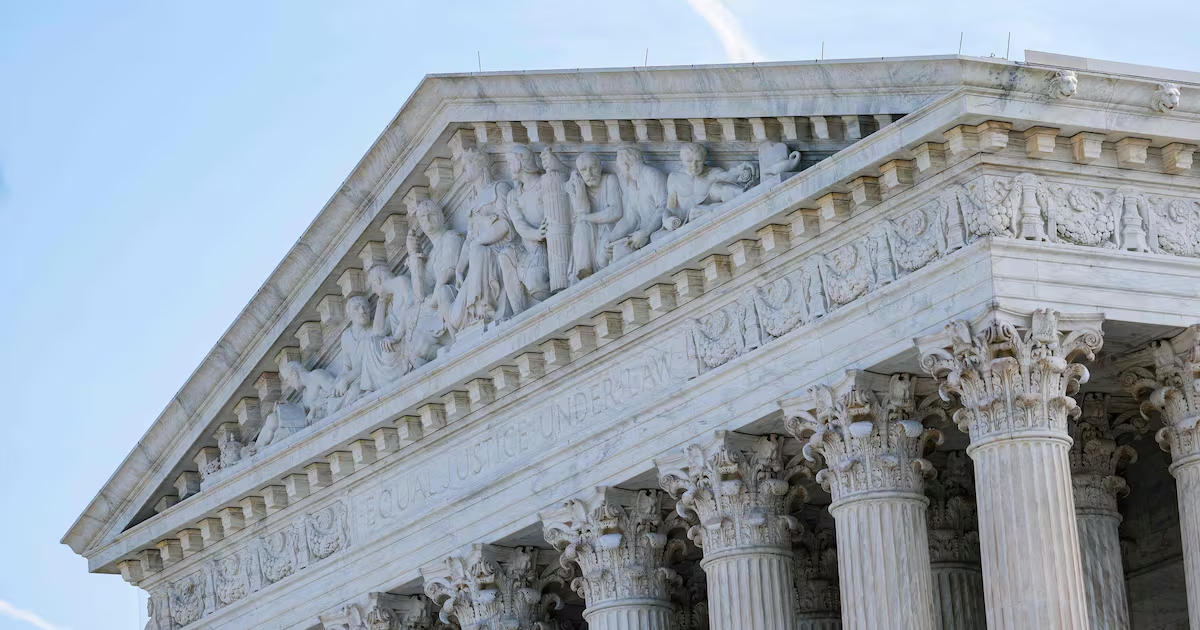
The Supreme Court dealt President Donald Trump's agenda major blows June 29 when it comes to regulating the economy and targeting mail-in voting, but also issued a historic decision expanding his control over federal agencies.In split decisions, the justices blocked Trump from immediately firing Lisa Cook, a governor on the board of the Federal Reserve, and upheld a Mississippi law that allowed mail-in ballots postmarked by Election Day to be received and counted later.The court also rejected Trump's appeal against a $5 million judgment awarded to New York writer E. Jean Carroll after a jury concluded he sexually abused and defamed her – claims he denies.However, the court also backed Trump's firing of a Democratic appointee to the Federal Trade Commission, Rebecca Slaughter, in a 6-3 decision overturning a 90-year-old legal precedent that limited presidential firing powers.Trump said on social media after the decisions that the justices dealt a "tremendous loss" to his agenda on voting, but that their decision to overturn the decades-old precedent "greatly" increased presidential power "at a time when it is most needed!"Here's a breakdown on what the latest decisions mean for Trump and his agenda.90-year-old limit on president's firing powers struck downTrump called the court’s decision allowing him to fire Rebecca Slaughter from the Federal Trade Commission a “BIG WIN” for presidential power.The court overturned a 90-year precedent from a case called Humphrey's Executor v. United States, which restricted how presidents could remove members of independent boards.Congress created various boards with representation from both parties. But Trump argued that he should control every post in the executive branch, removing and replacing members at will.Roberts delivered the majority opinion in a decision that could affect a dozen government agencies, writing that a president "must have the assistance of officers he can trust.”“It is such an Honor to be the sitting President who won this Historic and Unprecedented Ruling, one of the most important ever given with respect to Presidential Powers,” Trump wrote on a social media.Court backs Federal Reserve's independenceTrump, by contrast, downplayed the Supreme Court's decision to block him from immediately firing Cook, posting on social media that the court sent the case back down to a lower court "on a strictly procedural basis."However, Chief Justice John Roberts wrote for a majority of the court that the Trump administration "has not shown that it is likely to prevail" at that lower court in defending how Cook was fired. Roberts also emphasized that Congress has established protections for the Fed's governors and that the U.S. has a tradition of shielding central banking from political influence.The Federal Reserve is a powerful economic regulator, responsible for monetary policies that can influence inflation rates and unemployment. Its board is composed of governors who are nominated by presidents and confirmed by the U.S. Senate to serve staggered 14-year terms.Backing Trump's firing of Cook, who was nominated by President Joe Biden and confirmed in 2022, would have left the Fed more vulnerable to whichever president currently occupies the Oval Office.Trump argued that he could remove Cook immediately based on his allegations that she made misrepresentations affecting mortgage rates on two properties she purchased. Cook has said she is looking forward to "debunking" Trump's allegations, and argued that that her firing was unlawful because the Fed's board is historically independent and its governors have statutory protections.State may receive and count mail-in ballots after Election DayIn a significant loss for Trump, the court upheld a Mississippi law that counted mail-in ballots postmarked by Election Day that arrive up to five days later.Justice Amy Coney Barrett and Chief Justice John Roberts joined the court's three liberal justices in backing the law. Barrett wrote that voters must make their decision by a specific day, not that the ballots must be received on that day.Trump has long opposed mail-in ballots, arguing they are easily corrupted – although he voted by mail himself in March. He cited the court's decision as he continued to pressure Congress to require voters to provide identification at polling places and show proof of citizenship to register, and to prohibit mail-in ballots except for voters who are ill, traveling or serving in the military.“There is no excuse for a politician, or otherwise, to be against the above three requirements,” Trump said on social media. “There is only one reason to oppose – CHEATING!”A 2025 report from the Brookings Institution found fraud cases related to voting by mail are extremely rare: about four cases for every 10 million mail-in votes. Studies have also shown that voting by noncitizens is virtually nonexistent.Court rejects Trump's sexual abuse appeal, with $83 million case still pendingIn a personal blow to Trump, the Supreme Court decided not to review his appeal over his 2023 loss in a sexual abuse and defamation case. That leaves in place a New York federal jury's 2023 award to former advice columnist E. Jean Carroll of $5 million, after concluding Trump sexually abused her in a 1990s incident in a department store, and then defamed her when he denied it in 2022."This Win Is For Every Woman in the World!!" Carroll posted on social media within hours of the decision.The decision doesn't affect Trump's separate appeal over an $83.3 million award from a separate New York federal jury to Carroll in 2024, based on the conclusion that Trump defamed her in 2019 when he denied her allegations. That appeal is still being litigated.Trump posted on social media that Carroll's case, which was brought against him in a private capacity, "is really against the United States of America.""I will continue the fight against this Weaponization and Lawfare Case against me, including the ridiculous claim of Defamation, with all of my power and strength," he said.What's at stake for Trump in upcoming decisions?Trump has an interest in all three remaining cases that the court is expected to decide June 30, but none more so than his proposed restrictions on birthright citizenship.On the first day of his second term, Trump signed an executive order to limit citizenship to children born to citizens or legal permanent residents. The high court has for more than 125 years interpreted the Constitution’s 14th Amendment – which grants citizenship to "all persons born or naturalized in the United States" – as applying to all babies born in the country.Trump became the first sitting president to attend a Supreme Court argument when the justices heard the birthright case April 1.Another pair of pending decisions will deal with whether West Virginia and Idaho can ban transgender athletes from participating in female sports teams. Trump has been a vocal opponent of transgender athletes.The court will also decide whether to ditch one of the last checks on money in politics. Trump’s fellow Republicans, including Vice President JD Vance, have challenged 50-year-old limits capping how much parties can spend on campaigns coordinated with candidates.