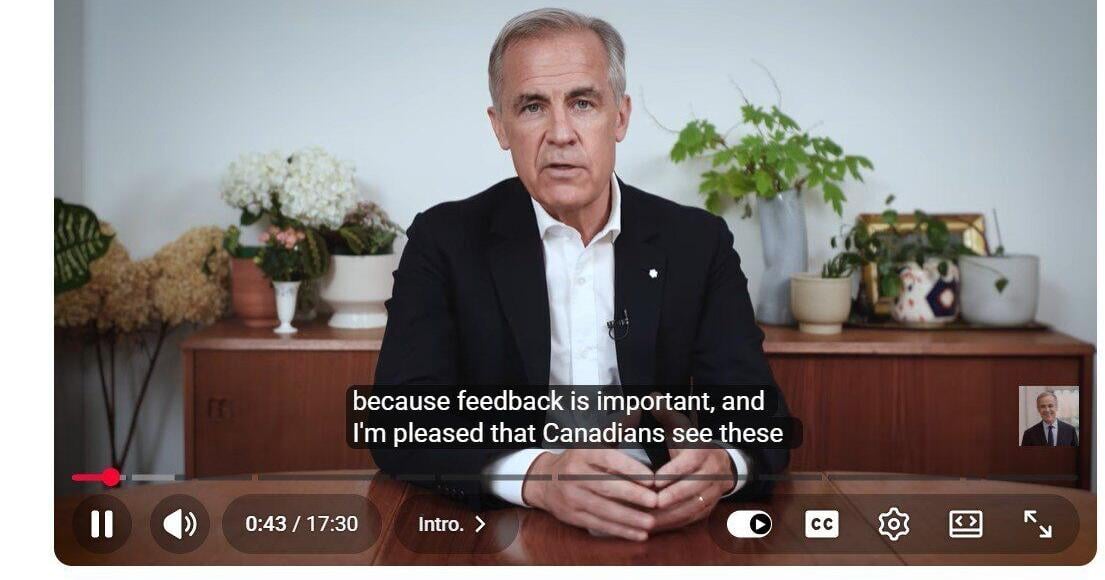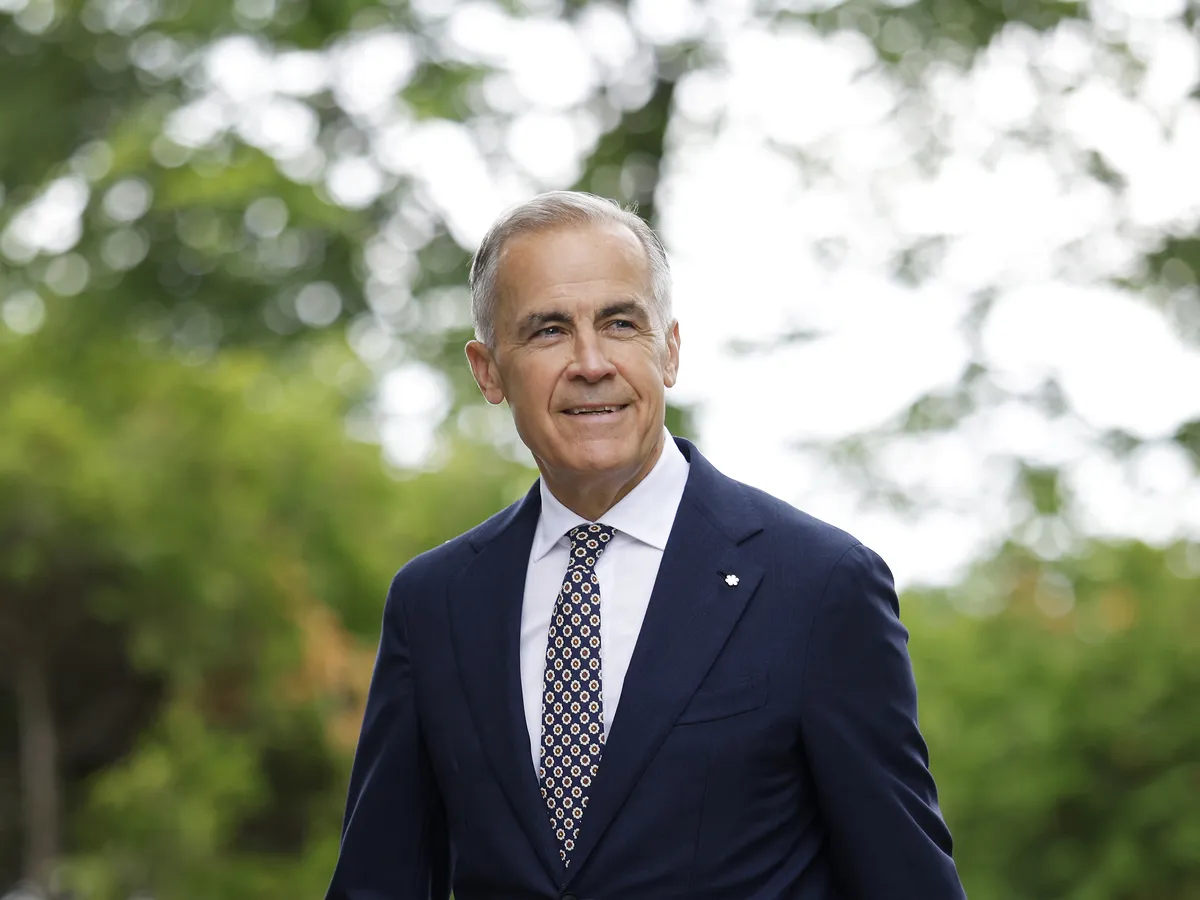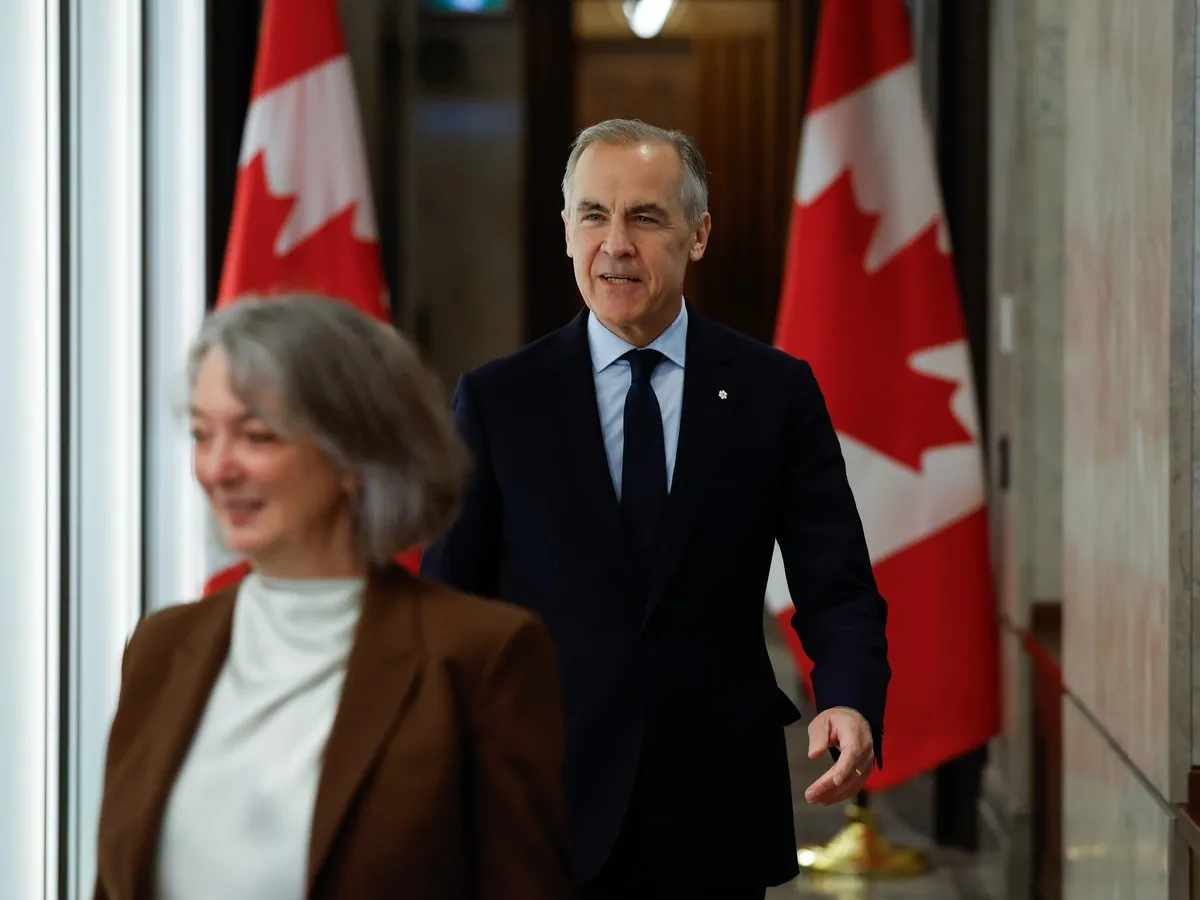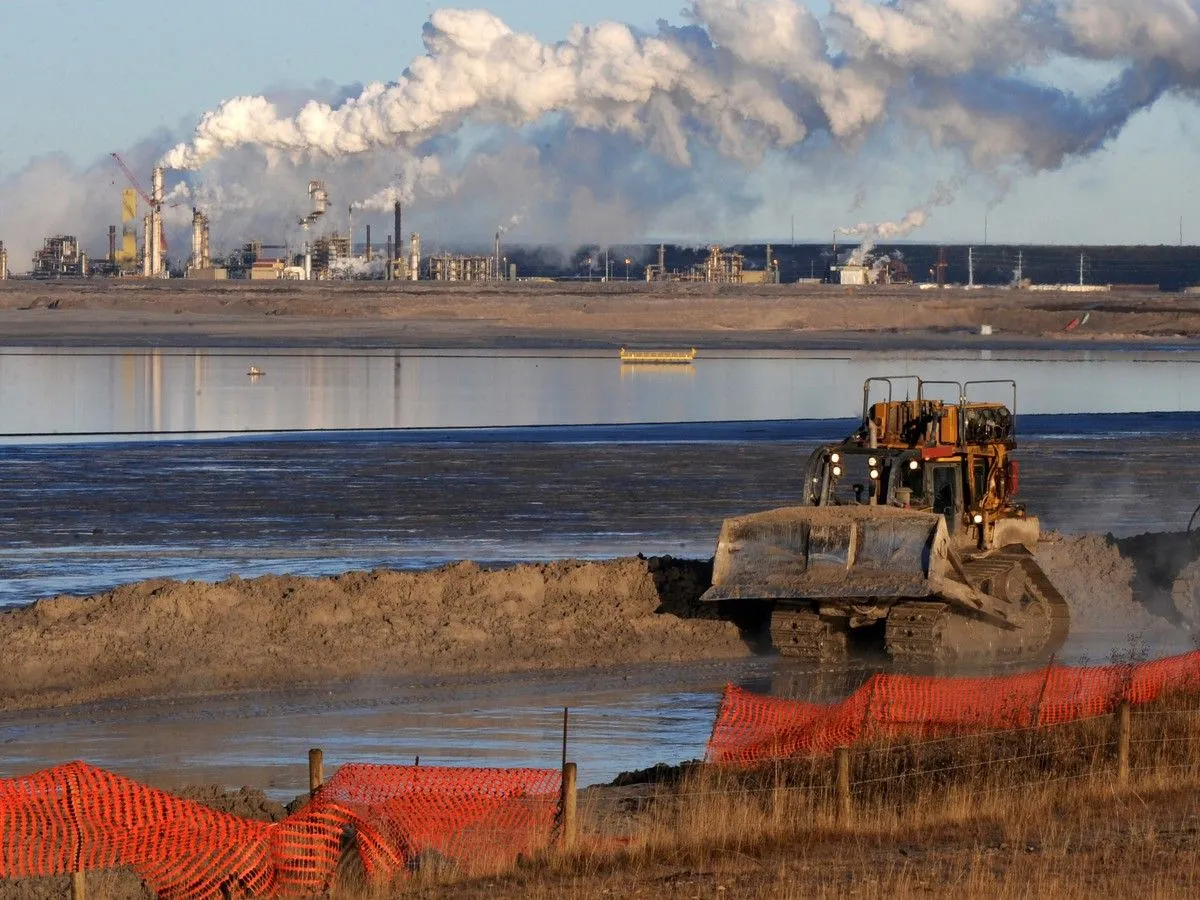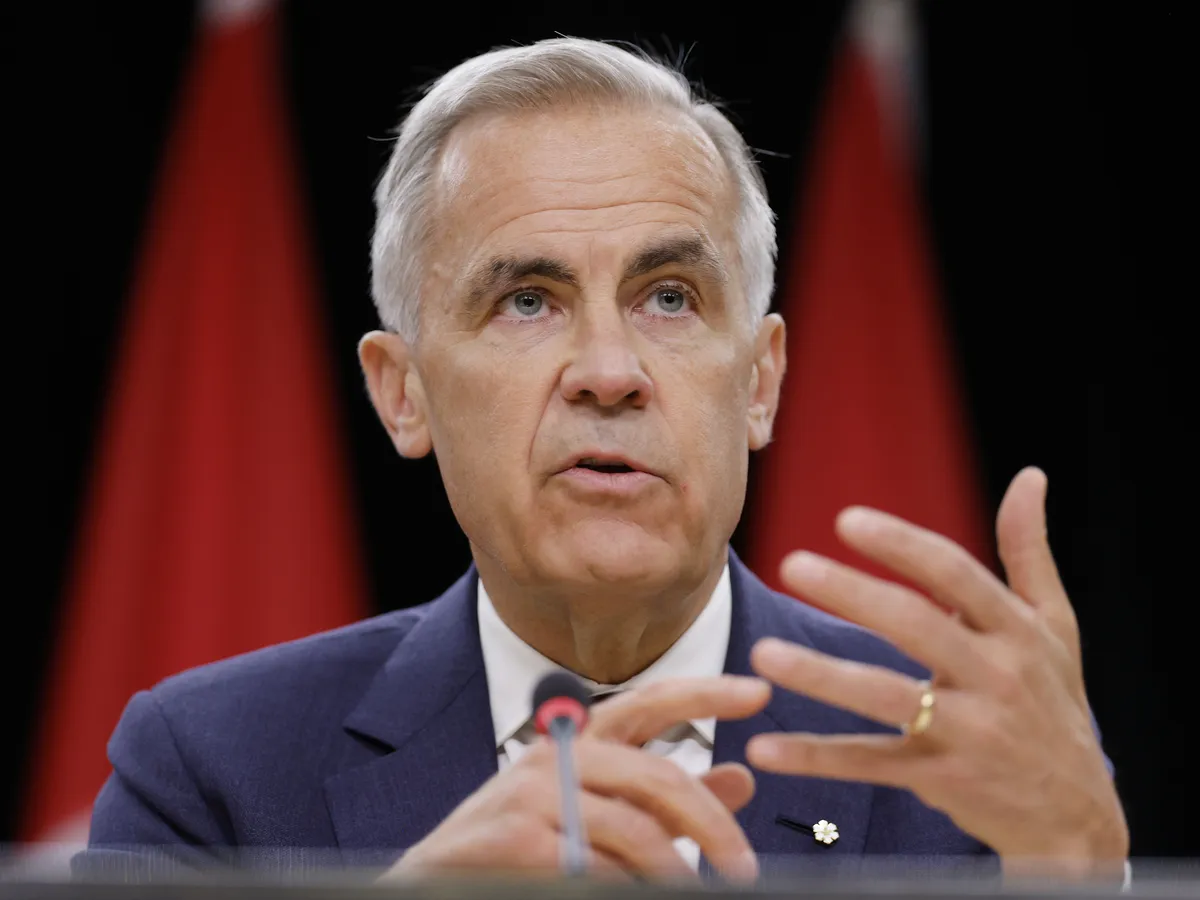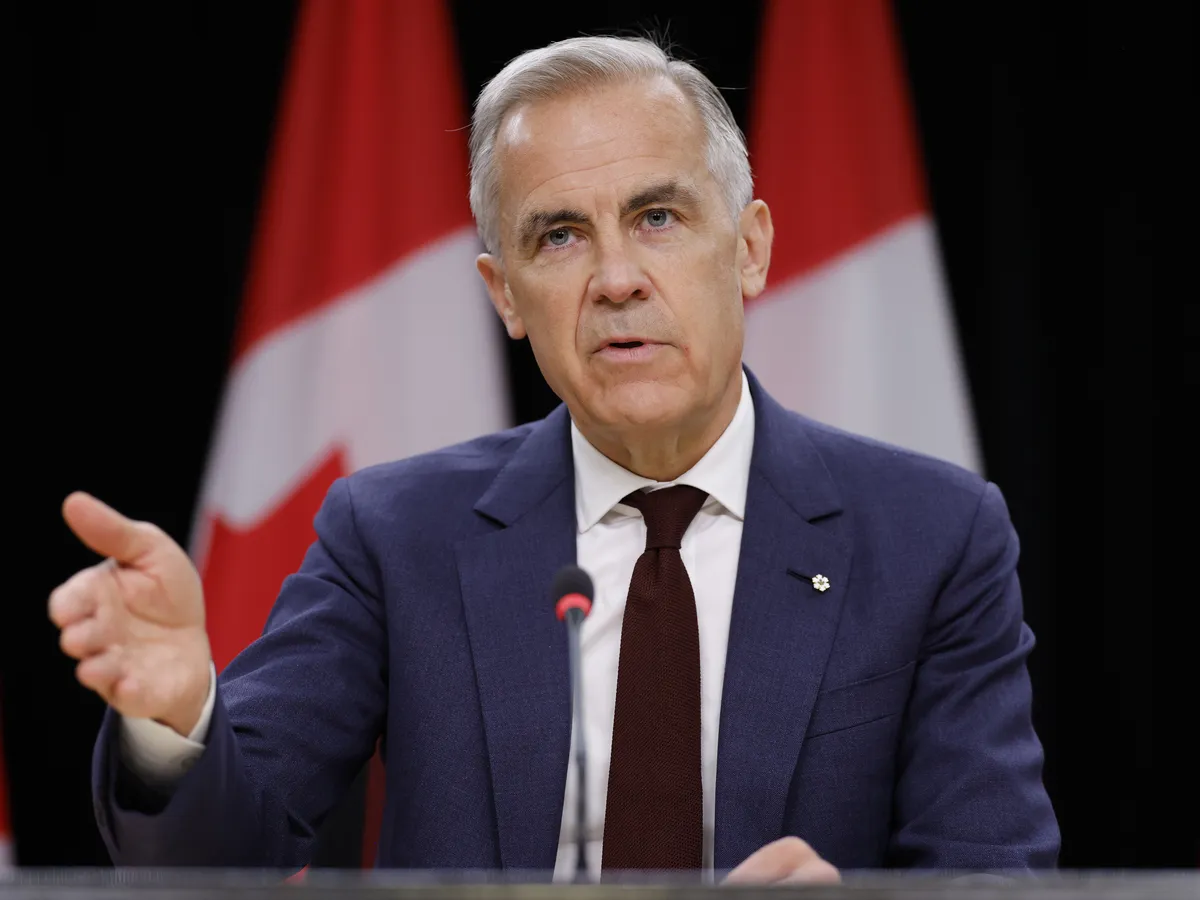
Skip to Content News Archives Economy Energy Oil & Gas Renewables Electric Vehicles Mining Commodities Agriculture Real Estate Mortgages Mortgage Rates Finance Banking Insurance Fintech Cryptocurrency Work Wealth Smart Money Wealth Management Investor Personal Finance Family Finance Retirement Taxes High Net Worth FP Comment Executive Women Puzzmo Newsletters Financial Times Business Essentials More Innovation Information Technology FP500 Podcasts Small Business Lives Told Tails Told Shopping Financial Post Store Obituaries Place a Notice Advertising Advertising With Us Advertising Solutions Postmedia Ad Manager Sponsorship Requests Classifieds Place a Classifieds ad Working Profile Settings My Subscriptions Saved Articles My Offers Newsletters Customer Service FAQ News Economy Energy Mining Real Estate Finance Work Wealth Investor FP Comment Executive Women Puzzmo Newsletters Financial Times Business Essentials HomeEnergyNewsCarney concedes Canada will overshoot emissions forecastsCarney made clear his government will not curb growth in the oil and gas sector to meet nearer-term emissions targetsAuthor of the article:Last updated 1 hour ago You can save this article by registering for free here. Or sign-in if you have an account.Elected last year on a promise to turn Canada into a “superpower” in both conventional and clean energy, Carney has unwound major pieces of Trudeau’s climate framework. Photo by Blair Gable/PostmediaPrime Minister Mark Carney said Canada’s emissions will be higher in the coming years than previously projected, his clearest admission yet that the country’s near-term climate targets are likely out of reach.Subscribe now to read the latest news in your city and across Canada.Exclusive articles from Barbara Shecter, Joe O'Connor, Gabriel Friedman, and others.Daily content from Financial Times, the world's leading global business publication.Unlimited online access to read articles from Financial Post, National Post and 15 news sites across Canada with one account.National Post ePaper, an electronic replica of the print edition to view on any device, share and comment on.Daily puzzles, including the New York Times Crossword.Subscribe now to read the latest news in your city and across Canada.Exclusive articles from Barbara Shecter, Joe O'Connor, Gabriel Friedman and others.Daily content from Financial Times, the world's leading global business publication.Unlimited online access to read articles from Financial Post, National Post and 15 news sites across Canada with one account.National Post ePaper, an electronic replica of the print edition to view on any device, share and comment on.Daily puzzles, including the New York Times Crossword.Create an account or sign in to continue with your reading experience.Access articles from across Canada with one account.Share your thoughts and join the conversation in the comments.Enjoy additional articles per month.Get email updates from your favourite authors.Create an account or sign in to continue with your reading experience.Access articles from across Canada with one accountShare your thoughts and join the conversation in the commentsEnjoy additional articles per monthGet email updates from your favourite authorsSign In or Create an AccountorCarney outlined his government’s energy strategy in the second instalment of a video series called Forward Guidance, arguing Canada is grappling with a three-part crisis: affordability pressures driven by global oil volatility, economic vulnerability tied to heavy reliance on United States markets and the mounting challenge of the climate transition.“The climate plan we inherited from the previous government was well-intentioned and well-suited for the times in which it was designed. The climate crisis is still with us and our commitment to fighting it is absolute. The certainties of the world of 2015 are long gone,” Carney said, referring to the year Justin Trudeau was first elected prime minister.Breaking business news, incisive views, must-reads and market signals. Weekdays by 9 a.m.By signing up you consent to receive the above newsletter from Postmedia Network Inc.A welcome email is on its way. If you don't see it, please check your junk folder.The next issue of Posthaste will soon be in your inbox.We encountered an issue signing you up. Please try again“The goal remains the same, but as times have changed, we must change our plan to get there.”Carney made clear his government will not curb growth in the oil and gas sector to meet nearer-term emissions targets.“The changes we have made will mean that our emissions will be higher in the next few years than they were projected to be under the previous government’s plan. But in my judgment, that plan was not sustainable over the long term.”He argued the previous strategy would have driven up costs for households already under strain, undercut Canada’s ability to supply allies with energy and deepened regional divisions.The comments mark Carney’s strongest indication yet that Canada’s target of cutting emissions 40 per cent to 45 per cent below 2005 levels by 2030 will be difficult to achieve under his current policies. He has previously left his commitment to the benchmark unclear, while emphasizing a 2050 net zero goal.Public opinion appears to be moving in the same direction. A recent Nanos Research Group poll for Bloomberg News found 55 per cent of Canadians want the government to prioritize growing oil and gas exports, compared with 35 per cent who would prefer it meet its 2030 emissions target. Canadian Prime Minister Mark Carney Photographer: David Kawai/BloombergElected last year on a promise to turn Canada into a “superpower” in both conventional and clean energy, Carney has unwound major pieces of Trudeau’s climate framework. He scrapped the consumer carbon price and agreed with Alberta to weaken the trajectory of the industrial levy.Canada is already the world’s fourth-largest oil producer, but most of its crude is sold to the U.S. at a discount. That dynamic has begun to change with the expansion of the Trans Mountain pipeline to the Pacific coast. Carney has also pledged federal support for a new pipeline through British Columbia, a proposal Alberta is expected to formally unveil this week.The Nanos poll also found that 61 per cent of Canadians support or somewhat support building a new pipeline to the northwest coast, even if BC opposes it — up from 56 per cent in December 2025.Carney’s remarks come as the Alberta government is moving toward an October referendum on whether to remain in Canada or begin a process that could lead to separation. The oil-producing province bristled under Trudeau’s environmental policies, which Carney described as “an open opportunity for those people who wish to pull Canada apart, both at home and from abroad.”External shocks also complicate the outlook. U.S. tariffs have hit key Canadian industries, though data released Tuesday pointed to a rebound in second-quarter growth, helped by higher oil prices. But the war in Iran also pushed up gasoline prices, squeezing consumers and adding to economic uncertainty. Join the Conversation This website uses cookies to personalize your content (including ads), and allows us to analyze our traffic. Read more about cookies here. By continuing to use our site, you agree to our Terms of Use and Privacy Policy.
Carney concedes Canada will overshoot emissions forecasts
Prime Minister Mark Carney said Canada’s emissions will be higher in the coming years than previously projected. Find out more here
1,123 words~5 min read