A coalition of more than 140 companies, spanning payments, traditional finance, crypto infrastructure, and big tech, has signed on as launch partners for Open USD (OUSD), a new dollar-pegged stablecoin built to function as shared infrastructure rather than a single company’s product.
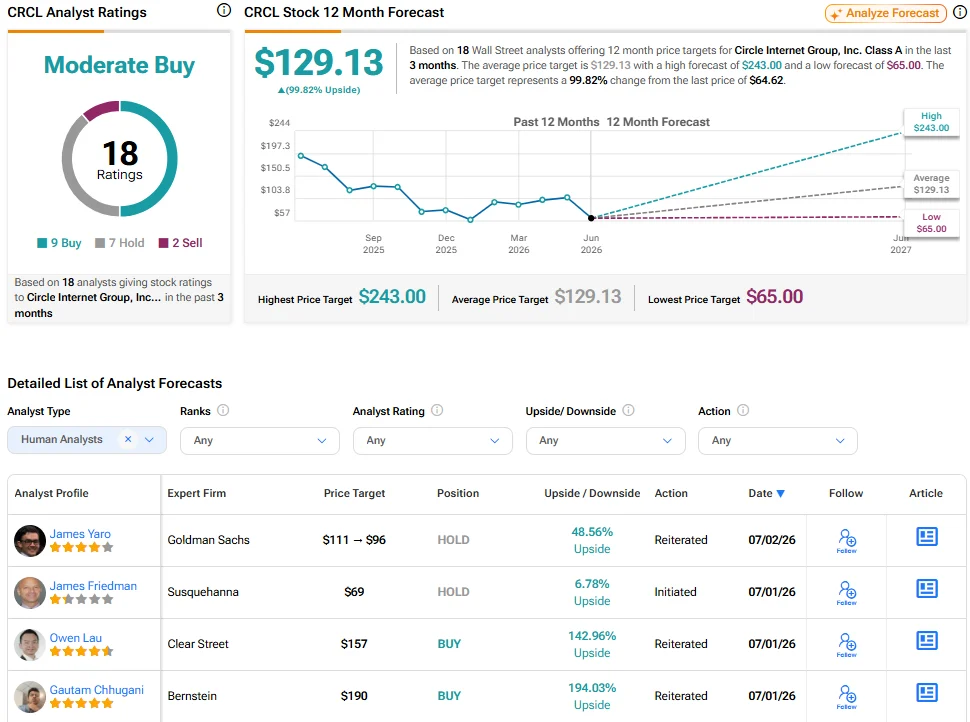
The partner list reads like a who’s who of global finance and technology: Visa, Mastercard, BlackRock, Coinbase, Google, Ripple, Stripe, Discover, Adyen, and Klarna, among others. Circle, the issuer of USDC, is conspicuously not among them. Its shares fell between 8% and 13% on the news.
How OUSD works, and why it’s different
Open USD is governed by an independent entity called Open Standard, with Zach Abrams serving as interim CEO. The stablecoin offers fee-free minting and redemption with no volume limits. In English: anyone can create or cash out OUSD at a 1:1 dollar rate without paying transaction fees, regardless of how much they’re moving.
Instead of a single company keeping the yield generated by reserves, like Tether and Circle do today, OUSD distributes reserve earnings among its partners. Open Standard takes only a small management fee off the top.