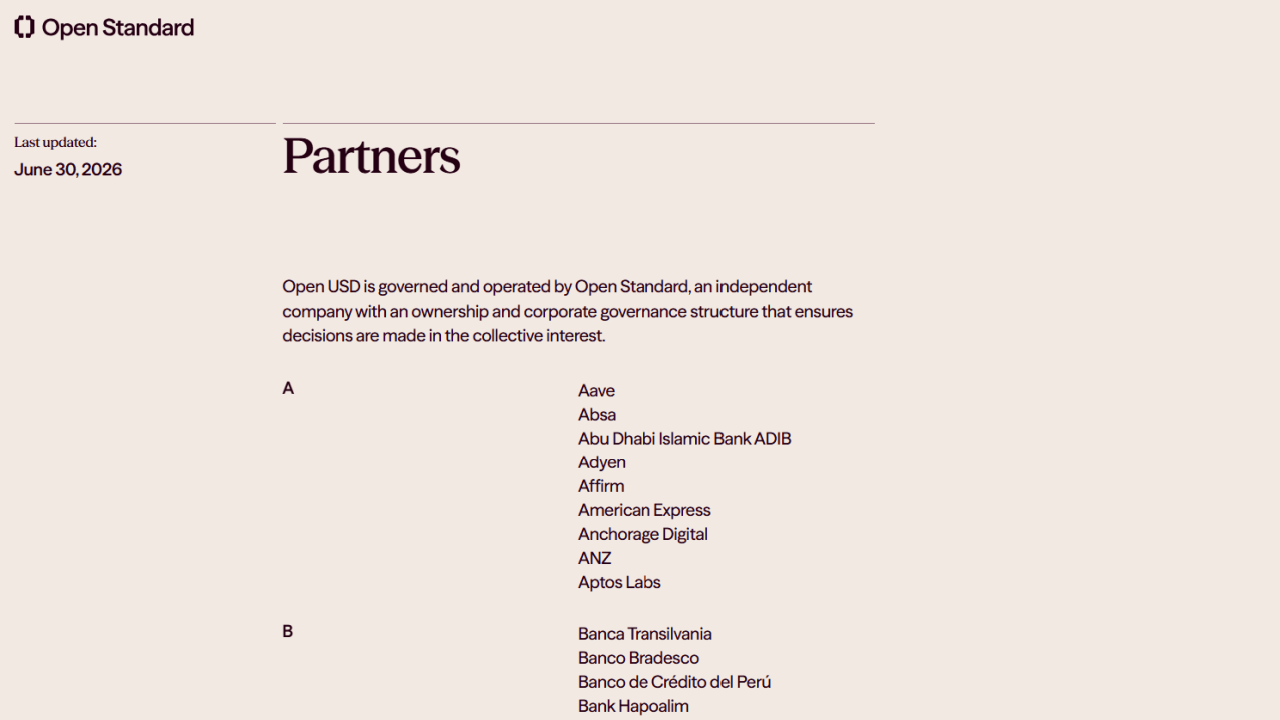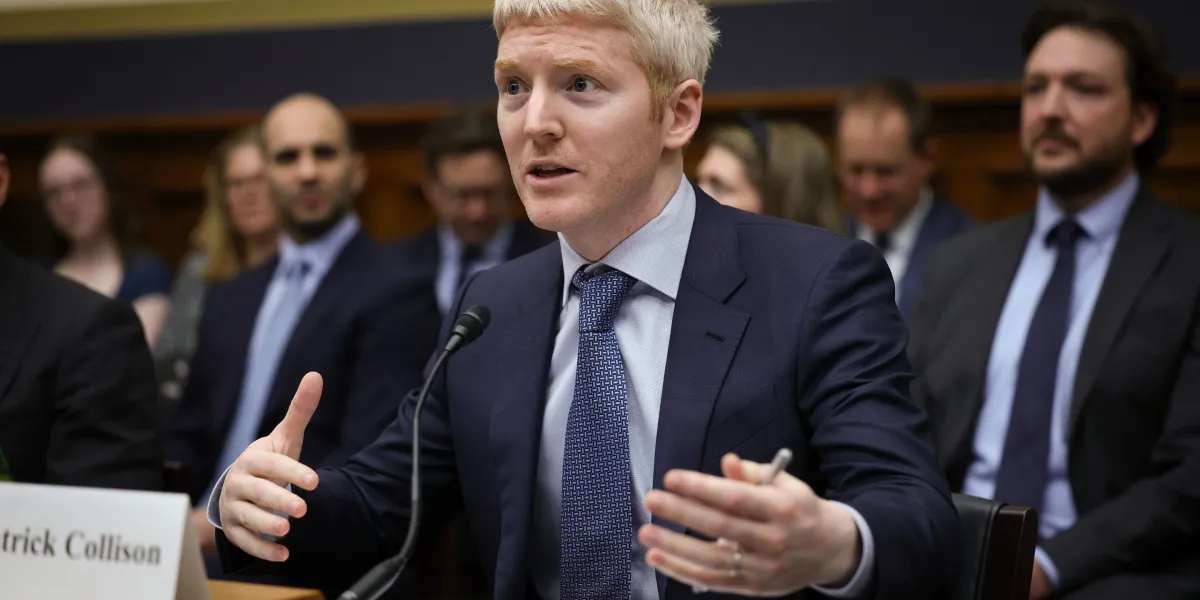
For context, Open Standard announced OUSD last month and said it plans to launch the stablecoin within the year. Open Standard described OUSD as a dollar-pegged stablecoin supported by a large global consortium of about 140 finance and payments companies.
In Korea, the listed participants reportedly included Samsung Electronics, Dunamu, Shinhan Financial Group (SHG), KakaoBank, Kbank, Hyundai Card, KB Kookmin Card (KB), BC Card, Hana Card, Samsung Card, Woori Card (WF), NH Nonghyup Card, and Hanwha. However, several of those companies said that there had been no official consultation or confirmed partnership.
No Formal Talks
For example, a Samsung Electronics official said that the company had not held formal talks and did not know what role it would play in the consortium. Shinhan Financial Group, Dunamu, and Kbank also said that Open Standard had only asked whether they were willing to review possible participation. One corporate official even said that they only learned through news reports that their company had been included as an OUSD consortium member.
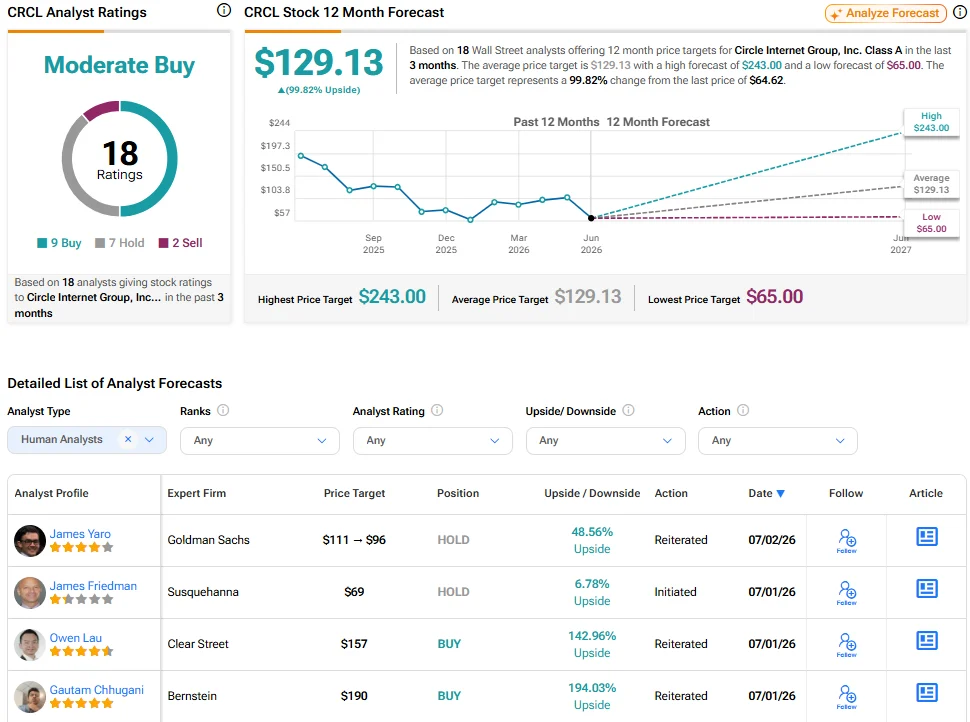
Nevertheless, it seems like a messy start for a stablecoin that is positioning itself as a potential challenger to Tether’s USDT (USDT-USD) and Circle’s (CRCL) USDC (USDC-USD). Unlike those models, where a single issuer manages reserves and keeps much of the reserve income, Open Standard says OUSD would distribute most reserve-management revenue to network partners after small operating fees. Participating companies would also be able to mint and redeem OUSD without fees or limits.