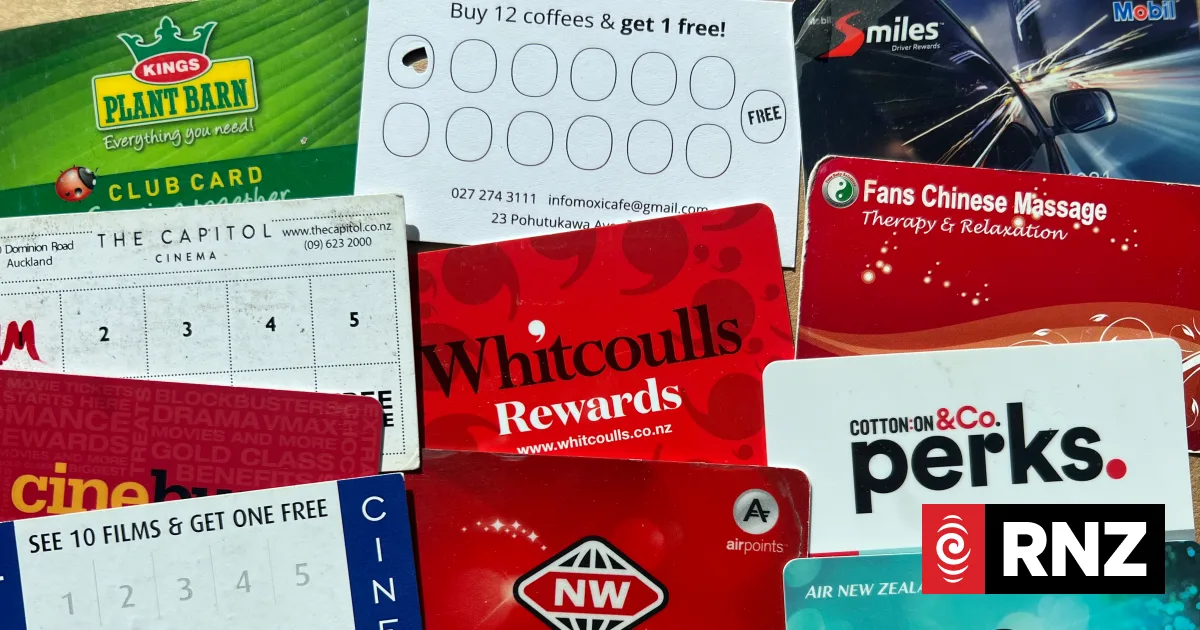
Loyalty programmes are vital to long-term brand building and future spending. So, why are they often overlooked? With marketers juggling a hundred moving parts, it’s easy to rely on discount after discount for promotions. Yet, a recent report from Talon.One found that 55% of consumers say constant discounting trains them to expect money off, and makes them less likely to ever pay full price.So, how can marketers avoid the discount death spiral and get more ambitious with loyalty programmes? In partnership with Talon.One, Campaign brought together marketing leaders and customer experience experts to hear about loyalty strategies that work – and some that don’t. Welcome to the death spiralOur experts agreed on one thing from the very start: in isolation, there is nothing wrong with offering discounts. Everyone loves money off. But with Talon.One’s research finding that 51% of consumers want promotions that go beyond a basic discount, it’s clear that consumers expect more to remain loyal to a brand. “When a brand starts giving out discounts and they don’t add another exclusive factor to it, people just wait until the next discount comes before making their purchasing decision,” says Andreas Schwemmer, VP global sales at Talon.One. “The more this happens, the more you erode your brand, the more your pricing power is lost and the more you cut your margins.”Seb Dreyfus, managing director, EMEA at Sparks, says we see so many discounts because getting loyalty right is undervalued by too many brands. “It’s an intrinsic business necessity for growth, retention and, ultimately, for revenue engagement,” he says. Give loyalty the respect it deserves Brands must “live and breathe loyalty programmes and promotions across all touchpoints”, says Lisa Johnstone, director of priority, loyalty & rewards at Virgin Media O2. She continues: “A lot of brands think loyalty programmes are just a mechanic. For me, loyalty is about giving real value back to customers. A programme should be a physical manifestation of your brand promise.” Johnstone, who was head of loyalty at Sky, says a common barrier to building ambitious loyalty strategies is that return on investment often isn’t seen for a year or two. Therefore, buy-in from the executive team is crucial. “When I worked at Sky, I got sponsorship from the CEO to build loyalty into the infrastructure, build the data, get the APIs sorted, connect it to every channel and every lifecycle moment and go after amazing brand partnerships,” she says. “Once we brought that together, that’s when it really started to drive growth and retention for the business.” Your loyalty playbookTalon.One’s report found that 48% of consumers find promotions irrelevant. For Jake Finch, global head of customer experience at SharkNinja, this demonstrates that brands aren’t getting the basics right, such as meeting their audience where they are. “Show up where the customer is,” he says. “You want to do an ‘ask me anything’ on Reddit? We’ll show up and be where you want to be and have that conversation with you. We look at every opportunity to speak to a consumer as an opportunity to turn them into a fan.” Andy Wells, VP of growth marketing at DoorDash, says the brand aligns itself with passionate communities because that’s where fandom is at its peak. “We surround ourselves with dedicated, fierce, loyal communities, such as sports teams or leagues, or even other brands that have a loyal following, because that drives both trust and engagement with your own community.” The panel strongly agreed that customers are craving real-life experiences, particularly in an increasingly digital world. “People want to be in the moment, they want to know it’s authentic, and they want to be with their family or their fandoms,” says Johnstone. As well as authenticity, consumers love to get their game faces on, with 55% of respondents in Talon.One’s report saying they take part in gamified promotions (think the McDonald’s wildly successful Monopoly promotion). “Brands should look to replace points with play,” says Julia Kamoda, global director of promotions & partnerships at Hasbro. “I love Vitality’s gamified programme, where the more exercise you do, the more great stuff you get.” Understand your brand, know your customerBeing able to show up where your customers are and offer them a relevant, authentic, real-life experience relies on building a clear, nuanced picture of them. Without that, brands won’t be getting out of the discount death spiral any time soon. “For us, it’s all about data and identity,” says David Novak, global head of CRM at Merkle. “It’s really knowing who an individual is, and that doesn’t just mean what they’re buying, but also emotional connections they have and how deep their fandoms are.”Schwemmer agrees that there’s no substitute for knowing your customer as intimately as possible to retain their loyalty, but brands must also know their own purpose. “Really understand who you are as a brand, what value you provide to your customer and how you meet them where they’re at for the product or the experience you create,” he says. “If you bring this together, you take away the reason for people to change to a different brand.”Panellists Beau Jackson, media editor, CampaignNuno Bamberg, senior VP, brand & marketing, Sleep CountryMatt Burbridge, global head of solution partners, Talon.OneAlexandra Doherty, head of marketing, Talon.OneSeb Dreyfus, managing director, EMEA, Sparks Jake Finch, global head of customer experience, SharkNinjaLisa Johnstone, director of priority, loyalty & rewards, Virgin Media O2 Julia Kamoda, global director of promotions & partnerships, HasbroPaige Grossman, VP, global creative & brand marketing, AncestryDavid Novak, global head of CRM, MerkleAndreas Schwemmer, VP global sales, Talon.One Sally Sheppard, director of marketing, stadium revenue and fan experience, Manchester City WomenAndy Wells, VP, growth marketing, DoorDash
The brands escaping the discount trap
From fandoms and experiences to personalisation and gamification, marketers reveal how they're creating loyalty that customers value and competitors can't easily copy.
942 words~4 min read