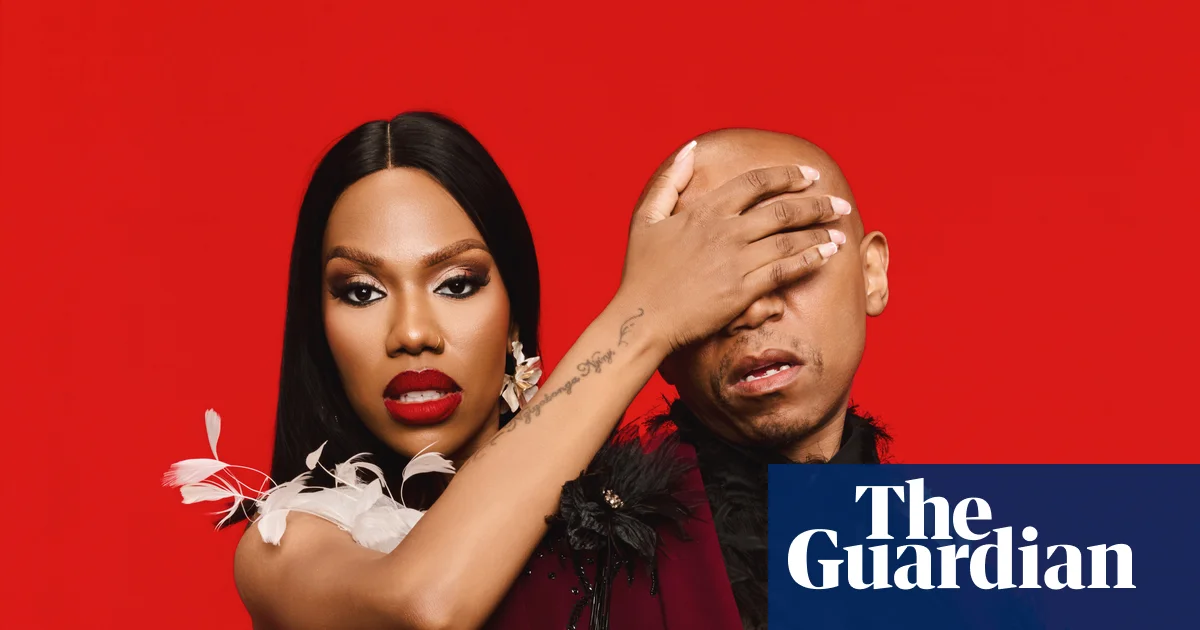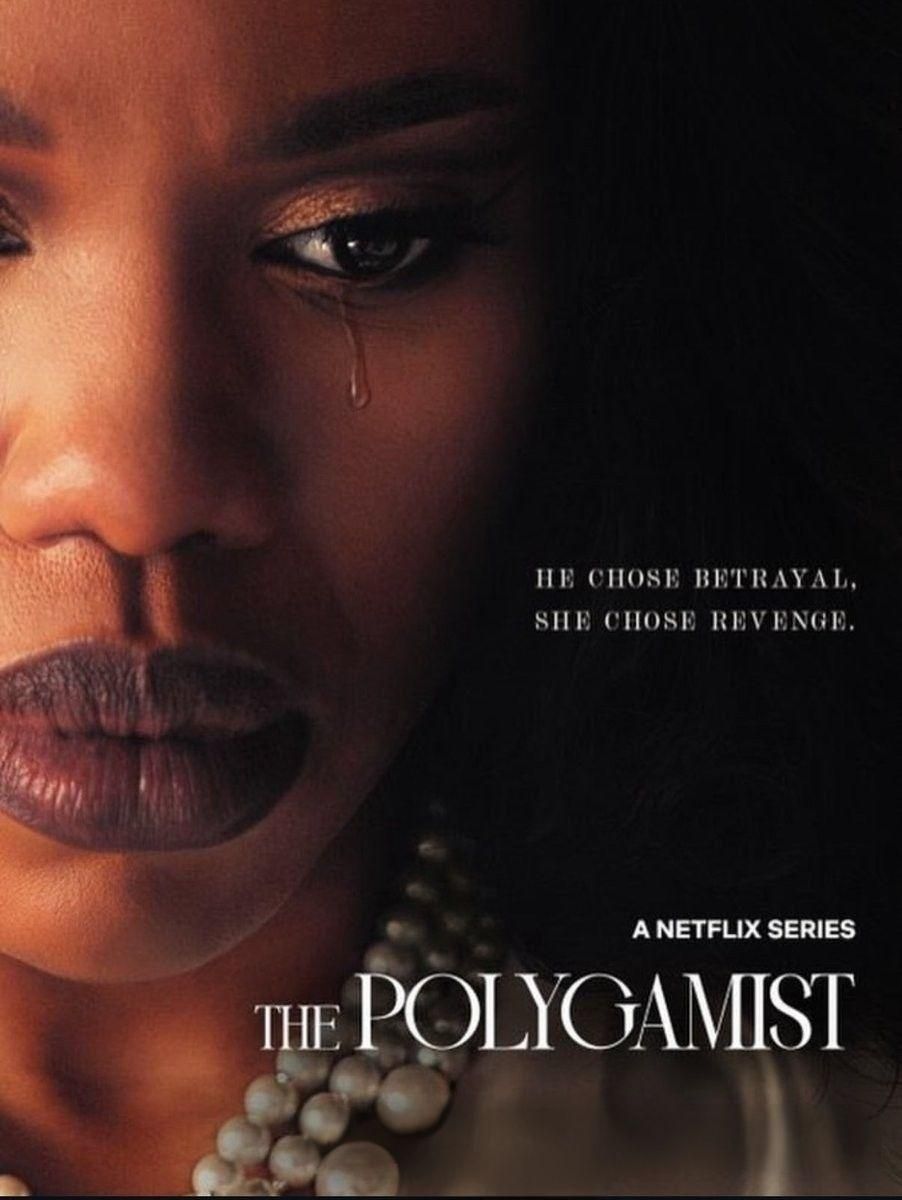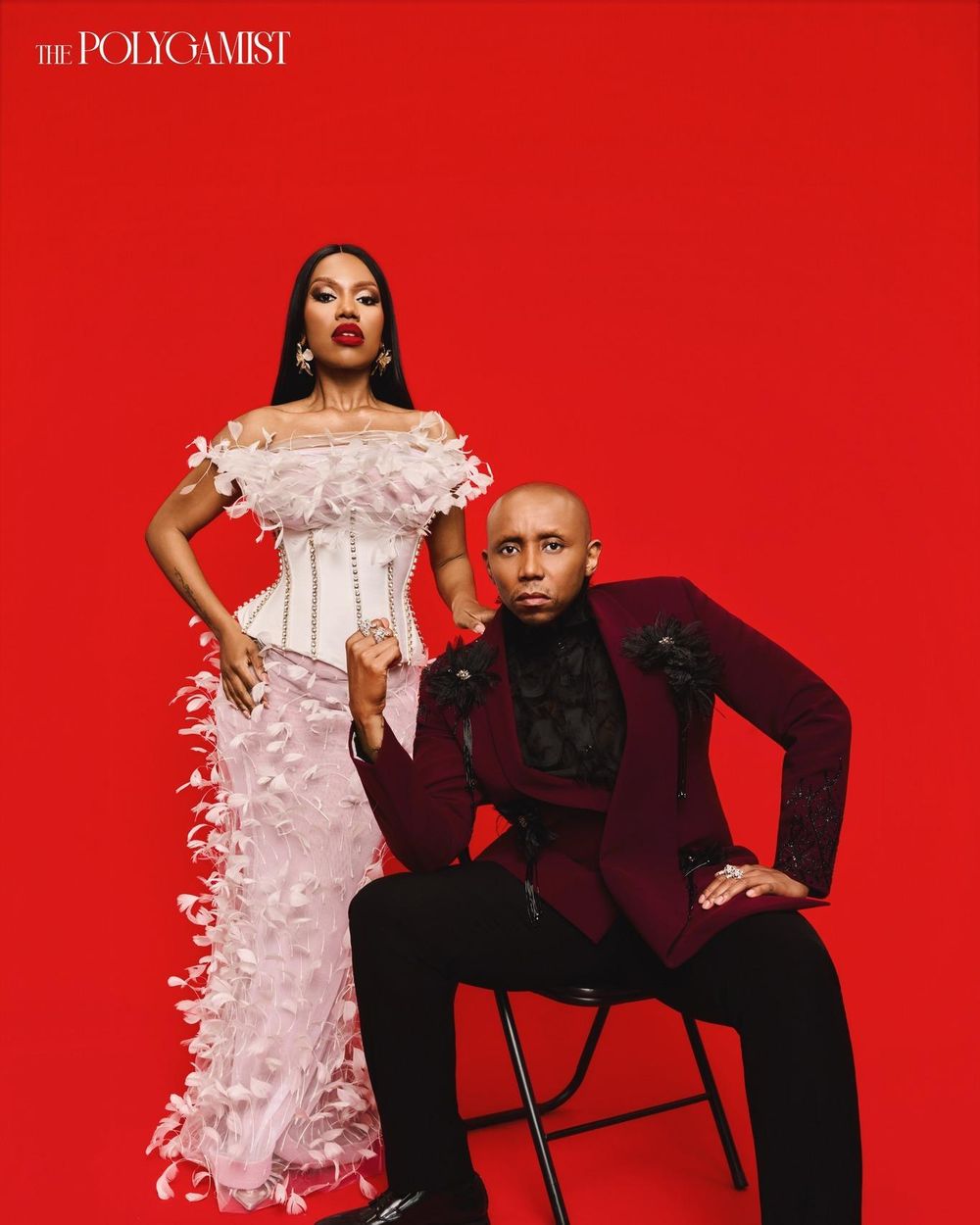
The Polygamist is a Netflix series that has soared up the streaming platform’s charts and triggered a global conversation about men who cheat in relationships.
It tracks the fatal ruptures in what seems like a successful upper class family, the Gomoras. Although the story plays out in South Africa, the production is a more Africa-wide affair, directed by Nigeria-born film-maker Akin Omotoso and adapted from Zimbabwean author Sue Nyathi’s self-published novella.
The story opens at the funeral of Jonasi Gomora, a self-made man and charismatic banking executive. Flashbacks reveal how his respectable and carefully constructed life falls apart when his social influencer wife Joyce finds out about his secret second wife, his mistress, and several other relationships.
On the surface, The Polygamist shows how the insatiable drive for power and pleasure destroys the hopes of Black success that are meant to be the fruits of democracy, education and class advancement in South Africa after apartheid formally ended in 1994.
I am a sociologist who studies intimacy in Black communities. In a recent book I edited, I analysed how themes like the ones explored in The Polygamist – money, social class and intimacy – often create conflict between traditional values and modern notions introduced by colonial systems.