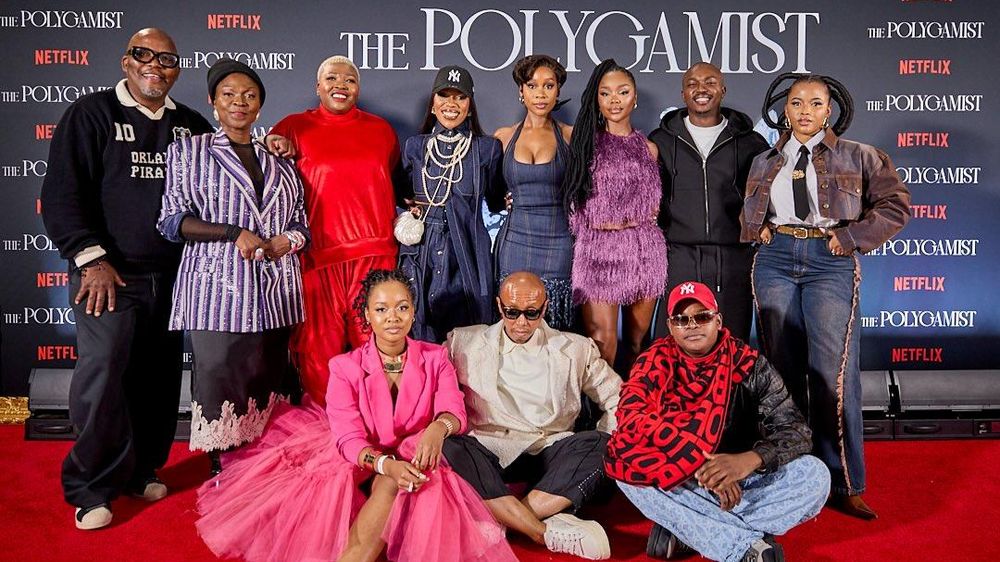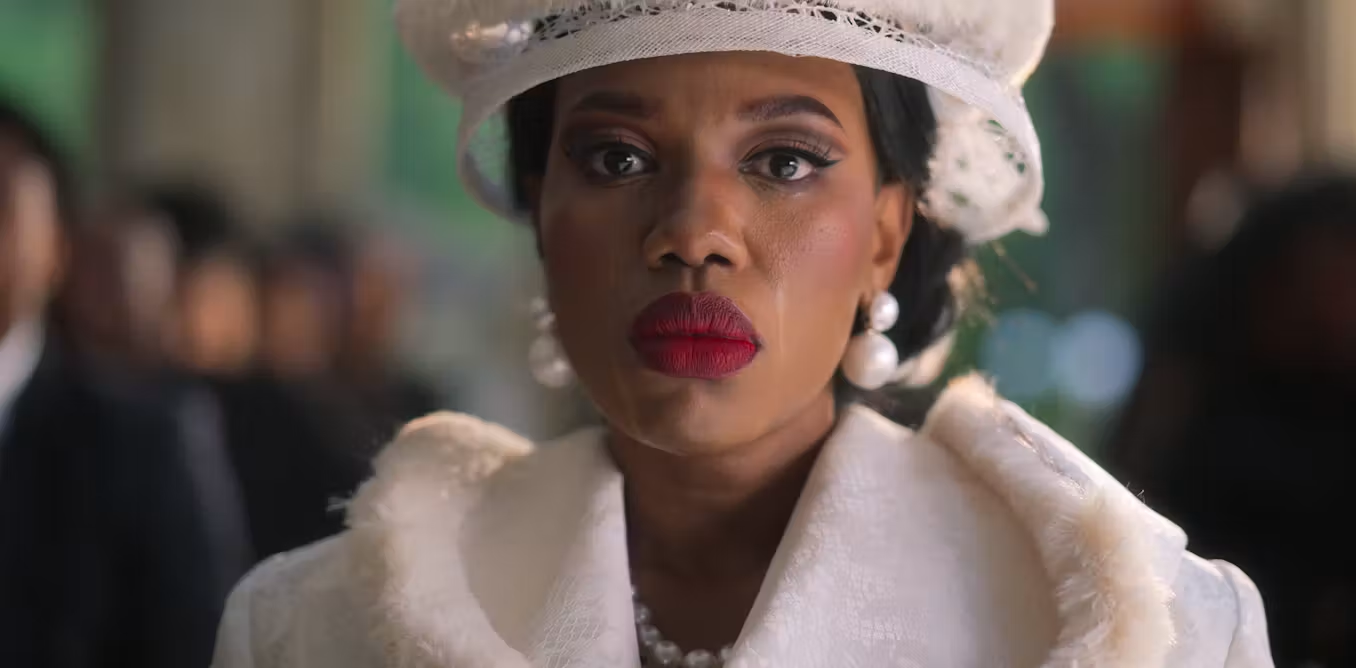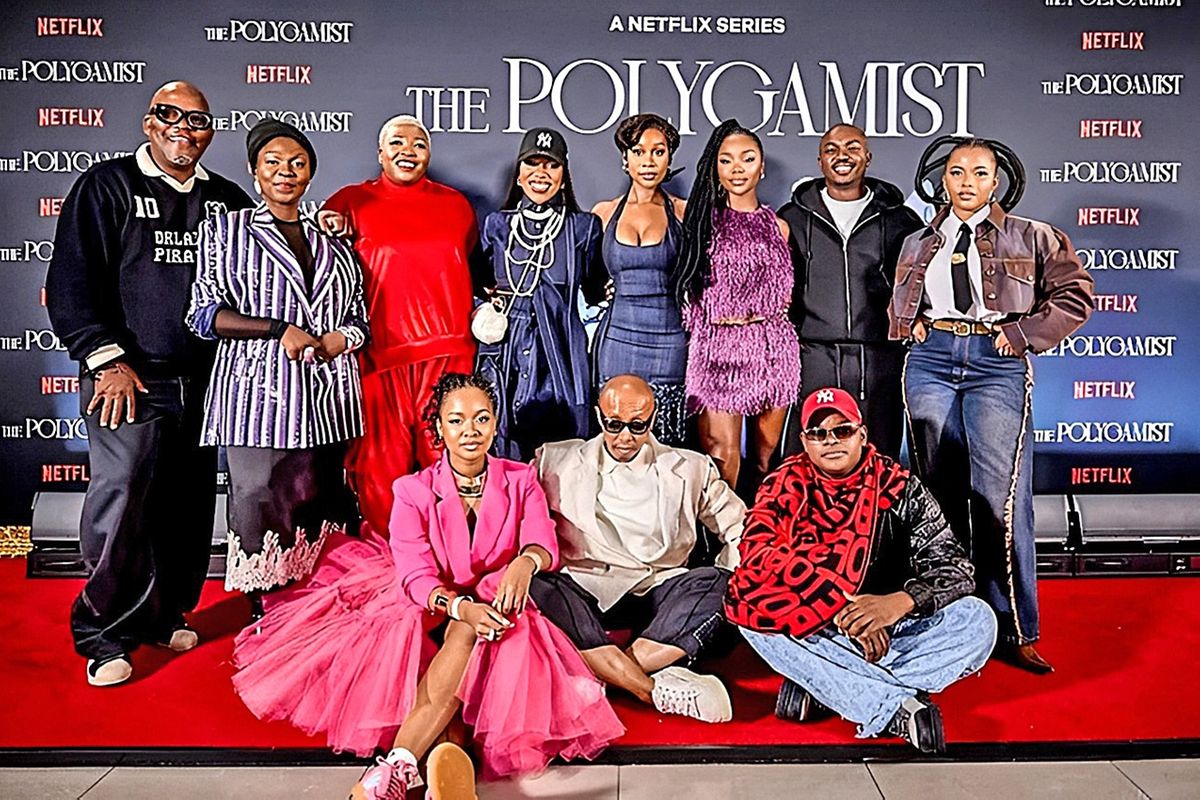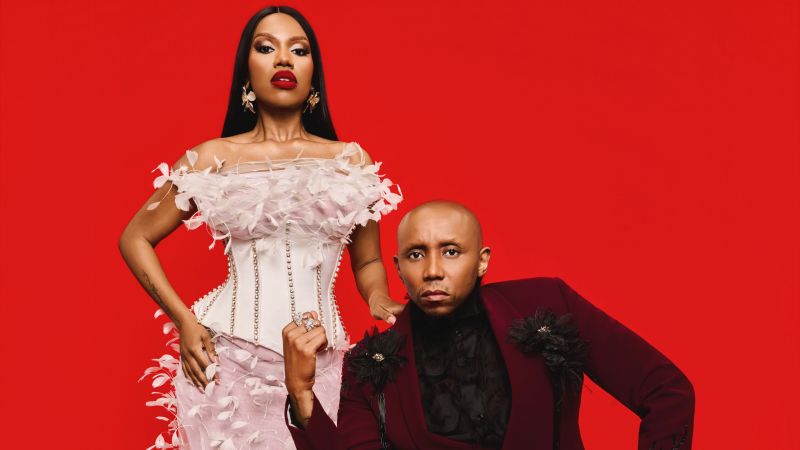
Many local television productions make their way onto screens, but only a few manage to truly capture public imagination and spark conversations that extend far beyond South Africa’s borders.
In just days since its Netflix debut, The Polygamist has become one of those rare productions. It has dominated social media timelines, drawing viewers into its emotionally charged storytelling and complex relationships. I found myself equally gripped by its narrative, both for its strong writing and the way it forces you to sit with uncomfortable, familiar truths. It’s a show that is well cast, well executed and difficult to look away from.
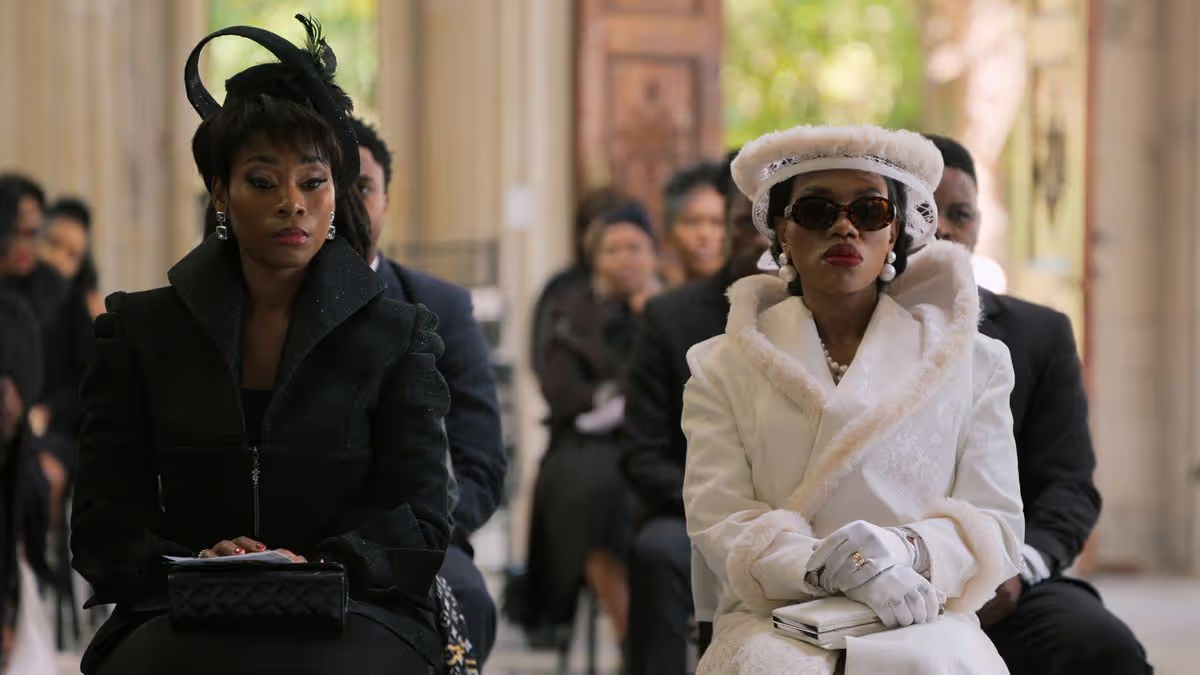
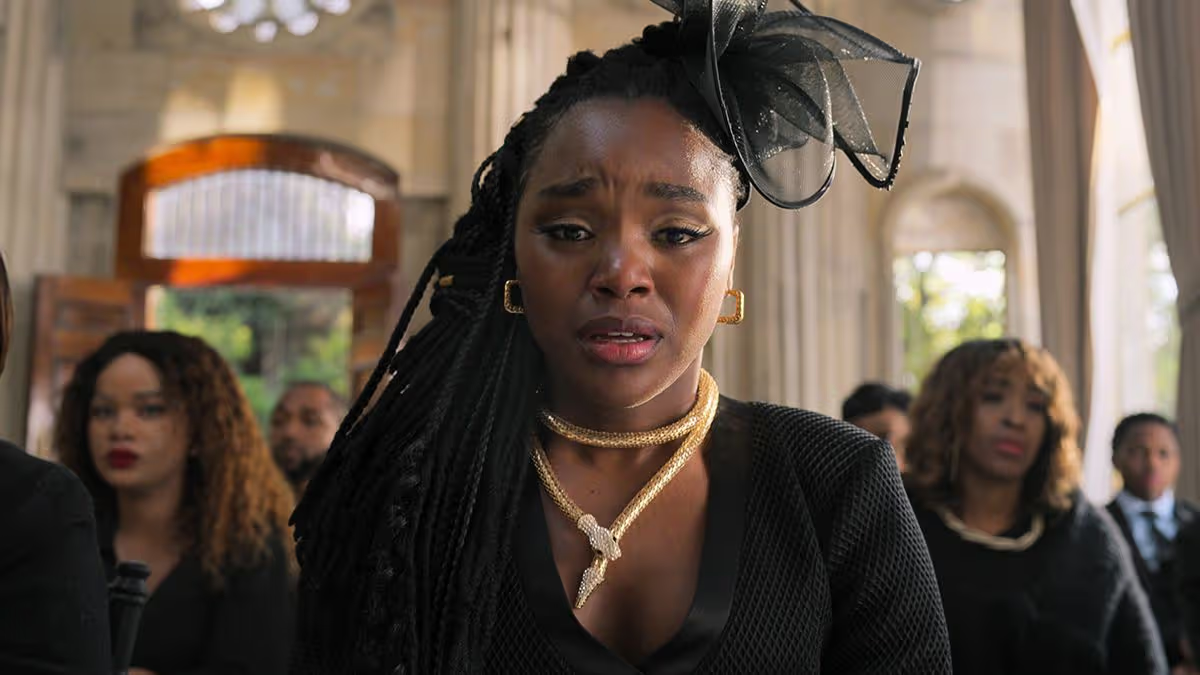
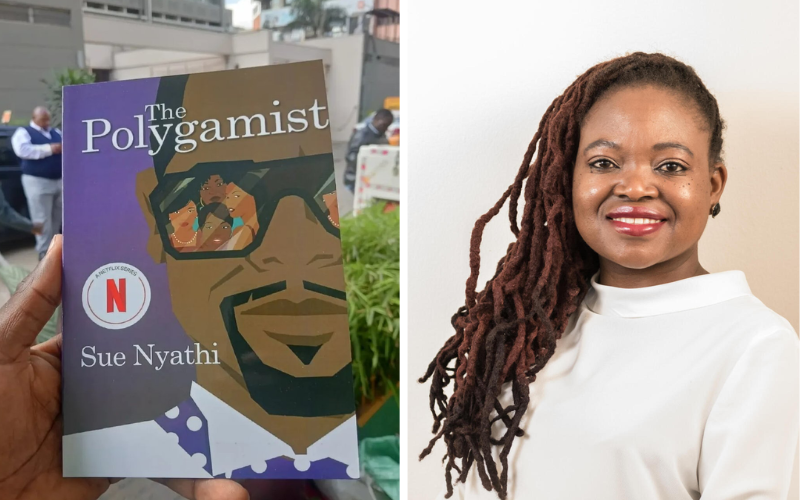
The Polygamist, the television adaptation of the novel by Sue Nyathi, centres on four women whose lives become entrapped through one man, Jonasi, a wealthy businessman whose power and charm pull everyone into his orbit.
What makes the story compelling is not just the love triangle, or rather, love square, but how each woman represents a different form of hope, survival and compromise.
Joyce, the first wife, lives in comfort and believes her marriage is secure until that illusion begins to crack. Matipa refuses to accept being “the other woman” and actively fights for a place she believes she deserves. Essie, the quiet second wife, embodies loyalty and emotional endurance. Lindani, on the other hand, enters believing Jonasi is her escape route, only to find herself pulled into a far more elaborate reality.