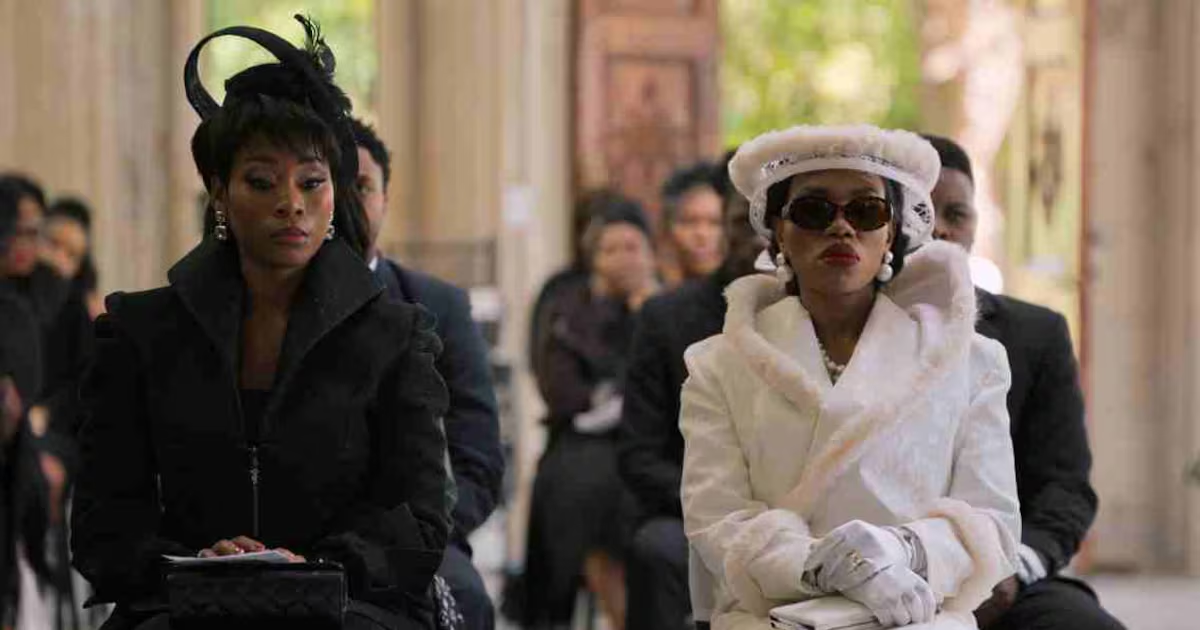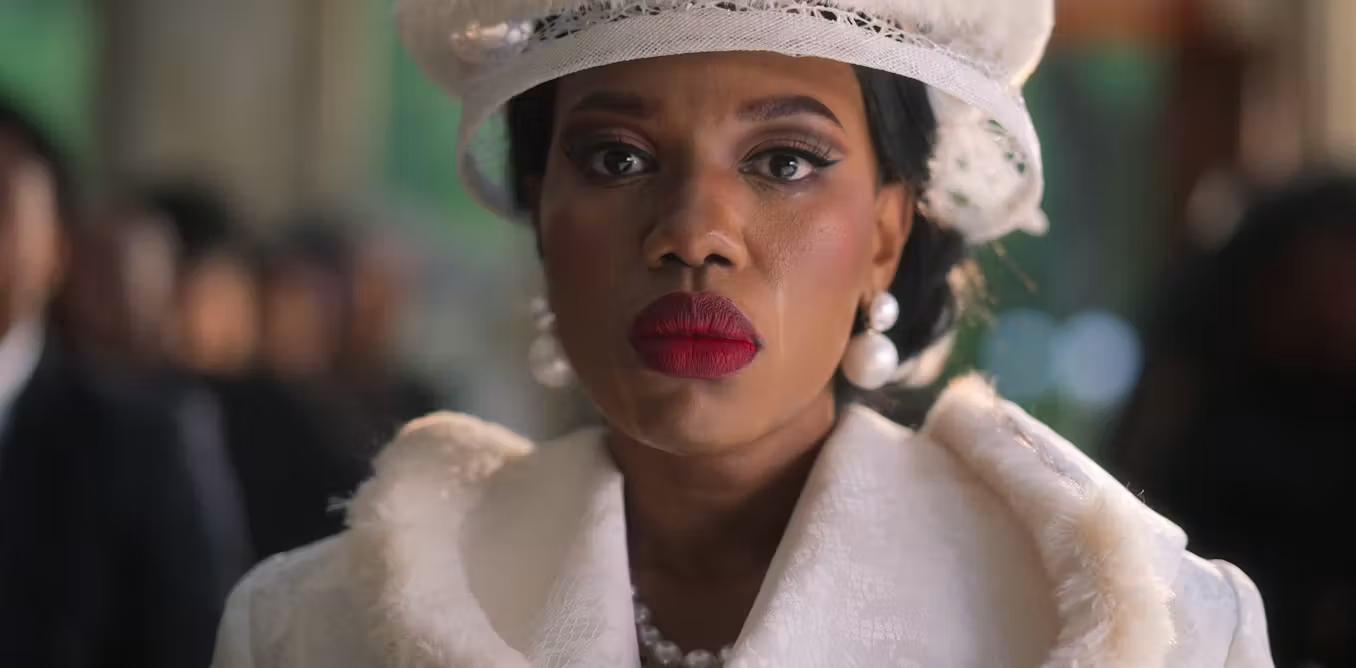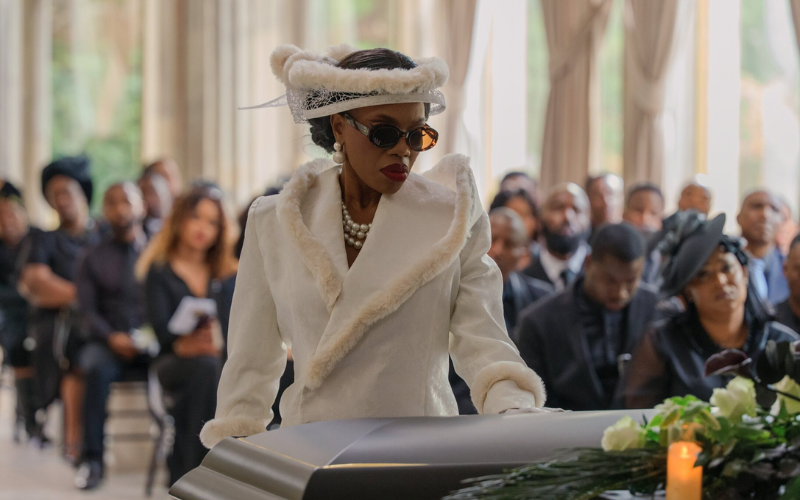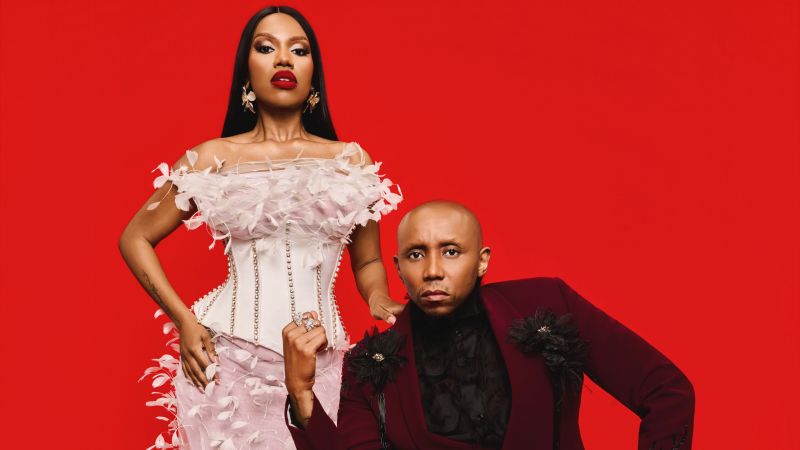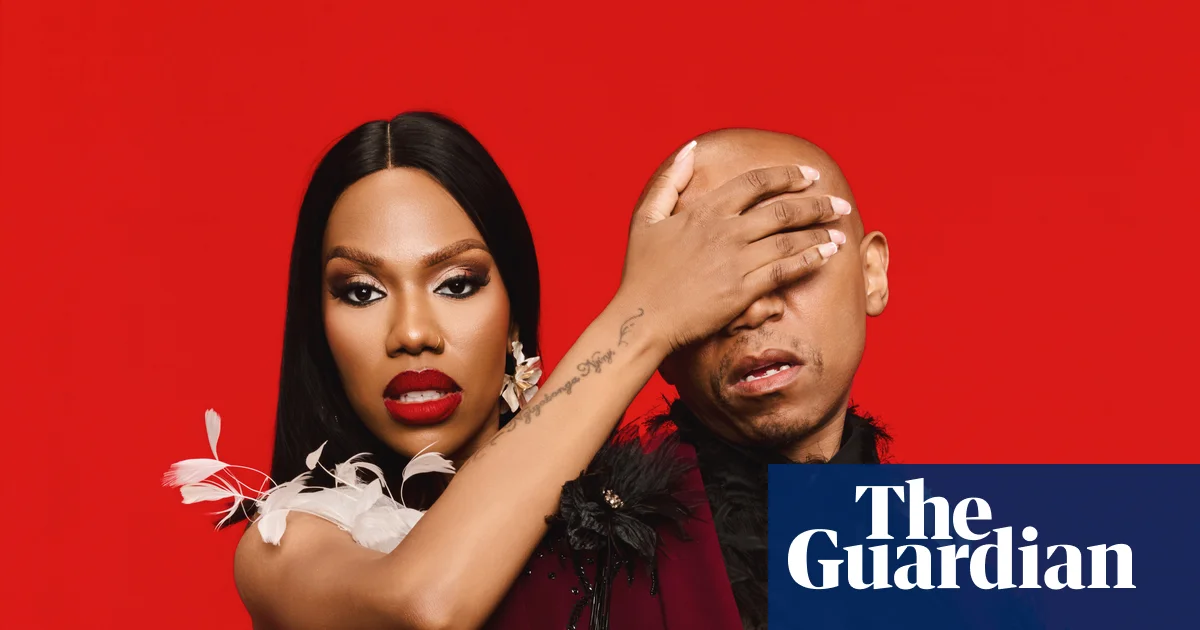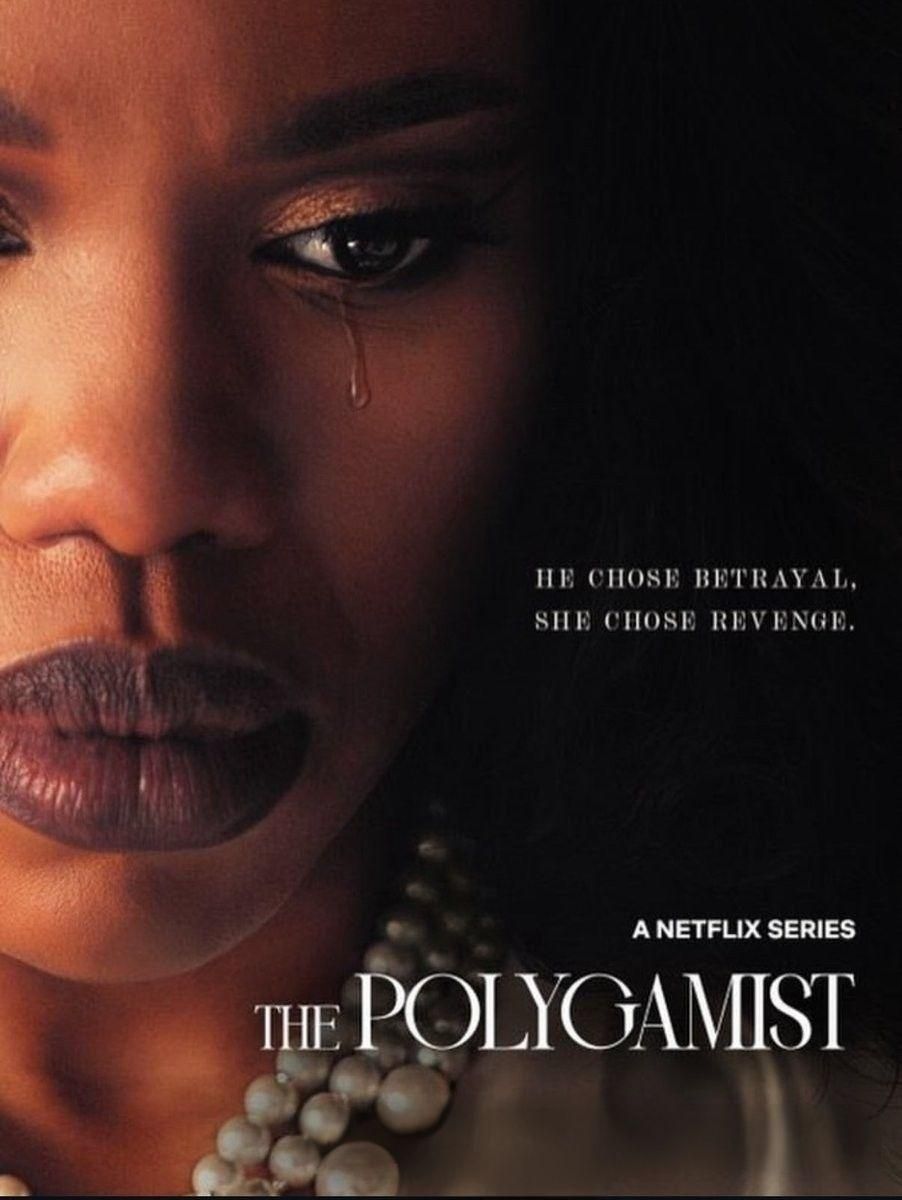
The Polygamist The Netflix series has been getting great reviews globally. The writer argues that fiction authors have artistic expression.
Opinions can be fascinating. The further they drift from fact, the more absurd they often sound.
Across South Africa, the African continent and even beyond, audiences have been captivated by Netflix's The Polygamist, a series based on Zimbabwean author Sue Nyathi's novel of the same name. Credit must go to the South African production company, Stained Glass, and the talented cast who have delivered a world-class production that has set social media ablaze and sparked intense conversations about patriarchy, infidelity, sexuality and the consequences of deceit.
As expected, the series has attracted criticism. Some viewers argue that it misrepresents polygamy as practised in many African communities. That criticism is not entirely without merit. The central character does not enter into multiple marriages through recognised cultural processes, customs or traditional obligations that often accompany polygamous unions in many societies.
However, there is a critical detail that many critics appear to overlook; the series is a work of fiction.