When conversations about the future of transportation come up, they often centre on the vehicles themselves: electric cars, hybrid technology, longer driving ranges, and smarter features. However, the future of mobility is about much more than what people drive. It is about the infrastructure that supports ownership, like the confidence customers have in new technology. The availability of skilled technicians, genuine spare parts, dependable after-sales service and trusted local partners who understand the realities of the market.
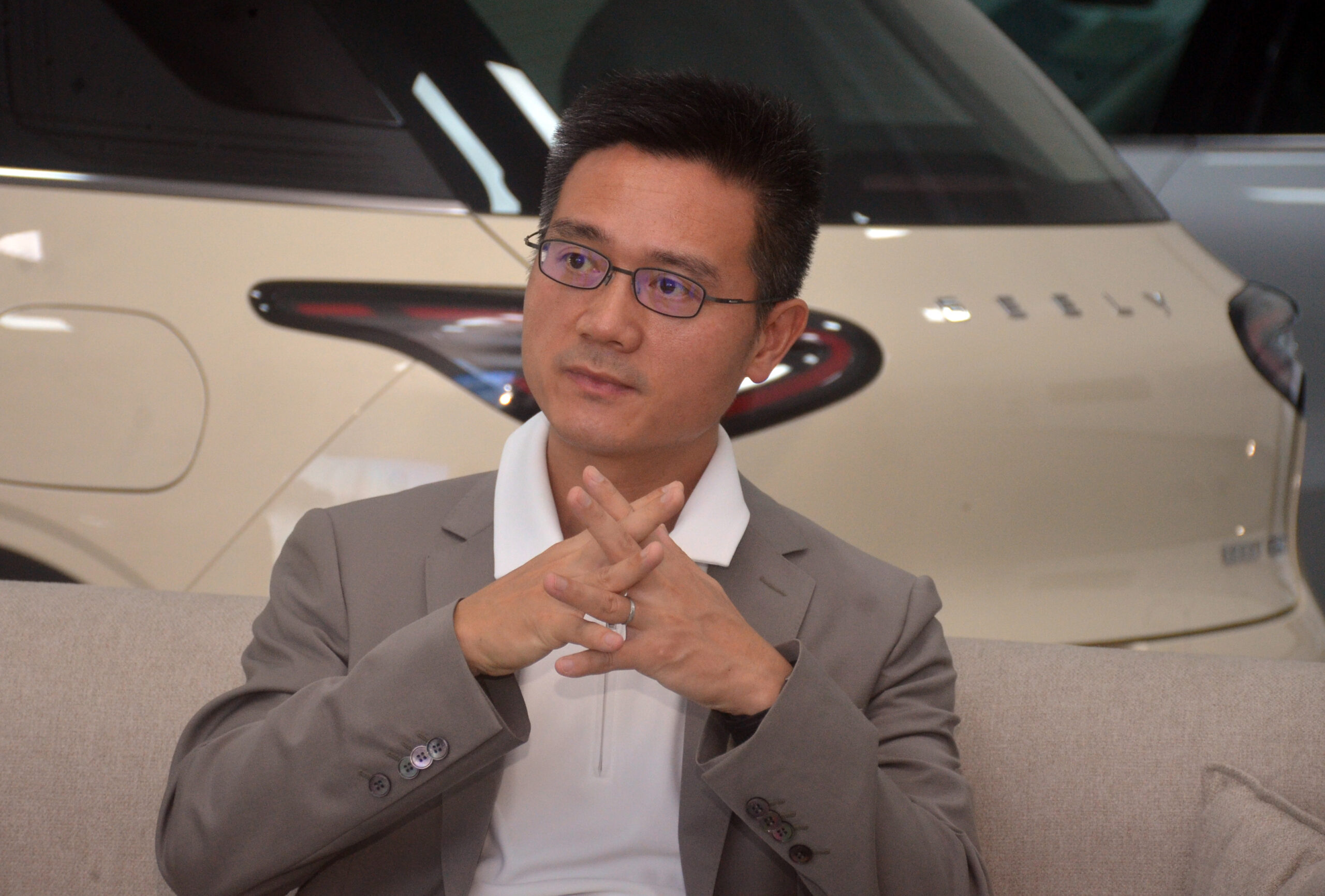
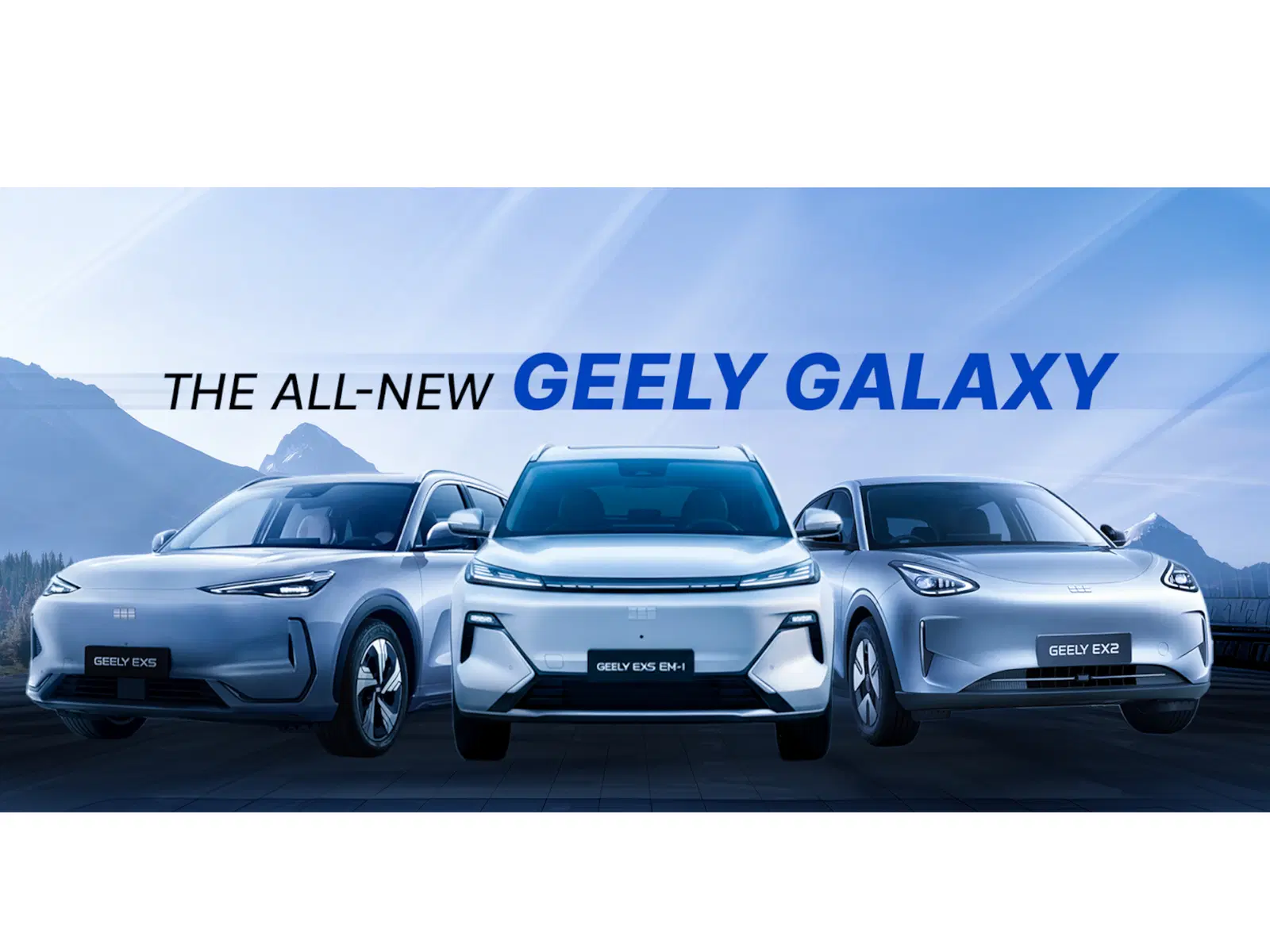
That broader vision was at the heart of TIM Motors’ official launch of the Geely Galaxy lineup in Nigeria, where the company unveiled three new-energy vehicles, the Geely EX5, Geely EX5 EM-i and Geely EX2, under the theme “Powering the Future.” While the event introduced Nigerian consumers to one of the world’s fastest-growing new-energy vehicle brands, it also made something equally clear: TIM Motors is not simply introducing new cars into the market. It is clearly investing in the future of mobility in Nigeria because Nigeria’s automotive landscape is evolving rapidly.
Vehicle ownership has become increasingly shaped by rising fuel prices, higher maintenance costs, and other economic realities contributing to the growing need for efficiency, encouraging consumers to look beyond traditional motoring. At the same time, a younger, more technology-conscious generation of drivers is redefining what they expect from a vehicle, since connectivity, intelligent safety systems, lower operating costs and everyday convenience have become just as important as performance and design.