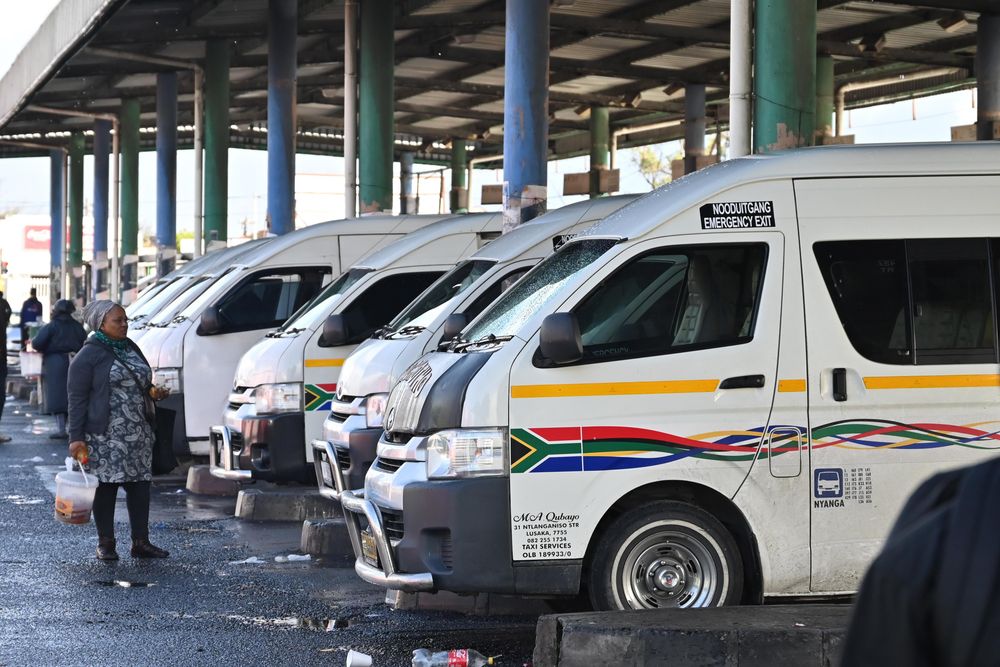
Ride-hailing operators in South Africa chose to proceed with business as usual on Tuesday as the June 30 anti-migration protests continued, making adjustments to certain routes while pushing for drivers to stay safe. The vigilante movement March and March, with more than 20 allied organisations, has spent months organising marches through Johannesburg, Pretoria, Durban and Cape Town culminating in people taking to the streets on Tuesday. Safety in the transport industry has become a hot-button issue, with commuters increasingly choosing their mode of travel based on security concerns. Since e-hailing took hold in South Africa a decade ago, the tension between drivers on the platforms and legacy metered taxis has dominated headlines. Linked to this have been safety concerns for consumers, with various reports over the years of people being attacked and violated.The sector has a large proportion of workers who are foreign, making it a potential target. Despite the threat, ride-hailing companies joined other transport operators, including the taxi industry, in continuing to operate as normal. Yet, safety remained top of mind for the operators. The National E-Hailers Federation of South Africa (Nefsa) said many ride-hailing drivers will continue working during the June 30 protests, though some chose to stay home over safety concerns.Sbu Ngwane, senior GM at Bolt South Africa, said: “The safety of our drivers and riders remains our highest priority. “In preparation for the planned march, Bolt has issued stay-safe communications and educational messaging to raise awareness and remind users of the safety features available within the Bolt app.”Nefsa spokesperson Stella Masagale told Cape Talk that drivers were advised to avoid areas such as Cape Town International Airport, OR Tambo Airport and King Shaka Airport. Bolt said it has temporarily deactivated its airport dispatch areas, or waiting bays, to discourage drivers from congregating in large groups as an additional precaution. However, “trips to and from airports remain fully operational”, said Ngwane. Uber, the country’s largest operator, said drivers can choose whether they want to work on the day. “Drivers and delivery people who use the Uber platform independently decide when and where to go online, and we encourage them to prioritise their safety at all times,” an Uber spokesperson said in a statement sent to Business Day. “They can decline or cancel trips or deliveries where they feel unsafe without penalty. We continue to monitor developments closely, engage with the relevant authorities where appropriate, and may make temporary operational adjustments where necessary. We also encourage use of our in-app safety features, including the emergency button, which provides quick access to emergency assistance when needed.” Elsewhere in the driver gig-economy, Checkers told its clients that the Sixty60 grocery-delivery service may be unavailable in certain areas on June 30 due to safety concerns.
Ride-hailing services continue operating despite June 30 protests
A high share of foreign-national drivers has made the sector a target
455 words~2 min read