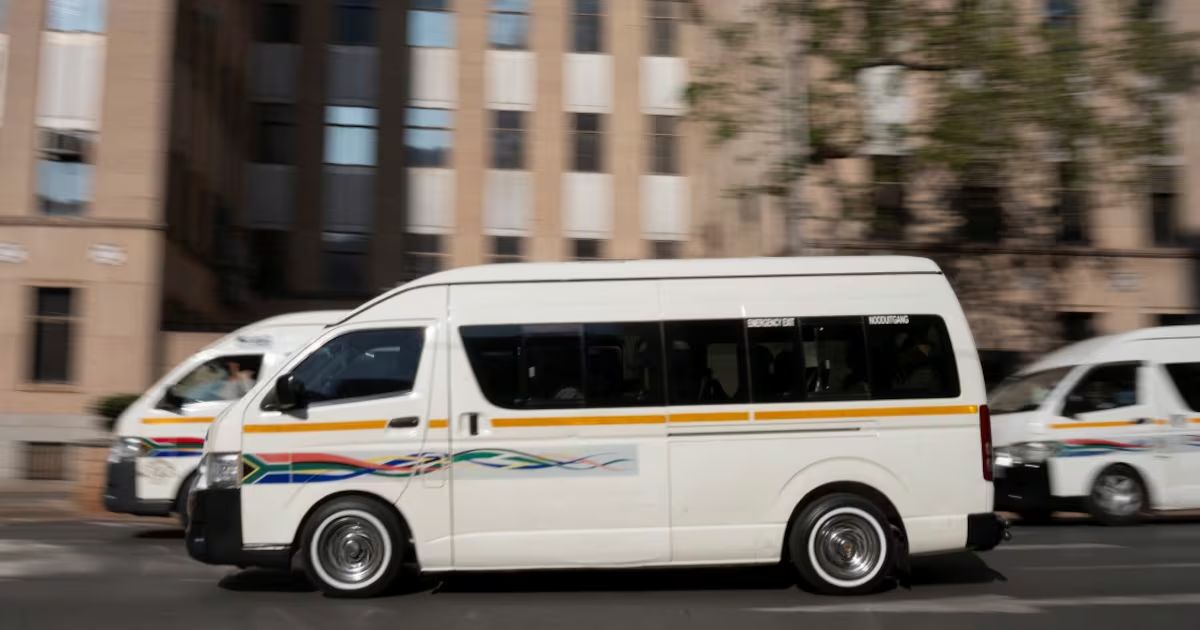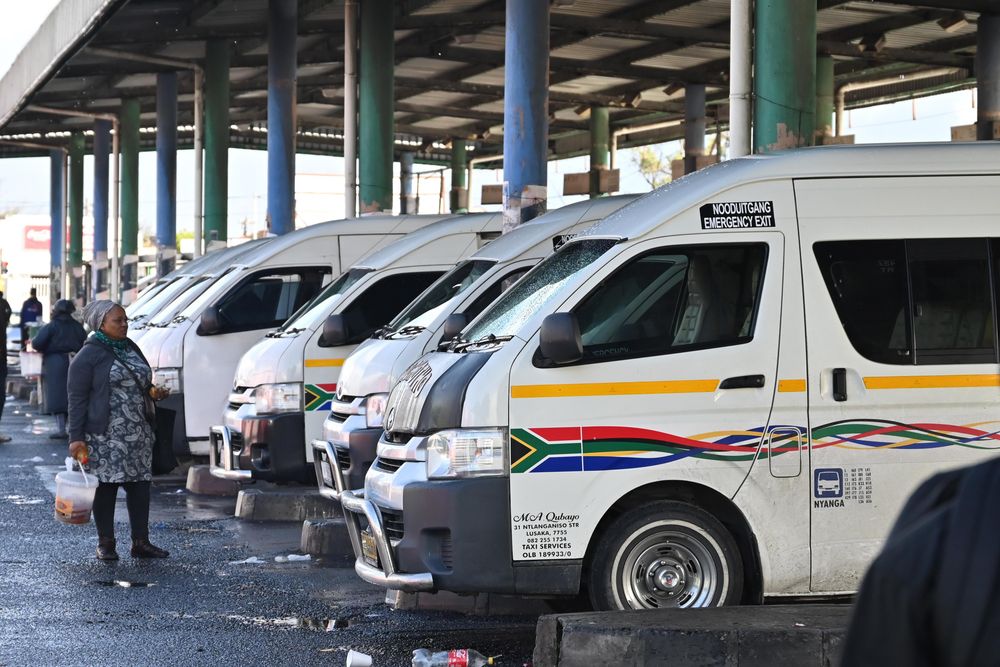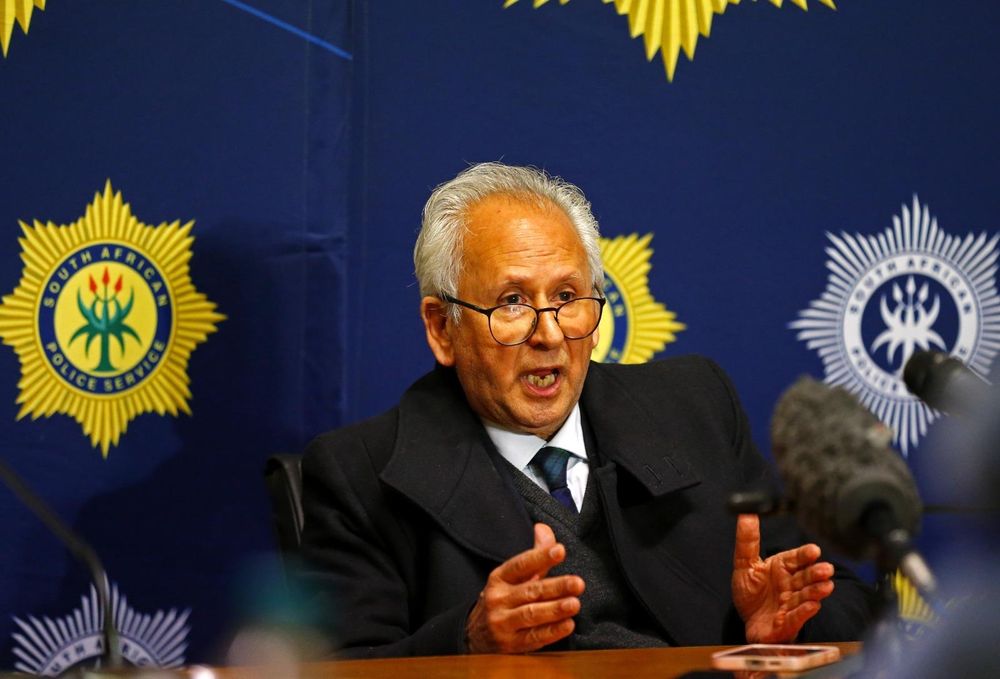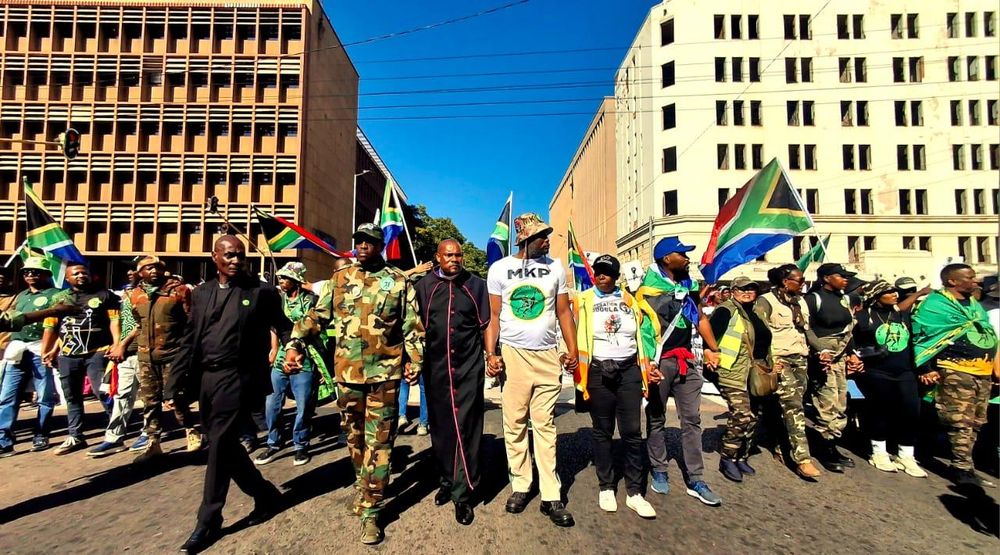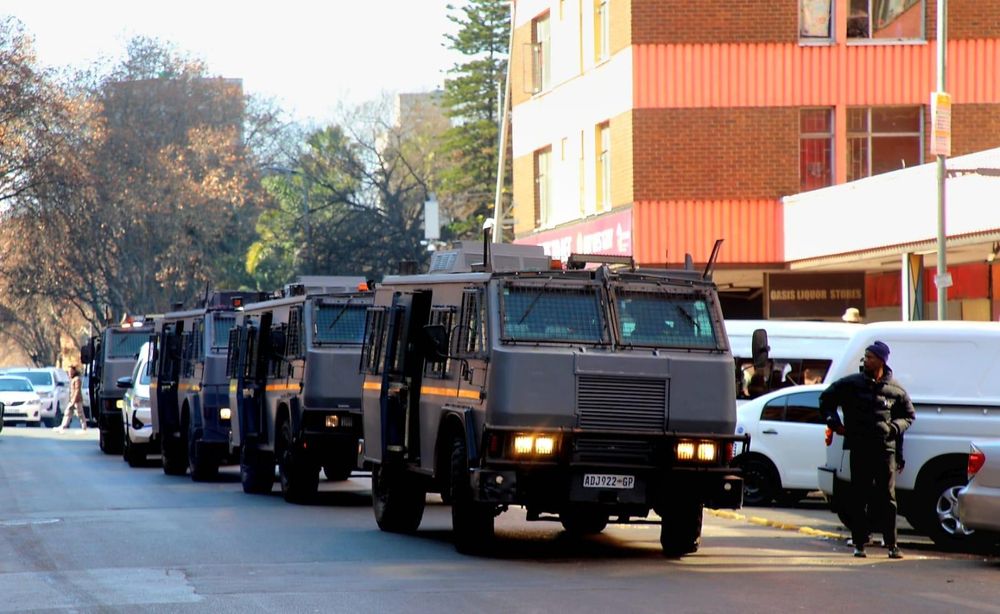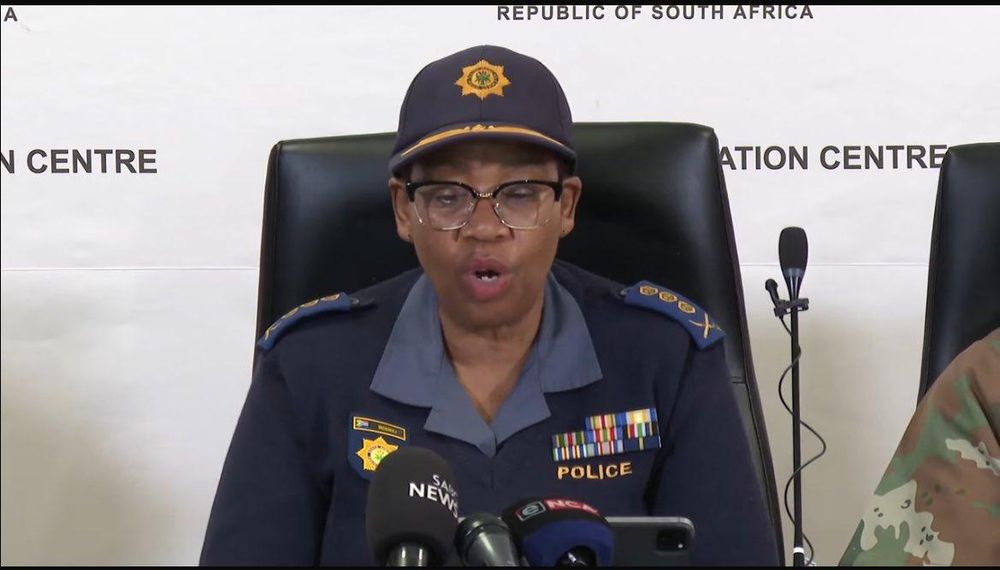
The SA National Taxi Council (Santaco), the largest minibus taxi organisation in the country, has distanced itself from security concerns regarding planned anti-migration protests, saying while taxis would operate normally on Tuesday, commuter safety fell under law enforcement agencies. In a media briefing in Johannesburg on Monday, ahead of the June 30 deadline by anti-migration group March and March for foreigners living in the country to leave, Santaco president Motlhabane Abnar Tsebe said that “tomorrow [Tuesday] taxi services will operate across the country … [but] safety concerns are not our issue”, as the police would have to deal with that. The minibus taxi industry, the lifeblood of the SA economy which transports more than 16-million people a day, contributes R50bn to GDP annually and spends more than R20bn on fuel a year. The sector employs about 400,000 workers including drivers and taxi marshals, among others. The Santaco media briefing comes as state security agencies have ramped up surveillance and increased police capacity in preparation for the planned demonstrations across the country, with R600m set aside to prepare police to deal with any attempts to undermine public safety. Expected hotspots on June 30:March and March hotspots (Karen Moolman) Santanco and the police leadership held a media briefing last week about the June 30 deadline and its implications for the sector. Tsebe said many expressed disappointment with Santaco for allegedly “siding” with the police. “Santaco is not a law enforcement agency. It’s not an immigration authority. Santaco doesn’t police communities; Santaco transports communities. “Our participation in the recent media briefing by the police was to reassure the millions of commuters that public transport would remain available to them on June 30,” Tsebe said. He called for the demonstrations to be peaceful and free of violence and intimidation, stressing the July 2021 unrest “taught us that when violence takes over legitimate protests”, South Africans suffer through the loss of jobs and economic hardship. “We won’t support lawlessness of any kind. Everyone within our borders deserves to be treated with respect. Instability and hostility have consequences beyond our borders,” Tsebe said. Taxi drivers’ unionMeanwhile, Business Day reported recently that the SA Taxi Drivers Workers Union (Satdwu) had been formally registered with the registrar of labour. This means minibus taxi drivers who joined Satdwu will be represented by the union when it comes to wage negotiations and other conditions of employment enshrined in the Labour Relations Amendment Act, such as embarking on strikes. The move also means the union would have to flex its muscle and rally behind the full implementation of benefits such as the legislated national minimum wage, the Unemployment Fund and Compensation Fund. In a keynote address during the national taxi summit in 2020, President Cyril Ramaphosa said: “We share a common aspiration to see the minibus taxi industry overcome its challenges, adapt in response to the demands of modern public transportation and ultimately grow and thrive. At the heart of all our endeavours is formalisation, regulation and economic empowerment.” Nothing came of Ramaphosa’s formalisation calls, and ANC secretary-general Fikile Mbalula, during his tenure as transport minister, also failed in his efforts to formalise an industry long plagued by allegations of criminal underworld ties and violence. Satdwu founder and general secretary Eric Munyai, speaking to Business Day on Thursday, said the plan was to be the biggest union in the industry and bring about unity and peace. This, he said, would result in the regulation of the sector. “Now that we have received our certificate from the labour registrar, the plan moving forward is to embark on a membership recruitment drive and open offices in all nine provinces and at every municipality in the country,” Munyai said at the time. Business Day
Santaco calls for commuter safety, taxis to operate as normal amid June 30 protests
Ahead of anti-migration protests, organisation says police must carry out law enforcement
620 words~3 min read