Audio By Vocalize
Time to stop billions of shillings and water from going down the drain.
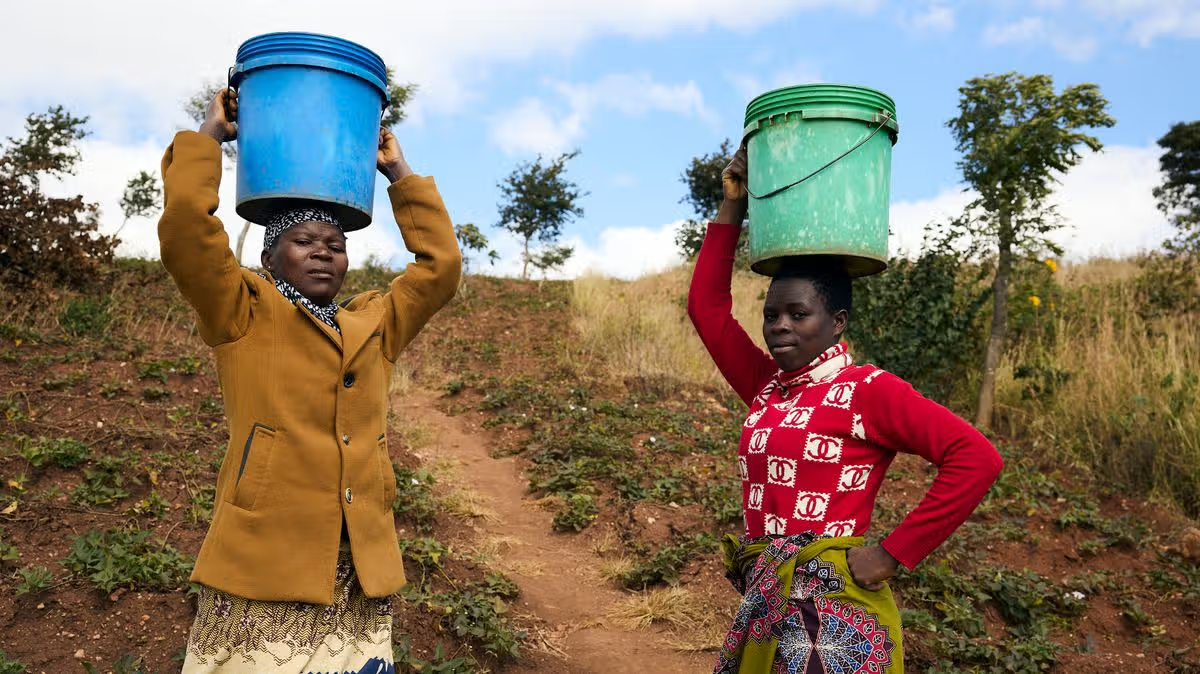
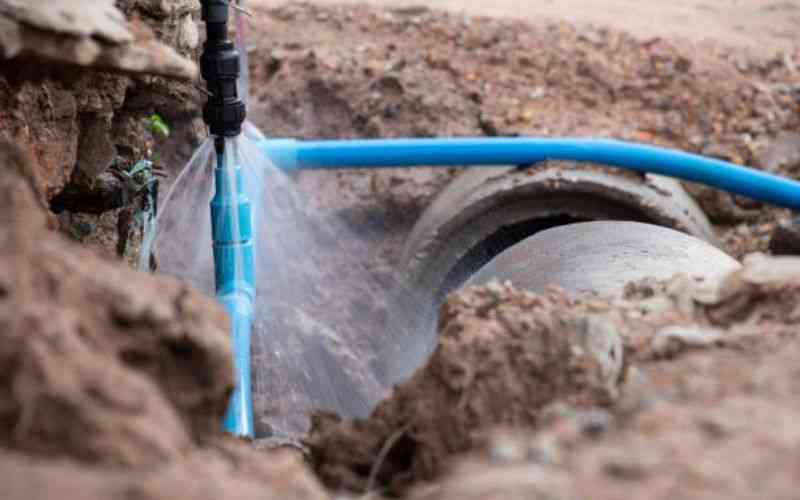
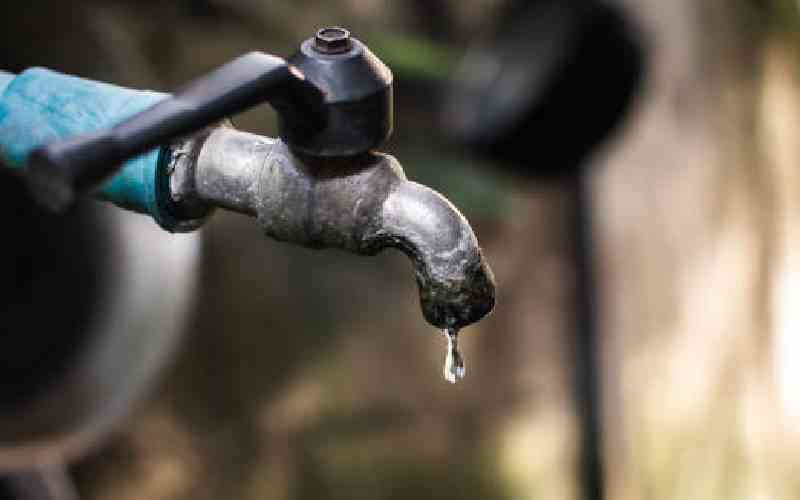
It is six o’clock on a chilly morning in a Kenyan town. A gushing pipe and loud murmurs wake up a mother before sunrise. She runs towards an old water kiosk, balancing several empty jerricans outside her gate, only to find hundreds of people queuing. She knows the taps may only run for an hour. A few streets away, beneath the tarmac, thousands of litres of treated water are silently escaping through ageing pipes. Nobody sees the leak. Nobody collects the revenue. Yet both the family and the water company pay the price. By the time the maintenance team locates the pipe burst several hours later, hundreds of thousands of litres of treated water have disappeared into the ground. The treatment chemicals have already been paid for. The electricity used to pump the water has already been consumed. Yet not a single shilling will be recovered from the water that never reached a customer.
This quiet loss is repeated every day in many Kenyan towns. It rarely makes headlines, yet it drains an estimated 13.7 billion annually through leakages, illegal connections, and other forms of waste, according to the Water Regulatory Board’s 18th impact report released a week ago. This invisible conundrum is known as Non-Revenue Water (NRW), and it may well be the single biggest obstacle to achieving universal access to safe and reliable water in Kenya. NRW is the gap between the water a utility produces and the water it bills. This water is usually lost in two ways: Physical losses (leaking pipes, ageing infrastructure, burst mains) and commercial losses (illegal connections, faulty meters, poor record-keeping). Either way, the water is lost through unaccountable means.