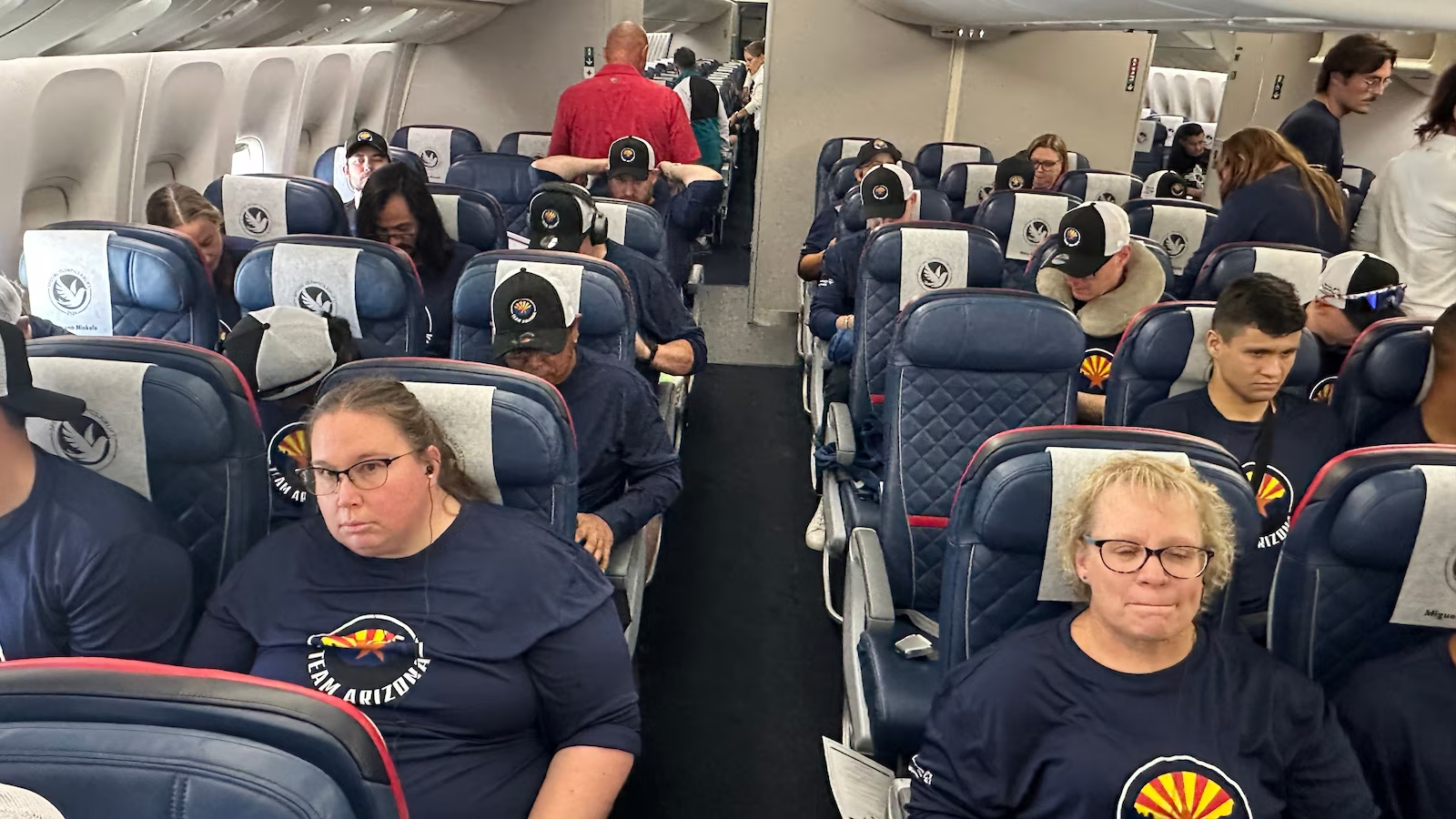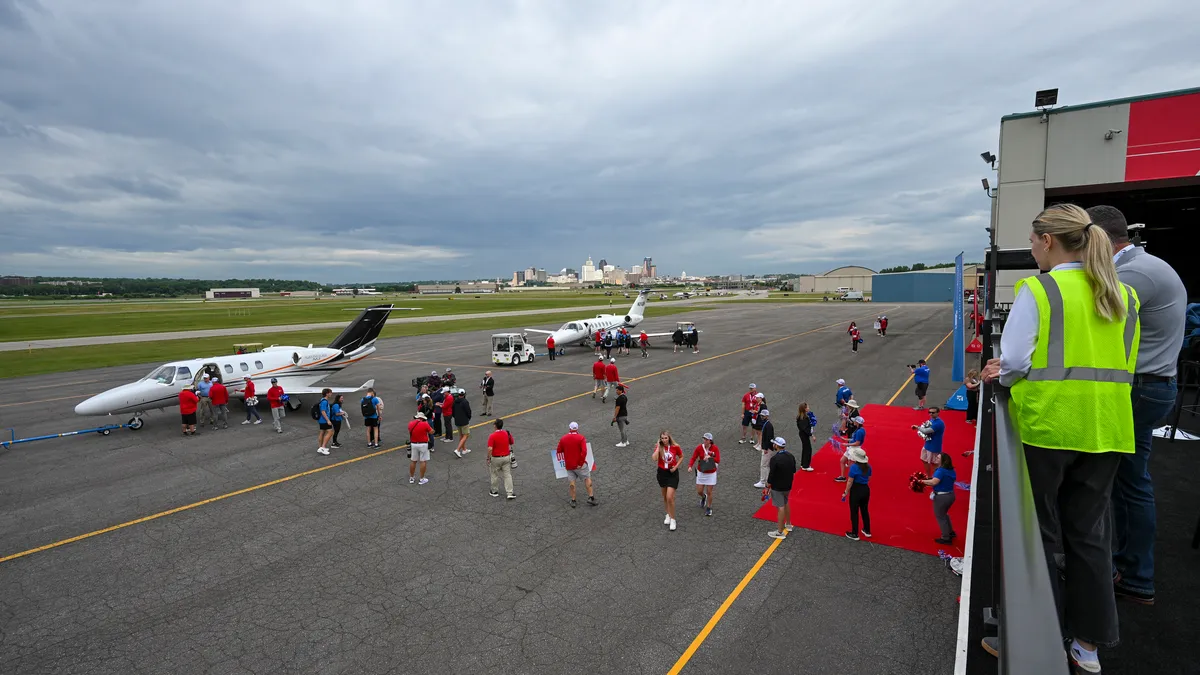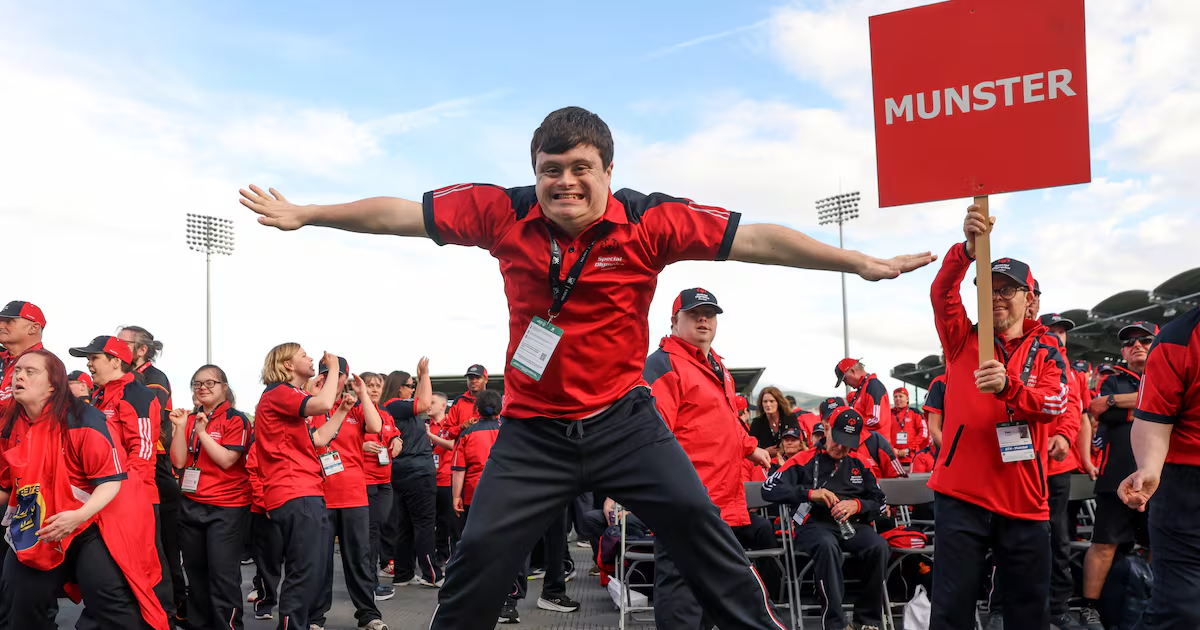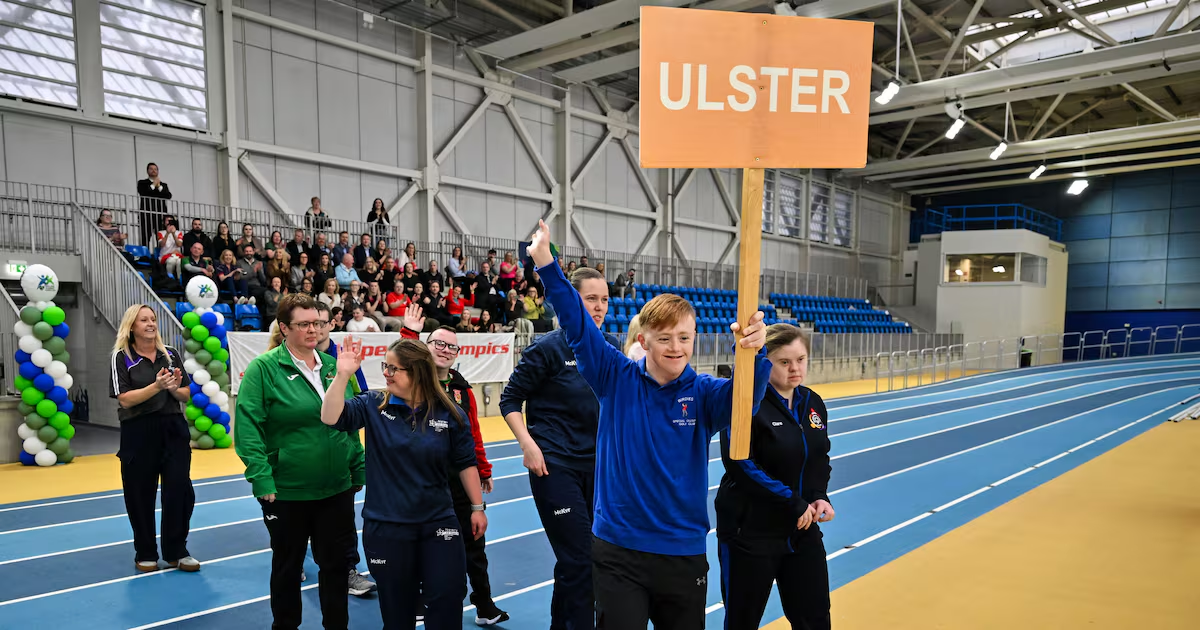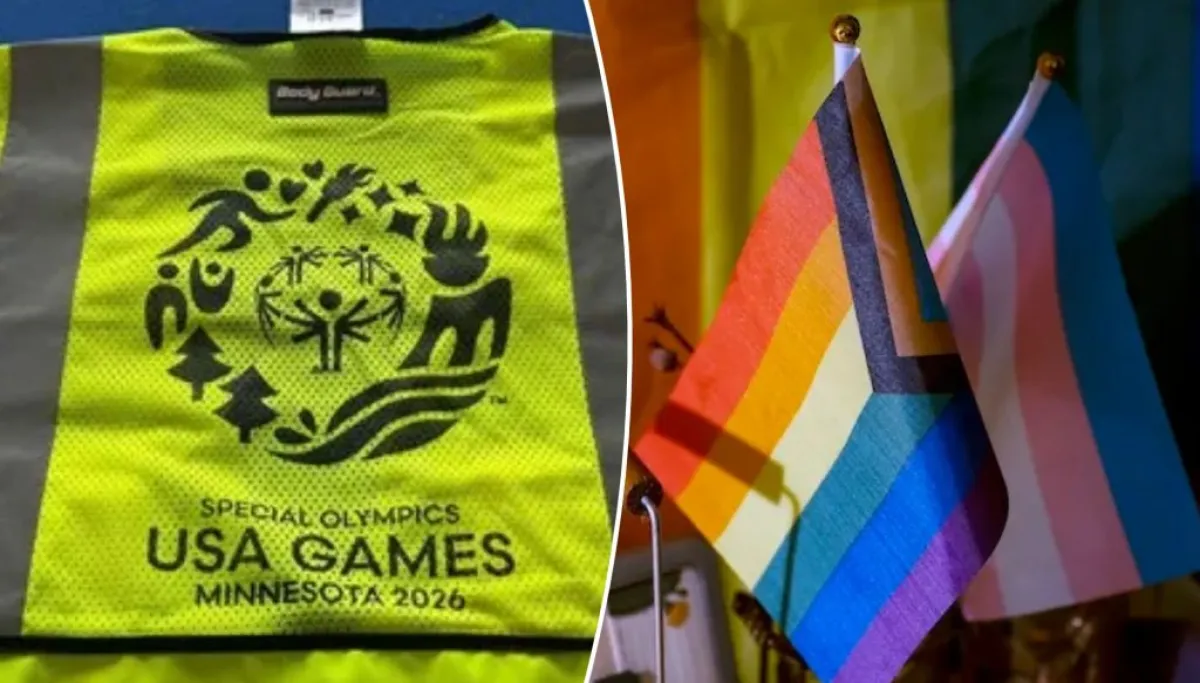
Last week, Minneapolis hosted the 2026 Special Olympics USA Games. About 3,000 athletes, 1,500 coaches, and over 10,000 volunteers, plus families, friends, and other supporters, poured into the city to support something. What unfolded wasn’t abstract ideology or curated social media theater. It was something rarer: a living display of citizenship, sportsmanship, manners, empathy, fairness, resilience, grit, and patience under real standards.The logistics of billeting, feeding, transporting, scoring, and the awards process for thousands of athletes test the assembled throng. There was bocce ball, pickleball, track and field, baseball, power lifting, and everything in between. But once competition began, something powerful happened. The athletes locked in. They gave it their all. There was no “mailing it in,” no soft bigotry of low expectations. They compete by tournament rules. They were there to win, and they cared deeply about the results.I was there to support a bowling team. Every strike, every spare, and even modest pickups of one or two pins drew genuine cheers even from the opposing teams and supporters. Spectators cheered for athletes not just for simply showing up, but for advancing from the local level to the state level and then competing on the national stage. They were cheered for maximizing their abilities rather than impediments in the arena.
Special Olympics just exposed the fraud of virtue signaling
Special Olympics athletes showcased real grit, competition, and resilience in Minneapolis — a powerful contrast to victimhood culture and virtue signaling.
899 words~4 min read