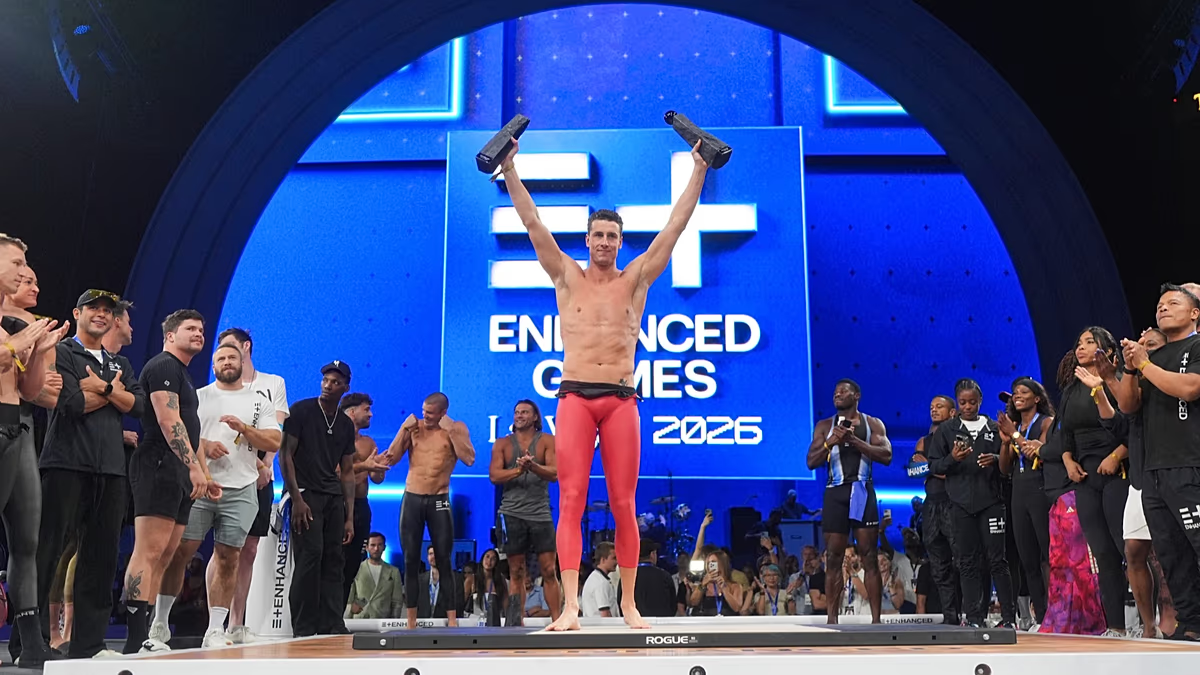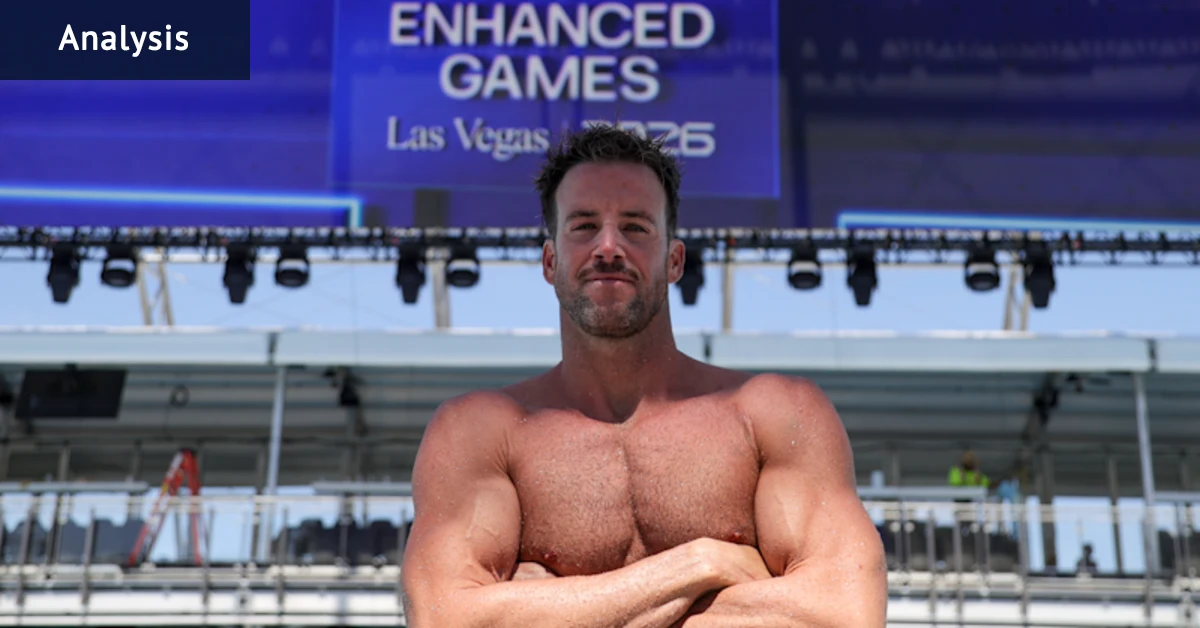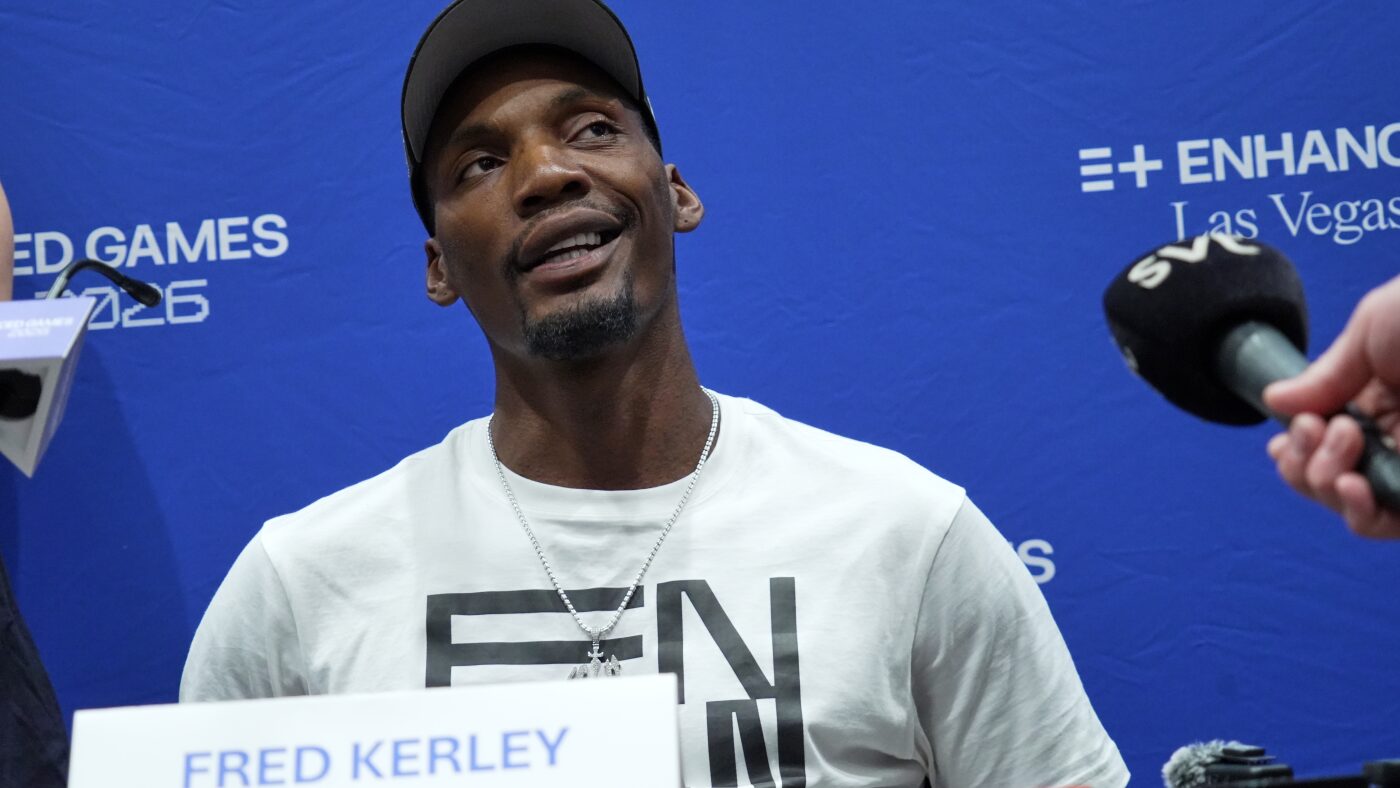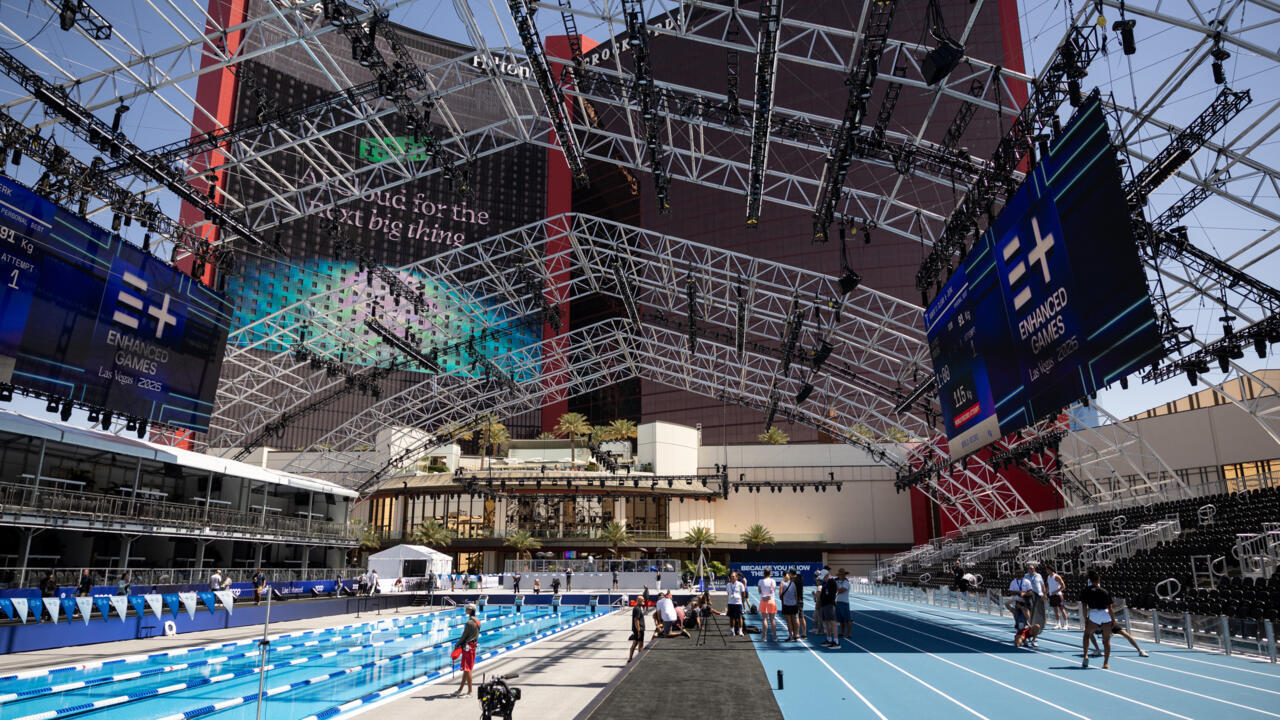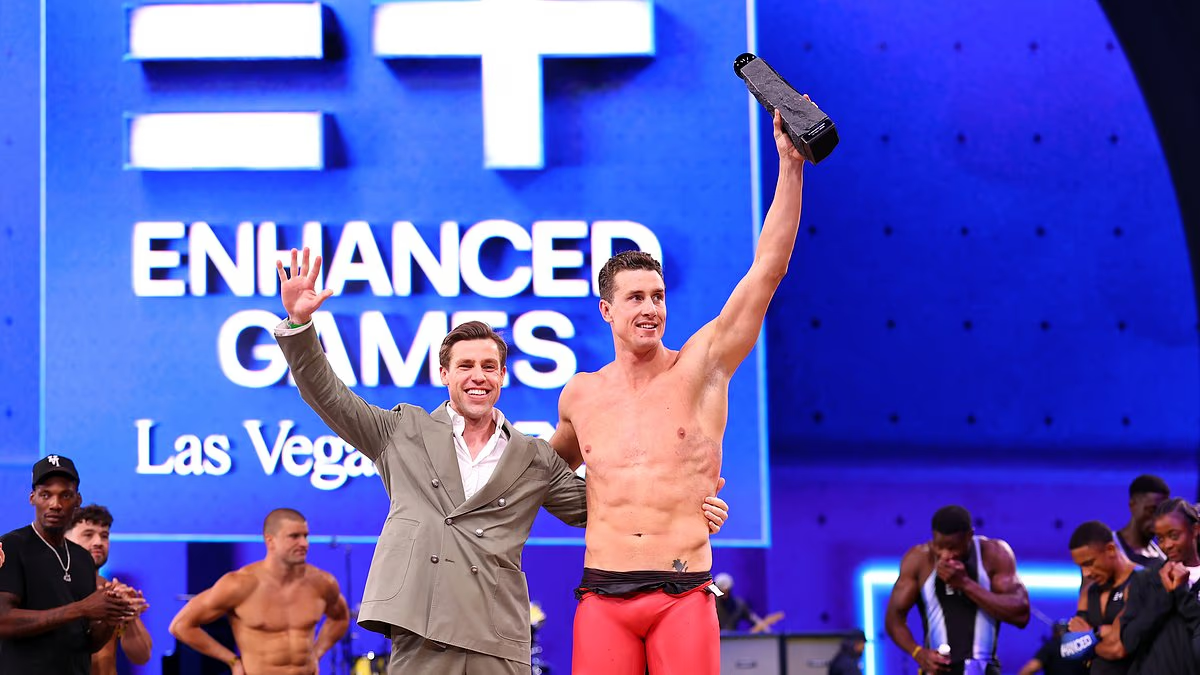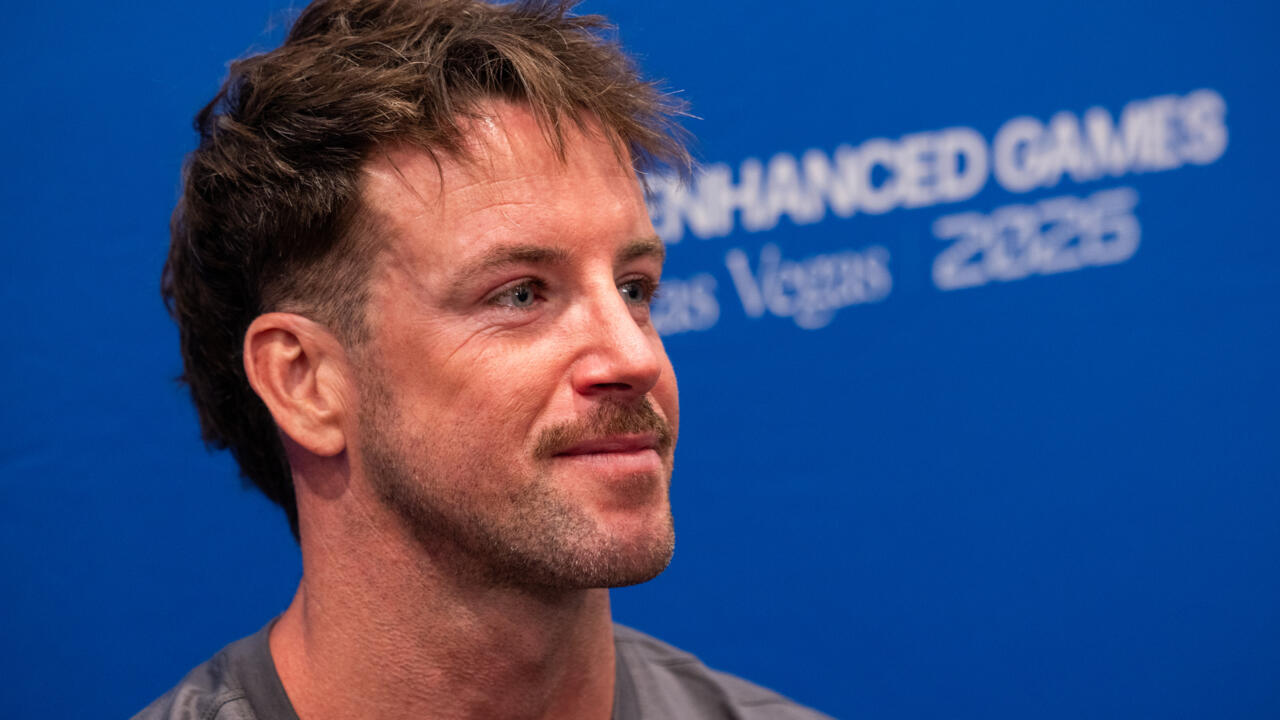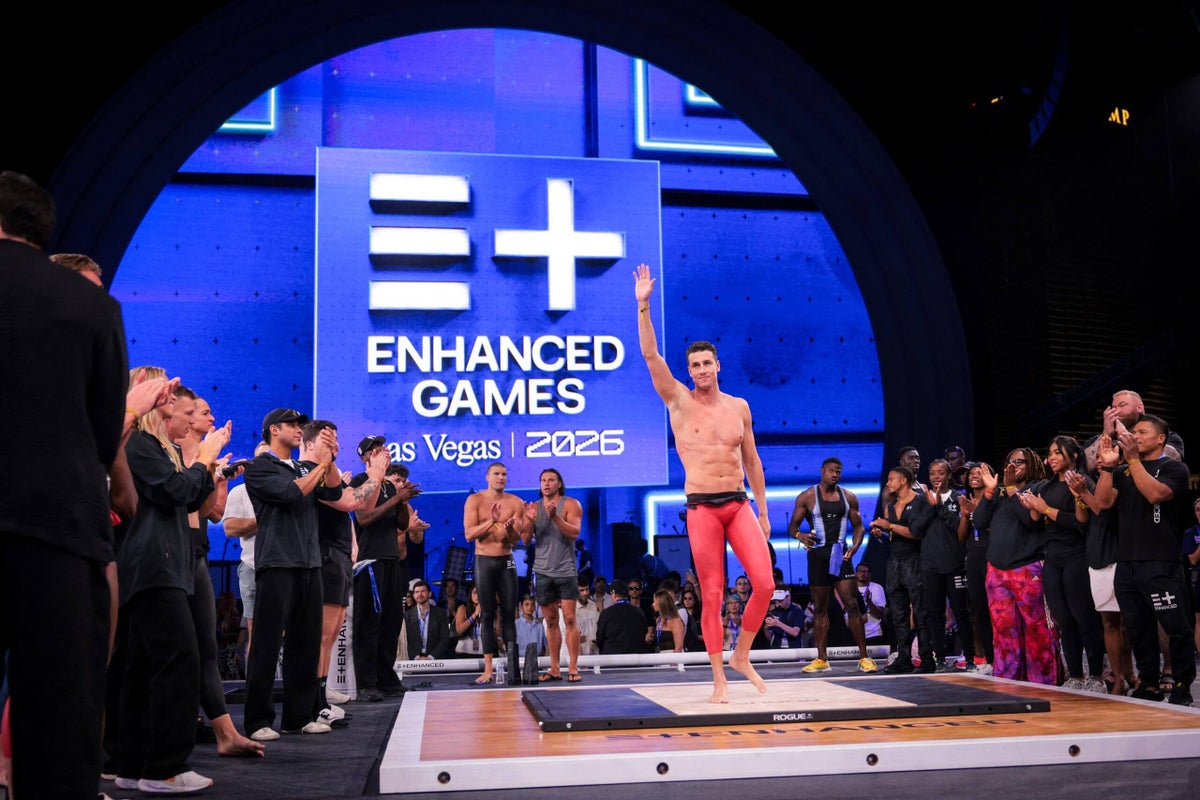
LAS VEGAS — In the buildup to Sunday’s Enhanced Games, many competitors said these games were about transparency — since most Olympic athletes, they say, do not come clean about what they put in their bodies.Maybe they’re right. Because after four months of taking performance-enhancing drugs and training, 37 of those athletes could not touch what Olympians have done. The fact that many were older and had come out of retirement to take shots for a shot at some money didn’t help the cause.There were no “world records” set through the first 13 events, to the chagrin of spectators in attendance and those who streamed the competition on YouTube because they heard about the $1 million bounty on new records. They wanted to see the athletes push the boundaries of their sports.What the audience saw instead was mostly just another tedious track and swimming meet — plus weightlifting! — in a custom-built arena in the middle of the parking lot of the Resorts World casino. That is, until the 92-degree heat relaxed its grip and night fell on the event’s organizers and antsy financial boosters.That’s when the seven-hundredths of a second happened. In the final swimming race, the men’s 50-meter freestyle, Kristian Gkolomeev hit the pool and swam it in 20.81 seconds, 0.07 faster than the recognized world record of 20.88, set earlier this year by Australia’s Cameron McEvoy.
A day at the Enhanced Games, the controversial sporting experiment in a Vegas parking lot
Athletes got big paydays. One "world record" was broken. And a big question remains: Will fans care about any of it?
1,385 words~6 min read