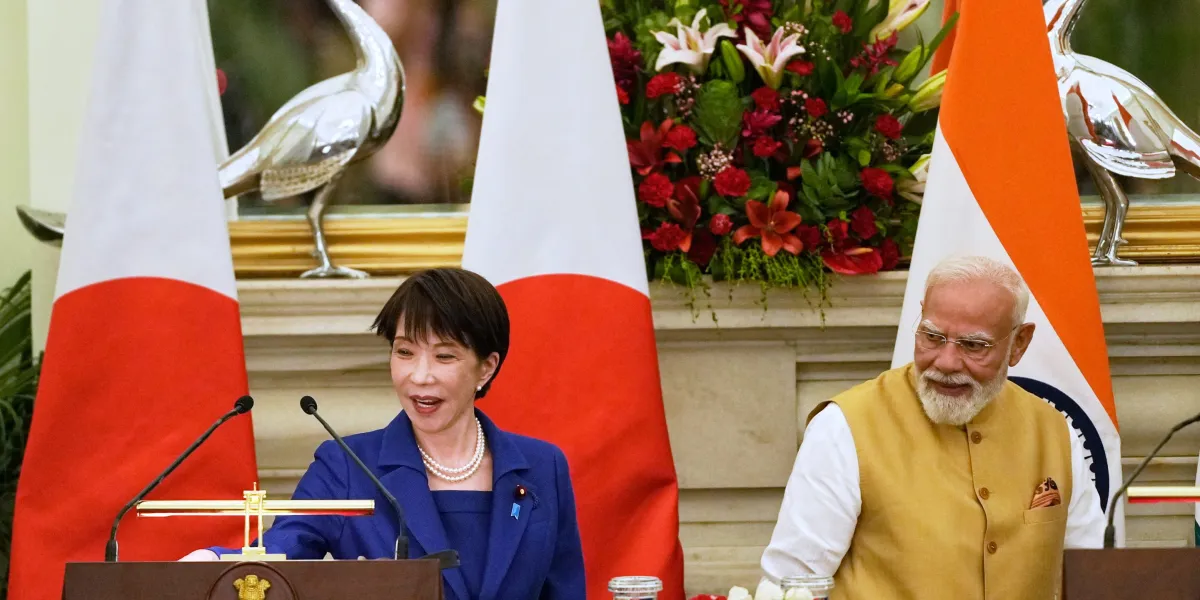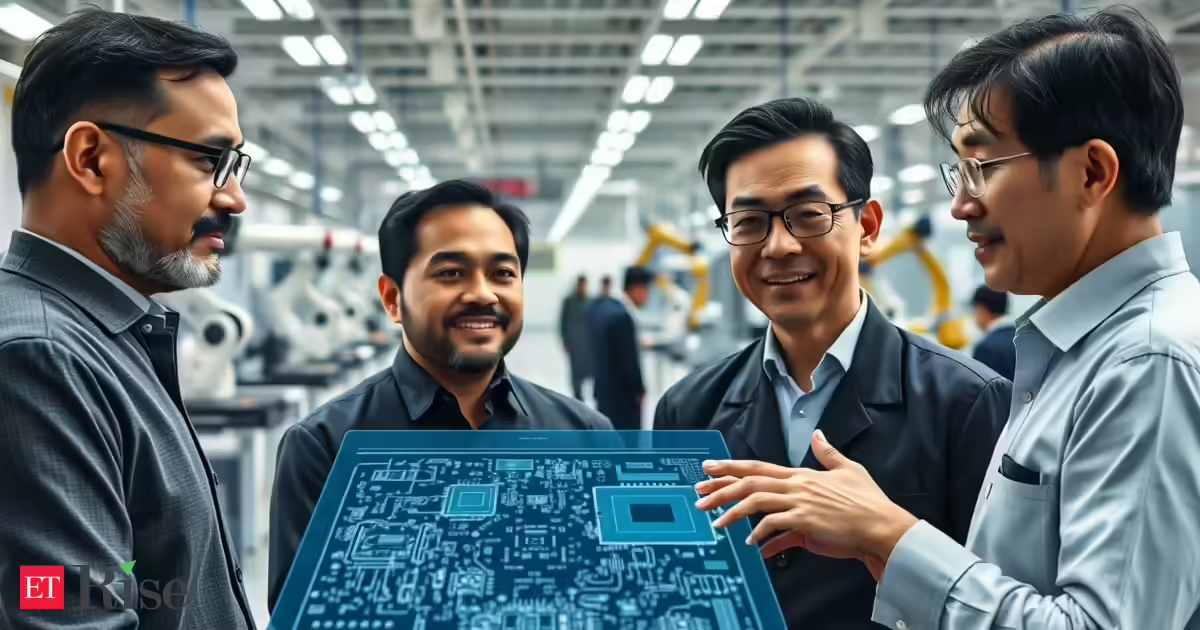
In an era of weaponized interdependence, economic security has become the organizing principle of the India-Japan partnership. However, economic security partnerships are only as strong as the industrial ecosystems that underpin them. As the India-Japan Economic Security Initiative takes shape, its success will depend not on strategic convergence alone but on industrial capacity – the ability to manufacture, process, refine, design, and scale strategic technologies within trusted networks. While India-Japan strategic alignment is real and the institutional architecture is substantial, they will still need an industrial ecosystem capable of translating that convergence into competitive advantage.
When China weaponized rare earth exports against Japan in 2010, Tokyo recognized the strategic costs of excessive dependence on a single supplier. Subsequently, Tokyo systematically invested in diversification: supply relationships with Australia, processing capacity in Vietnam, domestic recycling and magnet substitution technologies. When China tightened export controls again in 2026, Japan was better prepared.
Recently, India has emerged as an important strategic partner because of its substantial rare earth reserves and growing commitment to critical minerals cooperation. But India, despite this deepening economic security axis, remains a promising partner for Japan only in theory, not yet in practice.