Insurance fraud, unfortunately, is inevitable. A certain amount of fraud is priced into the product. The goal for insurers is to find the right balance – focusing on fraud prevention for the biggest cases without alienating trusted customers.
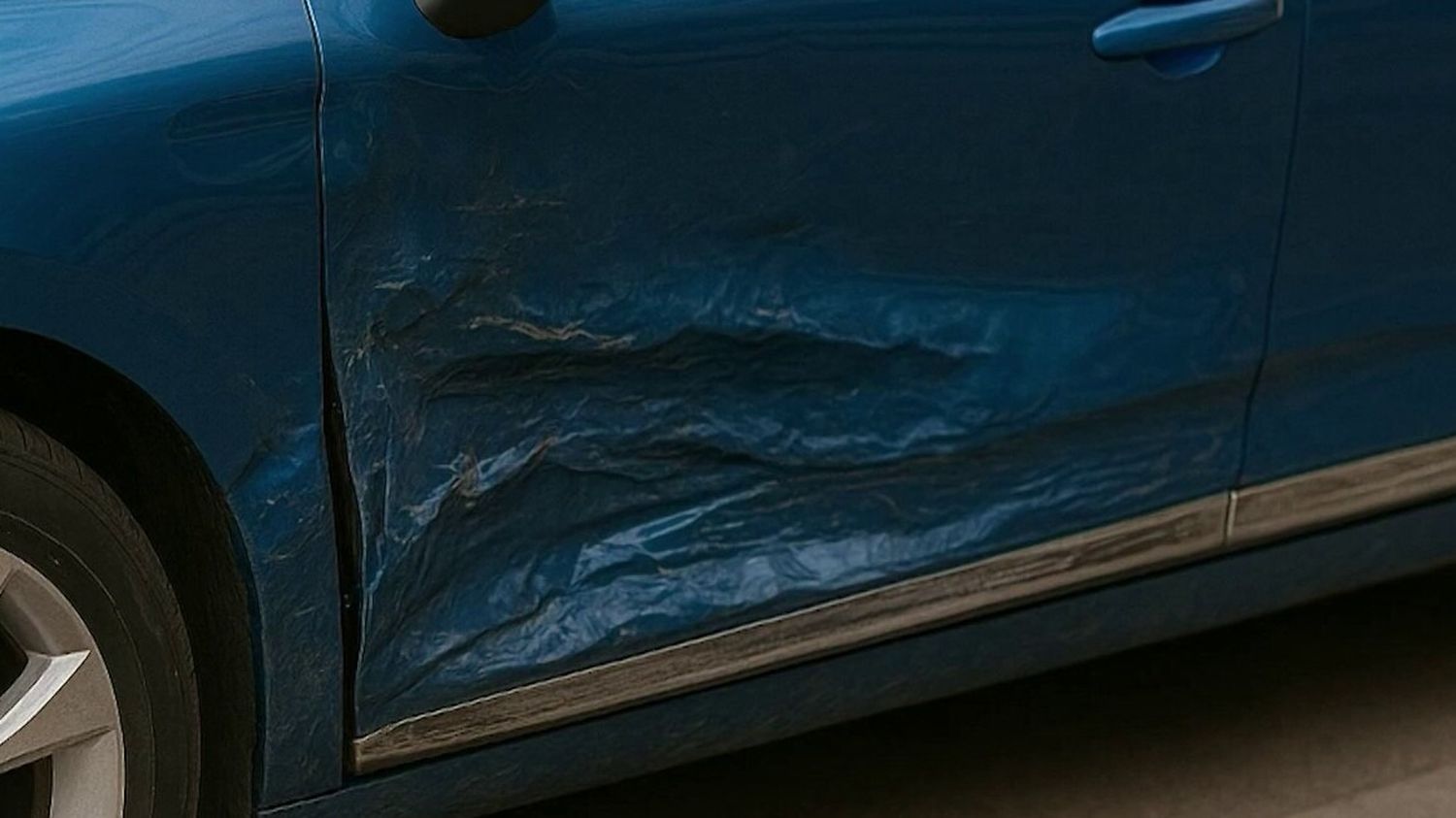
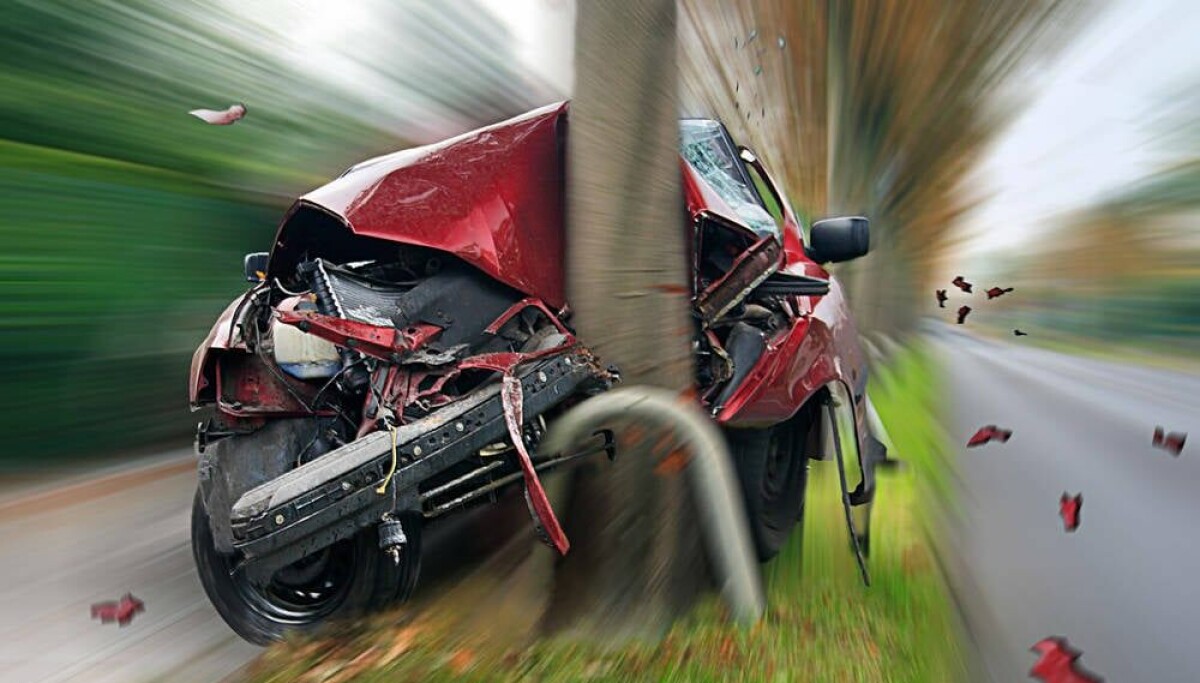
But the AI age has introduced a new source of fraud that threatens that balance by making fraud simpler, easier and more widespread: images that have been altered, or even completely synthetically generated, using AI for the purpose of filing a fraudulent insurance claim.
A fast-growing threat
Insurance fraud costs US consumers an estimated $308.6 billion a year, and about 1 in 10 property-casualty insurance losses includes fraud. Last year, a major short-term lodging rental company found that one of its hosts had used digitally manipulated images to falsely accuse a renter of causing thousands of dollars’ worth of damage.
Are fraud-fighters ready? A recent fraud survey by the Association of Certified Fraud Examiners and SAS found that only 7% of anti-fraud professionals said their organisation is more than moderately prepared to detect or prevent AI-charged fraud. Among insurance industry respondents, none expressed more than moderate confidence.