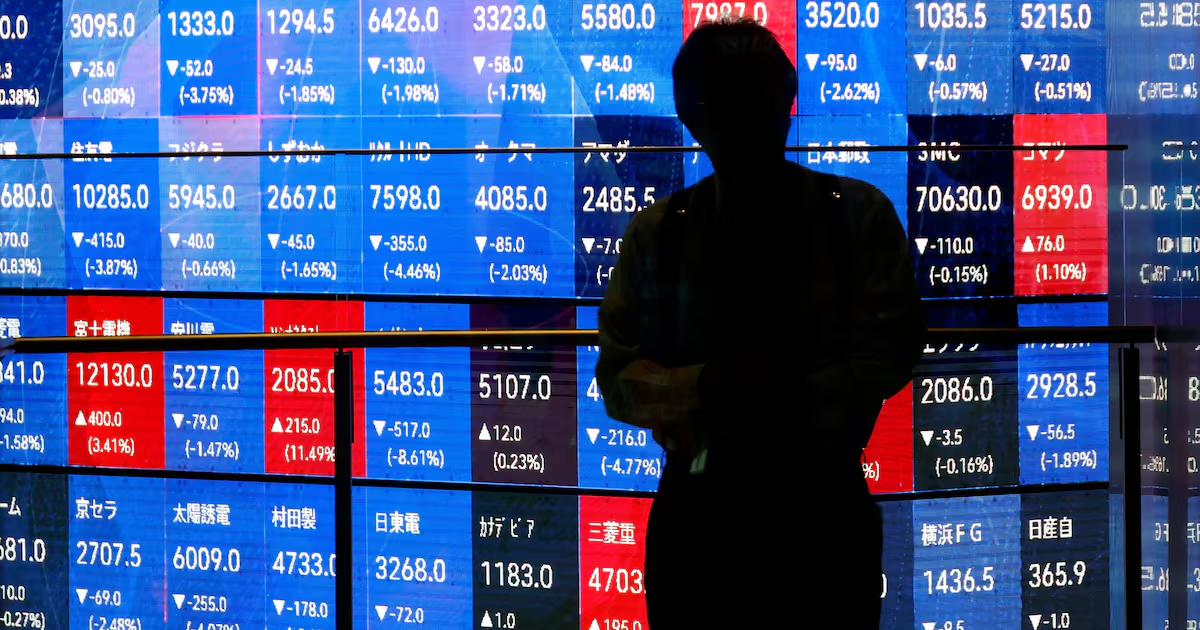
Global stock markets just wrapped up the kind of quarter that makes portfolio managers look like geniuses. Equities delivered their strongest second-quarter performance in six years, riding a wave of risk-on sentiment that left traditional safe havens bruised and battered.
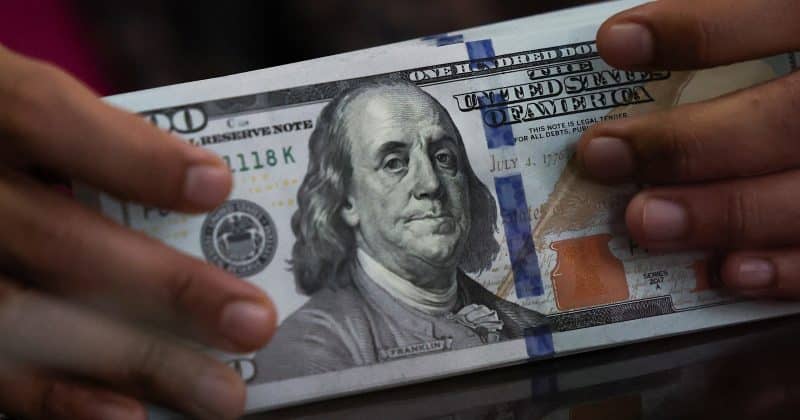
The US dollar, fueled by expectations that interest rates will stay elevated, gained 1.4% against a basket of major currencies during Q2 2026. That strength created a cascading effect across asset classes, pushing gold down roughly 14% for the quarter and driving the Japanese yen to levels not seen since the mid-1980s.
The dollar’s wrecking ball tour
Gold posted its largest quarterly decline in over a decade. A 14% drop in three months is the kind of move that makes gold bugs question their life choices. When the dollar strengthens and real yields remain attractive, the opportunity cost of holding a shiny metal that pays no interest becomes painfully obvious.
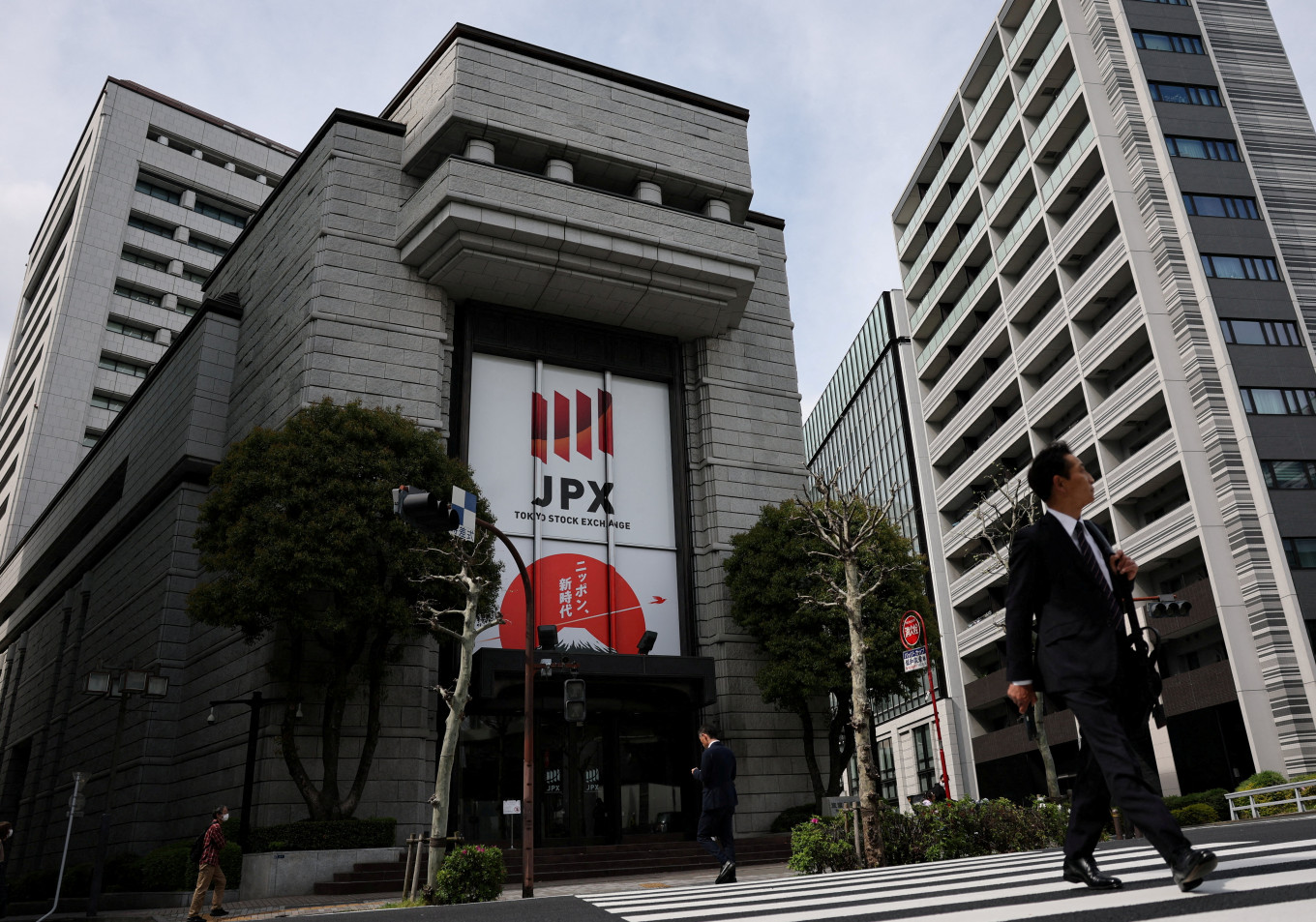
During Asian trading sessions, the yen plunged to approximately 162 yen per US dollar, marking a four-decade low. While the Federal Reserve has kept rates elevated, the Bank of Japan has been far more cautious about tightening. That gap in interest rates makes capital flow toward the higher-yielding dollar, and the yen bears the cost. Japanese officials, concerned about further depreciation, have issued multiple verbal interventions in an effort to support the currency.