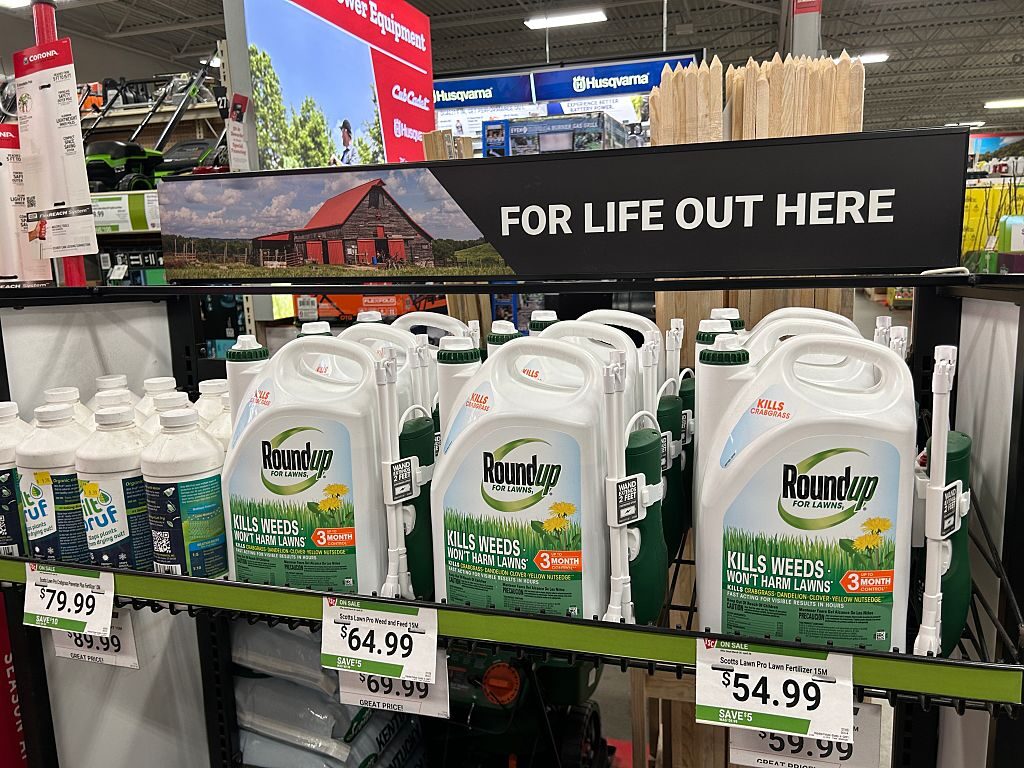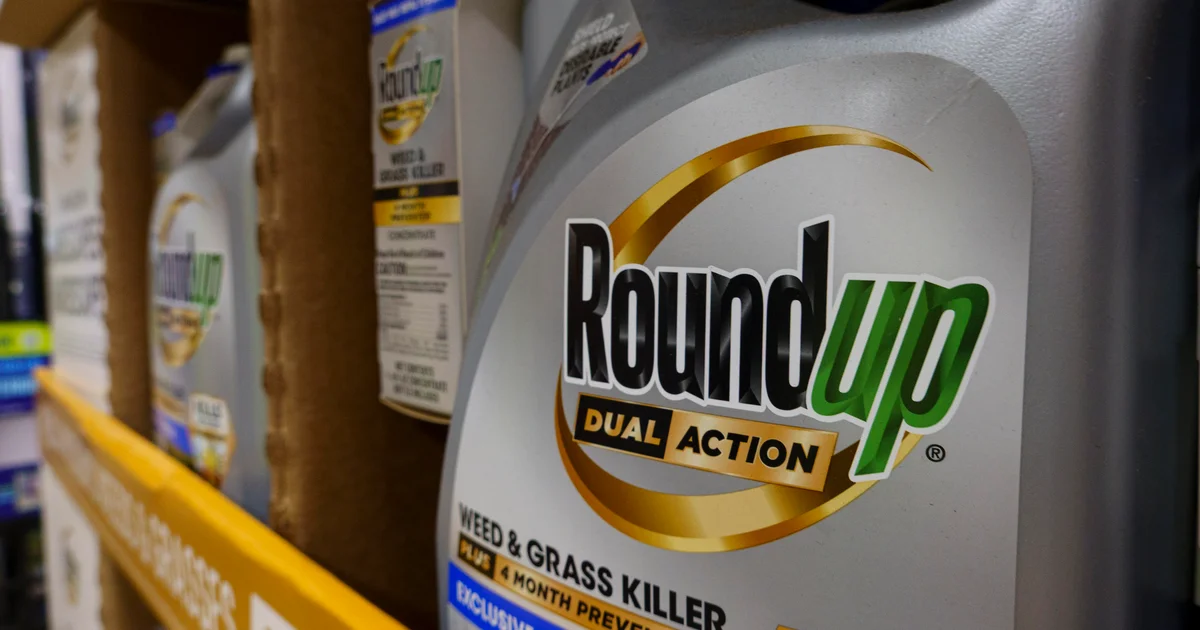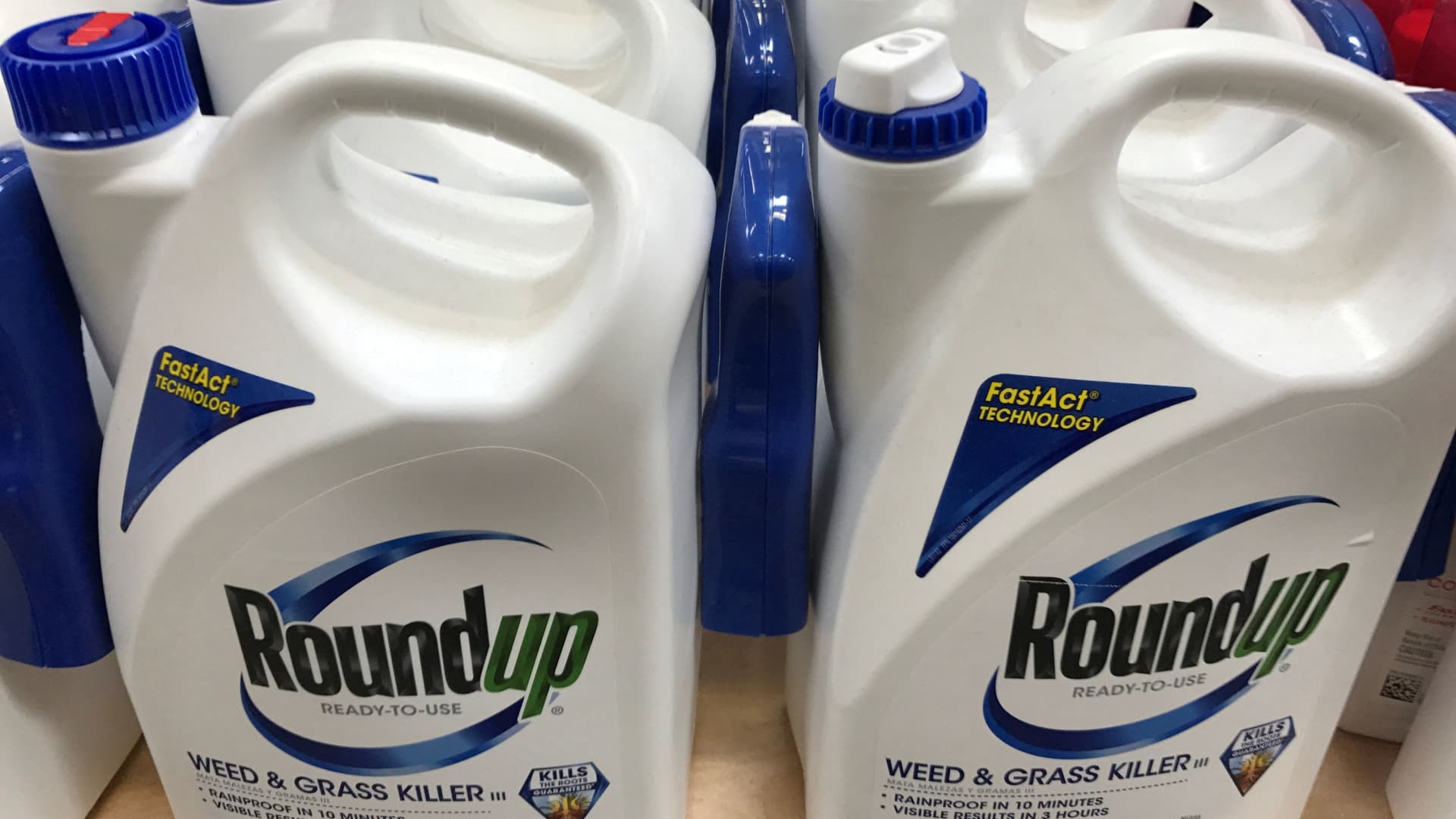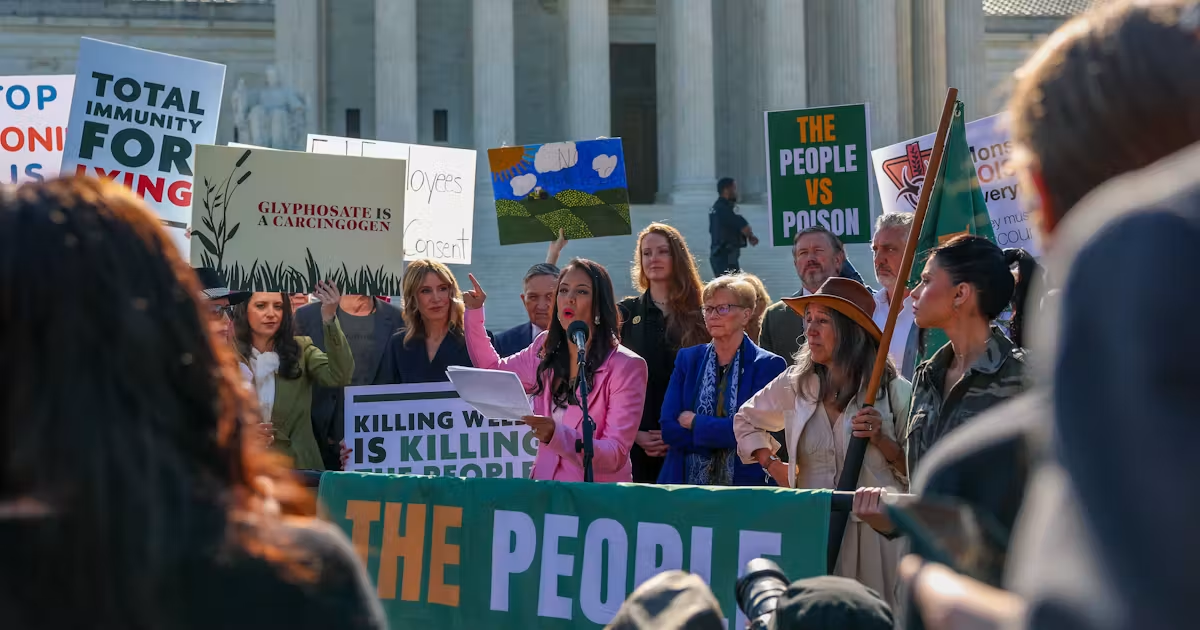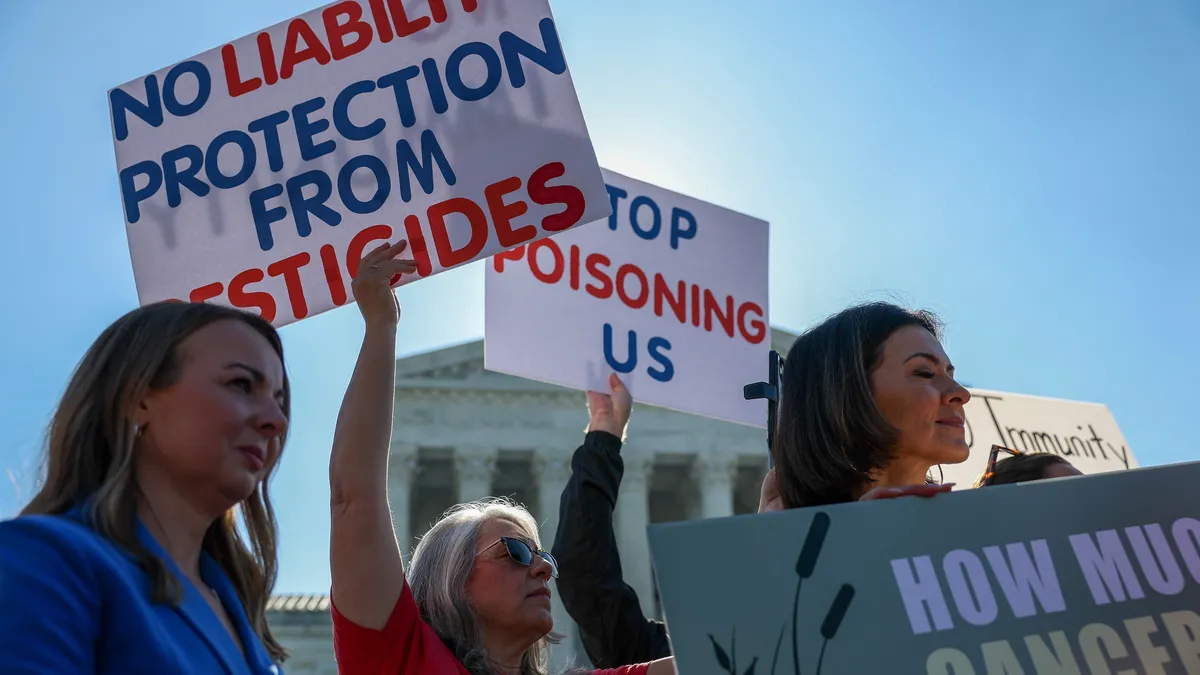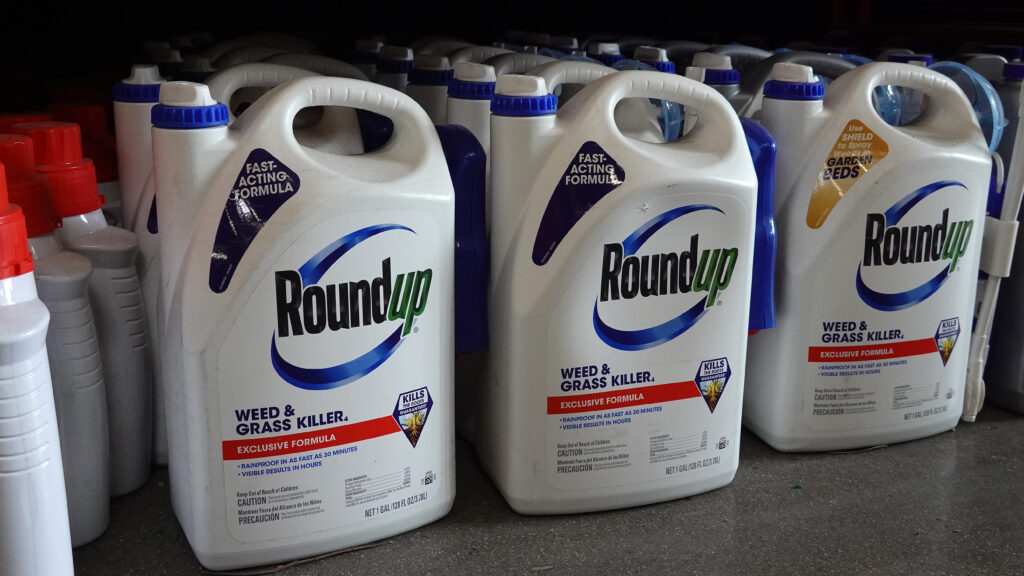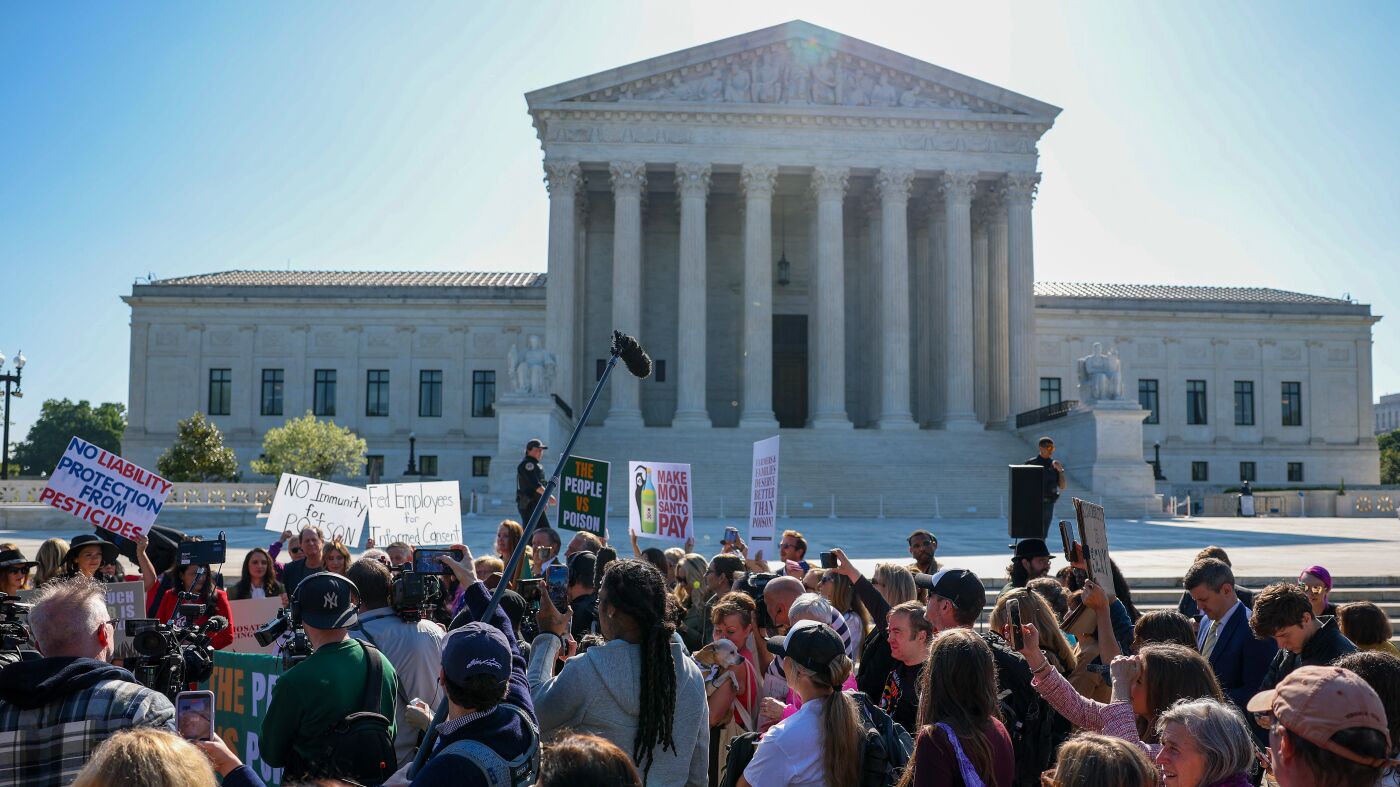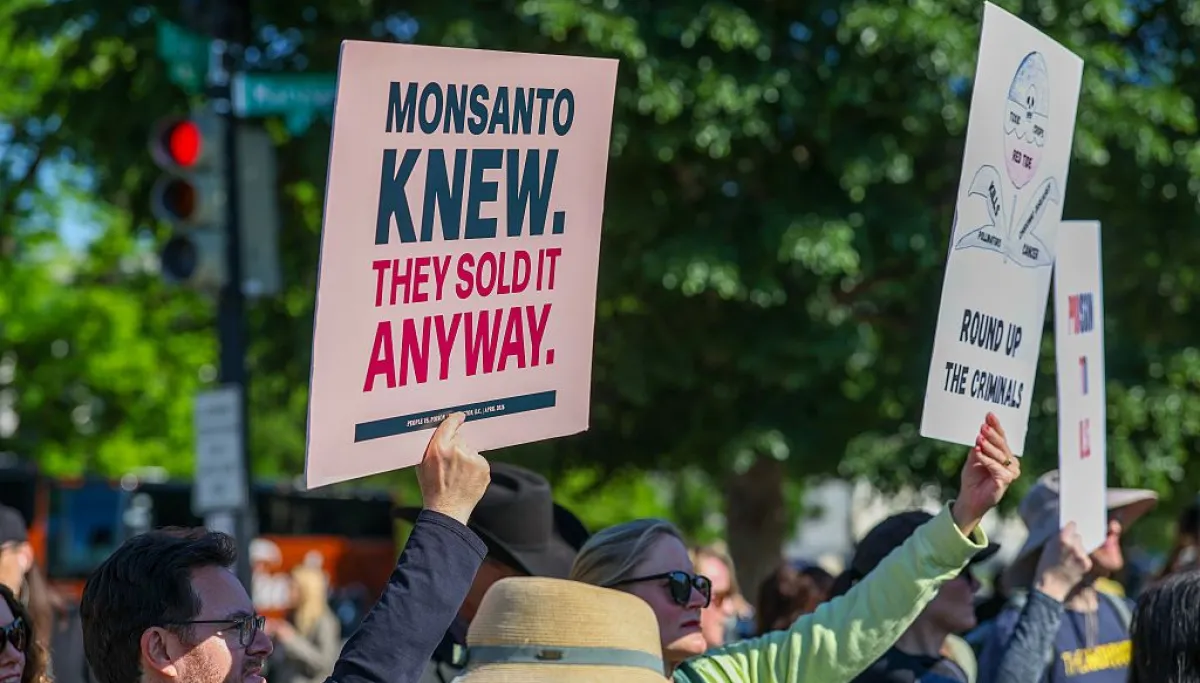
The Supreme Court has finally issued its highly anticipated decision in Monsanto v. Durnell, and the result is a major setback for consumers. People are right to be frustrated by the court’s decision, which will make it much harder to hold pesticide manufacturers accountable when their products cause harm. But even as the legal implications of this ruling dominate the headlines, we shouldn’t lose sight of the issue at the heart of this case: the unresolved and credible concerns about the impact of glyphosate on our health.Monsanto v. Durnell is just one of thousands of lawsuits filed by consumers and cancer patients who believe that the glyphosate-based herbicide Roundup has made them sick. In recent years, Americans across the country have brought claims against Bayer, formerly Monsanto, for their failure to warn consumers of potential hazards. These lawsuits have played an important role in uncovering risks associated with widely used pesticides and ensuring companies provide adequate warnings to the public. Evidence uncovered as part of the Roundup litigation exposed corporate misconduct and undue influence, ultimately leading to the retraction of a widely cited study that concluded glyphosate was safe for human health. In Monsanto v. Durnell, Bayer had asked the Court to clarify whether federal pesticide laws, specifically the Federal Insecticide, Fungicide, and Rodenticide Act (FIFRA), preempt consumers from bringing lawsuits over harms caused by Monsanto’s glyphosate-based herbicide, Roundup.
EPA must act on glyphosate after Supreme Court's Monsanto ruling
The Supreme Court may have narrowed consumers' legal options, but it did not answer the fundamental question of whether glyphosate is safe.
642 words~3 min read