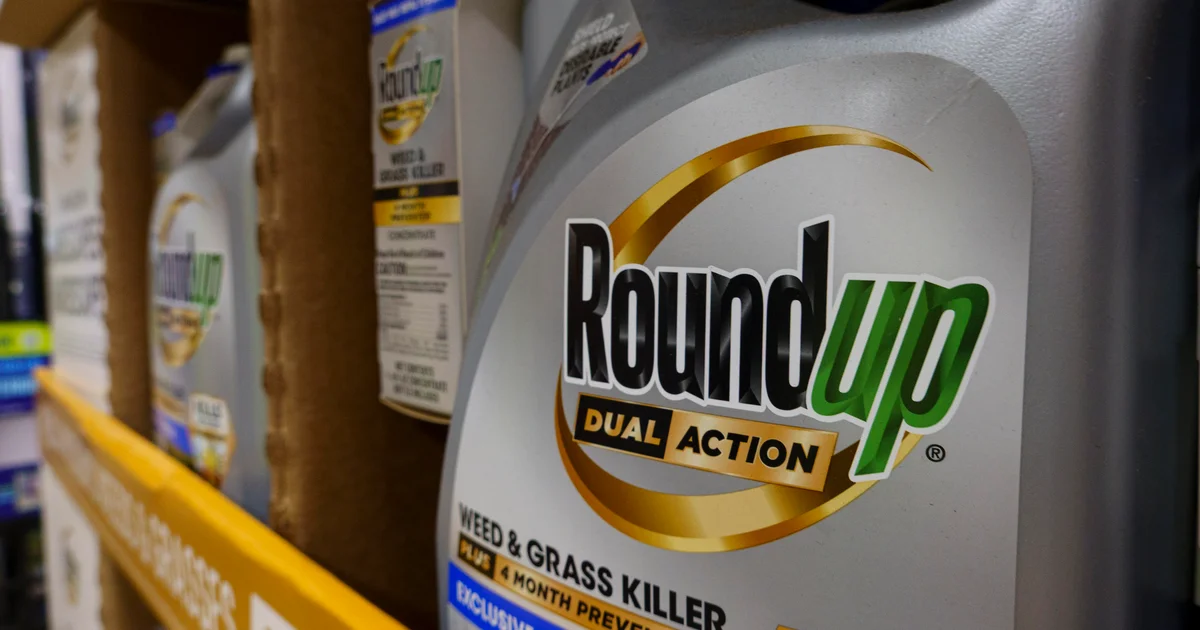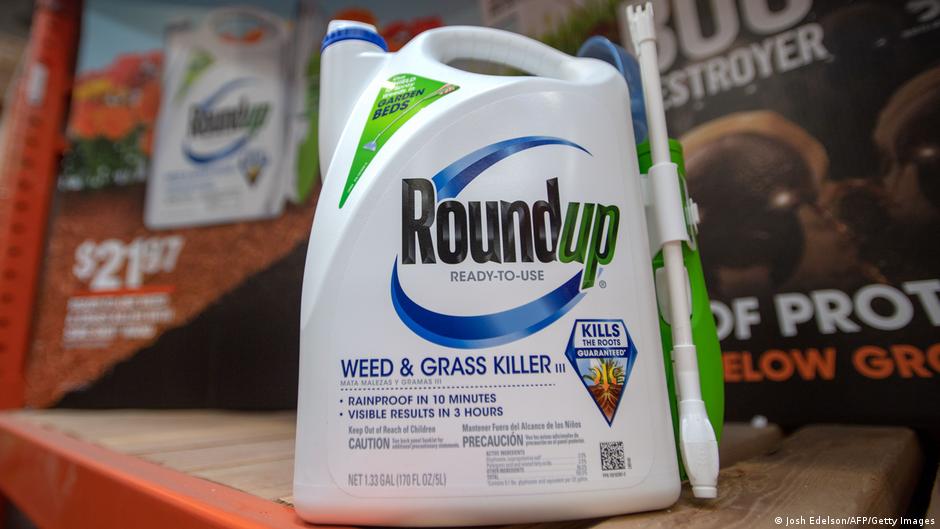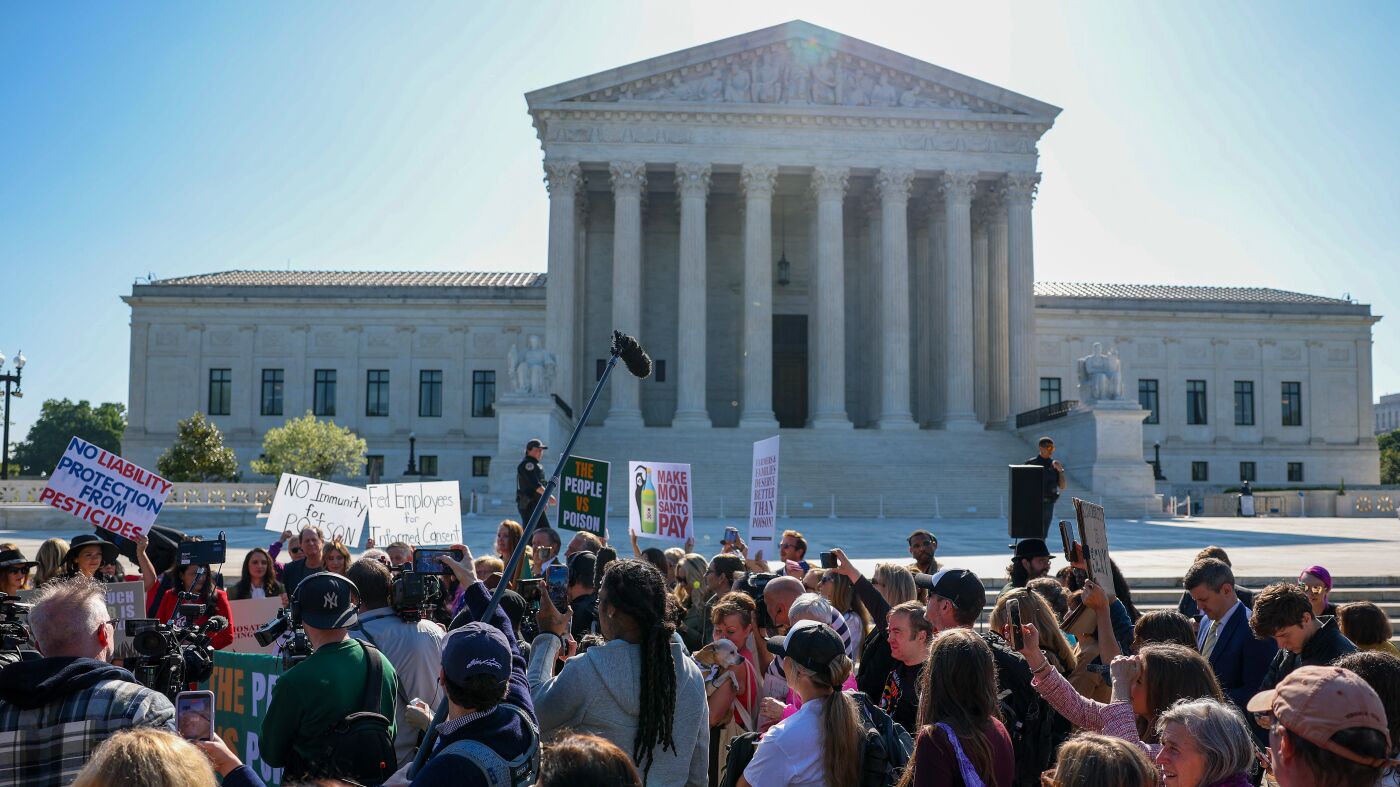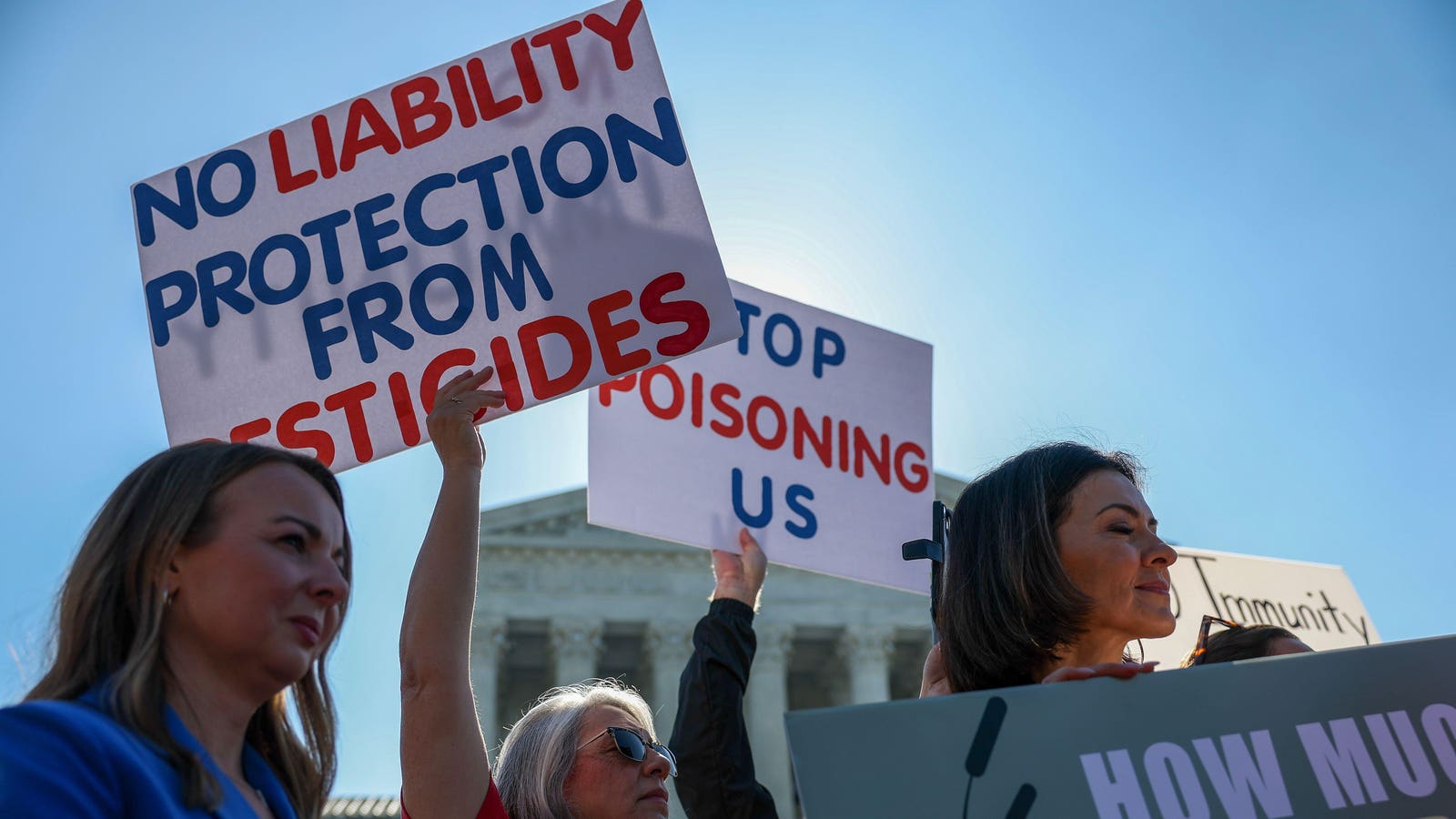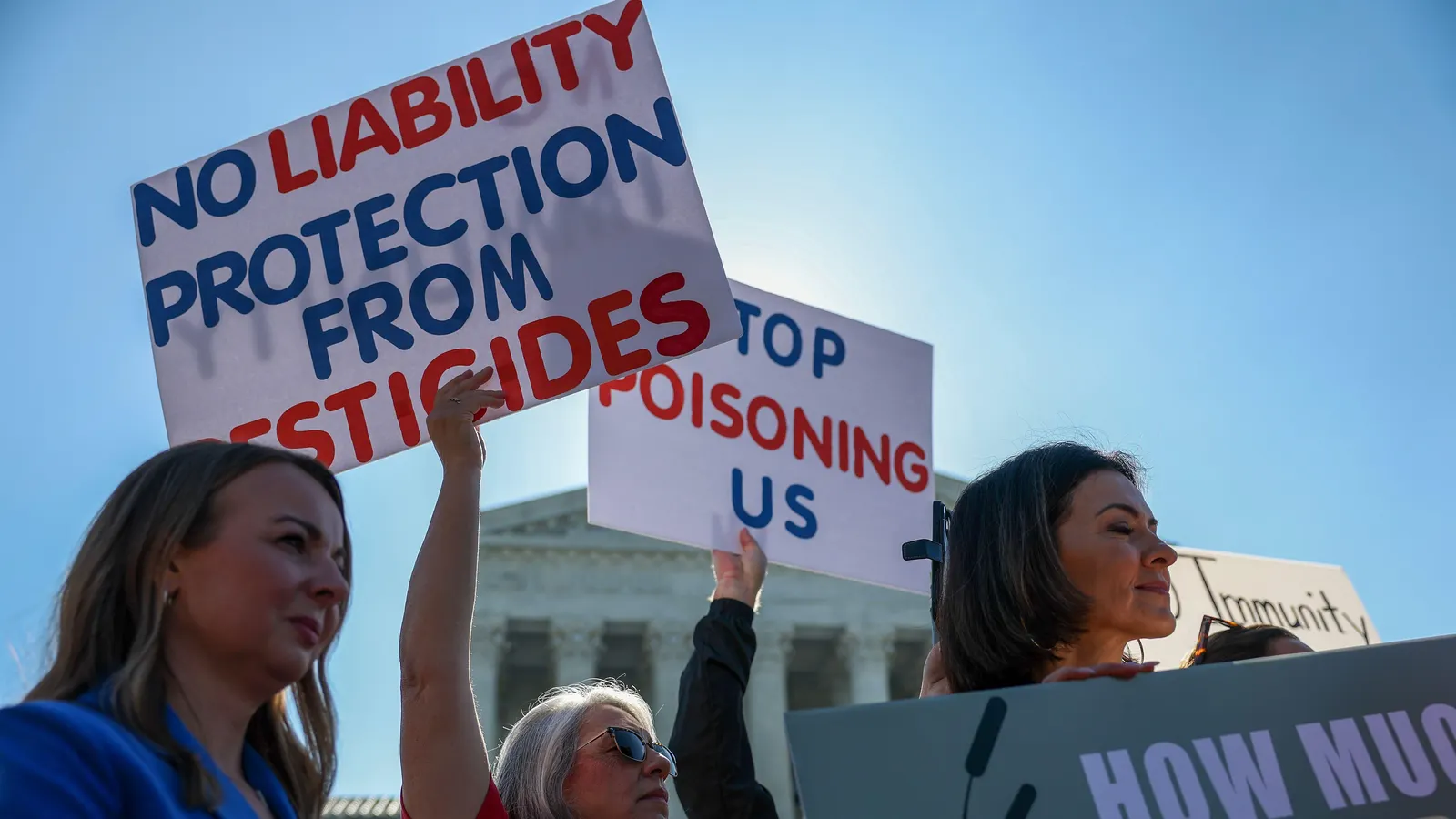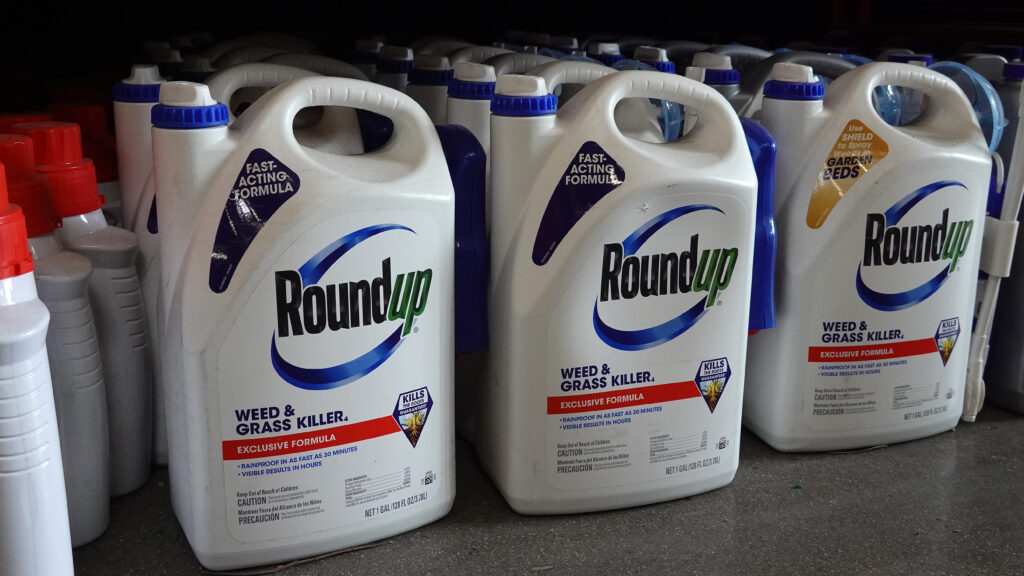
When the Supreme Court handed Monsanto a major win in Roundup litigation on Thursday, the headlines sounded like a scientific event: a case about whether Roundup causes cancer.
But Monsanto v. Durnell did not settle that question. The court held that federal pesticide law preempts a state failure-to-warn claim when the Environmental Protection Agency has not required a cancer warning on the product label.
That is an important legal ruling. It is not the same thing as a scientific finding that glyphosate is safe or unsafe.
The ruling is just the most recent example of a serious problem: Science and law use the same word — causation — while asking different questions.
My own work has moved between clinical care, population-health research, and law, and that border is where this confusion becomes most visible. In epidemiology, causation is usually a population-level inference. Researchers ask whether an exposure reliably changes disease risk across groups of people. That requires replication, statistical association, dose-response evidence, biological plausibility, and efforts to rule out confounding. Even then, conclusions remain probabilistic. A risk factor can increase disease likelihood without proving why one person became ill.