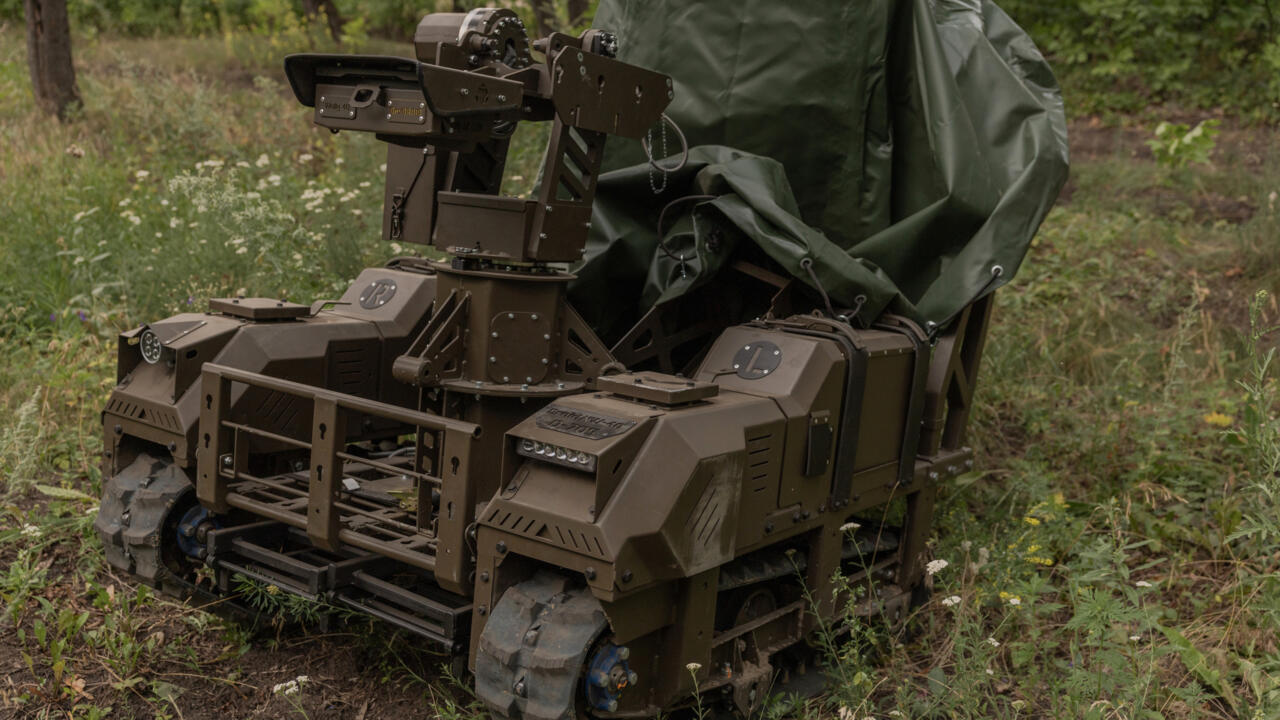
Ukraine's Frontline Robotics needs to make constant updates to its drones and weaponry, and it cuts down automation to achieve that.
Frontline Robotics
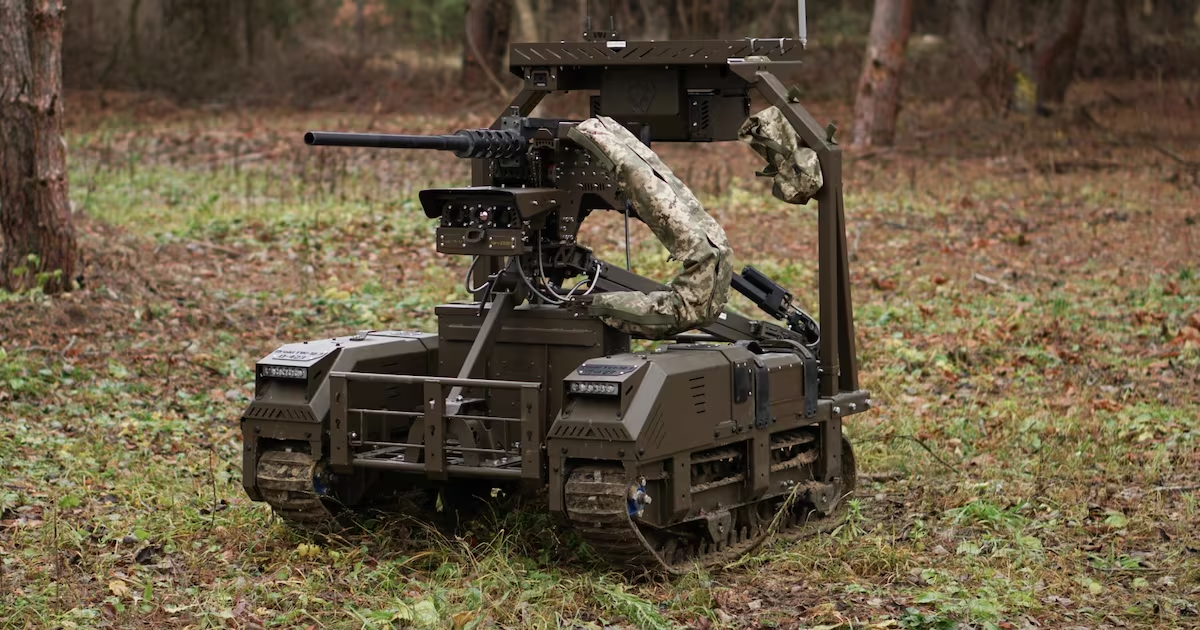
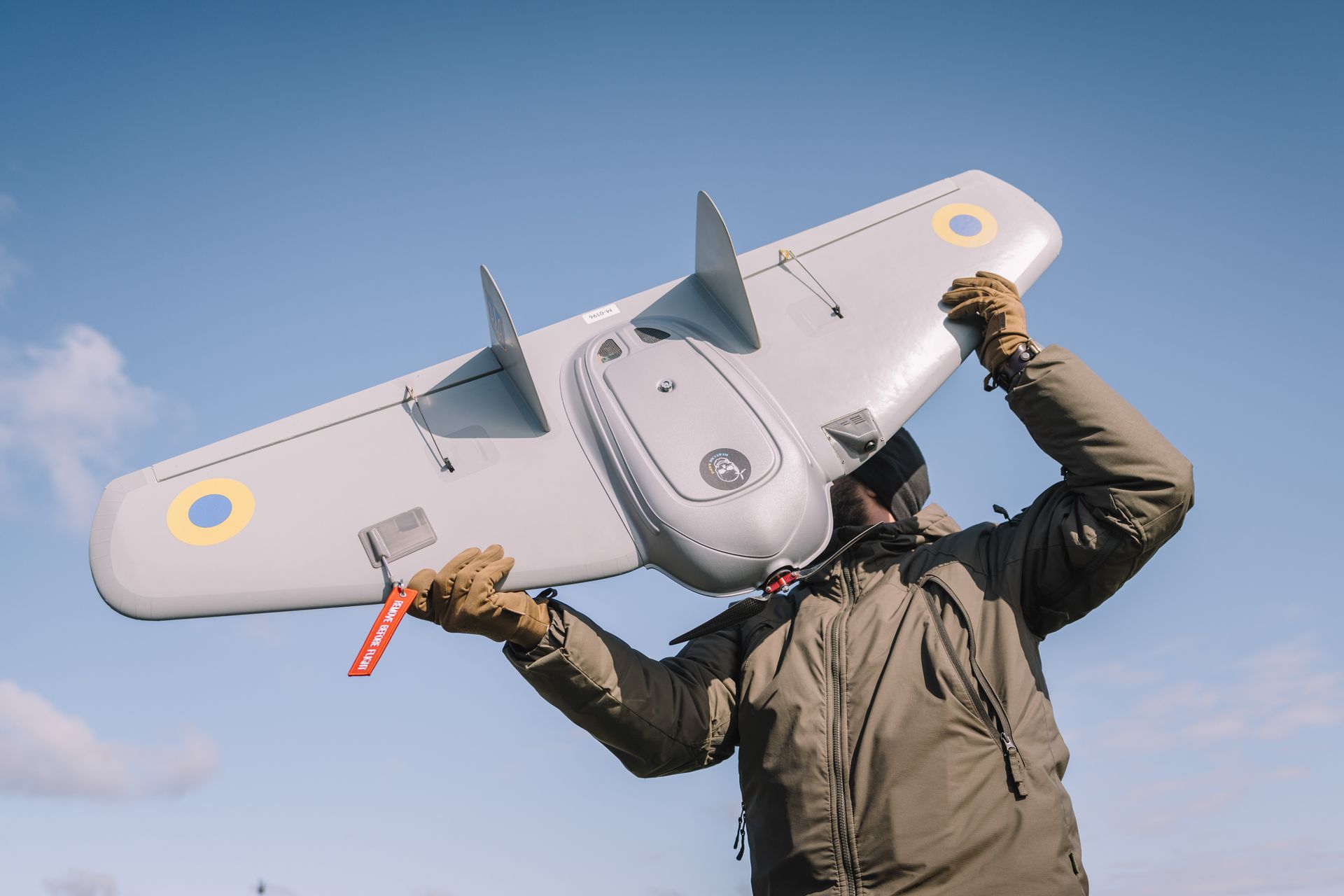
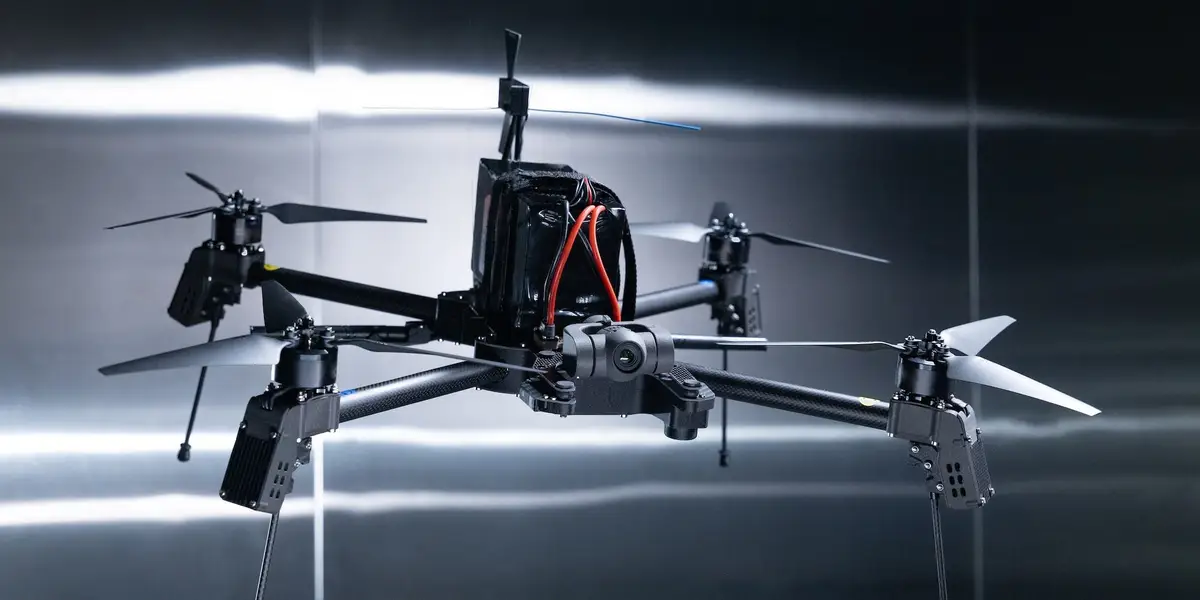
A Ukrainian drone maker said keeping up with the rapidly changing battlefield requires manual assembly for some of its work instead of relying only on big machines.Ukraine needs large quantities of weaponry as quickly as possible, a demand that typically pushes companies toward automation. But Ukraine also needs those weapons to be up-to-date as the war changes, something that too much automation can make difficult.Frontline Robotics, which makes drones and weaponry used by more than 60 Ukrainian units, has to make small changes to its products up to 20 times a month and make major updates around every six months to keep its edge.Mykyta Rozhkov, the chief business development officer, told Business Insider that one of the keys to innovating at this pace is not relying too much on automated processes.With the "amount of changes we are doing every month," huge fixed processes don't work. Instead, procedures need to be "lightweight, but still stable in order to sustain 20 changes per month."That includes some work without machines, which gives the company more built-in agility. "A big part of the assembly lines relies on manual assembly because manual assembly is the most flexible one," Rozhkov said."Automation comes with the cost of freezing the product version," he said. A fully automated production system means a company can efficiently produce large quantities, but then "what do you do if you have to change it a lot?"