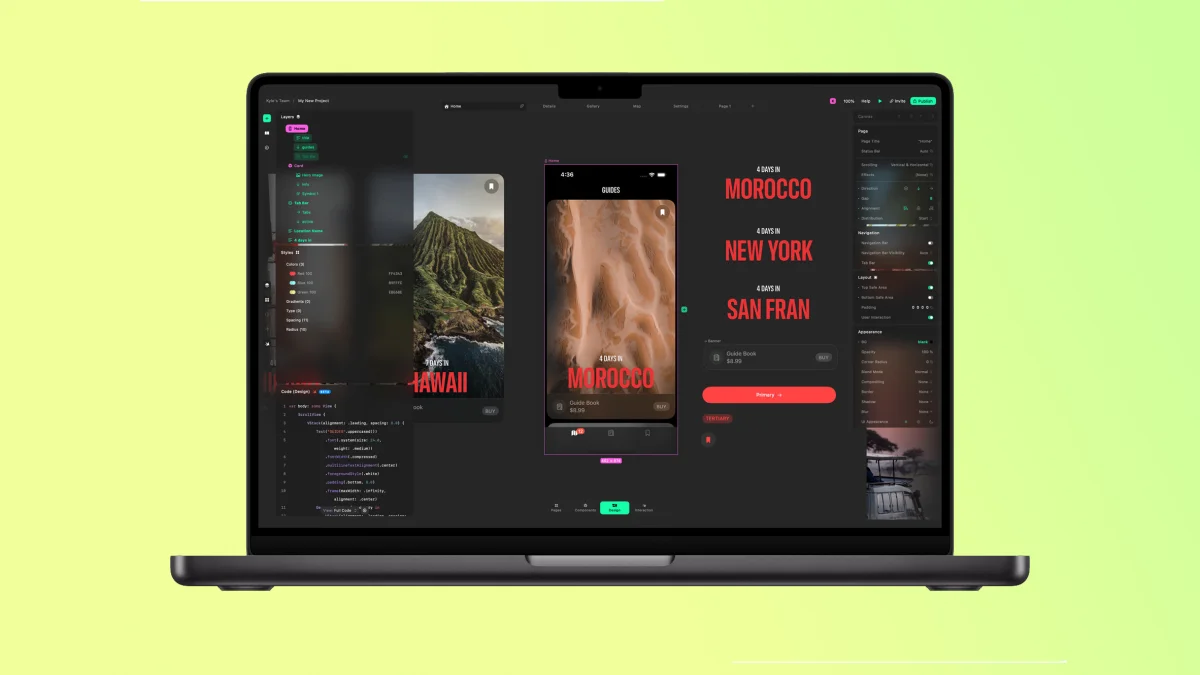
Photo credit: MacrumorsApple has acquired key assets of Rabbit 3 Times, the company behind the award-winning Play app, in a move that could reshape the future of app development on its platforms. The acquisition came to light through a European Commission filing published after a mandatory waiting period under the Digital Markets Act.Along with acquiring certain assets, Apple also secured the right to hire some of Rabbit 3 Times employees. Play, which won the 2025 Apple Design Award for Innovation, enabled designers to build interactive app prototypes using SwiftUI and seamlessly transfer them into Xcode. Although Apple has not disclosed its future plans, the deal signals its continued investment in improving developer tools and strengthening the software creation experience across its ecosystem.Key TakeawaysApple has acquired certain assets of Rabbit 3 Times, creator of the Play app.The deal was disclosed through a European Commission filing under the Digital Markets Act.Apple also has the option to hire some employees from the company.Play won the 2025 Apple Design Award in the Innovation category.The app specialized in SwiftUI-based interactive prototyping for iPhone apps.Industry observers believe Apple may integrate Play's technology into Xcode or future developer tools.How Apple’s Acquisition of Play started to show upApple didn’t make a very clean, formal announcement of the acquisition. Instead, the details kind of slipped out through a regulatory filing that someone submitted to the European Commission, and it only became public after that mandatory four-month pause under the EU’s Digital Markets Act, yeah. In that document it was described that Apple would take certain assets from Rabbit 3 Times, plus it mentioned that Apple might be able to pull in people from the Play development crew, or at least try to. Not long after, Play disappeared from Apple’s App Store, and then it really gave people the idea that the deal was already, basically finished.It kind of feels like one of Apple’s older smaller-scale “acqui-hire” type actions, more focused on strengthening internal capabilities, rather than purchasing a big consumer-facing operation.What made Play feel different from other app design toolsPlay was designed to help designers and developers prototype faster, especially if they already work inside Apple’s ecosystem. Instead of pushing heavy coding from day one, the app let users form interactive interface parts in a visual way using SwiftUI, which is Apple’s current UI framework. You could take what you built and export it straight into Xcode, so the gap between the design work, and the actual implementation, becomes smaller, honestly.It also kept projects aligned across Mac and iPhone, so teamwork isn’t as awkward or clunky when multiple people are involved. Because of that, Play ended up winning the 2025 Apple Design Award for Innovation. Apple specifically pointed to an intuitive interface, and a collaborative workflow.Play App Features Explained: What Does It Offer?FeatureDescriptionSwiftUI PrototypingBuild interactive app interfaces using Apple's SwiftUI framework.Real-Time PreviewTest app interactions without writing extensive production code.Xcode ExportSend prototypes directly into Xcode for continued development.Cross-Device SyncKeep projects synchronized between Mac and iPhone.Interactive ComponentsUse gestures, animations and navigation during prototyping.CollaborationShare and refine designs across teams.Award-Winning DesignWinner of Apple's 2025 Design Award for Innovation.The app was aimed at bridging the gap between UI designers and software developers by making the prototyping process faster and more interactive. Its ability to transform visual concepts into developer-ready SwiftUI projects distinguished it from conventional design software.Why Apple Is Acquiring PlayApple hasent really said anything official about the acquisition, but analysts think the main interest is in Play’s tech and engineering people . The app also feels like it fits into Apple’s bigger push toward SwiftUI , which has turned into the go to way of building apps across iPhone, iPad, Mac, Apple Watch and even Vision devices.If Apple pulls Play’s capabilities into Xcode, devs could end up with a faster, more seamless loop for prototyping, testing and coding all inside one flow. It also matches what Apple has been doing for years , buying smaller technology firms to beef up its software ecosystem, instead of chasing those huge headline deals.How the Deal Could Impact Apple’s Developer EcosystemIf Play gets folded into Xcode, developers might be able to use more advanced visual prototyping features without depending on third party tools. That could shrink the development timeline , since designers and engineers would work together directly in Apple’s own native environment.It might also make SwiftUI adoption feel even easier, since Apple keeps bringing it up in recent WWDC sessions. Apple still has not announced a product roadmap though. Still, most industry watchers think the intellectual property Apple acquired could end up powering future Xcode versions and improving the overall software development experience.What Happens Next?The Play app is already gone from the App Store, which looks like Apple has started shutting down the standalone thing. But it’s unclear if Play will return as part of Xcode, turn into some kind of new Apple branded developer feature, or just quietly feed new technology behind the scenes.Apple tends to fold acquired tech into existing products over time rather than keeping separate apps around. So developers will probably watch for hints in upcoming WWDC announcements or in new Xcode releases, to see how Play’s technology will shape Apple’s platform for building software.FAQs1. What is the Play app?Play is a Mac and iPhone app that lets designers create interactive iPhone app prototypes using Apple’s SwiftUI framework, before exporting them to Xcode.2. Why did Apple acquire Play?Apple is believed to have acquired Play to strengthen its developer ecosystem, secure useful SwiftUI prototyping technology, and bring in key engineering talent.3. Who developed the Play app?Play was developed by Rabbit 3 Times, a company focused on app design and prototyping tools.4. Has Apple announced its plans for Play?No. Apple hasn’t officially explained what it plans to do with Play’s technology after the acquisition.5. Is the Play app still available?No. After the acquisition, the Play app was removed from the App Store, meaning Apple has effectively discontinued the standalone version.end of article
Apple Acquires Award-Winning Play App: Here's How the Deal Could Transform Xcode and App Development
Apple has quietly acquired key assets and talent from Rabbit 3 Times, the creators of the award-winning Play app. This move, revealed through a European Commission filing, signals Apple's commitment to enhancing its developer tools. Play, known for its SwiftUI-based interactive prototyping, could be integrated into Xcode, streamlining app creation and potentially boosting SwiftUI adoption across Apple's platforms. The Play app has since been removed from the App Store.
988 words~4 min read