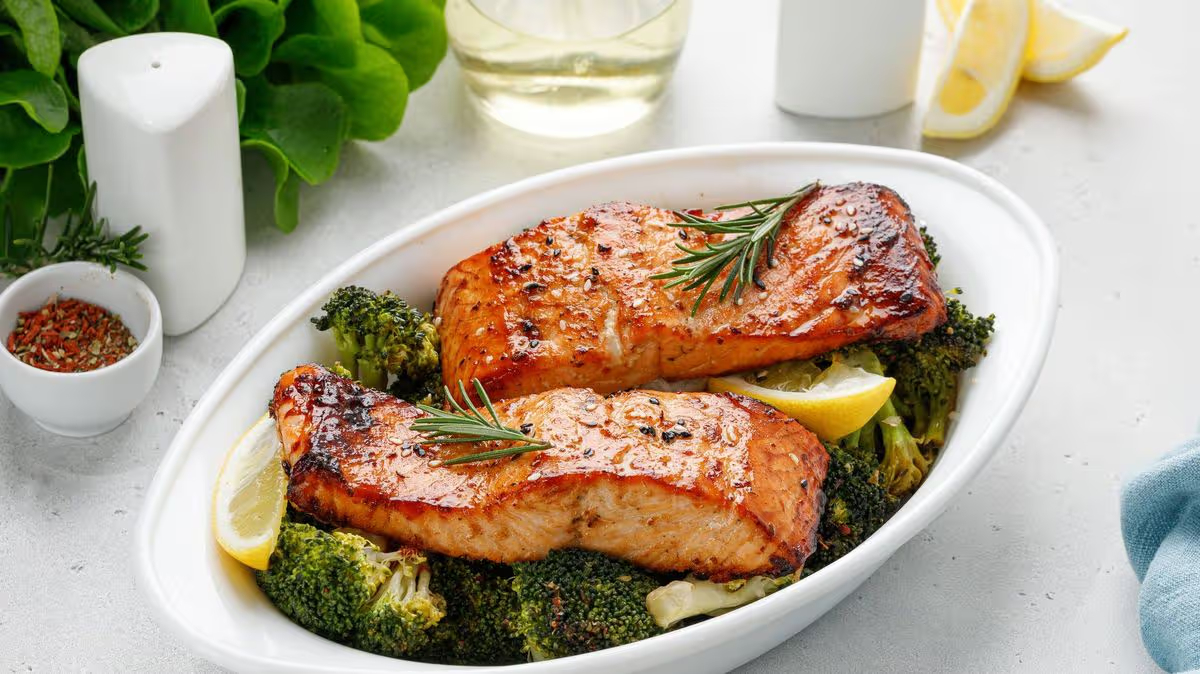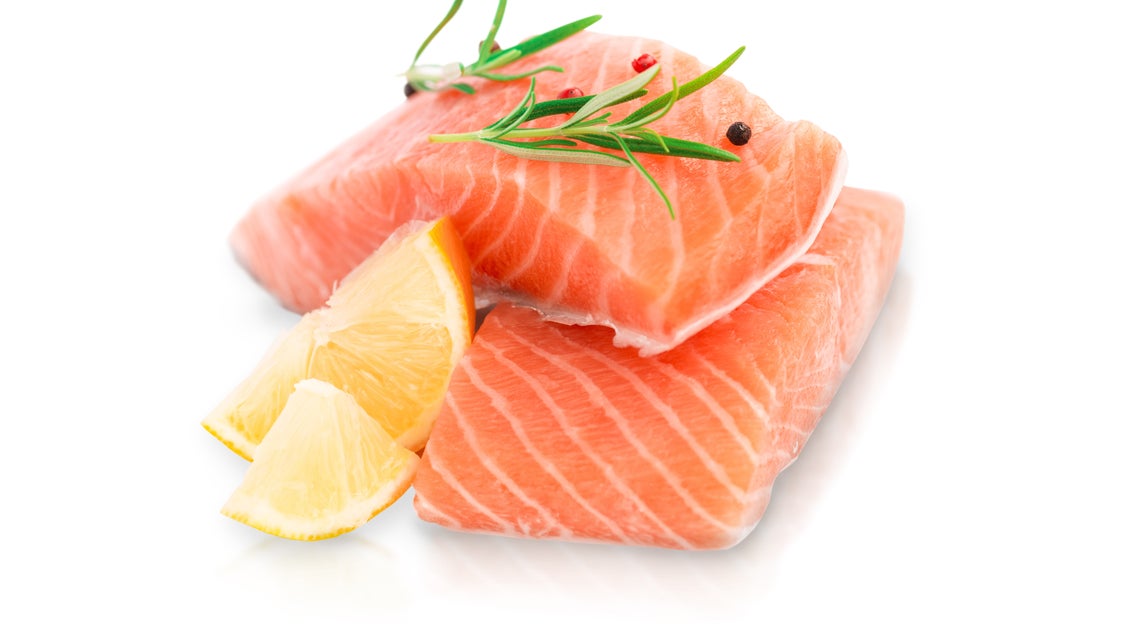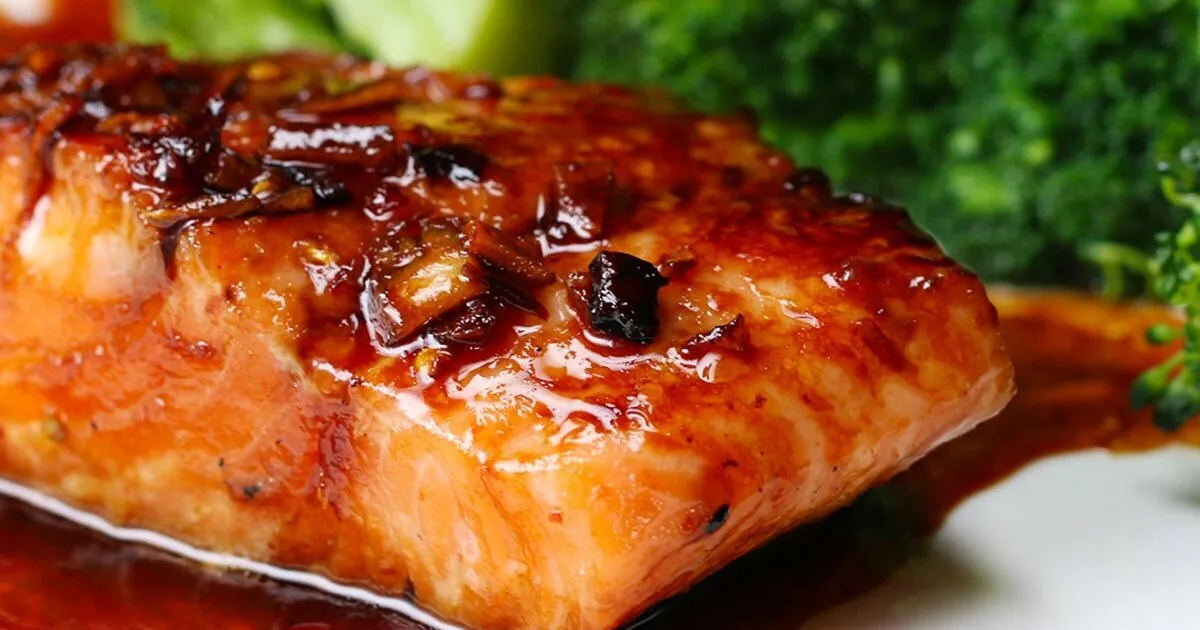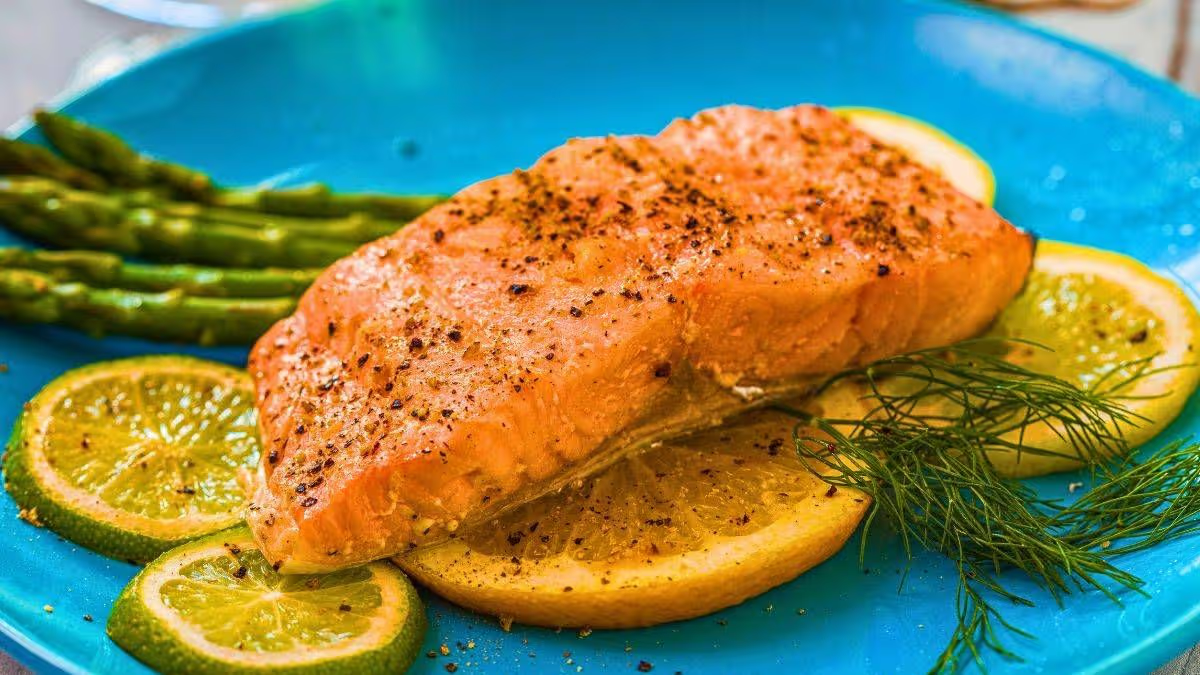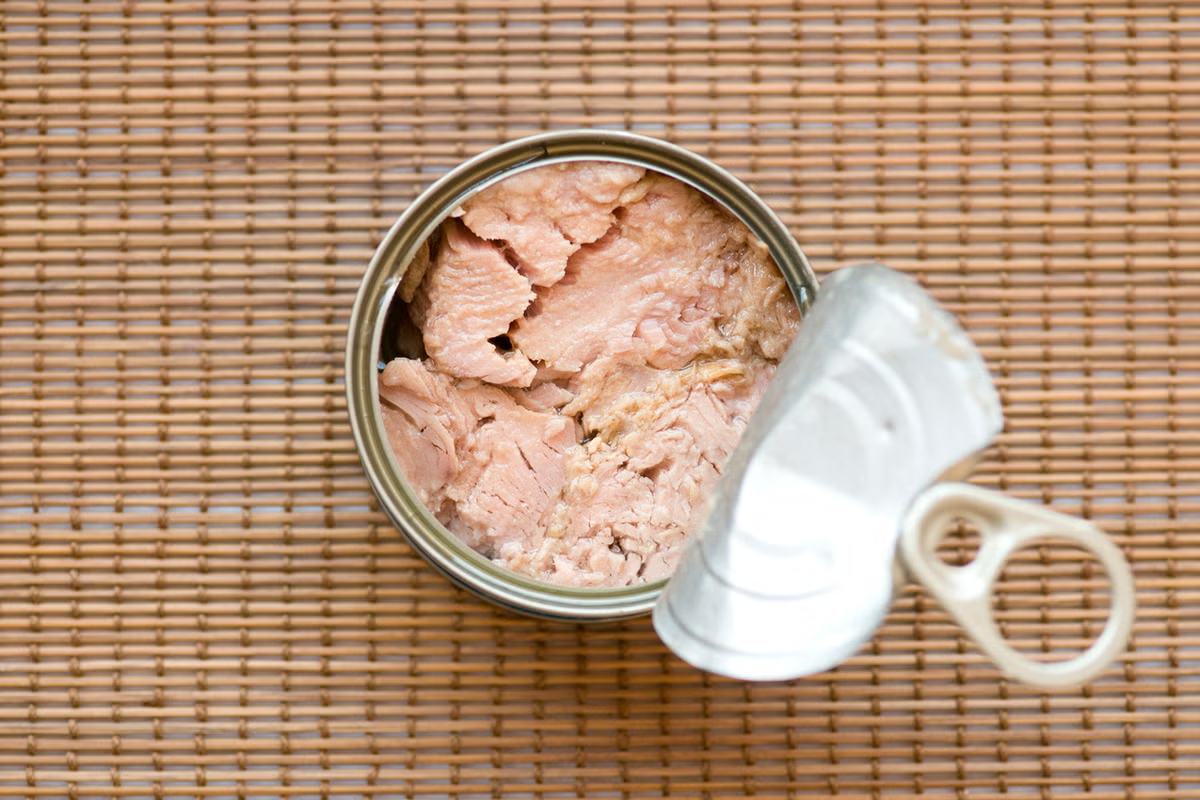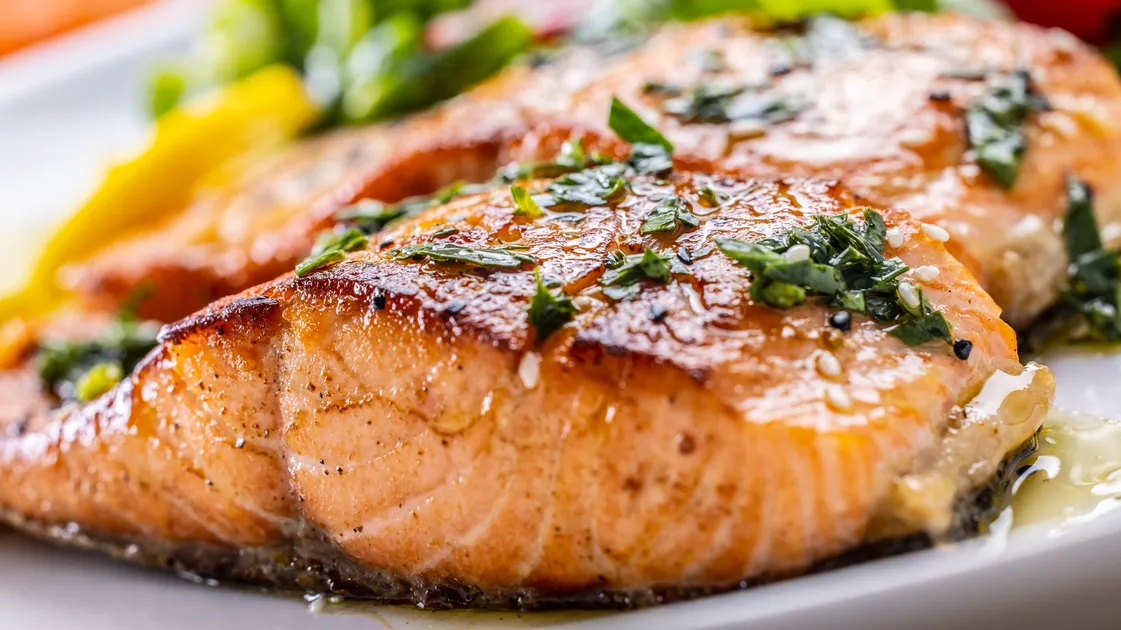
Whether you’re obsessed with your local lunch spot’s new glazed salmon or you’re actively trying to boost your brain health, what’s not to love about salmon? An easy salmon recipe is always welcome in most kitchens — but it’s actually possible to eat too much of it.With salmon in particular, there are concerns about its mercury content and carcinogenic pollutants — but are those concerns legitimate, or are they just plain myths?Ahead, dietitians answer this question and others, such as: How much salmon is too much salmon? How much salmon is best for your health? Does it matter if the salmon is wild-caught or farm-raised? SimpleImages via Getty ImagesIt's recommended to eat two to three servings of fatty fish (like salmon) per week.The Health Benefits Of SalmonFirst, let’s talk about why salmon is health-boosting. It’s even a “superfood” to Janelle Connell, a registered dietitian nutritionist (RDN) and senior translational science nutritionist at Viome.“The power of salmon comes from its omega-3 fatty acid content (specifically EPA and DHA), which helps manage inflammation in the body and supports brain, heart, skin and thyroid health, as well as fat metabolism,” she said.Additionally, Connell mentioned that salmon contains astaxanthin, an antioxidant linked to protecting cells from damage (which reduces the effects of aging), as well as protein and vitamins D and B12.The levels of vitamin D, in particular, are significant in salmon. “It is one of relatively few foods that naturally contain meaningful amounts of vitamin D, a nutrient that plays an important role in bone, muscle and immune health,” said Katie Sanders, an accredited dietitian and nutritionist listed on Doctify, a healthcare review platform. She’s also a fan of salmon, saying it’s “one of the most nutrient-dense foods we can eat.” She added that the high-quality protein helps with muscle maintenance, growth and repair. Plus, it has minerals such as iodine and selenium.The Concern With Eating Too Much SalmonWhile nutritious, salmon isn’t “perfect.” It contains PCBs (pollutants that accumulate in fatty fish tissue and are known carcinogens), mercury (a chemical element and metal) and dioxins (another pollutant).“Even though PCBs were banned in the United States in the 1970s, our food continues to be contaminated with them,” Connell said. But for what it’s worth, when it comes to mercury, salmon isn’t the biggest offender. Both dietitians said it’s relatively low compared to tuna, shark and swordfish, and therefore less of a concern.Sanders also shared a concern about ensuring people are mindful of getting a variety of foods.“Regularly eating salmon can absolutely be part of a healthy diet, but relying too heavily on one food may mean missing out on nutrients that would be obtained from a wider range of fish, protein sources and plant foods,” she said.Signs You’re Eating Too Much SalmonThankfully, salmon is relatively low-risk, according to Connell. That makes overconsumption symptoms pretty uncommon. With that said, you might have problems if you consume “very large amounts daily over many months,” she continued, listing signs of mercury sensitivity. Those include fatigue, difficulty concentrating, headaches and tingling. Those symptoms can signal other problems, too, though.“If someone is consuming very large amounts of salmon or oily fish over a prolonged period, it may be worth reviewing their overall diet with a healthcare professional or registered dietitian to ensure it remains balanced and appropriate for their individual needs,” Sanders agreed. Her concern lies more with the overall dietary pattern rather than the salmon itself. “For example, if salmon is being eaten very frequently at the expense of other foods, it may reduce dietary variety and limit exposure to the wider range of nutrients found in different protein sources, fish, fruits, vegetables and whole grains,” Sanders said.Otherwise, she felt that salmon is “unlikely to cause any noticeable symptoms or health concerns” and encourages overall balance and variety in someone’s diet.Here’s How Much Salmon You Can Safely EatToo much salmon is sort of a thing. Where’s the safe spot?“Eating two to three servings of fatty fish per week is recommended,” Connell said. However, she encouraged meeting that goal with different kinds of fish. “Having a diverse diet with a variety of plant foods and protein sources helps your gut microbiome flourish and supports overall health,” she explained.Generally speaking, salmon isn’t a major concern for these dietitians. “For most people, enjoying salmon a few times a week as part of a varied diet is far more likely to provide health benefits than cause harm,” Sanders concluded.What To Know About Wild-Caught Salmon Versus Farm-Raised SalmonIn this discussion, it’s important to note the difference between wild-caught salmon and farm-raised salmon. According to dietitians, the following is generally true.Wild-caught salmonHas lower levels of PCBsHas a better ratio of omega-3s to omega-6sIs leanerHas higher levels of certain nutrients, such as vitamin DFarm-raised salmonHas higher omega-3 content overallHas more total fatMight be treated with antibiotics, which can disrupt the beneficial microbes in the gut microbiomeHas lower contaminant levels than it used to due to farming practices, feed composition and regulationsAgain, that’s just generally, though. “The exact nutrient content can vary considerably depending on the species, season and farming practices,” Sanders said. “Overall, the nutritional differences between wild and farmed salmon are often smaller than people expect.”Ultimately, she recommended focusing more on eating oily fish regularly than worrying about the type of salmon.Other Foods That Have The Same Health Benefits As SalmonIf you fear you’re eating too much salmon (or don’t like it and want its benefits elsewhere), you’re in luck: Several foods are nutritionally similar. Dietitians listed the following options that can also meet your dietary needs. For omega-3s: fatty fish, such as sardines, mackerel, herring, trout and anchovies, plus walnuts, chia seeds, flaxseeds and hemp seedsFor vitamin D: eggs and fortified milkFor protein and vitamin B12: lean proteins, such as chicken, turkey and lean beef, plus beans, lentils, eggs and dairy products However, Sanders clarified that “Oily fish remains one of the richest dietary sources of the long-chain omega-3 fats EPA and DHA.”If it’s too pricey for you, she suggested more affordable options, such as tinned salmon, sardines or mackerel.But back to salmon: In short, it’s a pretty safe bet, at least for most people. Connell said, “Salmon is as close to a universally beneficial food as our science has found.”
If You Eat A Lot Of Salmon, Here’s What Nutrition Experts Want You To Know
Salmon is a superfood with subtle risks — dietitians share how much to eat each week.
1,038 words~5 min read