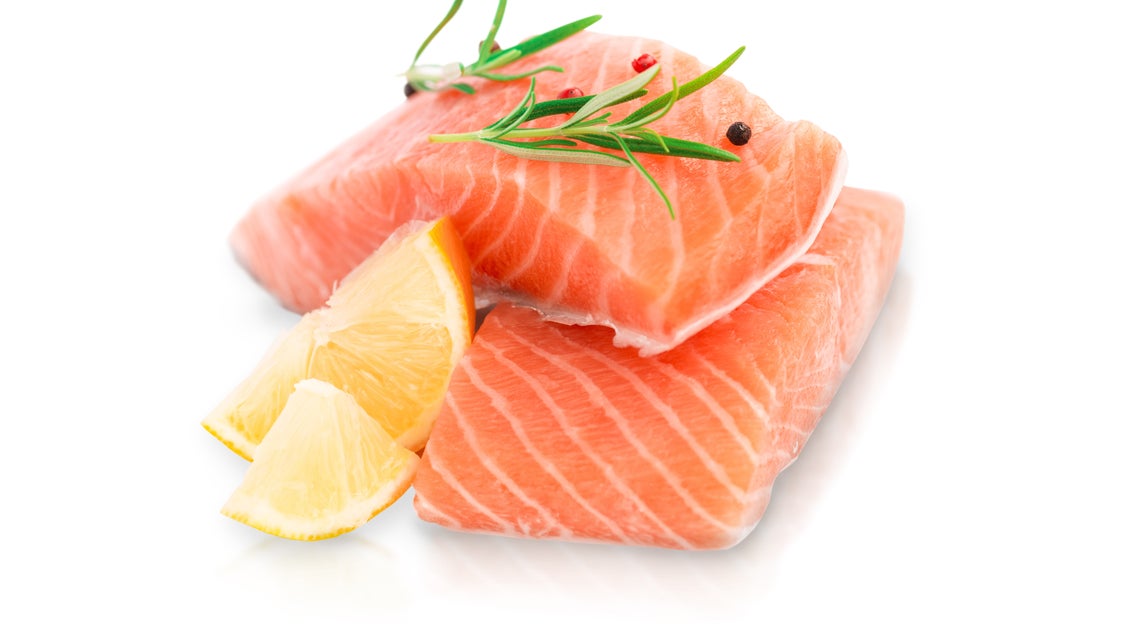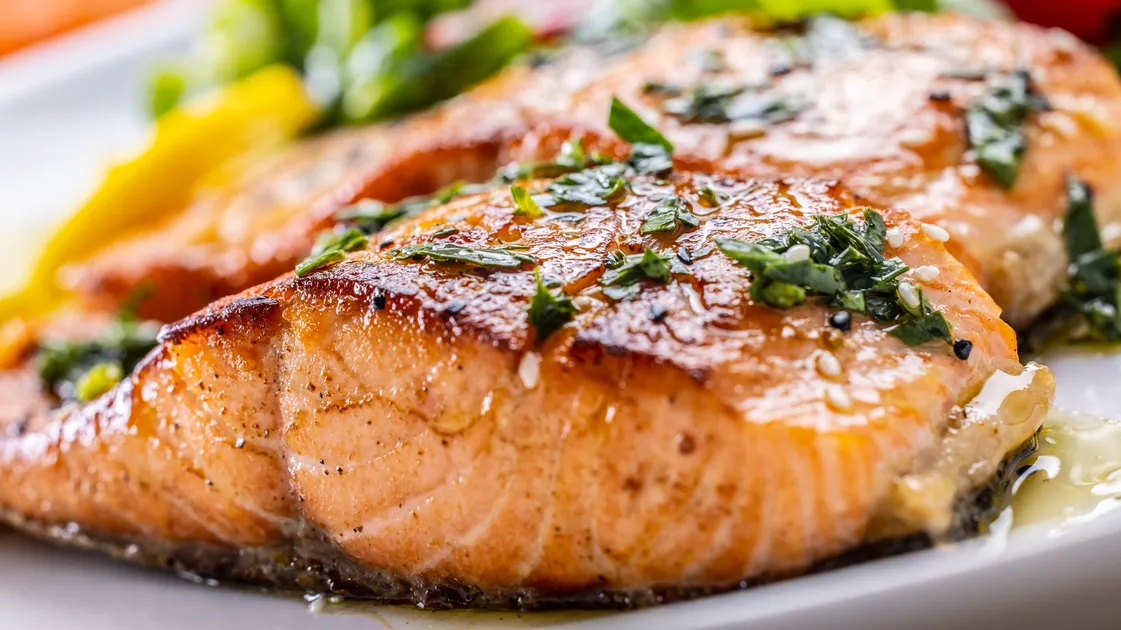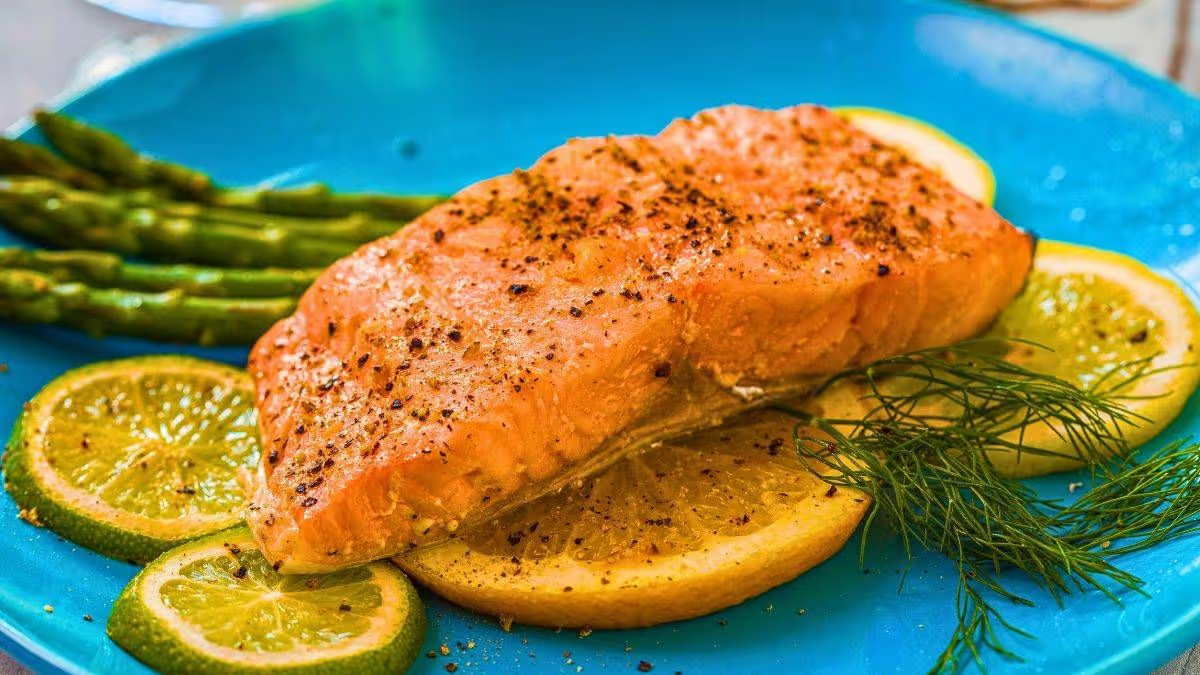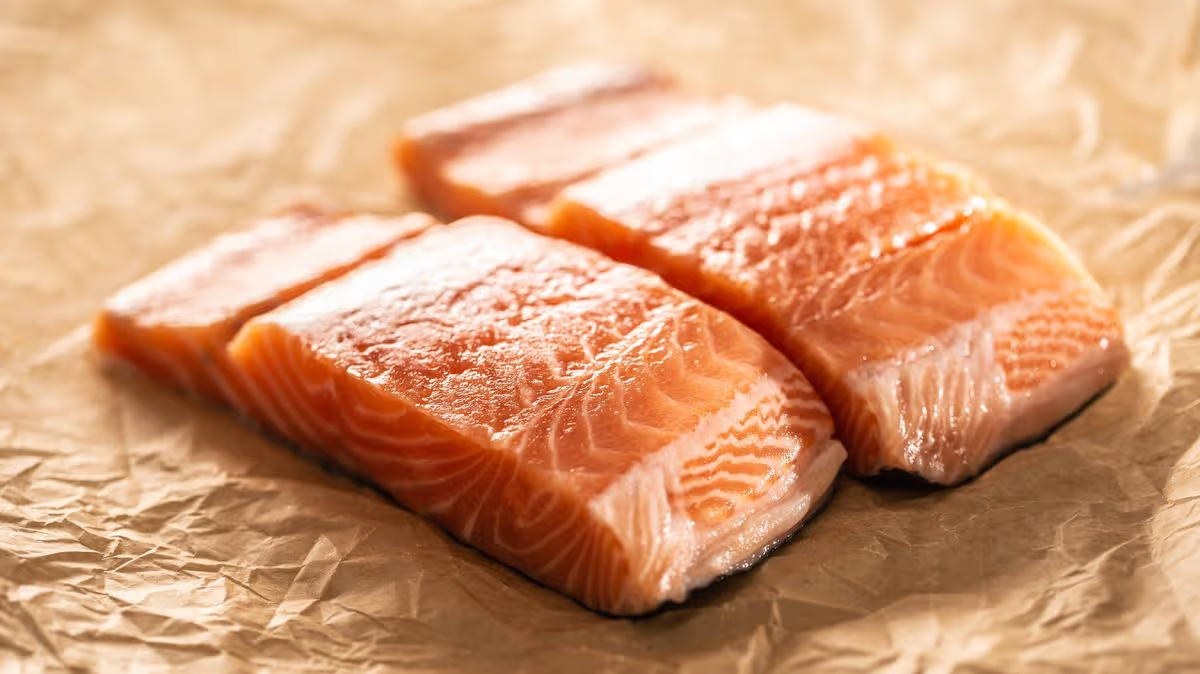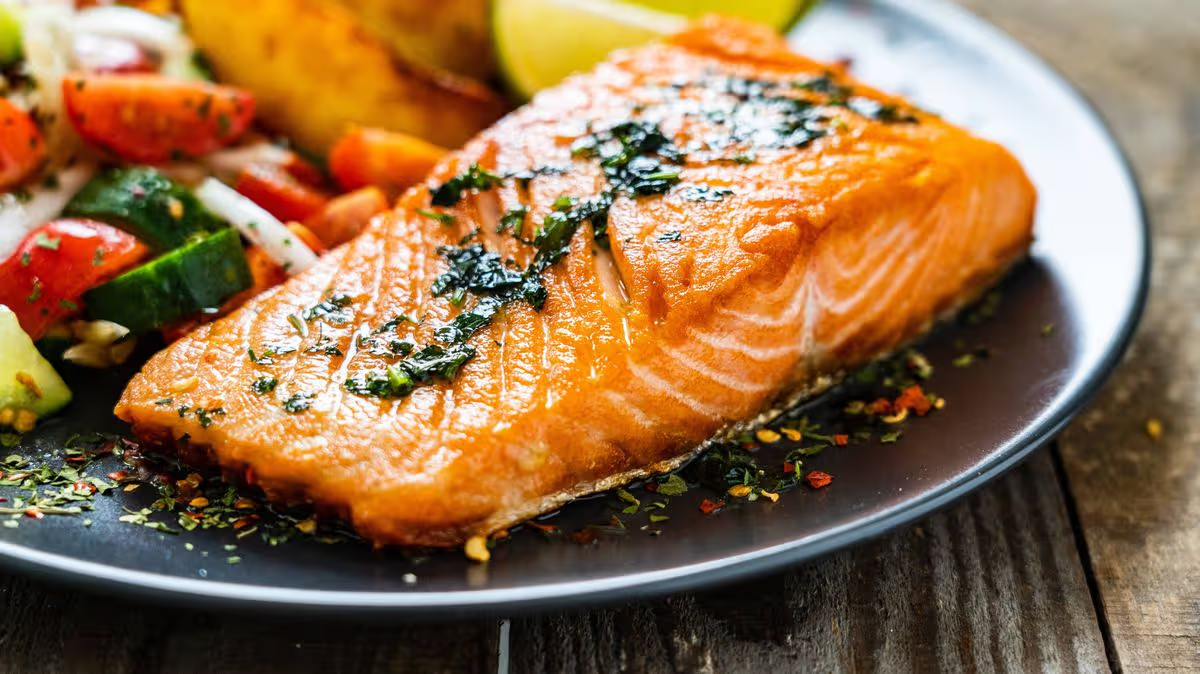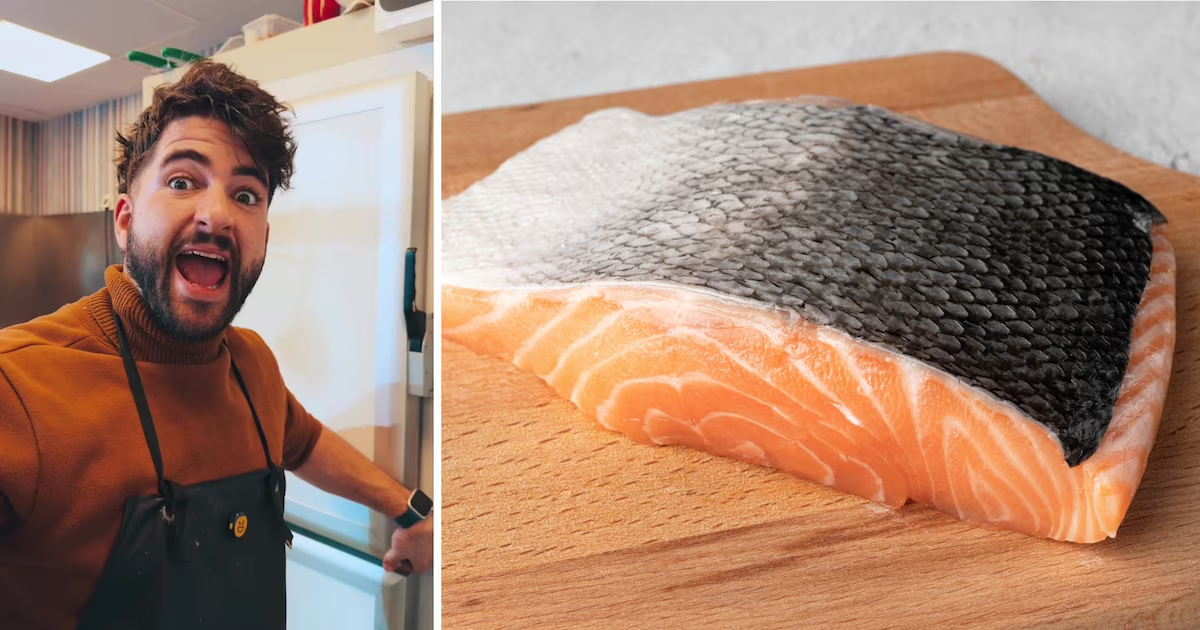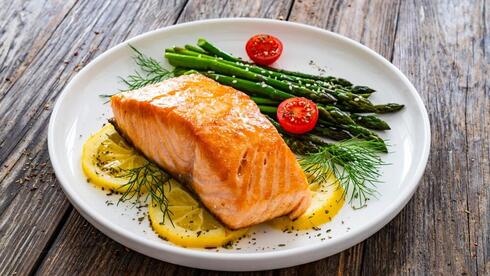
From the truth about Atlantic and Pacific salmon to the secret behind its orange color, experts explain how much salmon to eat, the healthiest ways to prepare it and the common cooking mistake that leaves the fish drySapir Gordo|Rich, buttery and perfectly textured, salmon has earned its place at the top of the world's most popular fish list, particularly in the United States. Salmon is arguably one of the most versatile ingredients in the modern kitchen. Whether enjoyed raw in sushi and sashimi, smoked, cured, baked, grilled, fried or even simmered in a hot stew, salmon consistently delivers. Thanks to its accessibility and ease of preparation, it has become a household favorite.4 View gallery Rich, buttery and perfectly textured, salmon has earned its place at the top of the world's most popular fish list (Photo: Jacek Chabraszewski, Shutterstock)Salmon is far more than just another fish. It is a global culinary cornerstone that different cultures have adapted in their own ways. Among Indigenous peoples of the Pacific Northwest in North America, salmon has been considered sacred for thousands of years. It is served smoked, baked or in soups during ceremonial meals, and every part of the fish — including the skin and bones — is used out of respect for nature.On the other side of the map, Ashkenazi Jewish cuisine gave rise to lox, a salt-cured salmon fillet that became the perfect companion to a bagel with cream cheese. Meanwhile, Nordic cuisine introduced gravlax, cured with dill, and lohikeitto, Finland's rich salmon and cream soup.Travel farther east and you encounter the Japanese revolution. It is hard to believe, but until the 1980s, Japanese consumers generally did not eat raw salmon in sushi because of concerns about parasites in wild fish. The breakthrough came through a highly successful Norwegian marketing campaign that introduced farm-raised salmon as a clean and safe option. The rest is history, transforming sushi bars around the world.The global salmon market is generally divided into two commercial categories: Atlantic salmon and Pacific salmon.Atlantic salmon dominates supermarket shelves and restaurant menus, largely because it is almost entirely farm-raised and available year-round. Countries such as Norway, Chile, Scotland and Canada have become major producers. Atlantic salmon is generally fattier, milder and more tender, making it particularly suitable for grilling, baking, sushi and dishes that benefit from a soft, consistent texture.Opposite it stands the Pacific salmon family — not a single fish but a group of species that includes Chinook (also known as King salmon), Sockeye (often called Red salmon), Coho (Silver salmon), as well as Pink and Chum salmon.Unlike Atlantic salmon, much of the Pacific salmon sold worldwide comes from wild fisheries, particularly in Alaska and along North America's West Coast, although Chinook and Coho are also farmed.4 View gallery Atlantic salmon dominates supermarket shelves and restaurant menus (Photo: Shutterstock)The differences are noticeable on the palate. Pacific salmon tends to be less uniform than Atlantic salmon and is often leaner, firmer and more intensely flavored. Sockeye is known for its deep red-orange color, firm texture and rich taste. Chinook is considered one of the most luxurious and fattiest Pacific varieties, while Coho falls somewhere in between — milder than Chinook but still more distinctive than farmed Atlantic salmon.The striking orange-red color associated with salmon is one of its defining features, but where does it come from?In the wild, salmon feed on plankton, crustaceans and krill rich in natural pigments that color their flesh. Farmed salmon, however, do not have access to this diet, and their natural flesh color tends to be pale grayish-white.To achieve the appearance consumers expect, fish farmers add pigments to the processed feed. They do this using a specialized color scale known as the Roche Color Card, or SalmoFan. Similar to a paint color chart, it serves as an industry-standard guide for salmon coloration.Farmers use the numbered scale to determine how much pigment to add to feed, allowing them to tailor the fish's color according to consumer preferences — from lighter orange shades favored in Germany, to brighter orange tones preferred in Israel, to the deep red hues sought after in Japan's sushi market.Salmon is considered one of the most nutritious fish available, but questions frequently arise about its health benefits, differences between varieties and the best ways to prepare it. To separate fact from fiction, we spoke with Meital Levy, a clinical dietitian at Leumit Health Services.What are salmon's main nutritional benefits?
Why salmon is orange, how much to eat and the biggest cooking mistakes to avoid
From the truth about Atlantic and Pacific salmon to the secret behind its orange color, experts explain how much salmon to eat, the healthiest ways to prepare it and the common cooking mistake that leaves the fish dry
1,780 words~8 min read