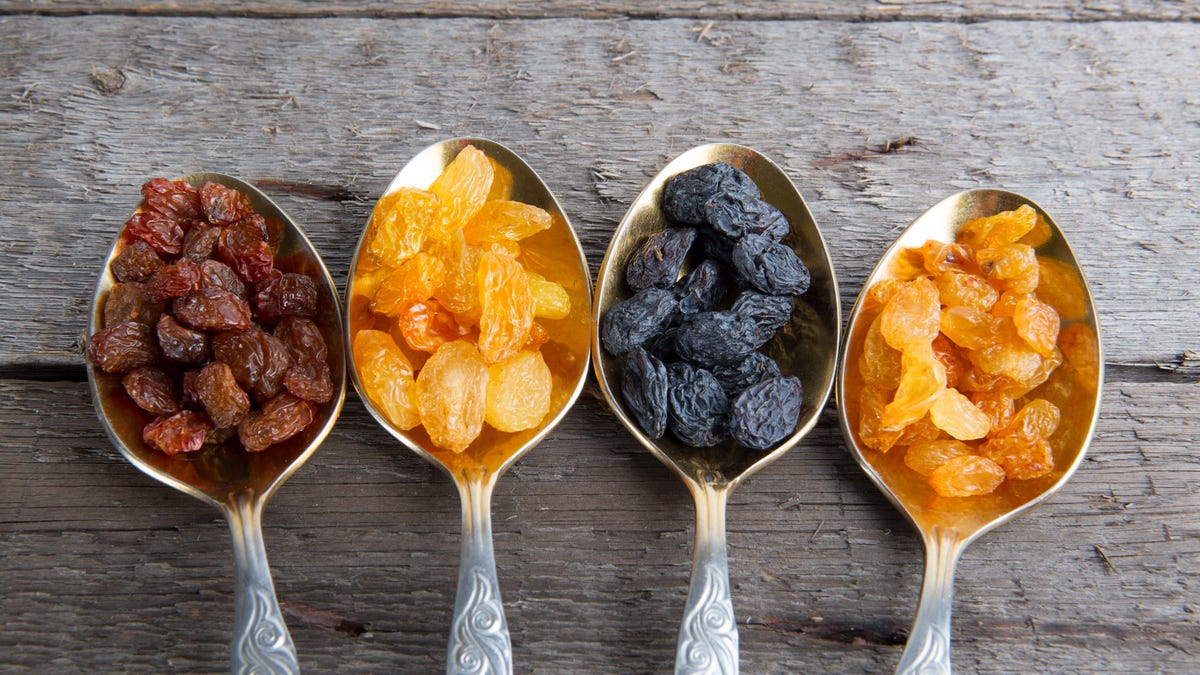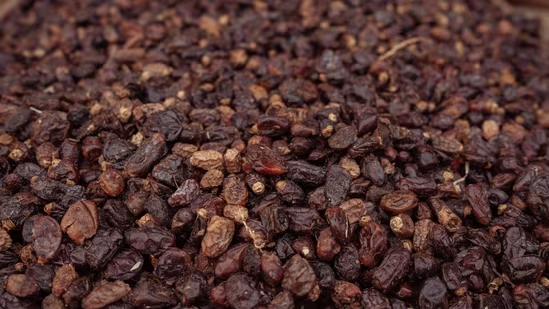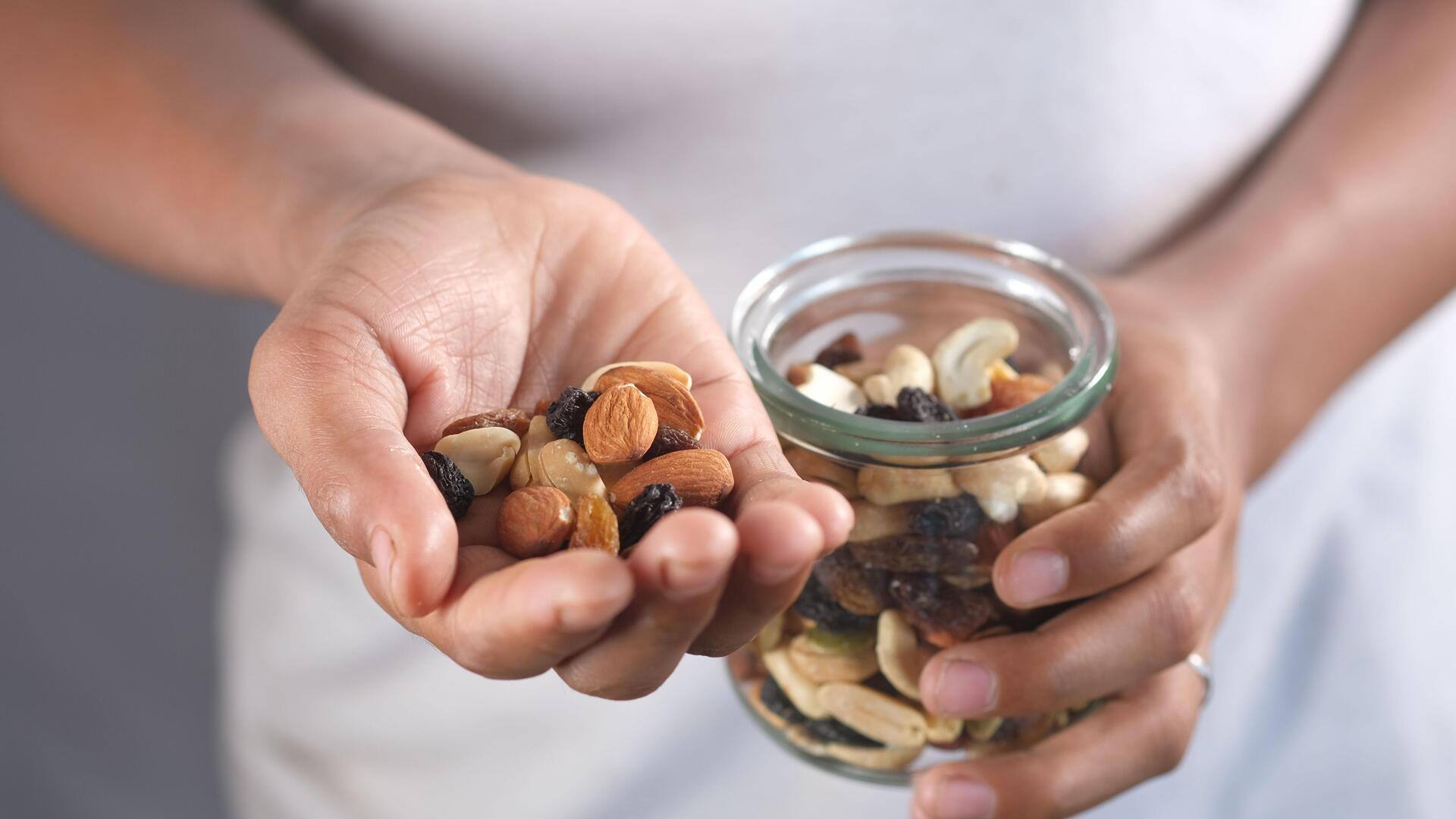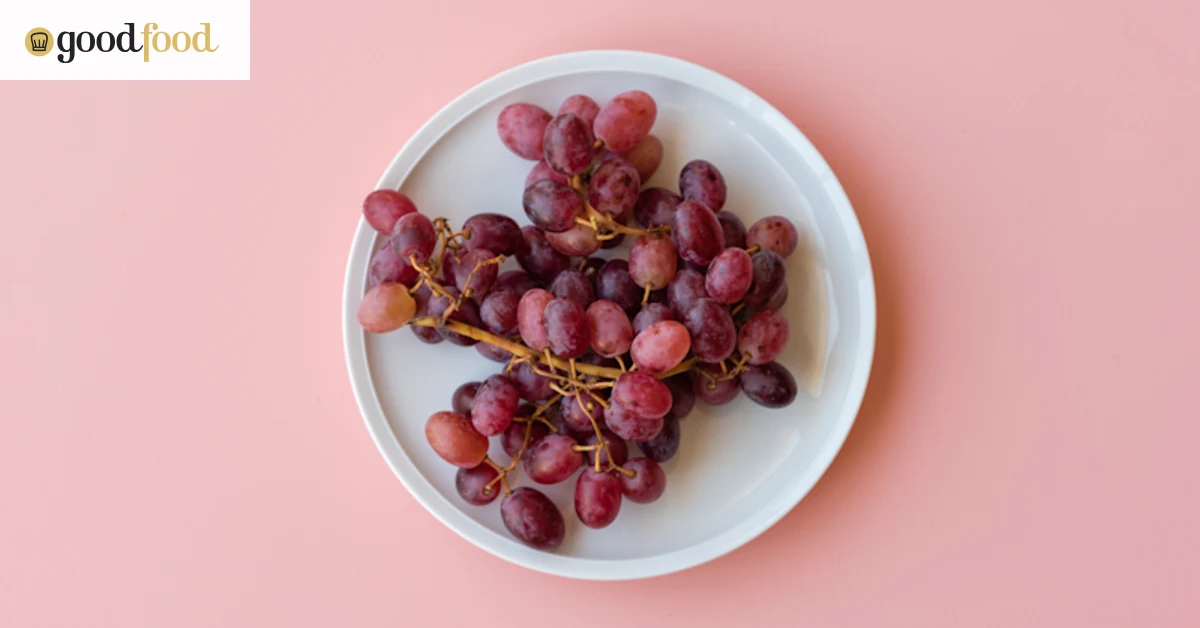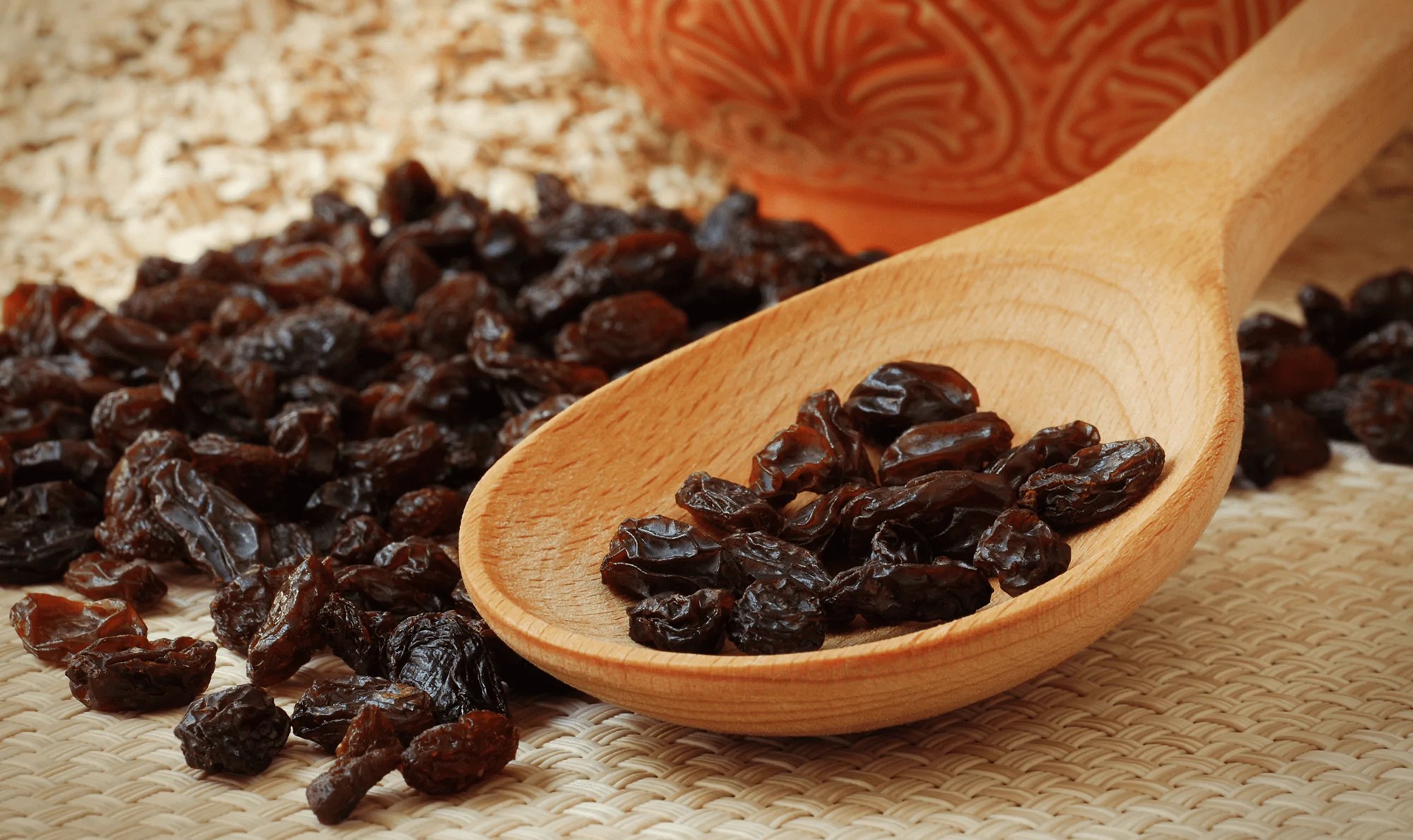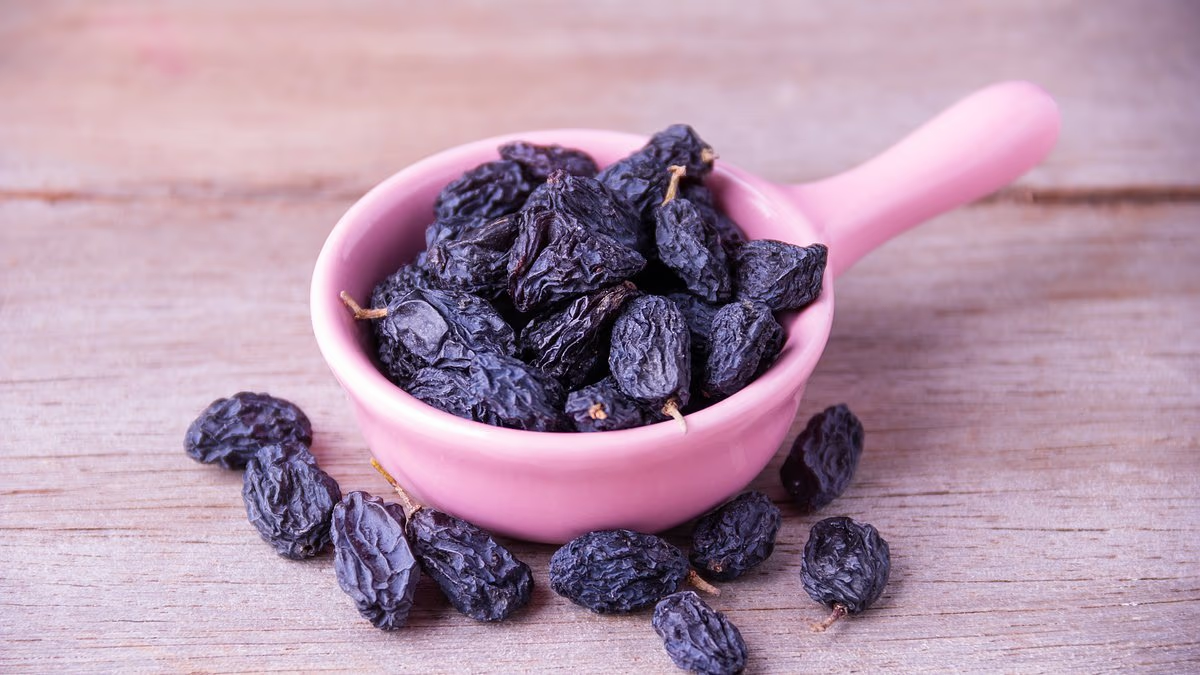
Raisins may be best known as a fixture of fruit cakes and school lunchboxes – but the humble dried grape could also offer surprising benefits for heart and gut health.They are packed with fibre, potassium and polyphenols – plant compounds that help protect cells from damage – and some research has linked raisin consumption with lower blood pressure and better blood sugar control after meals.However, experts warn they are not a free pass to graze endlessly.Because raisins are dried, their natural sugars and calories are highly concentrated, meaning portion size matters.Nichola Ludlam-Raine, a registered dietitian and author of How Not to Eat Ultra-Processed, says raisins can be a useful addition to the diet when eaten in sensible amounts.'Despite their small size, they provide fibre, potassium and a range of beneficial plant compounds, making them a simple way to boost nutrient intake,' she tells the Daily Mail.'While they do contain natural sugars, they come packaged with fibre and micronutrients that you don't get from sugary snacks or sweets.'With that in mind, we asked our expert to explain the best way to add raisins to your diet – and dig into the science behind their health claims. Raisins are small but mighty - and boast a multitude of health benefitsAre raisins good for you? Raisins are made by drying grapes, a process that removes water and concentrates the fruit’s natural sugars, fibre and plant compounds. It is a tried-and-tested method that has been used for centuries.They have been eaten for thousands of years, with evidence of dried grapes dating back to ancient Egypt. Their long shelf life also made them a practical food long before modern refrigeration.A standard 30g serving of raisins counts as one of your five-a-day, according to NHS guidance.It contains around 2g of fibre, which contributes towards the NHS recommendation that adults aim for 30g a day. It also provides around 90 calories – a fraction of the suggested daily intake of 2,500 calories for men and 2,000 for women.Do you want to lose a stone in six weeks?Hi, I'm Emma Bardwell, a nutritionist with more than 15 years' experience helping people improve their health and lose weight.I've been there. I was overweight, unhappy with my skin and stuck in a rut. Then I changed the way I eat. You can now do the same with my tried-and-tested healthy eating plan. And for DailyMail+ subscribers, it's completely free. Click here to sign up and start your journey However, the same serving also contains around 18g of sugar. Although this is naturally occurring, dried fruit is much more concentrated than fresh fruit, which is why portion size matters.Raisins also contain phenols, polyphenols and flavonoids – antioxidant compounds found in plant foods.These natural compounds help neutralise free radicals, unstable molecules that can damage cells and contribute to inflammation and disease over time.The fibre in raisins may also help support digestion and cholesterol levels.Fibre helps keep bowel movements regular and may contribute to lowering LDL cholesterol, often called “bad” cholesterol, by reducing the amount of cholesterol absorbed in the gut.Can raisins boost heart health? One of the main reasons raisins are linked to heart health is their potassium content. Potassium is a mineral that helps the body balance sodium and supports healthy blood pressure.Some studies have suggested that regularly eating raisins may help reduce both systolic blood pressure – the pressure in the arteries when the heart beats – and diastolic blood pressure, the pressure between beats.In one study published by the American College of Cardiology, researchers found that eating raisins three times a day was associated with lower blood pressure compared with other snacks.Dr Harold Bays, medical director and president of Louisville Metabolic and Atherosclerosis Research Center, who led the research, said: 'Raisins are packed with potassium, which is known to lower blood pressure.'They are also a good source of antioxidant dietary fibre that may favourably alter the biochemistry of blood vessels, causing them to be less stiff, which in turn, may reduce blood pressure.'However, experts stress that raisins should not be seen as a treatment for high blood pressure, and anyone with the condition should continue to follow medical advice.Ms Ludlam-Raine says: 'One of the reasons raisins are often linked to heart health is their combination of potassium, fibre and polyphenols.'Potassium helps support healthy blood pressure, while fibre can contribute to cholesterol management.'Although raisins aren't a magic bullet, regularly including them as part of a balanced diet rich in fruit, vegetables, wholegrains and pulses may support cardiovascular health.'What's the difference between raisins, sultanas and currants? Sultanas are golden while raisins are a dark purple Raisins, sultanas and currants are all dried grapes, but they come from different varieties and have slightly different flavours and uses.Raisins are usually made from white or red grapes such as Muscatel, and tend to be dark brown, wrinkled, larger, very sweet and chewy. They are commonly used in baking, porridge and trail mix.Sultanas are made from white seedless grapes, often Thompson Seedless. They are usually paler, plumper, juicier and milder, which makes them popular in cakes, puddings and savoury dishes.Currants are made from tiny Black Corinth grapes, giving them their small size, dark colour and more intense, tart flavour. This is why they are often used in fruitcakes and mince pies.Can raisins help with weight loss? Although they are naturally sweet, raisins have a low-to-moderate glycaemic index, meaning they do not necessarily cause as sharp a rise in blood glucose as some refined sugary snacks, helping keep hunger at bay for longer.Research carried out by the American Diabetes Association suggested that eating 28g of raisins three times a day may reduce post-meal blood sugar levels compared with other snack choices.But it's important to stay mindful of quantity; a small handful may be useful but grazing from a large bag can quickly add up.Larger portions may still raise blood sugar, particularly in people with diabetes or insulin resistance.Ms Ludlam-Raine says: 'When it comes to weight management, raisins can be a useful snack because a small portion provides natural sweetness, fibre and nutrients. The key is portion size. Raisins are dried grapes and have been eaten by humans for centuries The California Raisins have promoted the dried fruits for decades 'A small handful can help satisfy a sweet craving and may prevent people from reaching for confectionery or highly processed snacks, but it's still important to remember that dried fruit is more concentrated in calories and sugar than fresh fruit.'For dieters, raisins can help curb a sweet craving, but because they are small and easy to eat quickly, it is also easy to consume more than intended.Who needs to be cautious about raisins? Raisins are sticky and naturally high in sugar, which means they can cling to the teeth and give decay-causing bacteria something to feast on.Some research suggests they may not be quite as bad for dental plaque acidity as their sticky reputation suggests. Even so, dentists generally advise eating dried fruit with meals rather than picking at it throughout the day.Raisins are also relatively high in potassium, so anyone taking ACE inhibitors or other medicines that can raise potassium levels should check with a doctor or pharmacist before making them a daily habit, particularly if they have kidney problems.Your gut may also object if you start eating fistfuls of the little fruits. Large portions can trigger bloating, gas or cramps, particularly in people with sensitive digestion, because of their fibre and natural fruit sugars.Some commercially dried raisins are also treated with sulphites to help preserve their colour and shelf life, which may cause symptoms in people with sulphite sensitivity or asthma.And there is one warning that should never be ignored: raisins are highly toxic to dogs. Even small amounts can cause acute kidney failure, so they should never be fed to pets.What's the best way to add raisins to your diet? For most healthy adults, experts say raisins can be a nutritious, affordable and convenient food when eaten in moderation.They can be stirred into porridge, sprinkled over yoghurt, added to salads, mixed with nuts or used in curries and grain dishes for natural sweetness.For a treat, you can also seek out a serving of rum and raisin ice-cream, the perfect tonic to the heatwave currently gripping the UK. Ms Ludlam-Raine says: 'Raisins do contribute towards your five-a-day, but no single fruit should be relied upon exclusively. Variety is important because different fruits and vegetables provide different vitamins, minerals and plant compounds.'The good news is that fresh, frozen, tinned and dried options all count, making it easier to include a range of produce throughout the week.'
The forgotten health benefits of raisins - and how many you should eat
Raisins may be best known as a fixture of fruit cakes and school lunchboxes - but the humble dried grape could also offer surprising benefits for heart and gut health.
1,430 words~7 min read