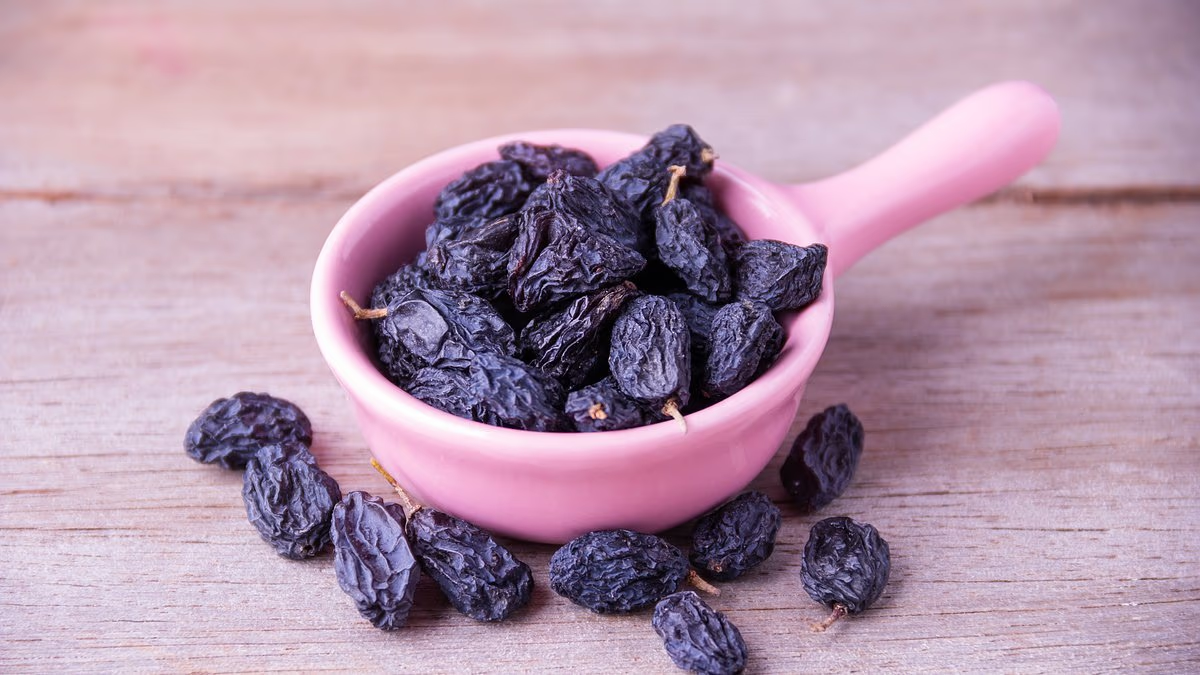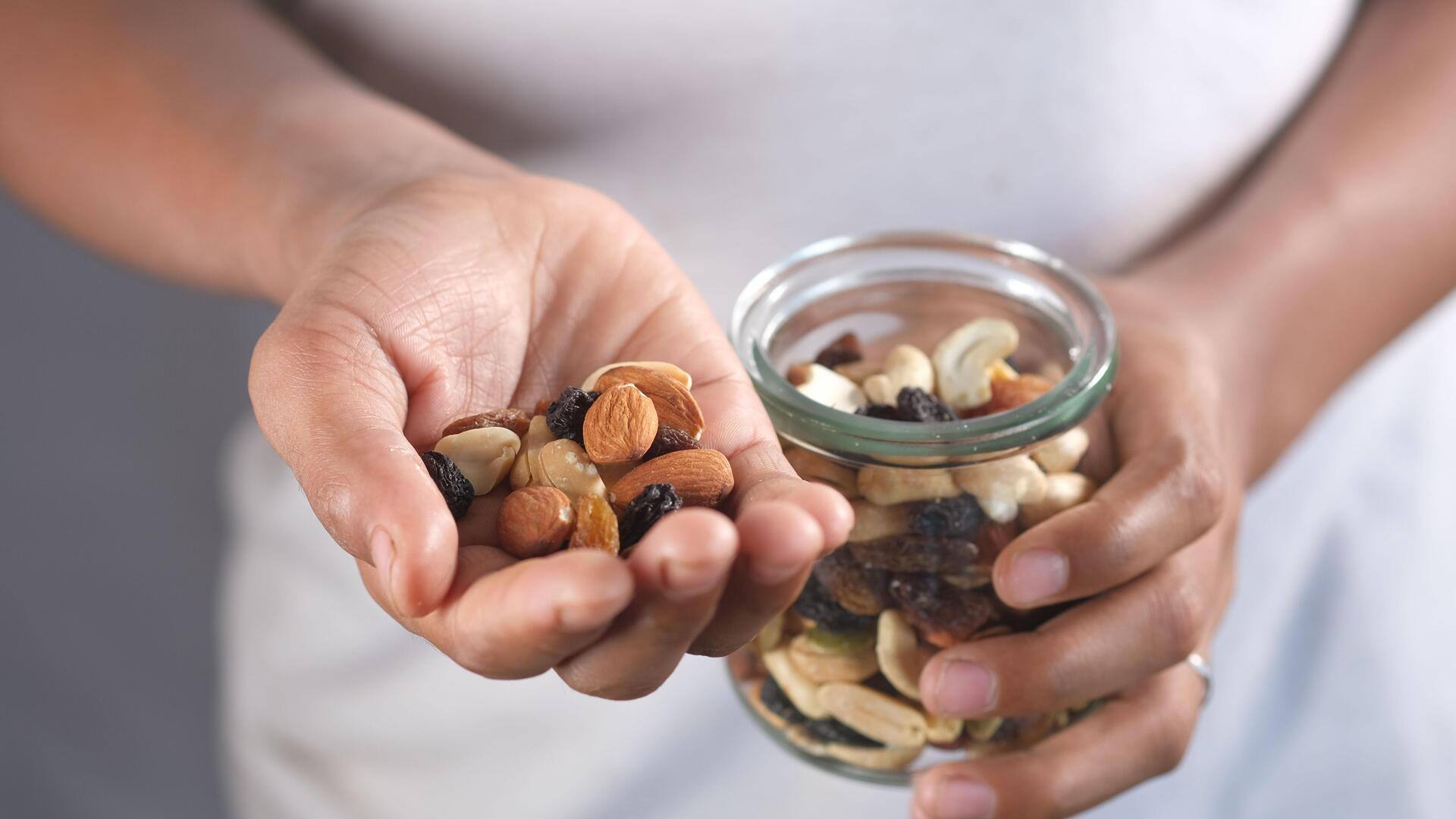
If you’re looking for a snack on the go, a sweet topping to your morning cereal or the star ingredient of an oatmeal raisin cookie, raisins are the versatile dried fruit that you can easily incorporate into a balanced dietary pattern.
Raisins are dried grapes, meaning they’re naturally quite nutrient-dense. They’re high in fiber, and pack a punch with a few essential minerals. We asked an expert to break down everything you need to know about the nutritional benefits of raisins, and how they stack up against grapes.
Yes, raisins are good for you. They have a similar nutritional profile to other kinds of fruits, says Camila Martin, a registered dietitian nutritionist with UW Health. They are high in carbohydrates and contain a little bit of protein and fat. They’re also a relatively good source of iron, magnesium and potassium, says Martin.
Raisins are also an excellent source of dietary fiber, says Martin. Over 90% of women and 97% of men don’t meet the daily recommended intake of dietary fiber, according to the Dietary Guidelines for Americans 2020-2025. We know that having an adequate amount of dietary fiber is essential for reducing your risk of coronary heart disease and supporting gut health. So, in the context of a balanced dietary pattern, eating raisins could definitely contribute to meeting your daily fiber intake.