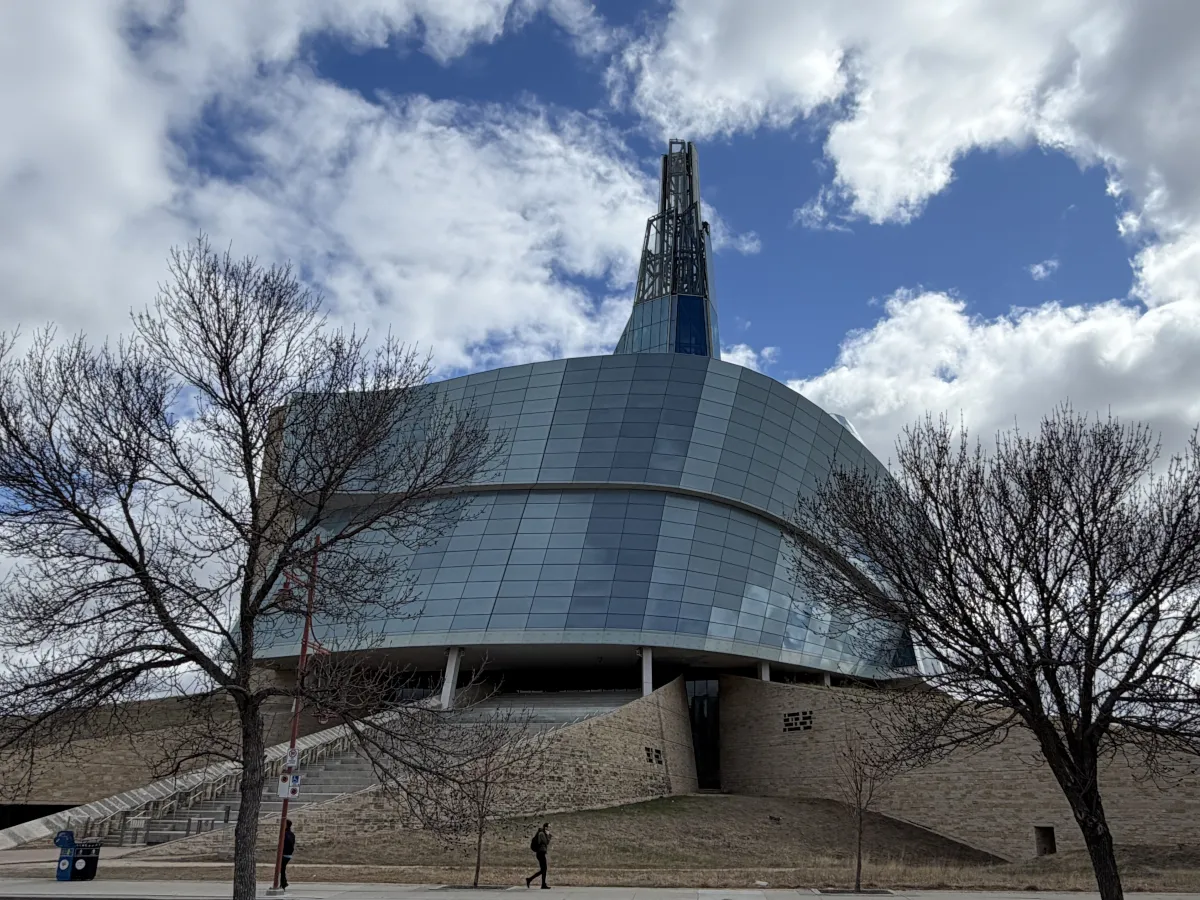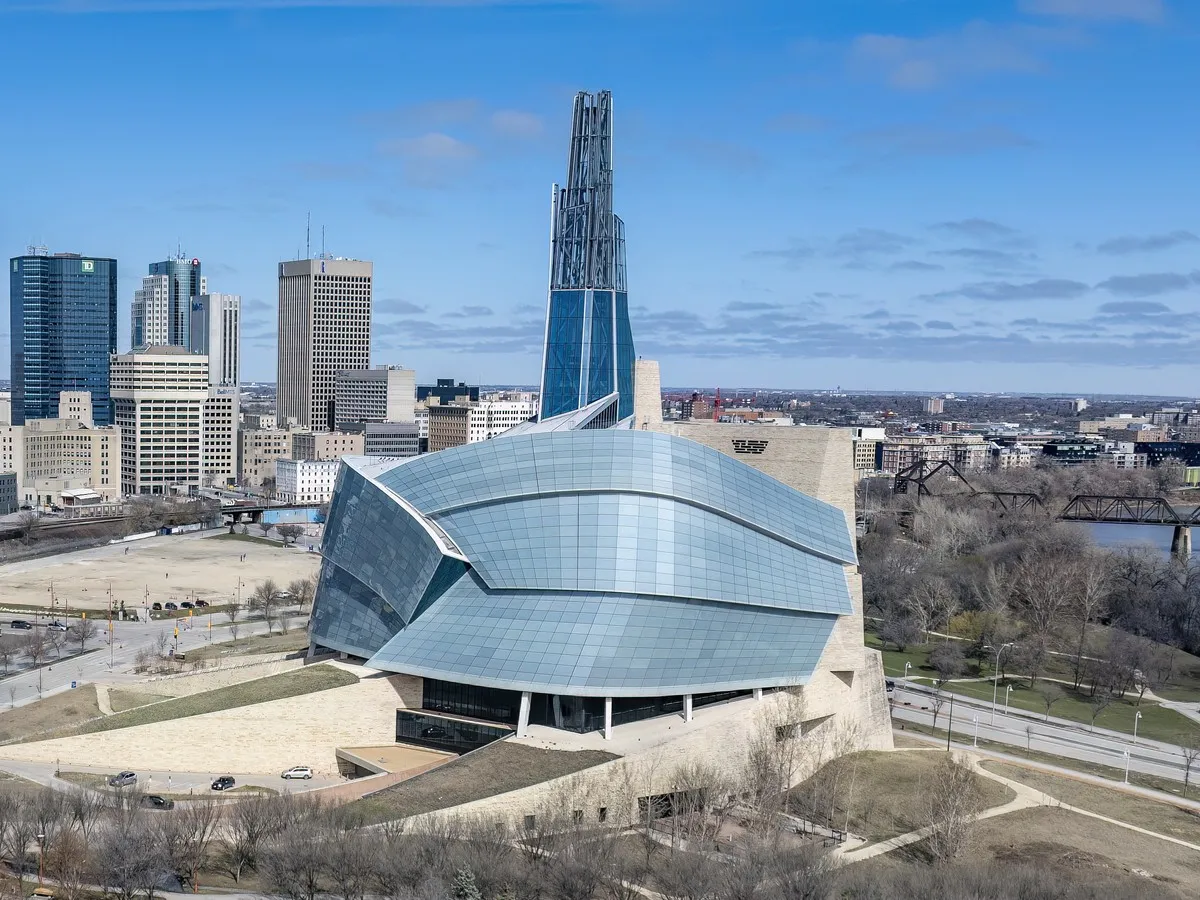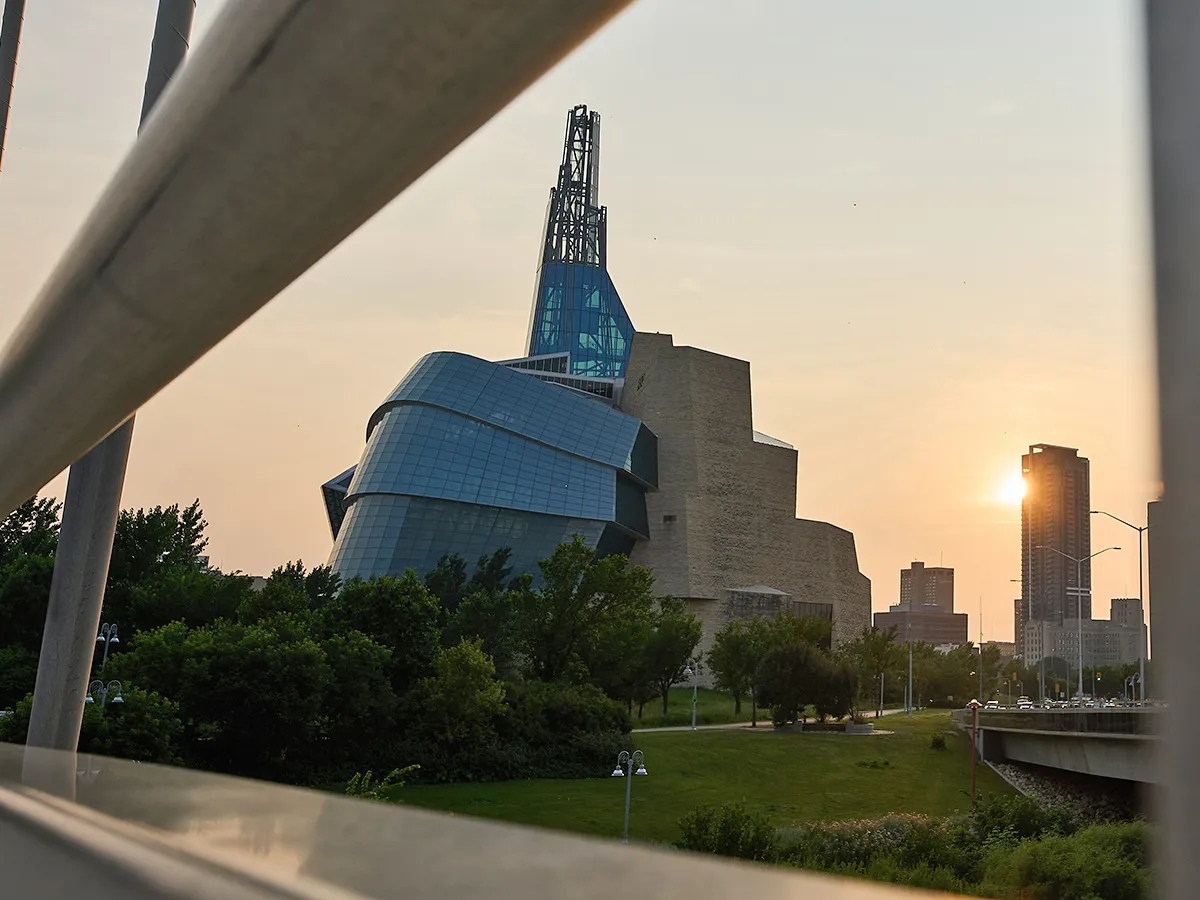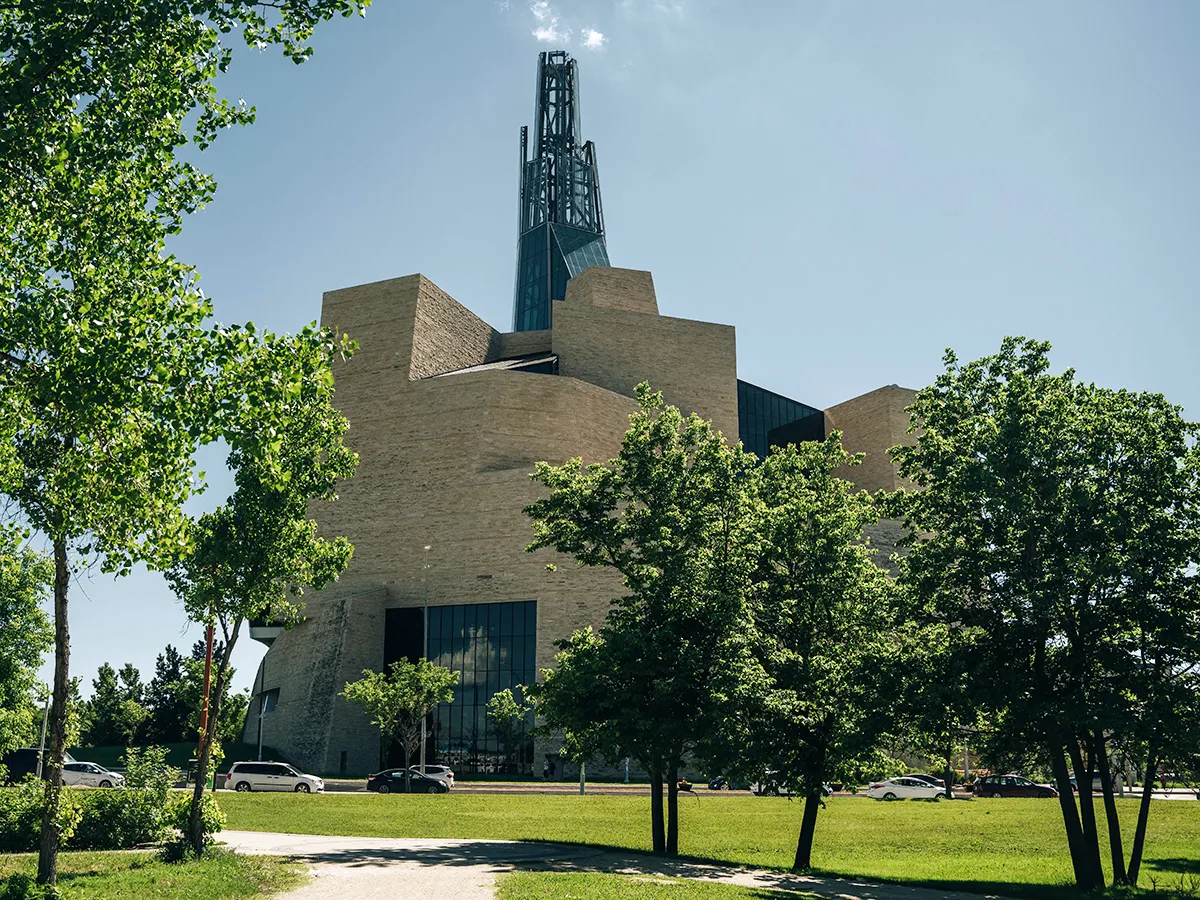
Skip to Content Subscribe Our Offers My Account Manage My Subscriptions FAQ Newsletters Canada Canadian True Crime Canadian Politics Health World Israel & Middle East Financial Post NP Comment Longreads Puzzmo Diversions Comics NP News Quiz New York Times Crossword Horoscopes Life Eating & Drinking Style Sponsored Play for Ontario Travel Travel Canada Travel USA Travel International Cruises Travel Essentials Culture Books Celebrity Movies Music Theatre Television Business Essentials Advice Lives Told Tails Told Shopping Buy Canadian Home Living Outdoor Living Kitchen & Dining Tech Style & Beauty Personal Care Entertainment & Hobbies Gift Guide Travel Guide Amazon Prime Day Deals Savings National Post Store More Sports Hockey Baseball Basketball Football Soccer Golf Tennis Driving Vehicle Research Reviews News Gear Guide Obituaries Place an Obituary Place an In Memoriam Classifieds Place an Ad Celebrations Working Business Ads Archives Healthing Epaper Manage Print Subscription Profile Settings My Subscriptions Saved Articles My Offers Newsletters Customer Service FAQ Newsletters Canada World Financial Post NP Comment Longreads Puzzmo Diversions Life Shopping Epaper Manage Print Subscription HomeNP CommentTerry Newman: Is anyone responsible for the Nakba exhibit's anti-Zionist propaganda?Museum erases history, yet no one — from the CEO to Miller and Carney — has taken responsibilityLast updated Jun 30, 2026 You can save this article by registering for free here. Or sign-in if you have an account.The Canadian Museum for Human Rights in Winnipeg. Photo by Adobe StockThis past weekend, the Canadian Museum for Human Rights (CMHR) unveiled “Palestine Uprooted: Nakba Past and Present,” and the exhibit turned out to be exactly what critics had feared. Instead of providing a balanced historical examination, the exhibit memory-holes key context — including Arab rejection of the UN partition plan and the full scope of the 1948 war — in favour of a politicized, one-sided narrative that focuses on catastrophe and “ongoing dispossession.” And I didn’t even have to visit the exhibit to reach this conclusion. The proof is right there on the museum’s website for anyone willing to compare it with the full historical record.Enjoy the latest local, national and international news.Exclusive articles by Conrad Black, Barbara Kay and others. Plus, special edition NP Platformed and First Reading newsletters and virtual events.Unlimited online access to National Post.National Post ePaper, an electronic replica of the print edition to view on any device, share and comment on.Daily puzzles including the New York Times Crossword.Support local journalism.Enjoy the latest local, national and international news.Exclusive articles by Conrad Black, Barbara Kay and others. Plus, special edition NP Platformed and First Reading newsletters and virtual events.Unlimited online access to National Post.National Post ePaper, an electronic replica of the print edition to view on any device, share and comment on.Daily puzzles including the New York Times Crossword.Support local journalism.Create an account or sign in to continue with your reading experience.Access articles from across Canada with one account.Share your thoughts and join the conversation in the comments.Enjoy additional articles per month.Get email updates from your favourite authors.Create an account or sign in to continue with your reading experience.Access articles from across Canada with one accountShare your thoughts and join the conversation in the commentsEnjoy additional articles per monthGet email updates from your favourite authorsSign In or Create an AccountorThe CMHR’s website refers to the exhibit as “a moving exploration of the ongoing forced displacement of Palestinians.” But what it moves people with is not history, but narratives, personal stories and emotional videos. Notably, the small portion of history that the exhibit — which the museum plans to run for almost two and a half years — includes exists in a vacuum.This newsletter from NP Comment tackles the topics you care about. (Subscriber-exclusive edition on Fridays)By signing up you consent to receive the above newsletter from Postmedia Network Inc.We encountered an issue signing you up. Please try againDespite the fact I was assured by the museum’s spokesperson that lack of consultation with Jewish groups in the preparation of the exhibit did not matter because it was not going to be a “historical retrospective,” those visiting the site are told they will be exploring Palestinian “history.”The CMHR’s website also states that the exhibit “explores the human rights violations related to the ongoing forced displacement and dispossession of Palestinians.” It’s unclear when it became the role of a public museum to present contested allegations of systematic human rights violations that have not been ruled as settled historical fact by any international court, though it appears the CMHR believes it has been endowed with such powers.Visitors are introduced to the word Nakba, or “catastrophe” in Arabic, and told that the term refers to the mass displacement of Palestinians in 1948. They are also told that this chapter of history hasn’t closed, having been “shaped by wars, military occupation and violations of human rights across five generations,” implying Palestinians have been the ongoing victims of Israelis, omitting the attempted destruction of Israel since its inception, intifadas, constant terror attacks, and the bloody Hamas attack on Israel on October 7.This framing of the term Nakba contradicts historical facts, something a museum, especially a human rights museum, should concern itself with, lest it become a vehicle for propagating disinformation and fuelling hatred of Jews and all who support Israel.According to Begin-Sadat Center for Strategic Studies, the term Nakba first appeared in a 1948 book written by a Syrian historian, Constantin Zureiq, titled Ma’na al-Nakba, which translates to The Meaning of the Disaster. In the book, Zureiq writes, “When the battle broke out, our public diplomacy began to speak of our imaginary victories, to put the Arab public to sleep and talk of the ability to overcome and win easily — until the Nakba happened … We must admit our mistakes … and recognize the extent of our responsibility for the disaster that is our lot.”As the Begin-Sadat Center points out, the term Nakba is used by Zureiq “to describe the magnitude of the self-inflicted Palestinian and Arab defeat in the 1948 war” — a war the Arab countries and Palestinians waged in response to the creation of Israel in order to destroy it — a fact the museum’s exhibit omits entirely. The war did not have to happen. They wanted to destroy Israel. This seems like vaguely important context when it comes to understanding Palestinian displacement.The exhibit tells visitors that “militias, followed by Israeli forces, expelled civilians, destroying or emptying hundreds of villages amid regional war and lasting instability” and that “around 750,000 Palestinians were forcibly displaced during the creation of the State of Israel.”This makes it sound like this is how Israel was formed. It makes it sound as if the first interaction with Palestinians and Israelis was akin to the Huns, invading a new land and scooping it up as their own. But the displacement of Palestinians was not a condition of the formation of the State of Israel. Leaving out the context of a war launched by Arab states and Palestinian militias after they rejected the UN partition plan, and the invasion of what was the newly declared State of Israel, is a choice the museum needs to own.The exhibit also omits information about Jews who fled or were expelled from neighbouring Arab countries and who then came to the newly created State of Israel to finally be safe.This is not an exhibit that should be in any museum, let alone a taxpayer-funded human rights museum. The Post has already uncovered that some of the individuals involved with shaping the exhibit over the past few years were hardened anti-Zionists. There is certainly a story to be told about Palestinian displacement. The question is, why did a museum that has access to historical expertise choose to limit that knowledge, promoting an anti-Zionist framework that implies that the State of Israel was monstrous in its creation and therefore should not exist?It’s not a question Marc Miller, the cabinet minister responsible for federal funding to the museum, nor Prime Minister Mark Carney, want to answer, either.Miller was questioned in the House of Commons about the appropriateness of a visit to the museum by the Palestinian representative to Canada, Mona Abuamara, while the exhibit was still being prepared. According to leaked emails sent to museum’s vice-president of exhibitions and the CEO by a member of the Palestinian content advisory group for the exhibit, Abuamara was “keen to receive an update on the progress of the project, understand where we currently stand and explore how she might be able to assist if necessary.” In response to the questioning in the House, Miller suggested it wasn’t his business. It was the museum’s. (Abuamara, by the way, is the same Palestinian representative, who, the day after October 7, posted on X that Israel was “fully responsible for this situation.”)Last week, when the Post reached out to Prime Minister Mark Carney to ask why he hadn’t responded to a formal letter from the Israeli ambassador, in which the ambassador expressed serious concerns about the exhibit, Carney’s office gave an answer similar to that offered by Miller.Museum CEO Isha Khan recently said she holds “responsibility ultimately for the decisions” her team made about the exhibit. But Khan doesn’t appear to be responsible to anyone for an exhibit that is, in its current historically vacuous state, best summed up as anti-Zionist propaganda.National Post Join the Conversation This website uses cookies to personalize your content (including ads), and allows us to analyze our traffic. Read more about cookies here. By continuing to use our site, you agree to our Terms of Use and Privacy Policy.
Terry Newman: Is anyone responsible for the Nakba exhibit's anti-Zionist propaganda?
Museum erases history, yet no one — from the CEO to Miller and Carney — has taken responsibility
1,585 words~7 min read