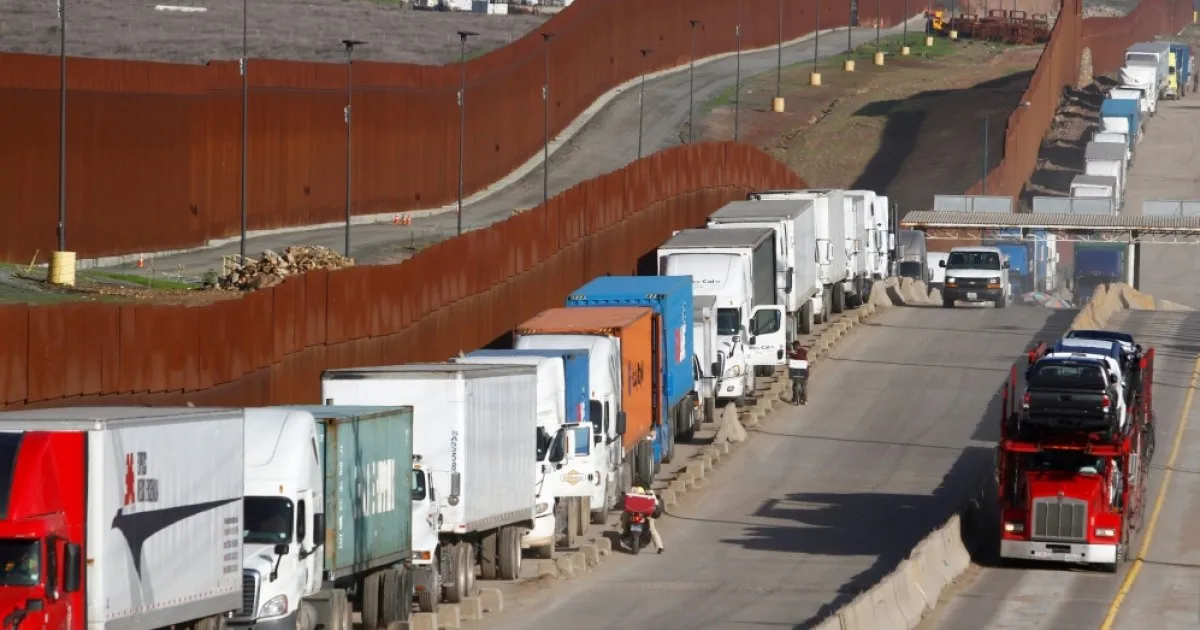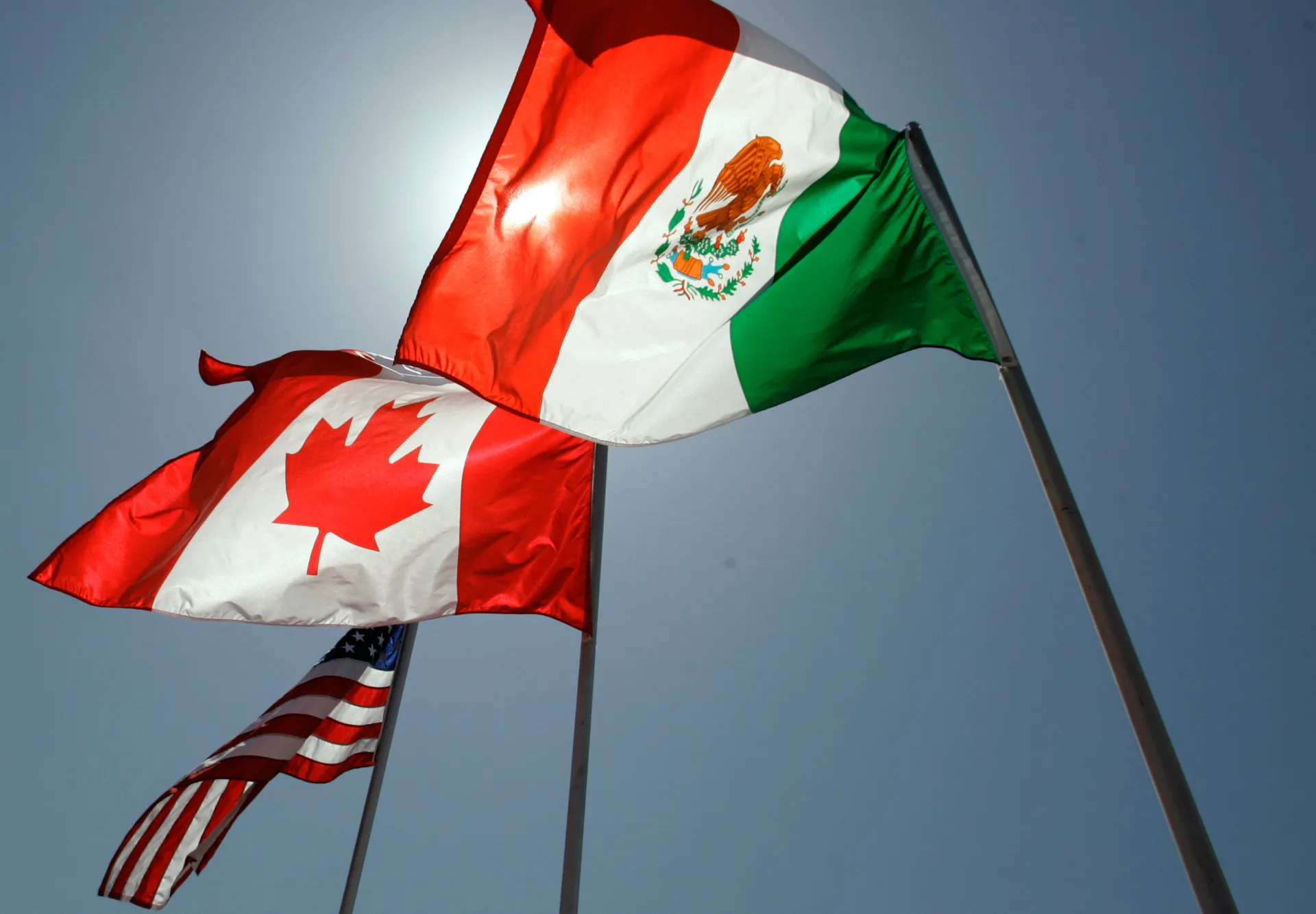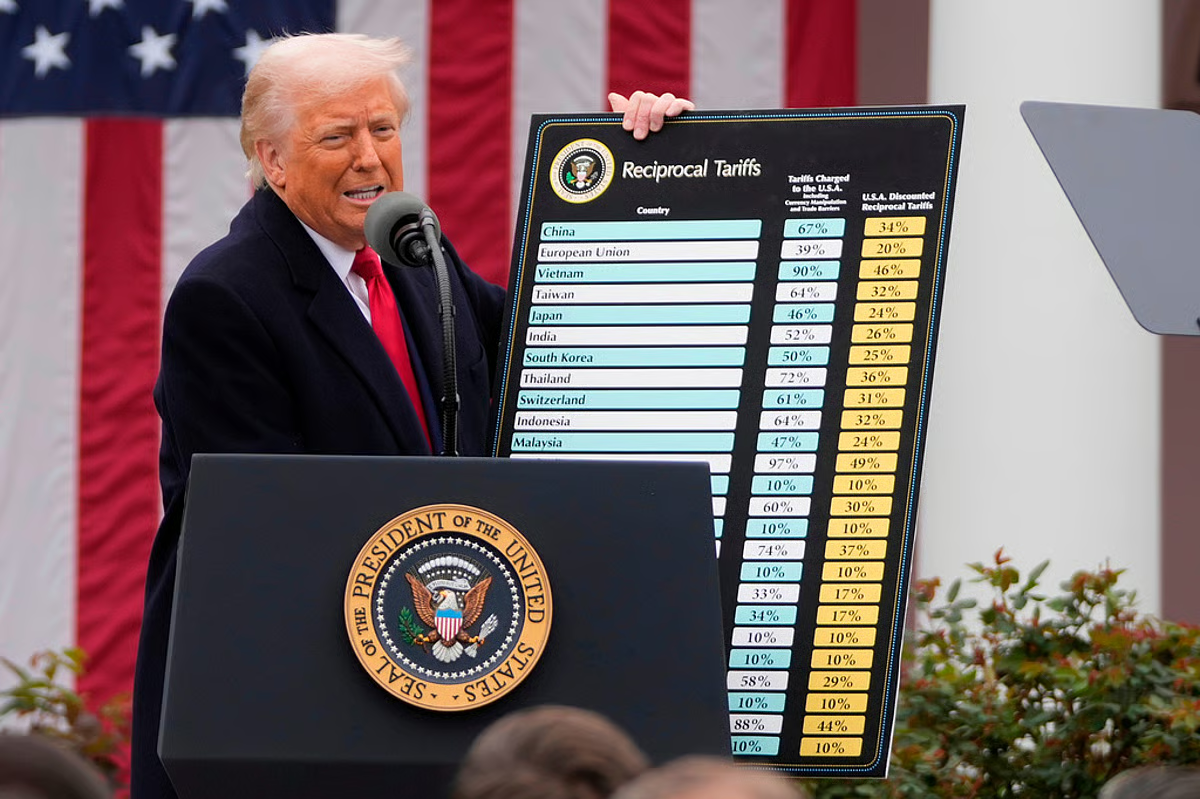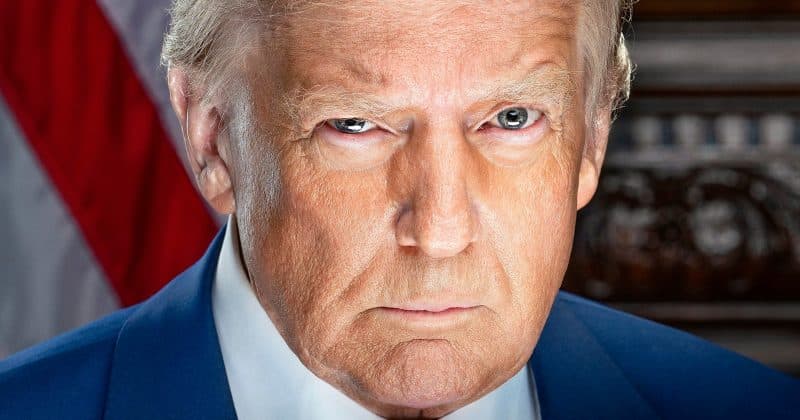
The trade agreement that was supposed to bring lasting stability to North American commerce is looking increasingly fragile. Trump administration tariffs, including a 25% levy on non-compliant imports from Mexico and Canada, are straining the very framework the former president once championed as a signature achievement of his first term.
The US-Mexico-Canada Agreement, or USMCA, faces its first joint review period beginning July 1, 2026. If the three nations can’t reach consensus on renewal, the deal shifts from a comfortable 16-year review cycle to annual assessments.
What the tariffs actually look like
The policy landscape has evolved rapidly since early 2025. A 25% tariff on non-compliant goods from Mexico and Canada took effect on March 4, 2025. On top of that, a 50% tariff hit steel, aluminum, and copper imports, with the most recent metals adjustment taking effect on June 8, 2026, according to US Trade Representative Jamieson Greer.
Over 84-85% of US trade with Mexico and Canada still flows tariff-free under existing USMCA provisions. The tariffs target goods that fall outside the agreement’s compliance rules, which means the bulk of trilateral commerce remains technically untouched.