International cooperation critical as terrorism threat evolves
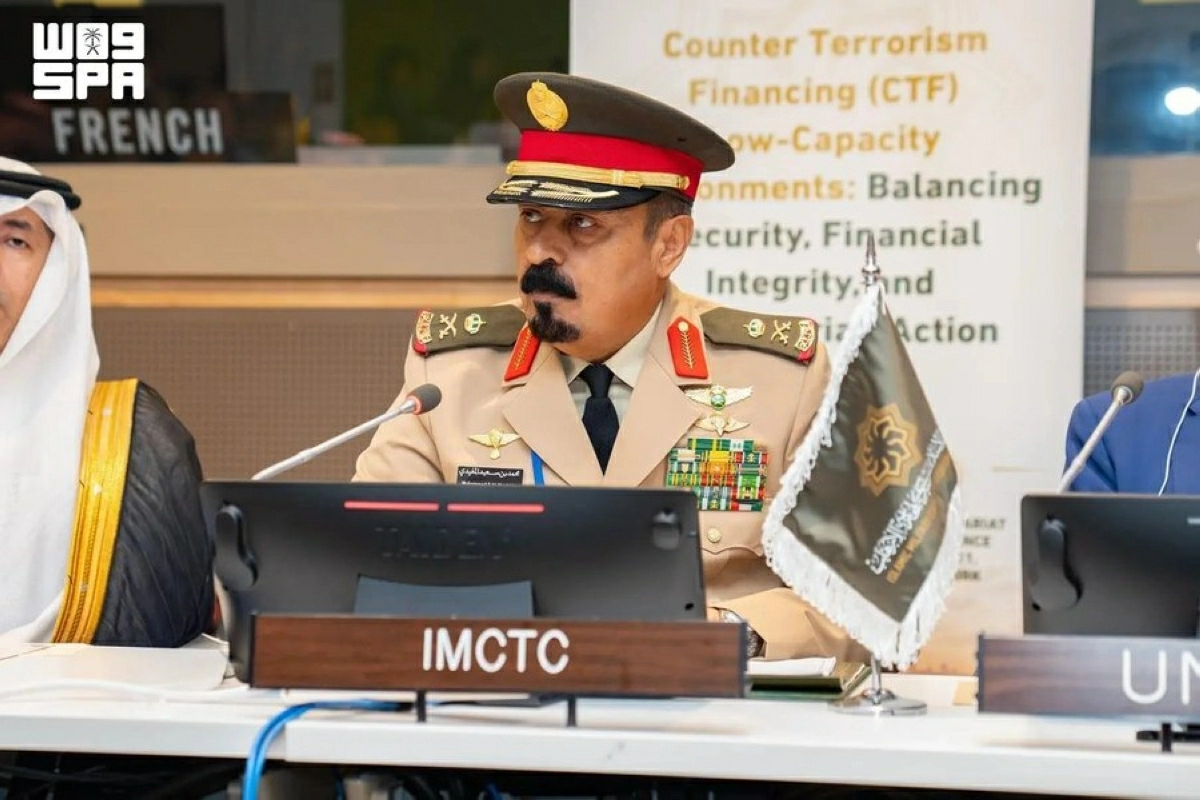
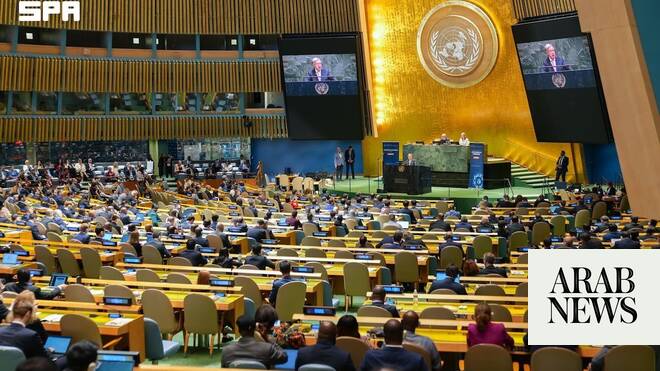
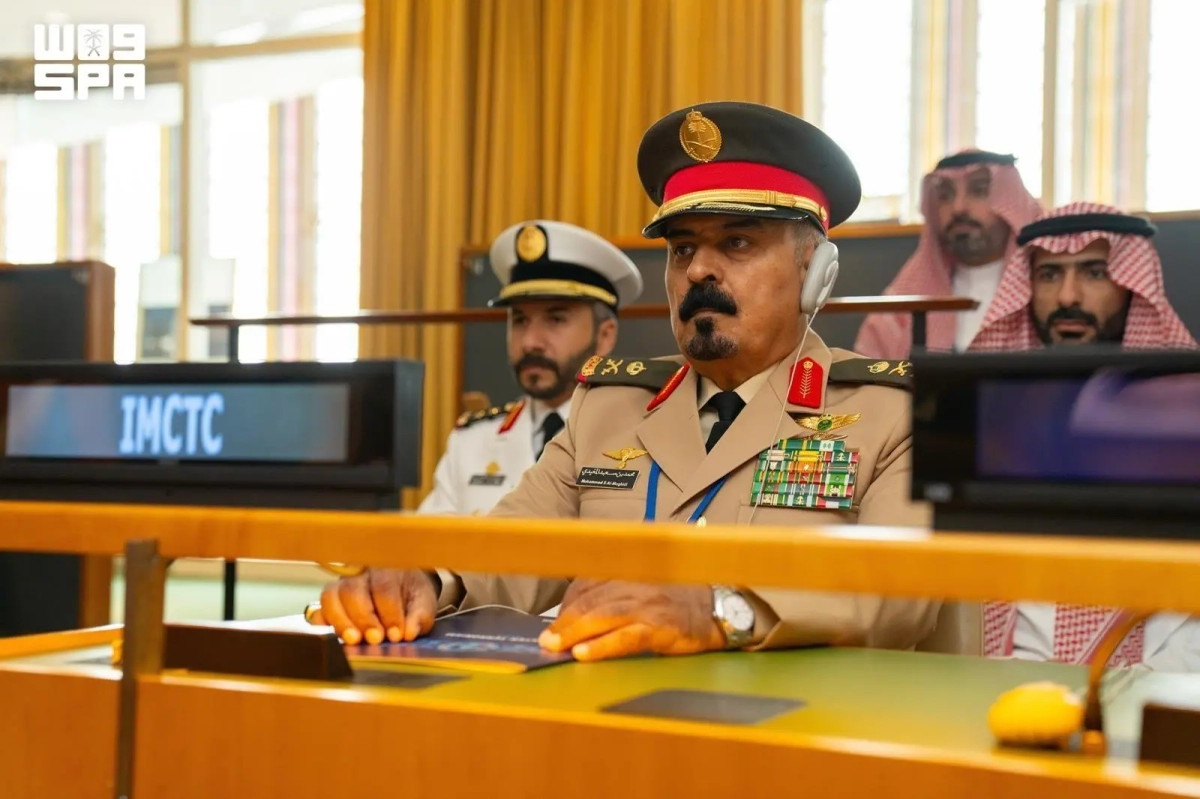
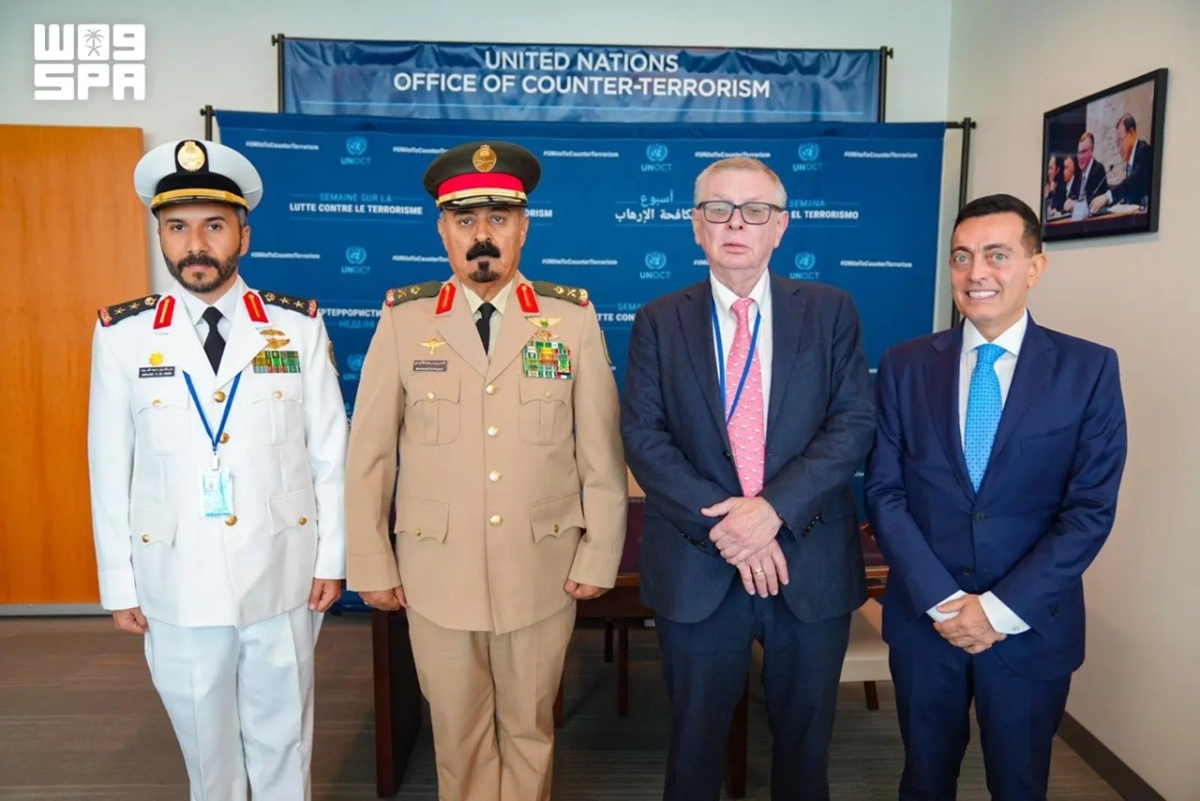
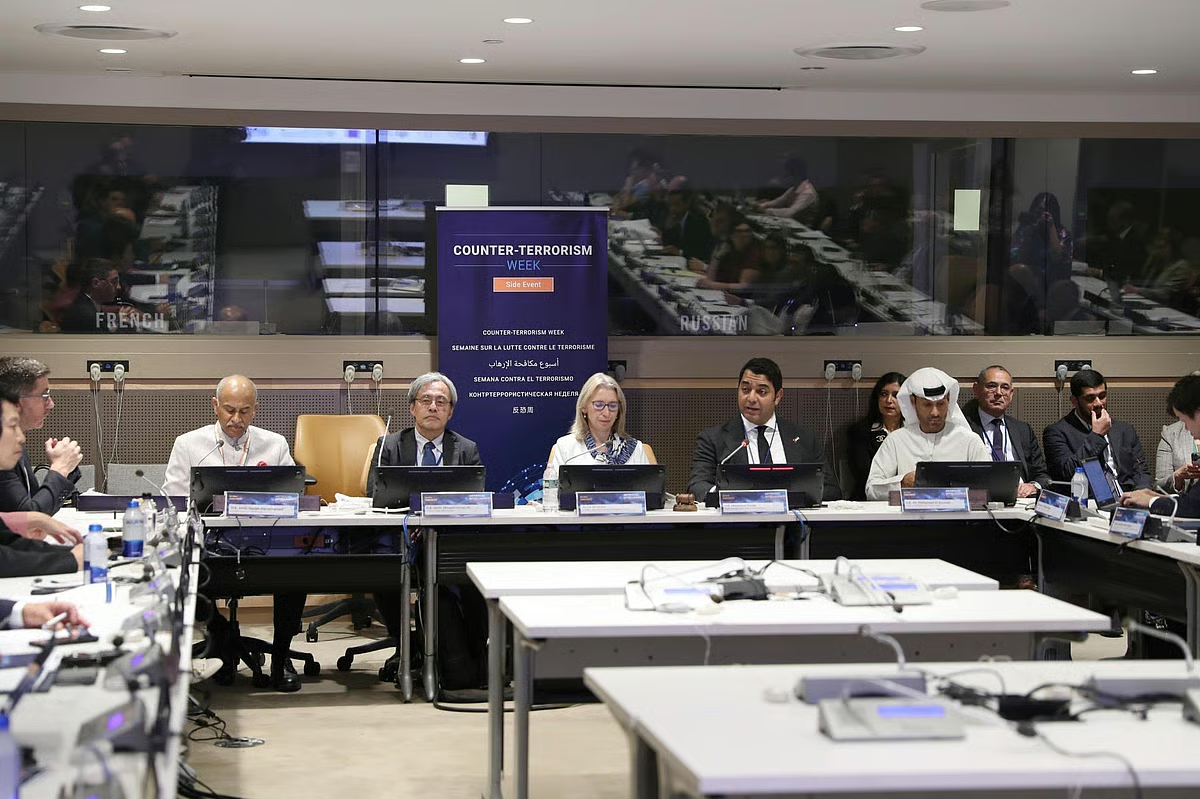
The issue is the spotlight as the United Nations marks the organization’s Fourth Counter-Terrorism Week, bringing together more than 1,000 participants from some 119 countries, representing governments, regional organizations, academia, civil society and the private sector. Alexandre Zouev, UN Acting Under-Secretary-General for Counter-Terrorism, laid out the current landscape in an address in the General Assembly Hall on Monday.
Terrorist groups ‘resilient’ Speaking at the opening of a high-level conference for national counter-terrorism chiefs, he said terrorist groups such as Al Qaeda, Da’esh (also known as ISIL), and their affiliates “remain adaptive and resilient.” Moreover, they are becoming more sophisticated, including due to use of artificial intelligence and cyber security threats. “They leverage instability, governance gaps, socioeconomic inequalities, and new and emerging technologies to expand their reach, recruit and mobilize resources,” he said. As UN Secretary-General António Guteres stated, “terrorism is evolving, and so must we.” Although the way forward is complex, it is clear. “Through prevention, cooperation, and unwavering commitment to human rights, we can build a safer world, where people everywhere live free from fear,” he said. Diverse viewpoints important This year marks the 20th anniversary of the UN Global Counter-Terrorism Strategy, which the Secretary-General said provides an opportunity to both assess progress and strengthen resolve. Although Member States have primary responsibility for preventing and combating terrorism, the UN continues to underscore the importance of including a broad range of actors, such as victims, women, and young people.