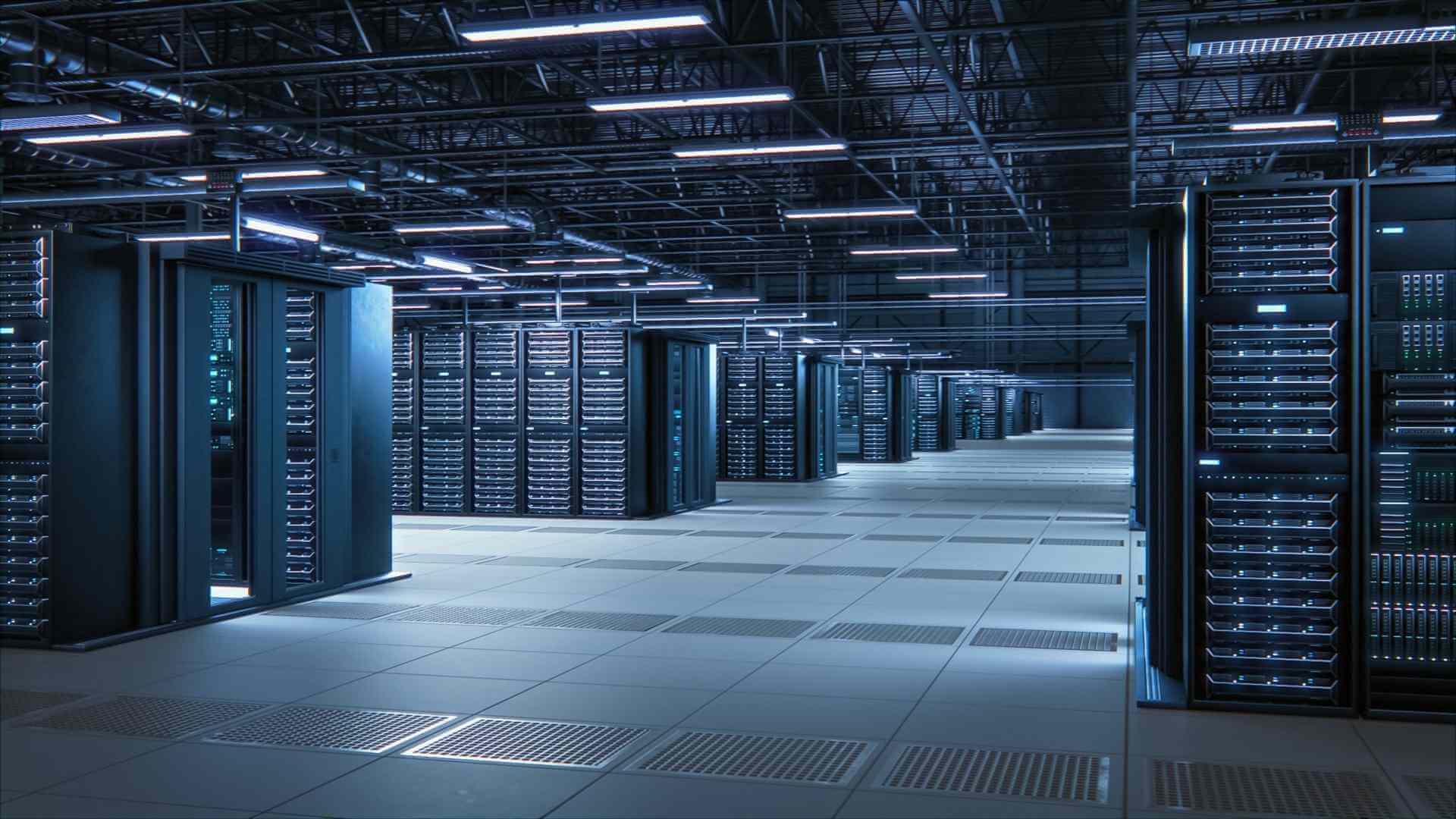
Although electricity-hungry data centers are often seen as a growing energy burden, an EPFL School of Engineering study suggests that they could also help Europe cut carbon emissions by integrating renewable power and reducing energy waste.According to the study, led by the group of Industrial Process and Energy Systems Engineering (IPESE) and published in Cell Reports Sustainability, data centers could account for nearly 8% of Europe's electricity demand by 2050. These facilities, which support cloud computing, streaming services, and artificial intelligence, are projected to consume about 667 terawatt-hours (TWh) of electricity annually, roughly equivalent to the electricity use of a large European country.Yet data centers could also help support the renewable energy transition. Using continent-scale energy-system modeling, the IPESE team examined data centers as more than just large electricity loads. They accounted for waste heat generated by cooling systems, and for the temporal and geographic flexibility of deferrable computing workloads, which can be rescheduled or migrated across data centers without materially degrading service quality.They found that data centers could generate up to 243 TWh of recoverable heat each year, much of which could be used in cities with district-heating networks rather than being released into the environment. And by scheduling certain data center activities – such as data analysis, backups, and AI training tasks – during periods of abundant wind and solar generation, operators could help absorb surplus renewable electricity that might otherwise go unused.“Shifting flexible computing workloads to renewable-rich periods could help reduce Europe's curtailment rate, or the share of renewable power that goes unused, from just over 9% to about 6.5%,” says lead author and IPESE PhD student Sai Sudharshan Ravi. “This could help countries make better use of growing amounts of wind and solar power, and avoid energy waste.”The researchers say their results highlight the need to integrate information and communicaton technology infrastructure into long-term decarbonization planning and policy design in Europe. Currently, most energy system models tend to omit data-center demand, or treat it as a relatively minor addition to overall electricity use.“Policies that encourage workload flexibility, grid interaction, and waste-heat recovery could help transform data centers from passive electricity consumers into active contributors to a cleaner and more efficient energy system,” Ravi summarizes.ReferencesRavi S, Schnidrig J, Wen D, Trutnevyte E, Aklin M, Maréchal, F. Workload-flexible data centers reduce renewable curtailment in Europe’s net-zero energy system. Cell Reports Sustainability (2026). 10.1016/j.crsus.2026.100755
Flexible data centers could support Europe's net-zero transition
Although electricity-hungry data centers are often seen as a growing energy burden, an EPFL School of Engineering study suggests that they could also help Europe cut carbon emissions by integrating renewable power and reducing energy waste.
395 words~2 min read