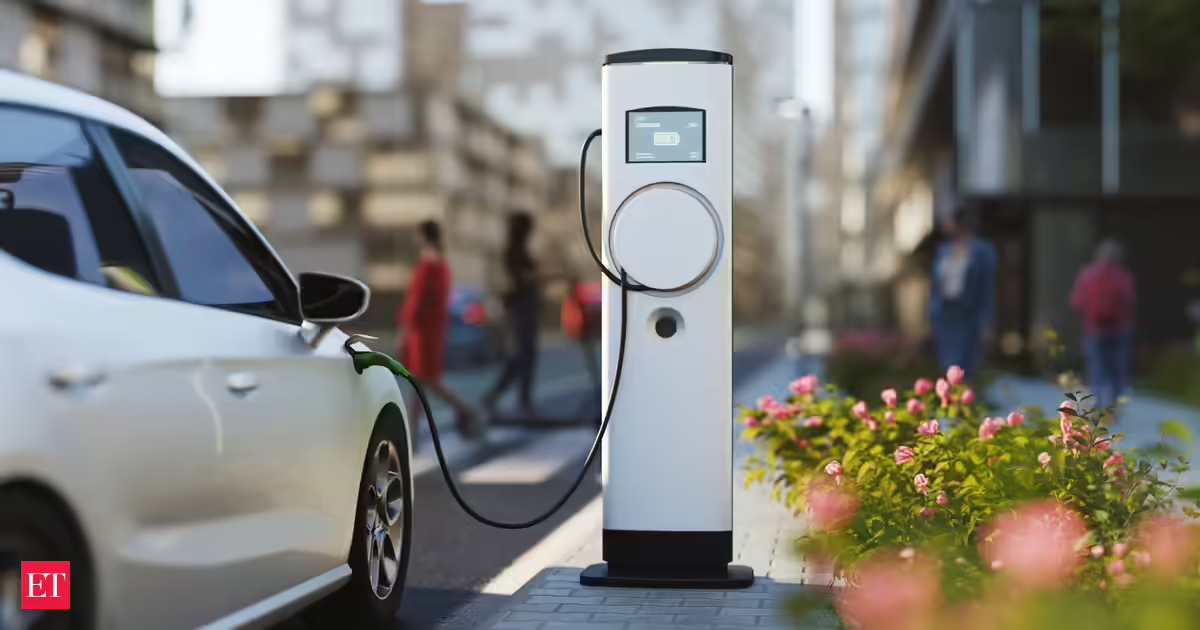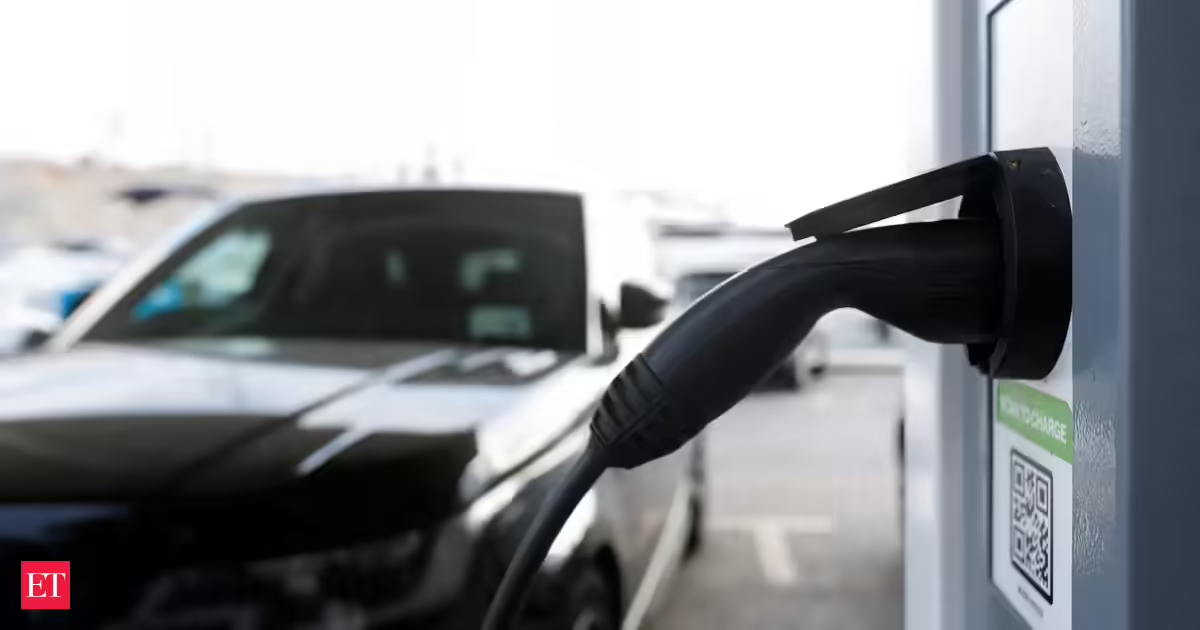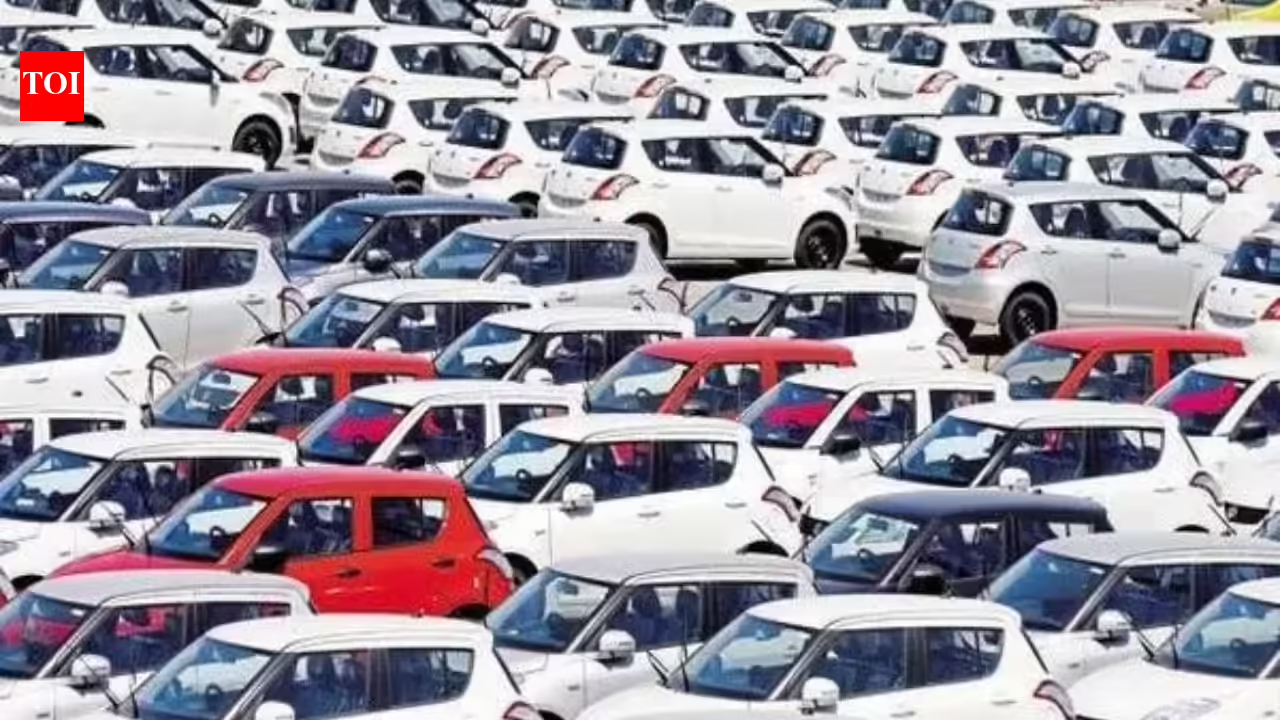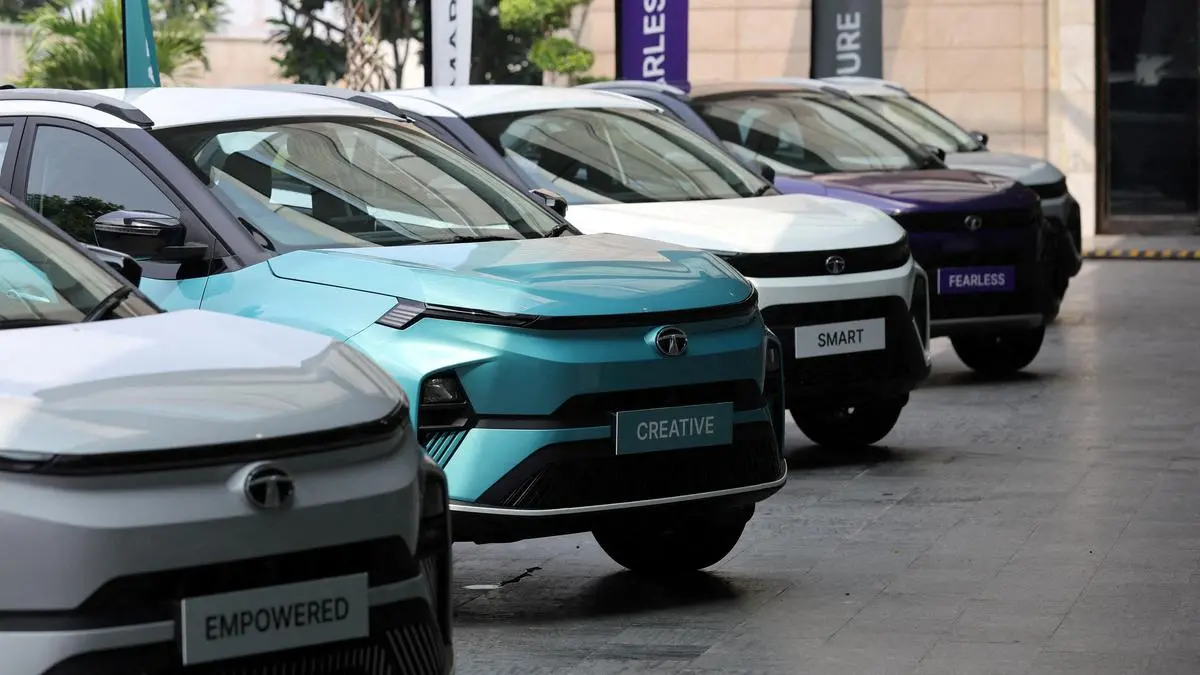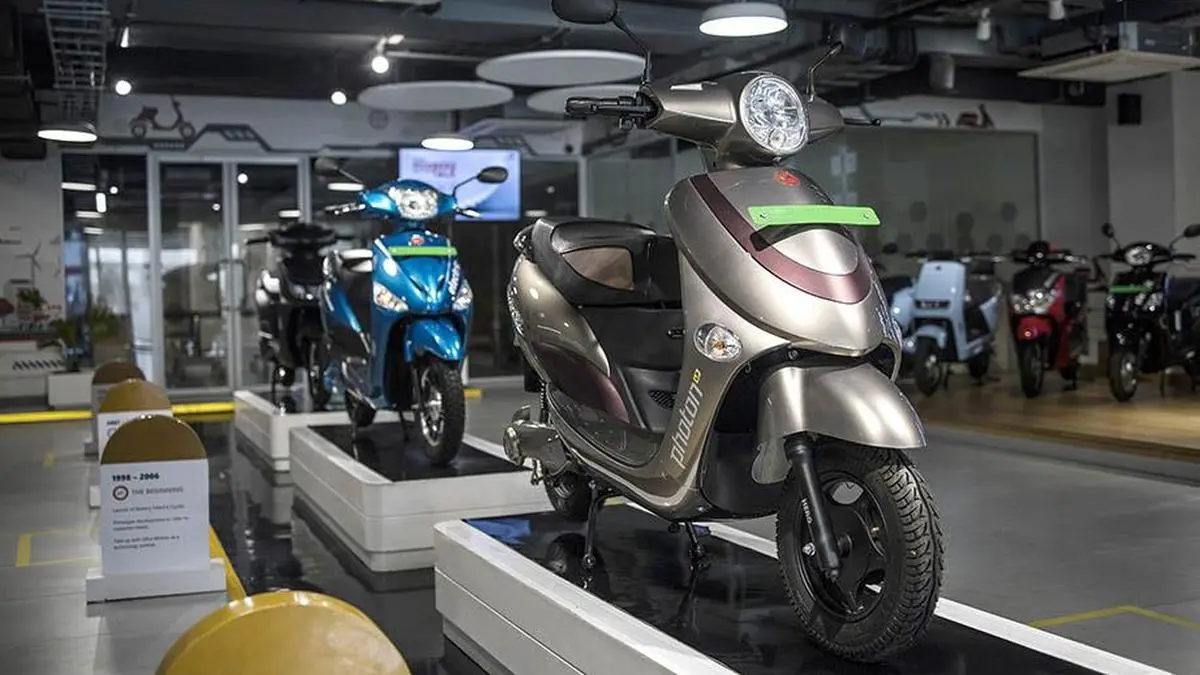
India’s automobile registrations rose 19.4 per cent during January 1-June 25, 2026, with early VAHAN data showing the market steadily evolving into a multi-powertrain landscape as electric vehicles gained share across passenger vehicles, two-wheelers and organised L5 three-wheelers, while CNG strengthened its presence in passenger vehicles.Registrations during June 1-25 were also 4.5 per cent higher than in May, indicating that demand momentum carried into the new quarter even as the industry’s competitive focus increasingly shifts from sales volumes to the changing fuel mix.Taken together, the H1 VAHAN data suggests India’s automobile market has entered a multi-powertrain era. Demand remains healthy, but the industry’s competitive battleground is steadily shifting from overall sales growth to the changing fuel mix.Demand remains resilientThe registration trends broadly mirror the optimism emerging across brokerages. Jefferies recently upgraded Maruti Suzuki to ‘Buy’ and raised its target price, saying passenger vehicle demand has remained resilient through the first half of CY26. The brokerage said easing geopolitical tensions in West Asia, lower crude prices and softer metal costs have reduced concerns around consumer demand and manufacturers’ margins, supporting healthier earnings expectations for the sector.Overall registrations reflected broad-based demand. During January 1-June 25, passenger vehicle registrations increased 22.1 per cent, tractors 22.7 per cent, two-wheelers 19.4 per cent, medium and heavy commercial vehicles per cent and three-wheelers 13.8 per cent over the corresponding period last year. Momentum strengthened further during June, with registrations rising 23.8 per cent year-on-year, led by passenger vehicles (35.3 per cent), tractors (25.8 per cent), two-wheelers (22.2 per cent), three-wheelers (17.4 per cent) and medium and heavy commercial vehicles (12.9 per cent).“Electrification gathered momentum during H1 CY26, with the improvement becoming more pronounced during June, suggesting demand momentum has strengthened further,” said Mihir Vora, Lead Analyst at Equirus Securities. He attributed the acceleration to higher fuel prices following geopolitical tensions in West Asia, which widened EVs’ operating-cost advantage, while a broader product portfolio and improving consumer awareness further strengthened adoption.Vora added that concerns over rare-earth magnet shortages have eased materially after China relaxed export restrictions, while softer commodity prices have reduced the need for further vehicle price hikes, supporting industry demand over the coming months.Passenger vehicles: Fuel mix shiftsPassenger vehicles reflected the broadest change in fuel preferences. According to Equirus Securities’ analysis of VAHAN registrations, EV penetration increased from 3.6 per cent during H1 CY25 to 5.6 per cent during H1 CY26 before strengthening further to 7.7 per cent during the first 25 days of June.The transition extended well beyond battery-electric vehicles. CNG penetration increased from 20.8 per cent during H1 CY25 to 23.1 per cent during H1 CY26 and reached 24.1 per cent during June as consumers continued favouring lower running costs. Meanwhile, petrol’s share declined from 48.6 per cent to 45.4 per cent, while diesel slipped from 18.5 per cent to 17.7 per cent, reducing the combined share of conventional fuels from 67.1 per cent to 63.1 per cent.“CNG remains the dominant alternative fuel for value-conscious passenger vehicle buyers, while EVs are scaling rapidly from a smaller base,” said Ankit Patel, Co-Founder and Partner at Arunasset Investment Services. “The data increasingly points to a market where consumers are choosing powertrains based on running costs, usage patterns and infrastructure availability rather than one technology replacing another.”HSBC said the recent surge in passenger EV penetration has been aided by concerns over fuel prices but expects the medium-term transition to remain gradual, with EVs accounting for only the mid-teens of the passenger vehicle market by FY30-FY32. That suggests EVs, CNG, hybrids and conventional powertrains will coexist for several years, while production-linked incentives should help OEM margins remain healthy through FY27 and FY28.Two-wheelers: Electrification gathers paceElectric two-wheelers also gathered pace during H1. Equirus estimates EV penetration rose from 6.6 per cent during H1 CY25 to 8.5 per cent during H1 CY26 before crossing 10.5 per cent during the first 25 days of June. Petrol-powered models still accounted for 91.5 per cent of registrations, indicating that electric vehicles are gaining share without displacing the dominant ICE market.“The strongest defensible conclusion from the available VAHAN data is that electric two-wheeler momentum strengthened sharply during June,” Patel said, while cautioning that a few months of registrations alone are insufficient to establish a durable long-term trend.Kotak Securities believes the next phase of electrification will increasingly depend on motorcycles rather than scooters, where EV penetration has already crossed 20 per cent, while Citi said underdeveloped charging infrastructure and the absence of compelling electric motorcycle models remain the biggest constraints to faster adoption.Three-wheelers: Fleet economics drive transitionThe three-wheeler market is further along the transition curve. Overall EV penetration remained around 60%, while organised L5 passenger and cargo three-wheelers continued shifting rapidly towards electric powertrains. According to Equirus, EV penetration in organised L5 vehicles increased from 27 per cent during H1 CY25 to 38 per cent during H1 CY26 and remained close to 46 per cent during the first 25 days of June as CNG continued losing share.Vora said organised fleet operators continue migrating towards EVs because of their superior operating economics, reinforcing the structural transition underway in passenger and cargo mobility.Policy tailwindsPolicy support could further reinforce the transition. Nomura said the (Delhi EV) policy sends a clear signal that governments continue to back electrification through purchase incentives and charging infrastructure investment.Morgan Stanley and Citi, however, cautioned that Delhi accounts for only a small share of India’s overall vehicle market and that implementation could prove challenging because of the capital’s porous borders with Haryana and Uttar Pradesh. Charging infrastructure, enforcement and consumer adoption, they said, will ultimately determine the policy’s impact on nationwide electrification.Road aheadLooking ahead, Vora expects the transition towards alternative powertrains to continue over the next six to twelve months, supported by new model launches, wider customer choice and favourable total cost of ownership. While lower crude prices could narrow EVs’ running-cost advantage and the eventual withdrawal of PM E-Drive incentives may temporarily moderate adoption, he believes neither factor is likely to reverse the structural shift.The H1 VAHAN data suggests India’s transition is unlikely to follow a winner-takes-all path. Instead, different technologies are carving out distinct roles across vehicle segments. Passenger vehicles are evolving into a multi-powertrain market led by EVs, CNG and hybrids, electric scooters continue gaining share while ICE motorcycles remain dominant, and organised three-wheelers are steadily moving away from CNG towards electric power.The industry’s next phase, therefore, will be defined less by how many vehicles it sells and more by how the fuel mix evolves. Conventional ICE vehicles remain India’s volume drivers, but the incremental growth is increasingly accruing to alternative powertrains, making the battle for market share rather than outright sales growth the defining theme of the country’s automobile industry.Published on June 30, 2026
India auto registrations rise 19.4% in H1FY27 as battle shifts to alternative powertrains
India's auto registrations surged 19.4% in H1FY27, driven by growing EV and CNG adoption amidst a shifting fuel landscape.
1,115 words~5 min read