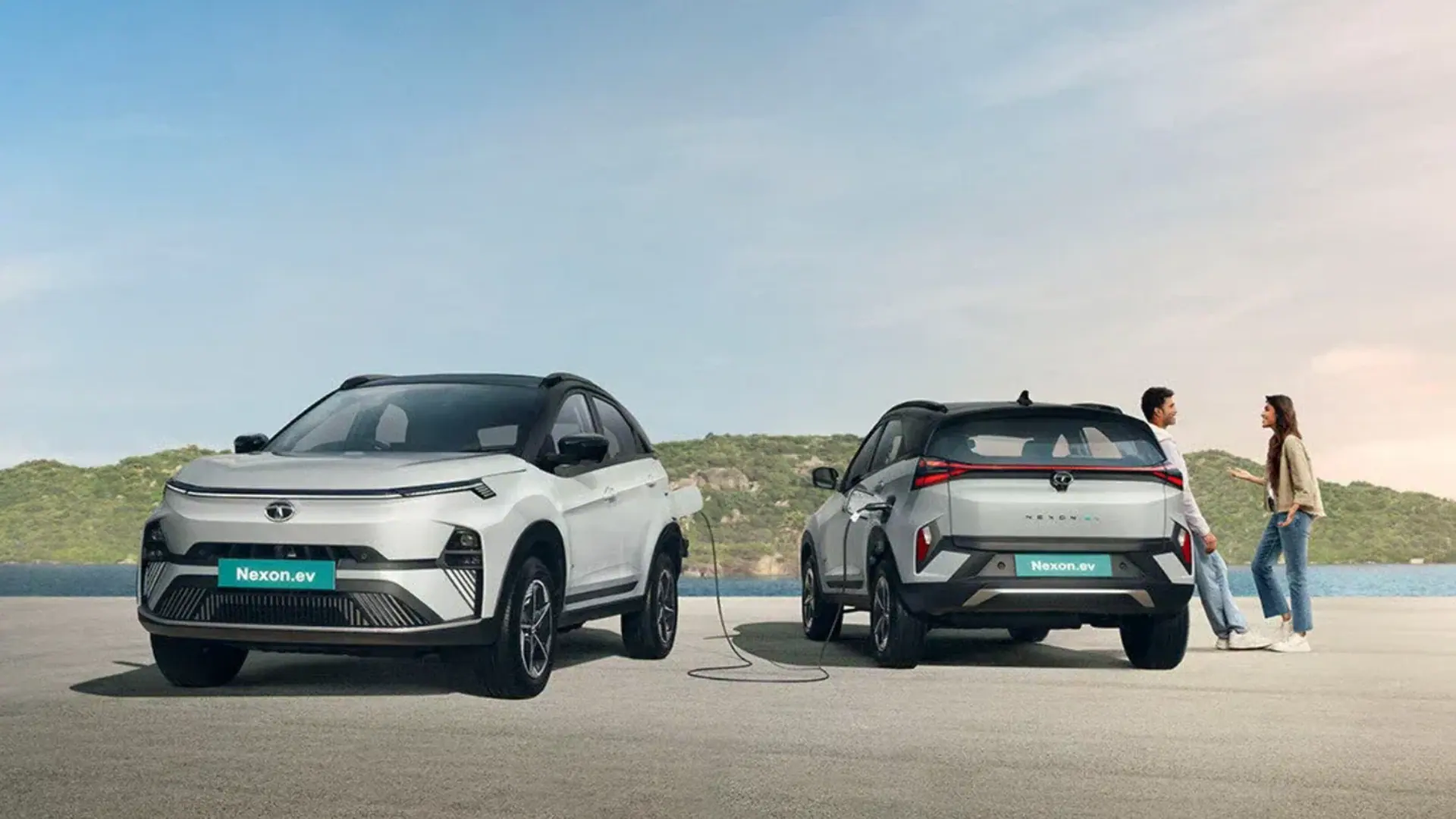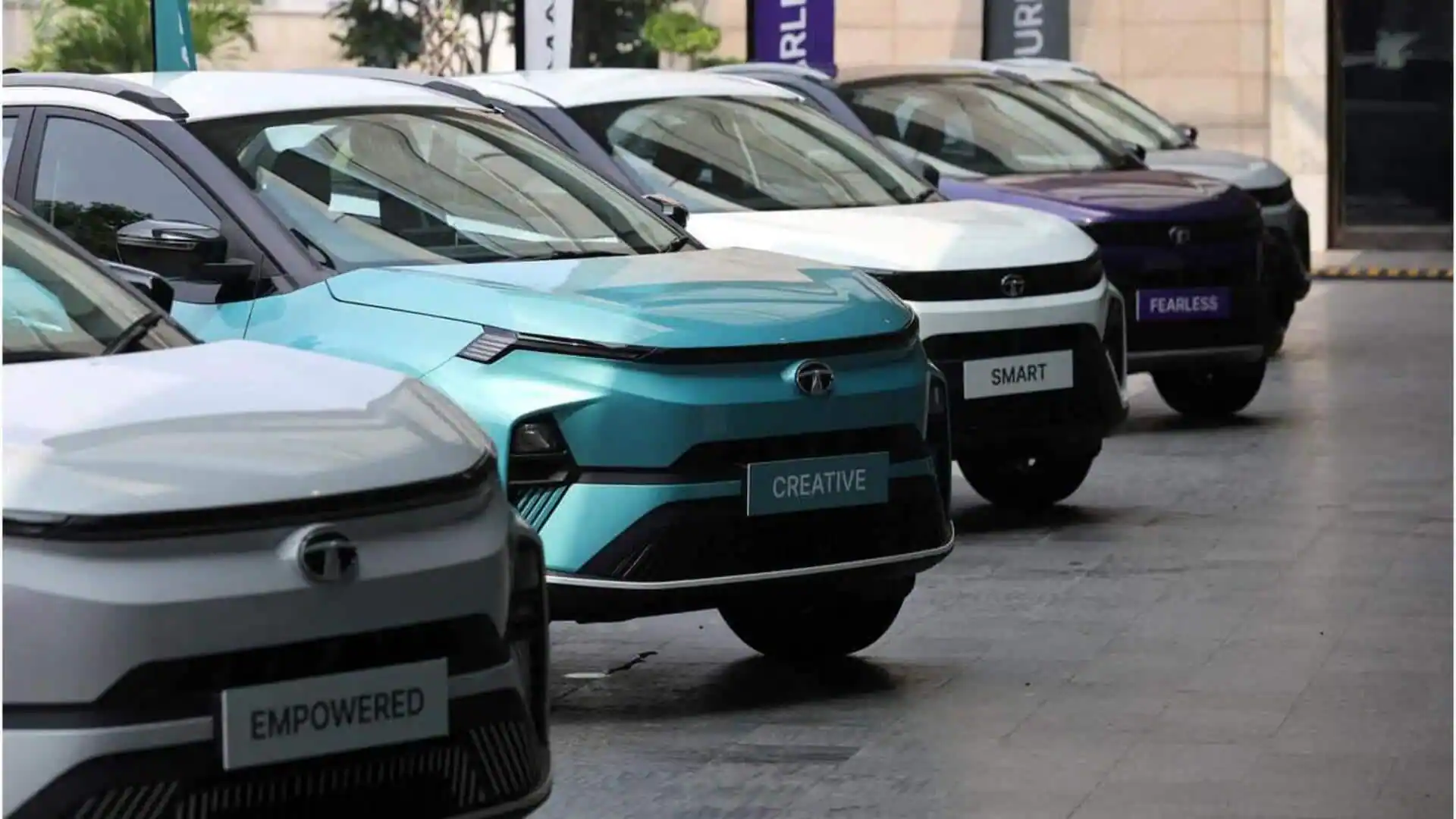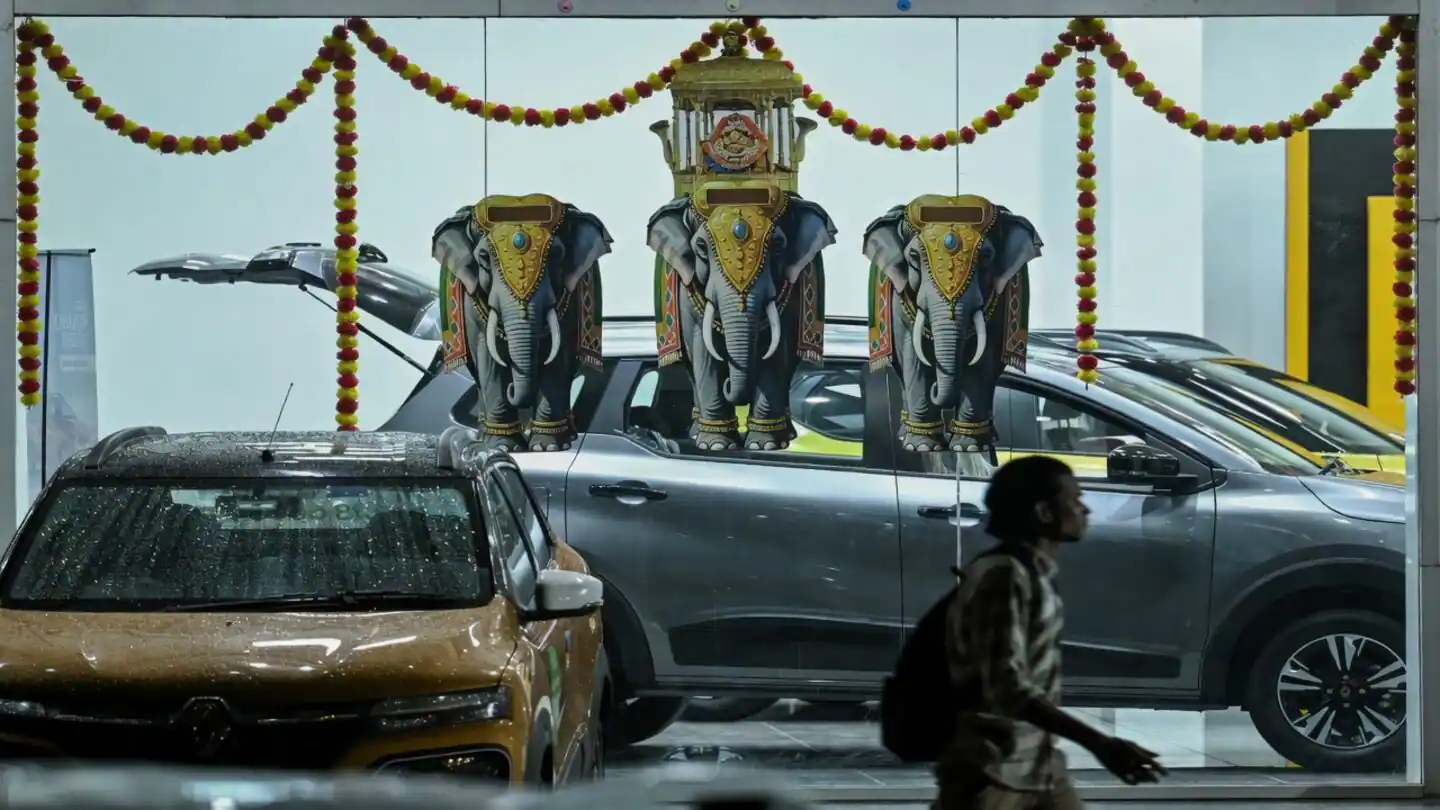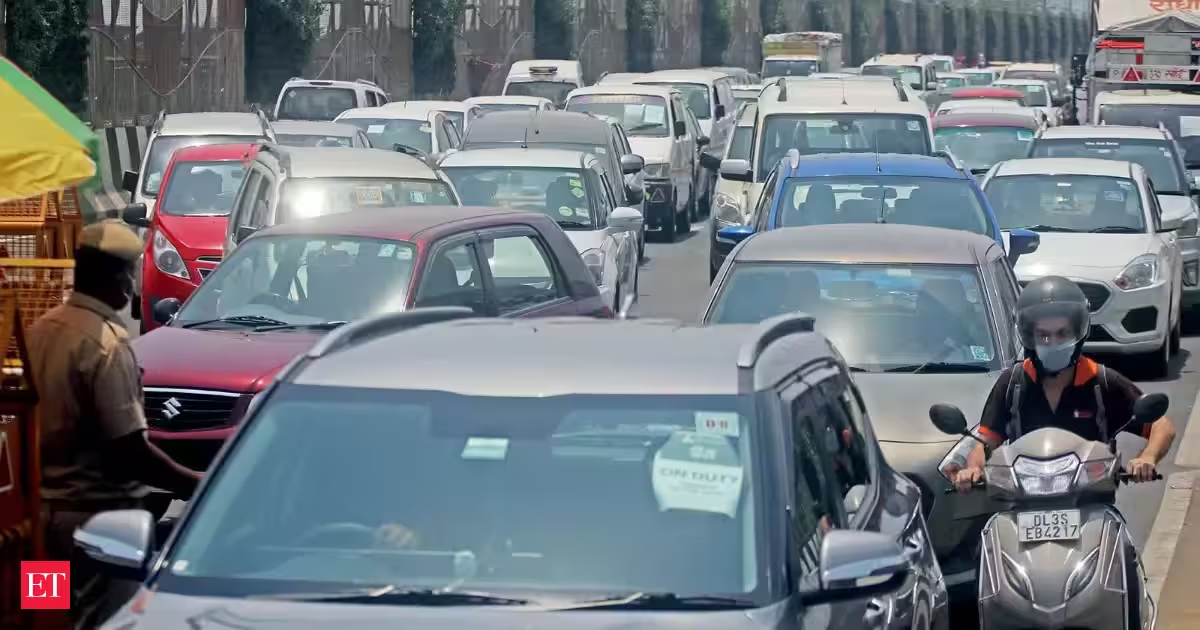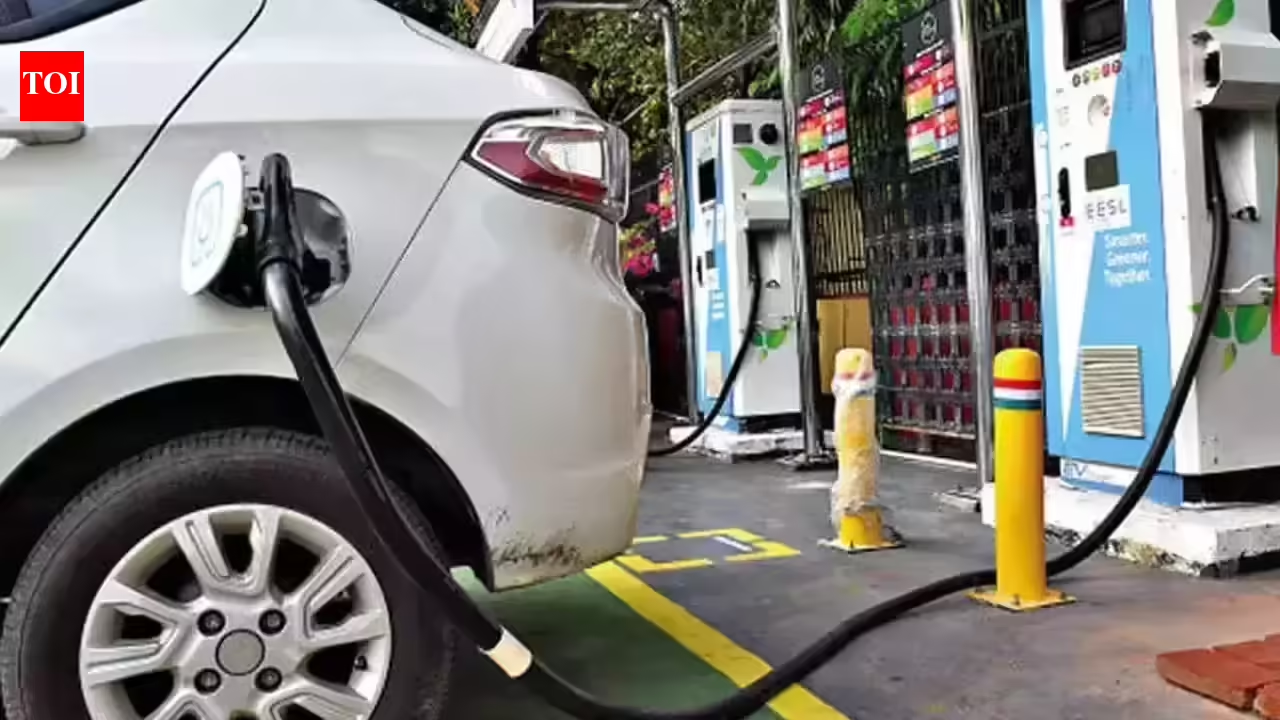
According to VAHAN data, alternative fuel vehicles, comprising CNG, EVs and strong hybrids — accounted for 32.1 per cent of passenger vehicle sales in May 2026, up from 27.2 per cent a year earlier.In contrast, the combined share of petrol and diesel vehicles declined to 67.9 per cent from 72.9 per cent over the same period, marking a nearly 500 basis-point shift in India’s fuel mix within a year.However, contrary to expectations that fuel-price hikes would boost demand for premium fuel-efficient cars, strong hybrid vehicles actually lost market share in May even as diesel’s share in the market fell over 16 per cent year-on-year, according to VAHAN data.One in three cars sold in India now runs on CNG, electric or hybrid technology, signalling a rapid shift toward lower running-cost mobility options as fuel prices and operating economics increasingly shape vehicle purchase decisions.The transition, however, is currently being dominated more by CNG than pure electrification. CNG vehicles alone accounted for 23.5 per cent of total passenger vehicle sales in May, up from 22.2 per cent in April and 19.9 per cent a year earlier, highlighting how buyers are increasingly prioritising lower running costs amid rising fuel prices.EVs accounted for 6.6 per cent of total passenger vehicle sales in May, up from 6.1 per cent in April and 4.6 per cent a year earlier.Strong hybrids, meanwhile, slipped to 2 per cent market share in May from 2.3 per cent in April and 2.7 per cent a year earlier, suggesting that higher fuel prices are not yet pushing mass-market consumers toward premium hybrid vehicles.Passenger vehicle retail sales declined 6.3 per cent month-on-month to 3.96 lakh units in May from 4.22 lakh units in April, although the market remained up 23 per cent year-on-year over last year’s lower base.Economics over fuel preferenceHemal Thakkar, Senior Director & Senior Practice Leader, Crisil Intelligence, said the transition was increasingly being driven by operating economics rather than fuel preference alone.“EV penetration has improved to 6.6 per cent in May from 6.1 per cent in April. Compared with around 4.6 per cent in the same period last year, that’s nearly a 200 basis-point jump year-on-year,” he said.According to Thakkar, the West Asia crisis and rising fuel-cost concerns have materially altered consumer behaviour at dealerships.“I’ve spoken to a few dealers and the sense I get is that walk-ins for EVs have increased by about 30–40 per cent compared with earlier levels,” he said, adding that the momentum was likely to continue as more automakers launch new EV models.Saket Mehra, Partner and Automotive & EV Industry Leader at Grant Thornton Bharat, said the market was witnessing a calibrated normalisation rather than a structural demand slowdown, although rising fuel prices and geopolitical uncertainties were beginning to influence consumer sentiment and operating economics across the automotive sector.Vinkesh Gulati, former President of the Federation of Automobile Dealers Associations (FADA) and now Chairman of the Automotive Skills Development Council (ASDC), said the “one-in-three-cars” shift was being driven more by affordability than technology sophistication, explaining why CNG vehicles were gaining faster than strong hybrids despite recent CNG price hikes.“The price gap itself explains the trend. A factory-fitted CNG vehicle typically costs around ₹90,000–95,000 more than the equivalent petrol variant. But a strong hybrid can cost ₹4 lakh–4.3 lakh more than a standard petrol car and over ₹3 lakh more than a comparable CNG variant,” Gulati said.He added that while CNG systems remained mechanically simpler and cheaper to localise, strong hybrids involved expensive lithium-ion battery packs, electric motors and complex transmission systems that still carried high import dependence and taxation costs in India.Thakkar added that fuel-price hikes were beginning to influence buying behaviour in entry-level car segments as well.“The fuel price hike will nudge people toward EVs and CNG because operating costs are relatively lower,” he said.Margins and market shiftsPassenger vehicle retail sales declined 6.3 per cent month-on-month to 3.96 lakh units in May from 4.22 lakh units in April, partly because April had benefited from festival and marriage-season demand, Thakkar said.He added that rising input costs linked to the West Asia crisis could begin putting pressure on automaker profitability if companies are unable to fully pass on higher costs to consumers.“With retails coming down, OEMs will not want to raise prices aggressively. What becomes critical now is how much of the cost increase they can pass on to customers versus how much they absorb,” he said.Winners in the shiftThe fuel transition is increasingly reshaping competitive positioning across automakers. Maruti Suzuki remains the biggest beneficiary of the CNG shift, while Tata Motors and Mahindra & Mahindra are emerging as beneficiaries of both SUV demand and EV adoption.Toyota continues to benefit from strong hybrid adoption in urban markets, while JSW MG Motor remains among the most EV-heavy portfolios in the industry.By contrast, diesel-heavy and petrol-centric portfolios are increasingly coming under pressure as consumers migrate toward lower operating-cost options.The May VAHAN data suggests India’s passenger vehicle market is no longer witnessing just an EV transition, but a broader migration toward affordability-led mobility choices, with running-cost economics increasingly overtaking traditional fuel preferences in shaping purchase decisions.Published on June 2, 2026
Diesel vehicle share falls 16% as CNG & EVs gain ground
One in three cars sold in India now runs on CNG, electric or hybrid technology as rising fuel costs and operating economics reshape consumer buying behaviour in the passenger vehicle market
850 words~4 min read