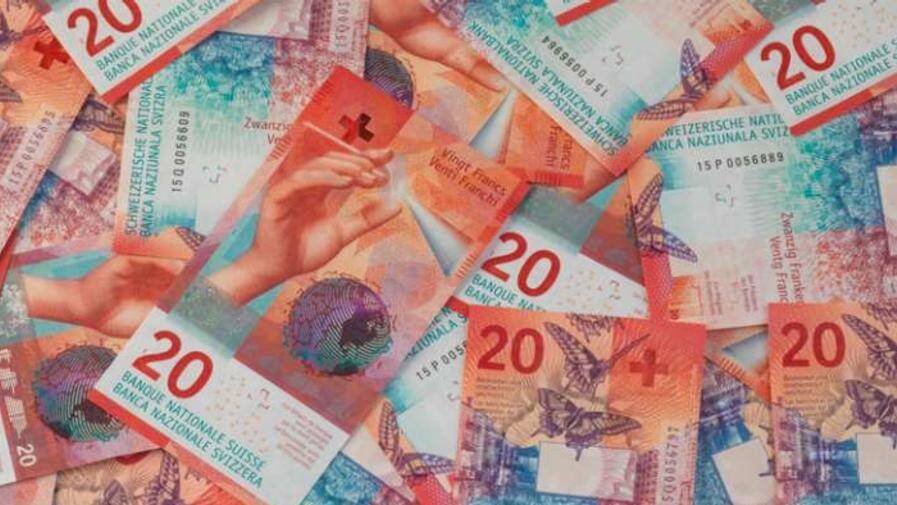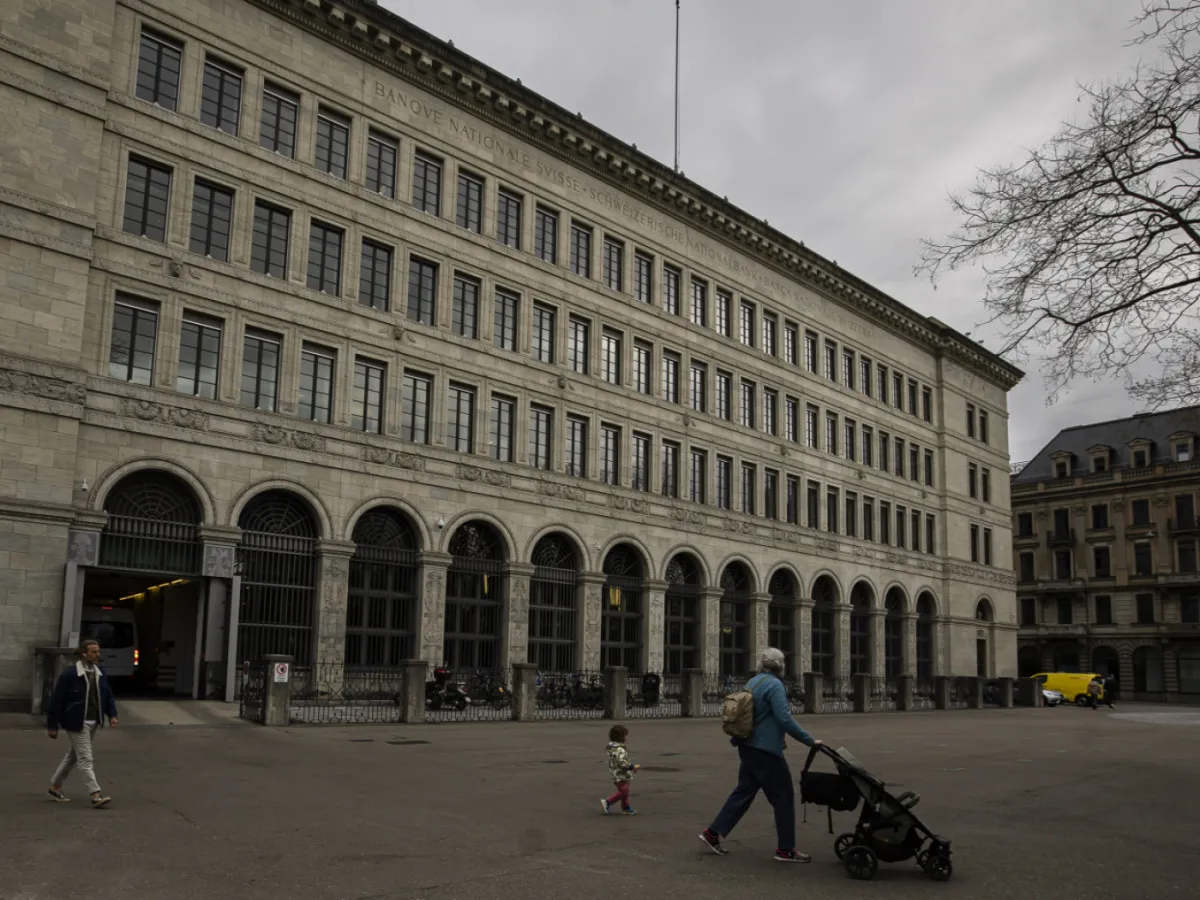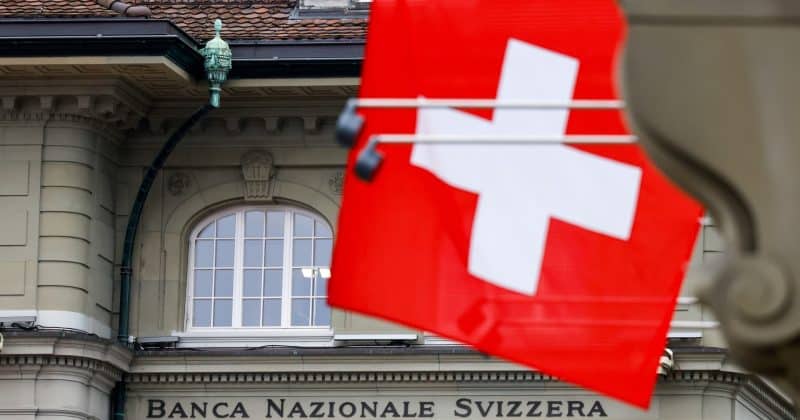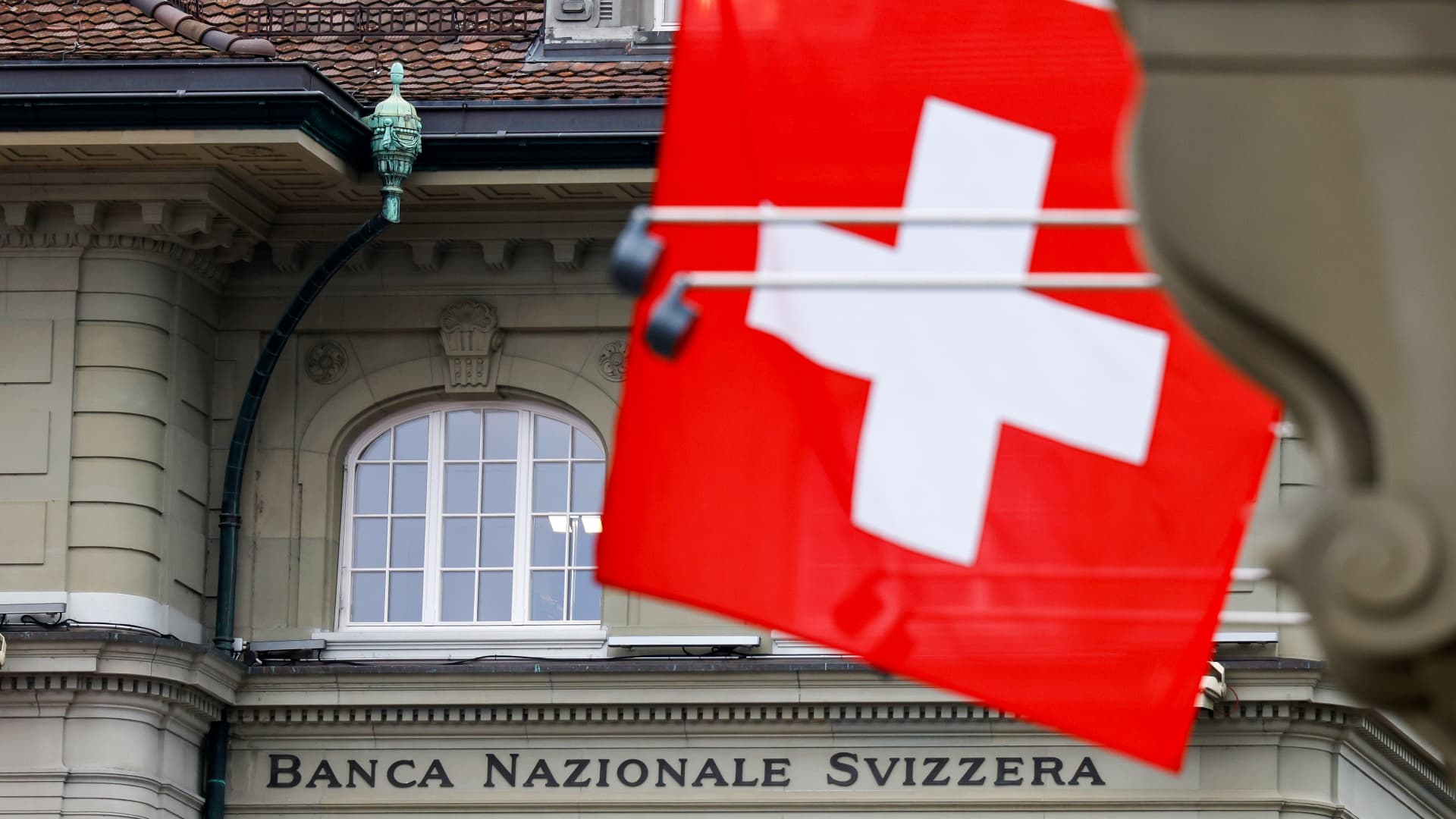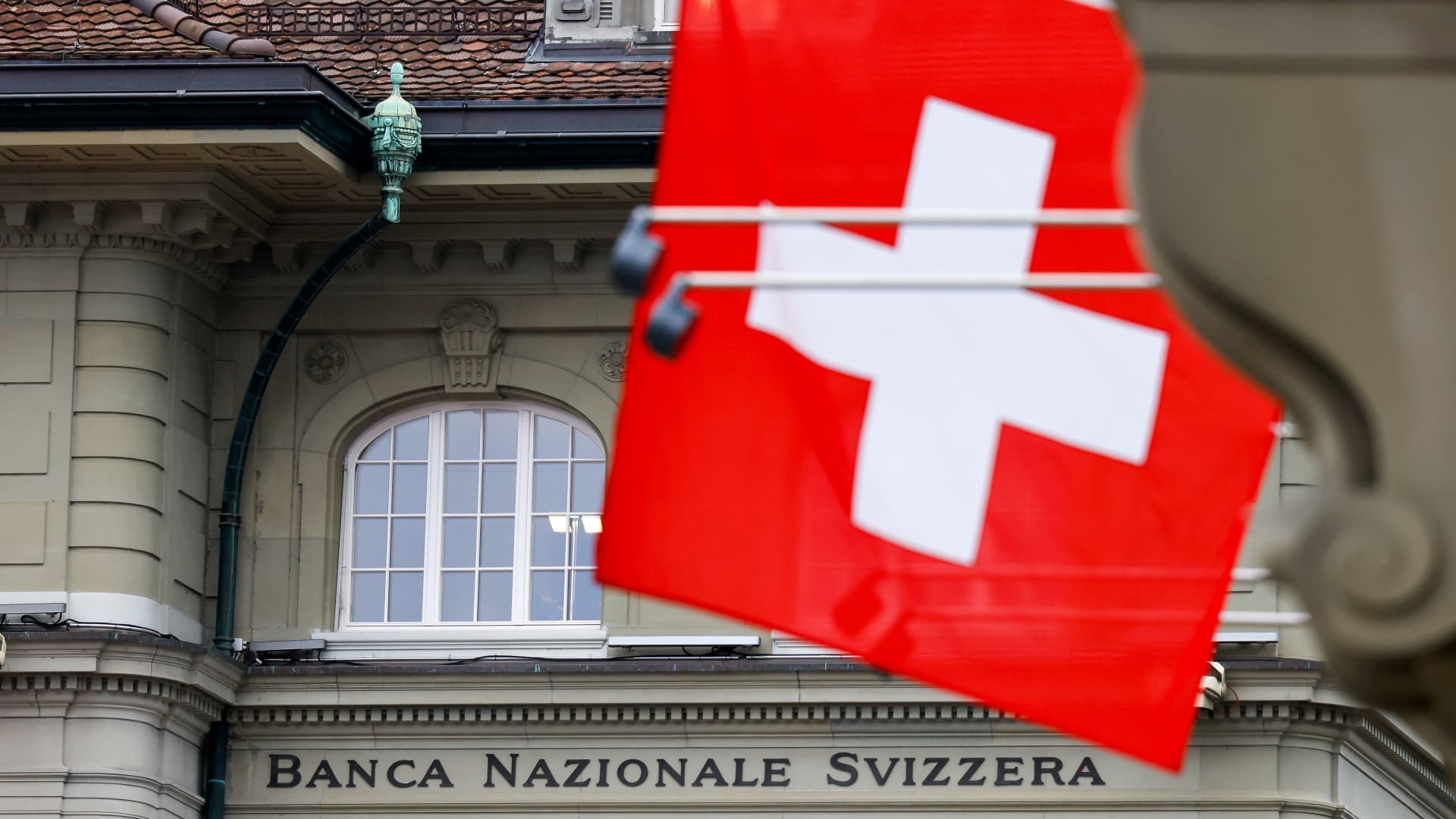
When the world gets nervous, money flows to Switzerland. The Swiss National Bank moved to sell francs in currency markets as geopolitical tensions from US-Israeli strikes on Iran sent safe-haven inflows surging into the franc. The currency climbed toward 11-year highs against the euro, the kind of move that is genuinely painful for Swiss exporters trying to compete on global prices.
The SNB’s intervention was a direct response to that appreciation pressure. The bank’s position, stated clearly by Chairman Martin Schlegel, is that its readiness to act in foreign exchange markets has increased materially given the current Middle East conflict.
A zero-rate central bank with one real tool left
The SNB held its policy rate at 0% at its June 18 meeting, the third consecutive meeting at the zero lower bound. With rates already at zero, the SNB cannot easily cut further without entering negative territory. Switzerland’s inflation is projected at just 0.5% for 2026, with GDP growth of around 1%.
So the SNB’s primary lever right now is foreign exchange intervention, specifically selling francs to increase supply and push the currency’s value down. The bank prints francs and uses them to buy foreign currencies, adding downward pressure on the CHF. The SNB has a long track record of intervening in currency markets when the franc threatens to cause damage, most notably holding the franc at a hard cap against the euro until 2015, when it abruptly abandoned that peg.