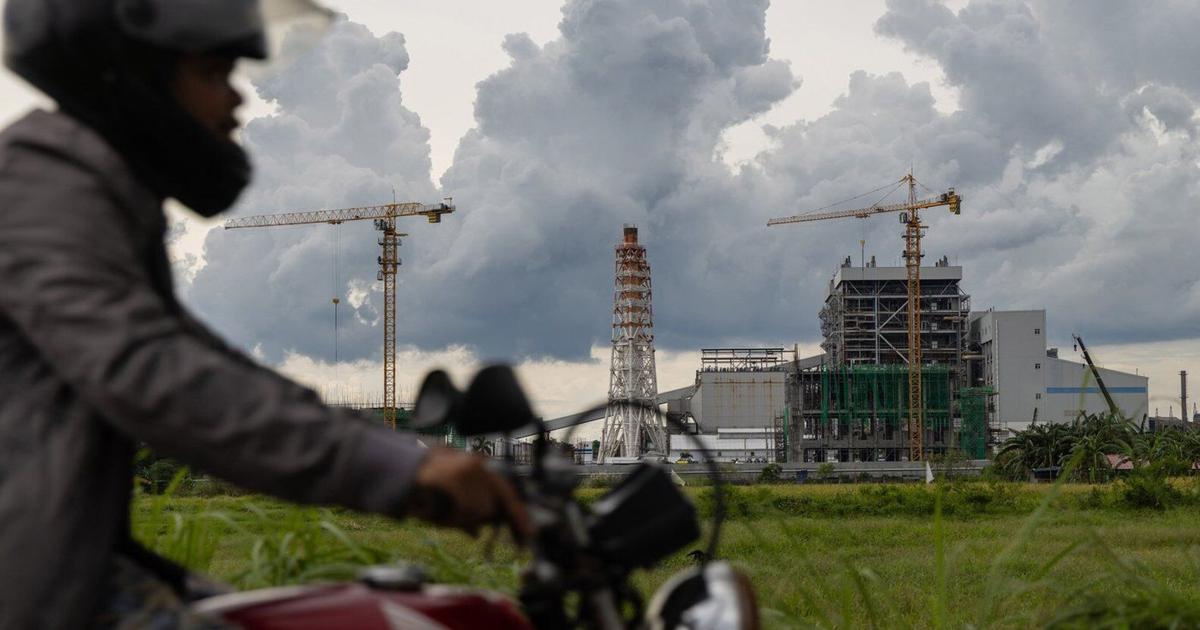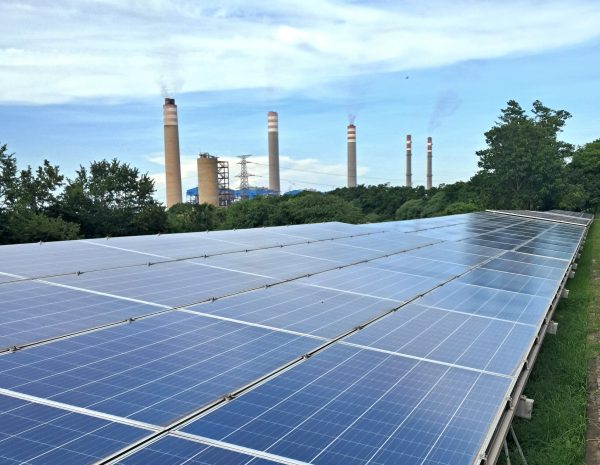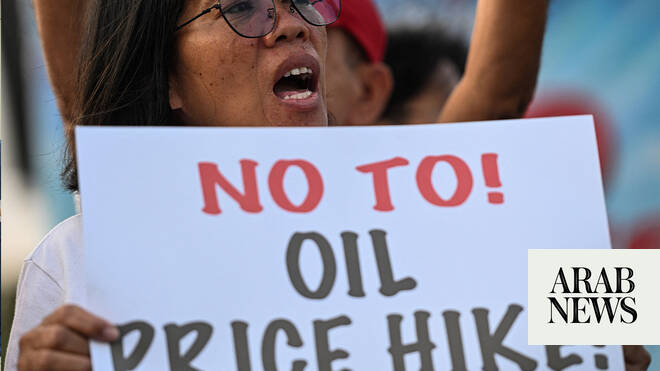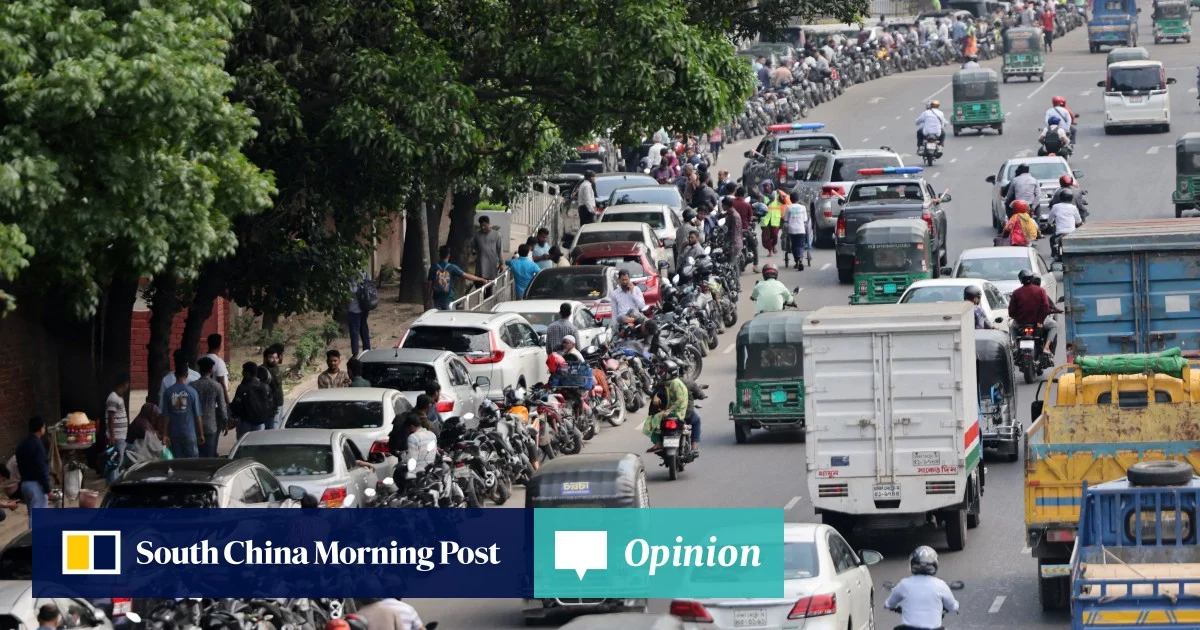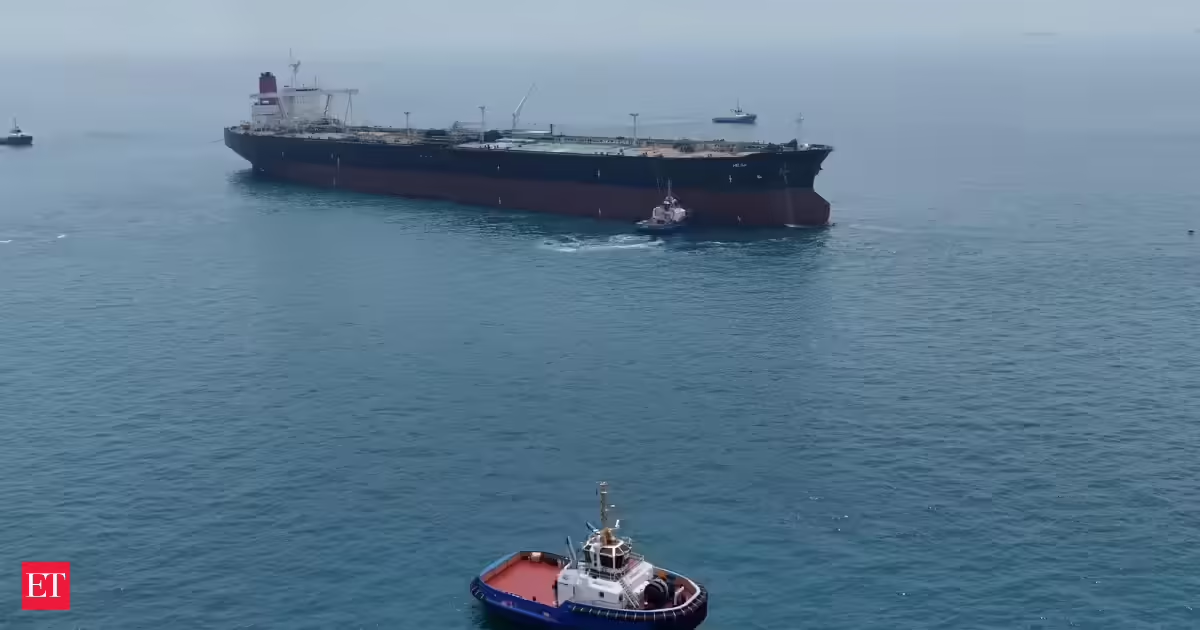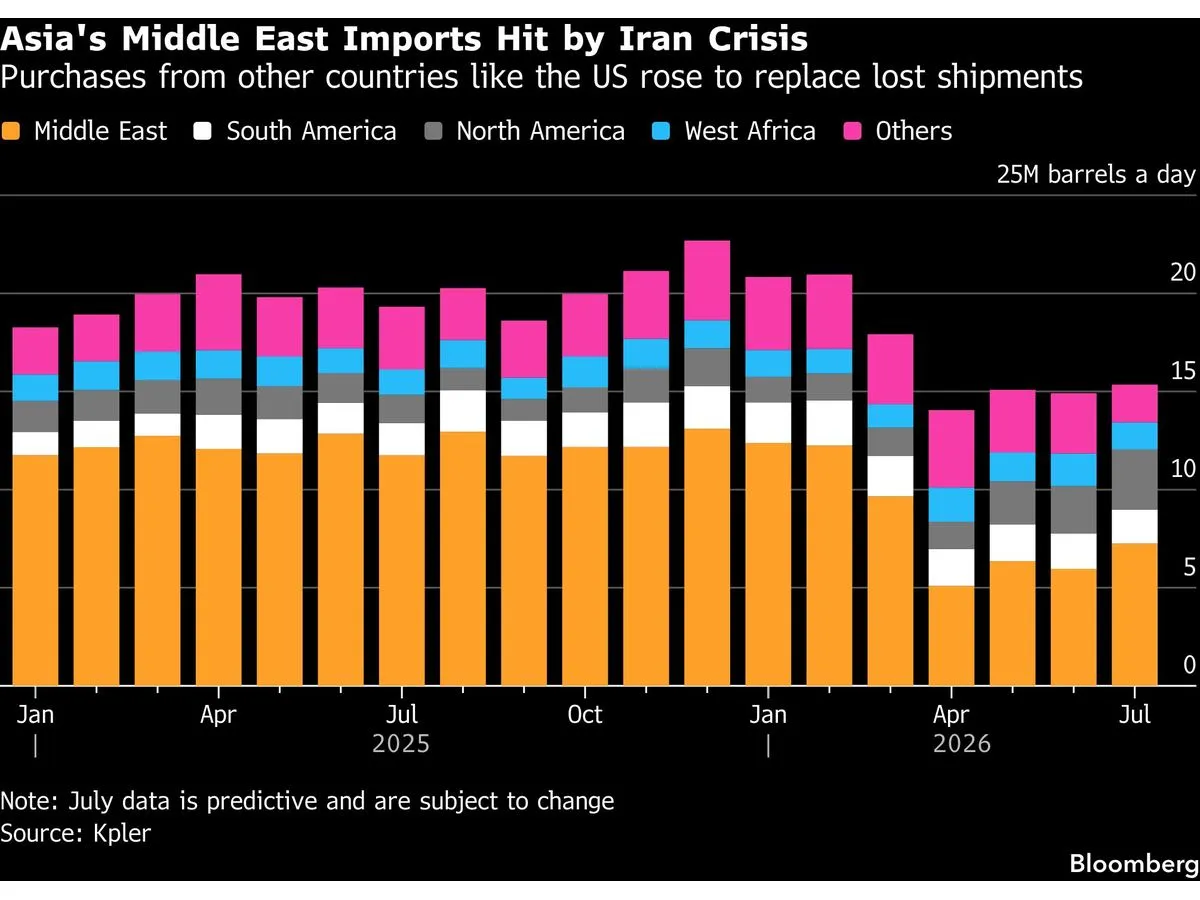
BANGKOK (AP) — Asian nations hit hard by the Iran war’s price shocks are rushing to diversify and strengthen their energy security, potentially undermining their commitments to curb climate change.As negotiations on ending the war drag on, countries in energy hungry Southeast Asia are exploring nuclear power and promising renewable rollouts. But they are also investing in coal power to provide a buffer during times of crisis.The Iran war has not shaken coal’s status as a pillar of Southeast Asia’s energy security, said Sandeep Pai at Duke University’s Nicholas Institute for Energy, Environment and Sustainability.Until recently, coal was slowly being phased out to reduce climate change-causing emissions and address air quality concerns. But the conflict has complicated that scenario.“At the end of the day, energy security triumphs any other climate considerations,” Pai said.
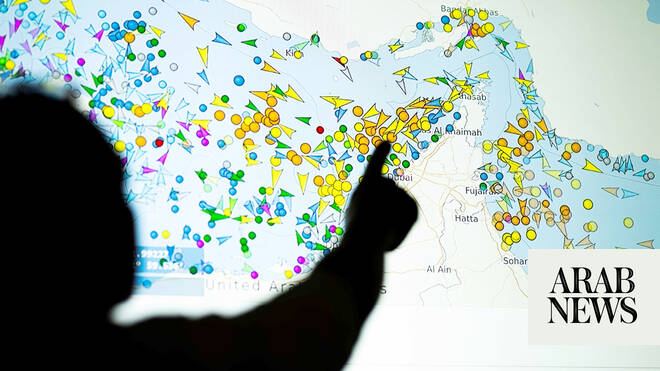
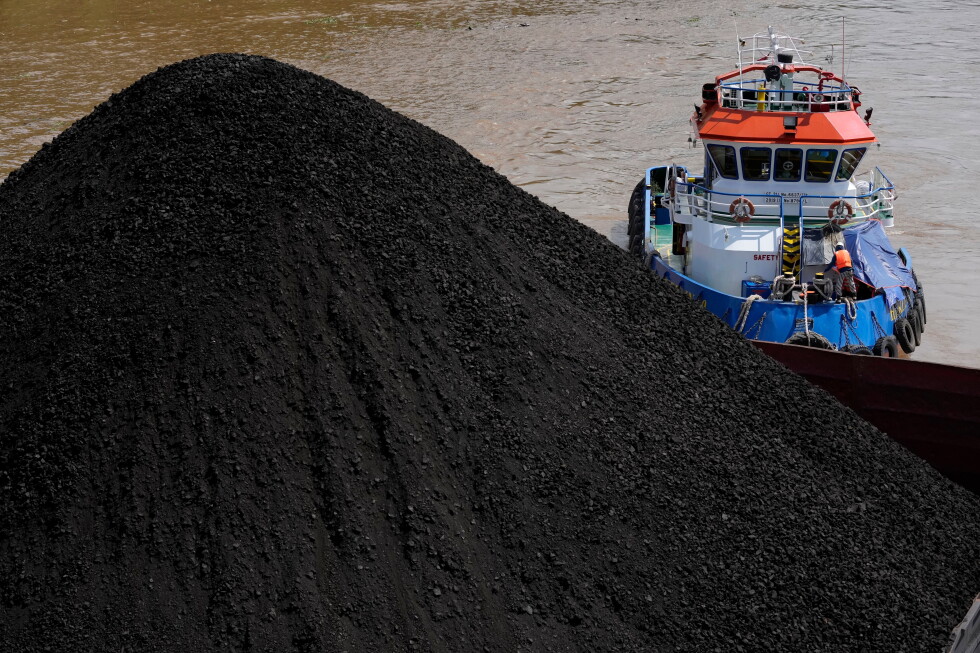
Iran war alters the future of coal in AsiaIn East Asia, South Korea and Japan began burning more coal to keep national energy grids powered while the closure of the Strait of Hormuz due to the war disrupted flows of oil and gas to Asia.Southeast Asian nations like Thailand, Vietnam and the Philippines did the same.This emergency response has led to longer-term policies that have given coal an extension of life, Pai said.Coal investments are predicted to rise globally to $180 billion in 2026, according to the International Energy Agency, which is the highest its been since 2012.