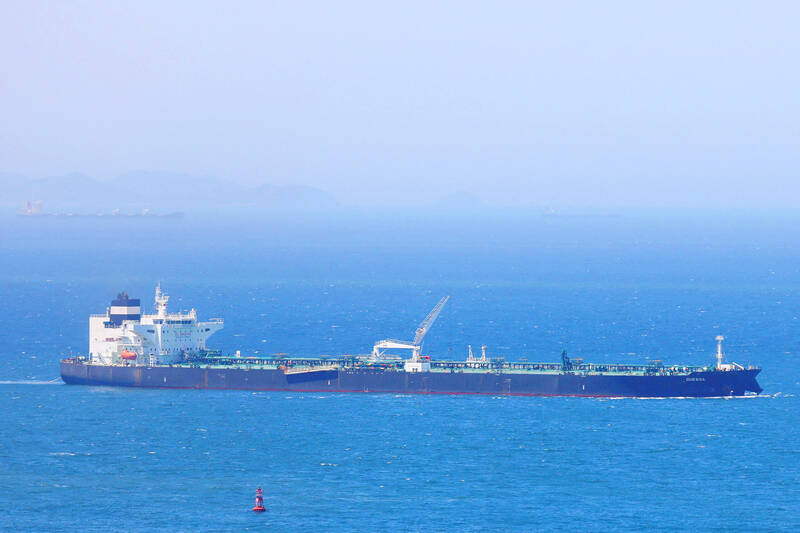
Instability in the Persian Gulf has opened the world’s eyes to supply chain weaknesses — especially in Asia
By Yongchang Chin
and Kanoko Matsuyama /
Bloomberg
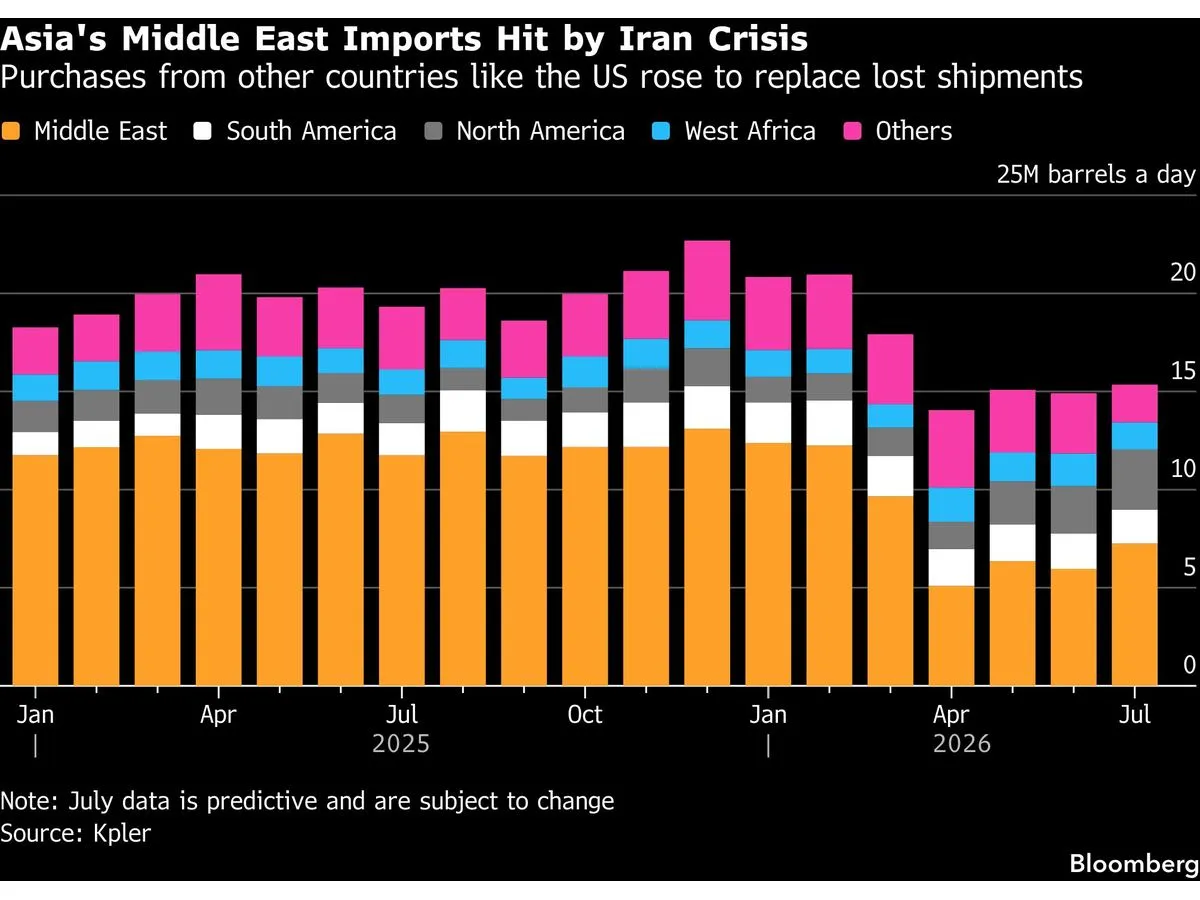
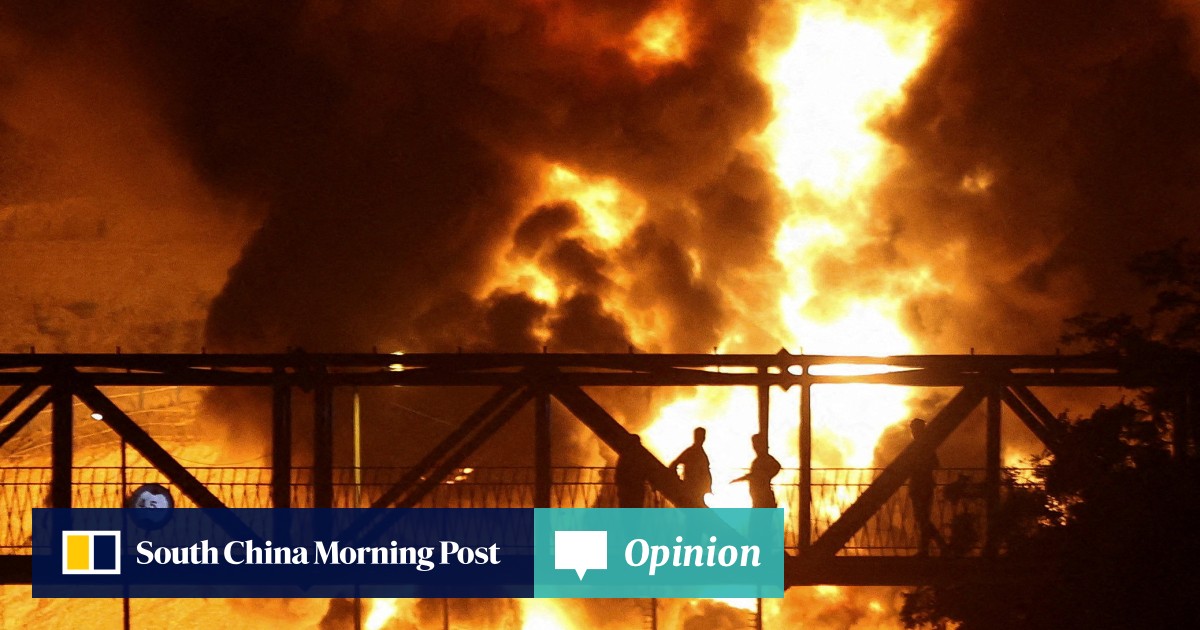
There is still no lasting peace deal in the Persian Gulf, but energy-hungry Asia is already drawing energy lessons from four months of war: It needs bigger buffers, a greater diversity of fossil-fuel suppliers, and a better mix of power sources overall.Flows of oil and natural gas have been returning to normal and prices have tumbled since an interim US-Iran accord was signed last month that pried open the Strait of Hormuz, relieving the immediate sense of crisis.However, the consequences of the historic shock still stand to be far-reaching. Policymakers are recalibrating their energy priorities — and nowhere more so than Asia, a key consuming region for Middle Eastern oil and gas.