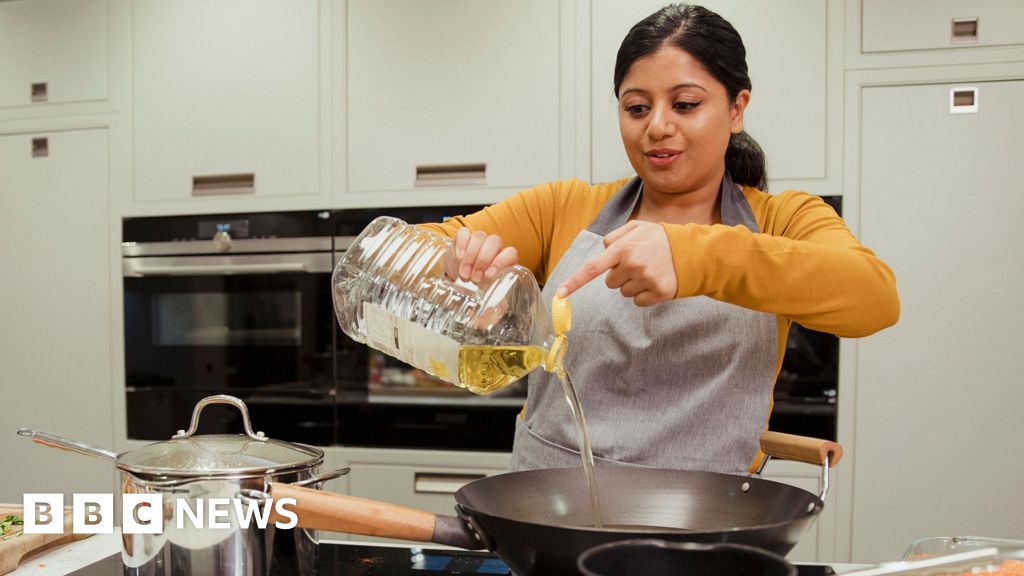
LifestyleFood & DrinkFoodYour food will come out differently depending on which method you pick07:52, 30 Jun 2026Updated 07:52, 30 Jun 2026When it comes to cooking food, there are many different techniques to choose from. During stovetop cooking, you can opt for frying or sauteing.They will produce different results and are best used for different ingredients. Some recipes will tell you to fry or sauté, so it is important to understand the difference between them.The main differences are the amount of fat used and the technique. Sauteing uses minimal fat with a high heat, while frying uses more oil and a lower heat.SauteingThe word sauté translates to "jump" in French, which means you flip or toss the food using a quick flick of the wrist. It makes this option great for smaller, cut-up items such as sliced chicken or diced vegetables.The method is best used for when you want a little colour and flavour but not a crust. Just enough oil to coat the bottom of the pan is used over a medium-high heat.A key step to sauteing is to stir occasionally. If you constantly stir, it will make the food crisp but without the colour. Too little stirring will result in uneven browning.Cookbook author Jill Silverman Hough explained: "Another key to sautéing is, when you’re not stirring, spread your food out evenly in the skillet for even browning. It’s why you see chefs shake a pan after they stir or flip—it spreads things out."Use a sauté pan, which is shallow, straight-sided. It allows for easy stirring and flipping, while pans with a lid can help retain moisture and heat.The vertical straight side helps to contain splatters and liquids inside the pan.FryingThis is where food sits in a pool of hot fat. Use enough oil to partially submerge the food, up to around halfway.Article continues belowThe method is best used for thicker cuts of meat, fish fillets or breaded items. Ingredients shouldn't be constantly tossed and instead, flip occasionally.It is ideal for producing crispness and a richer flavour profile. When frying food, use a frying pan that is shallow with sloped sides.The sloped edges made the make easy for food to be flipped and turned, while the flat bottom allows for even cooking. It also helps steam to escape from the pan, which is ideal for searing.Choose Daily Mirror as a 'Preferred Source' on Google News for quick access to the news you value.FoodFood and drinkLife hacks
Difference between frying and sauteing — and how it produces different results
Your food will come out differently depending on which method you pick
406 words~2 min read