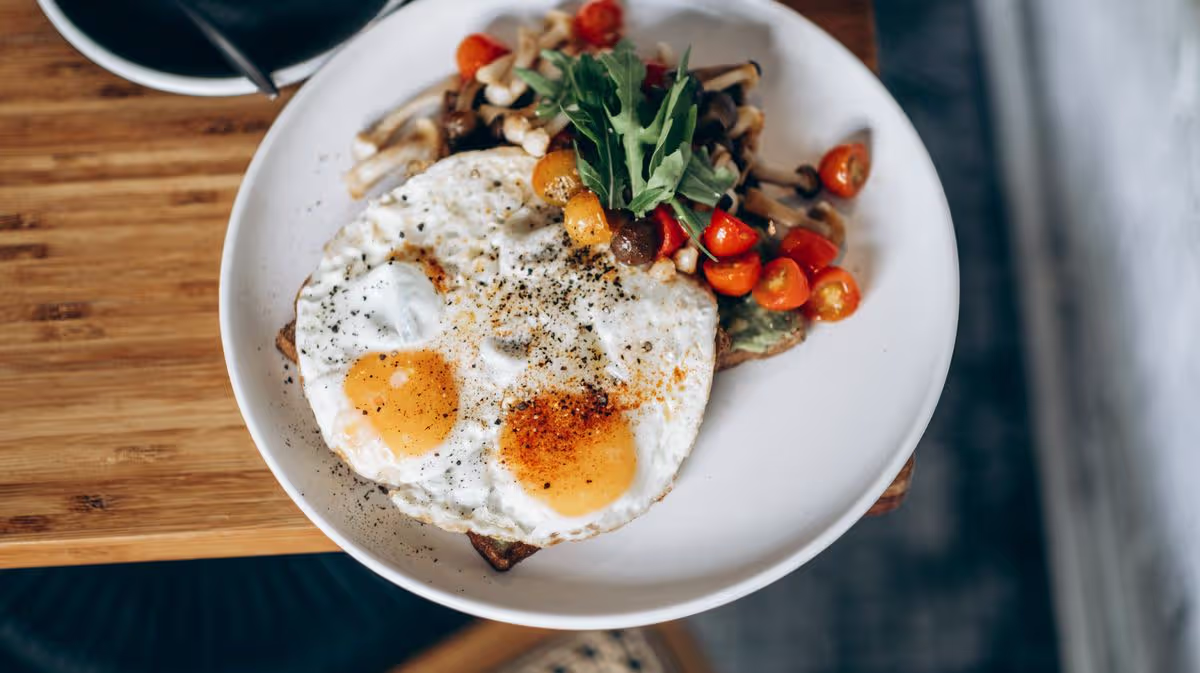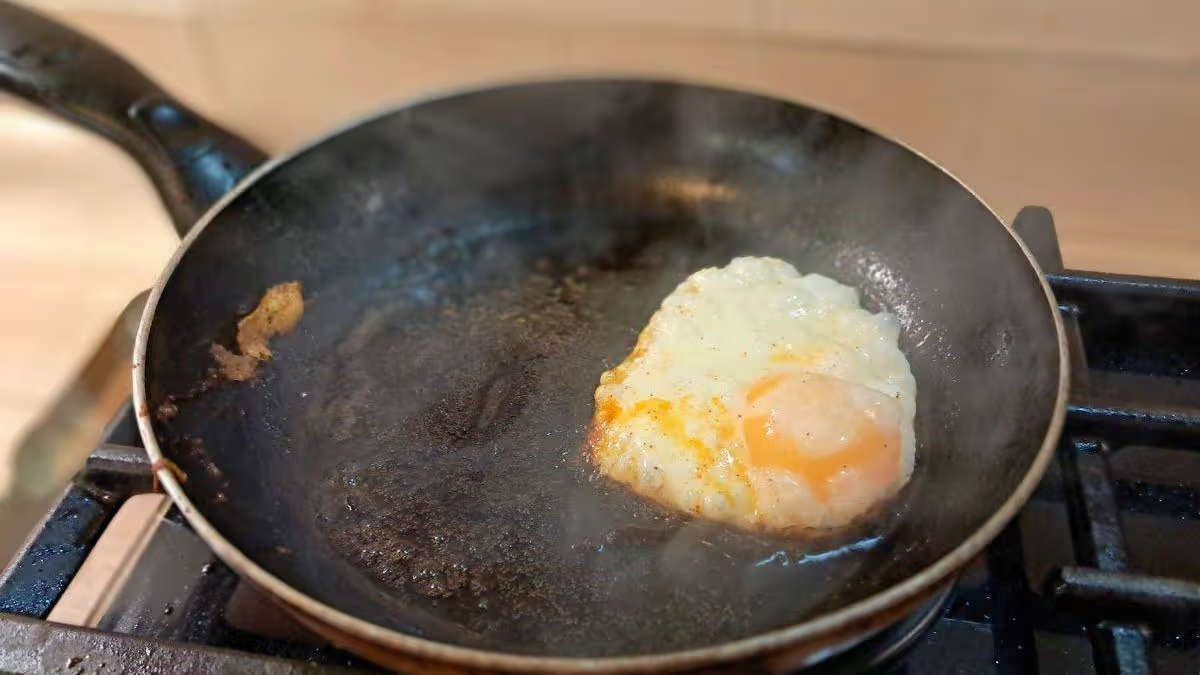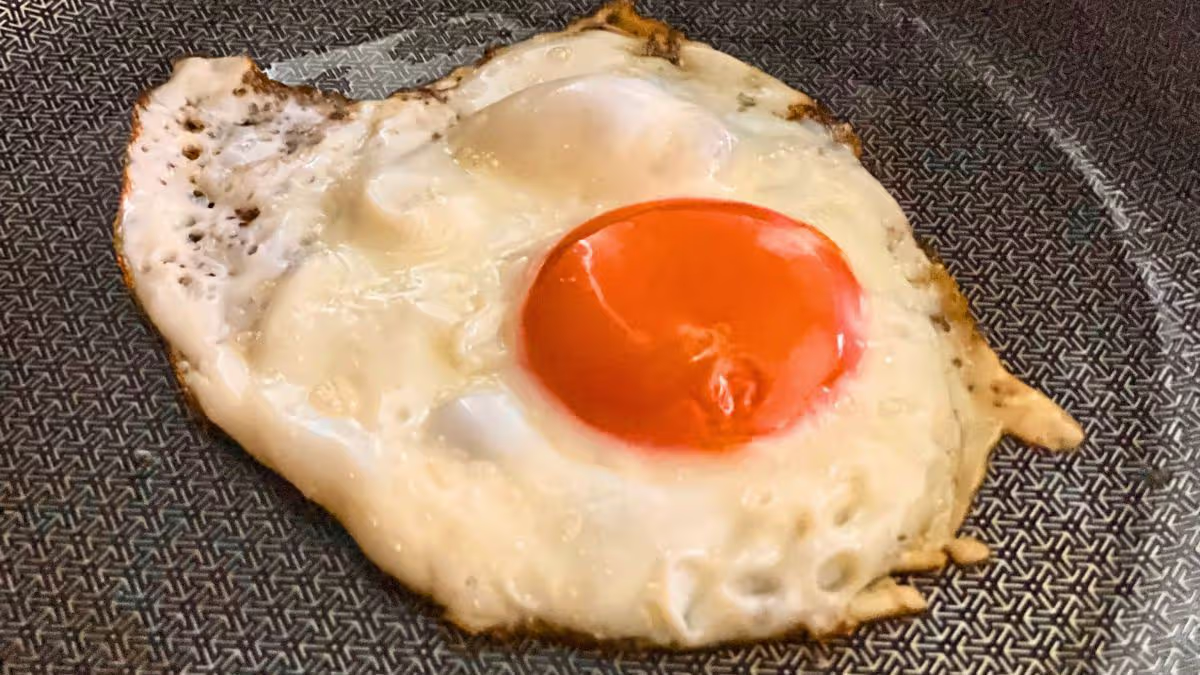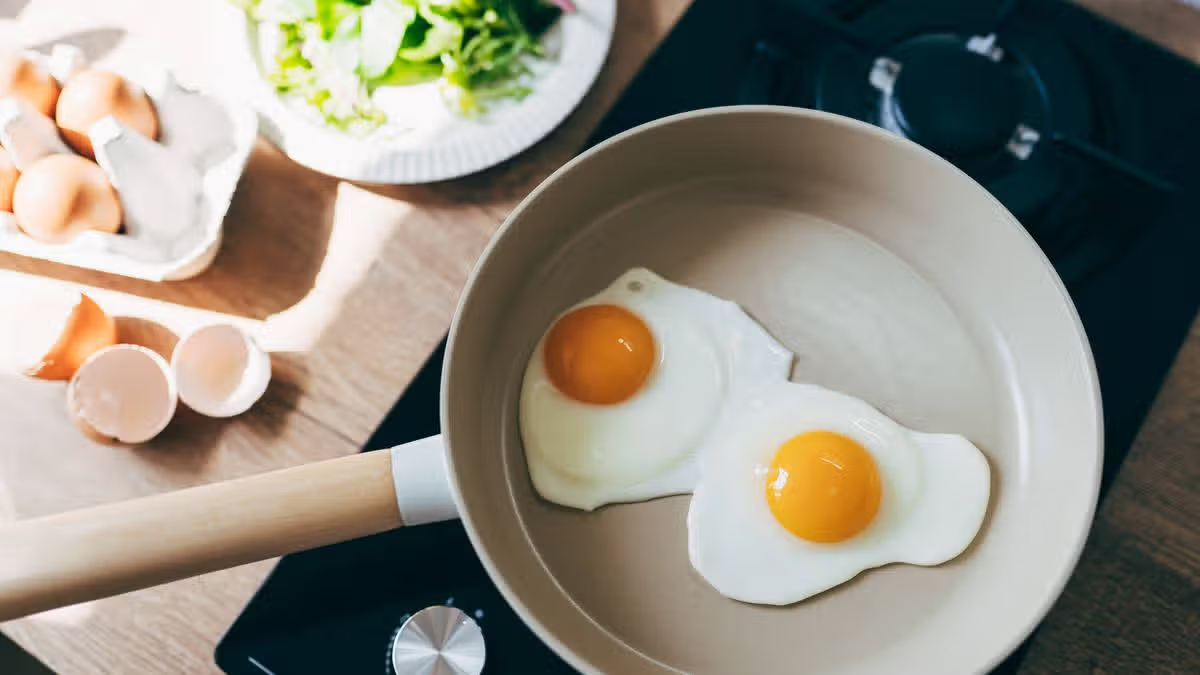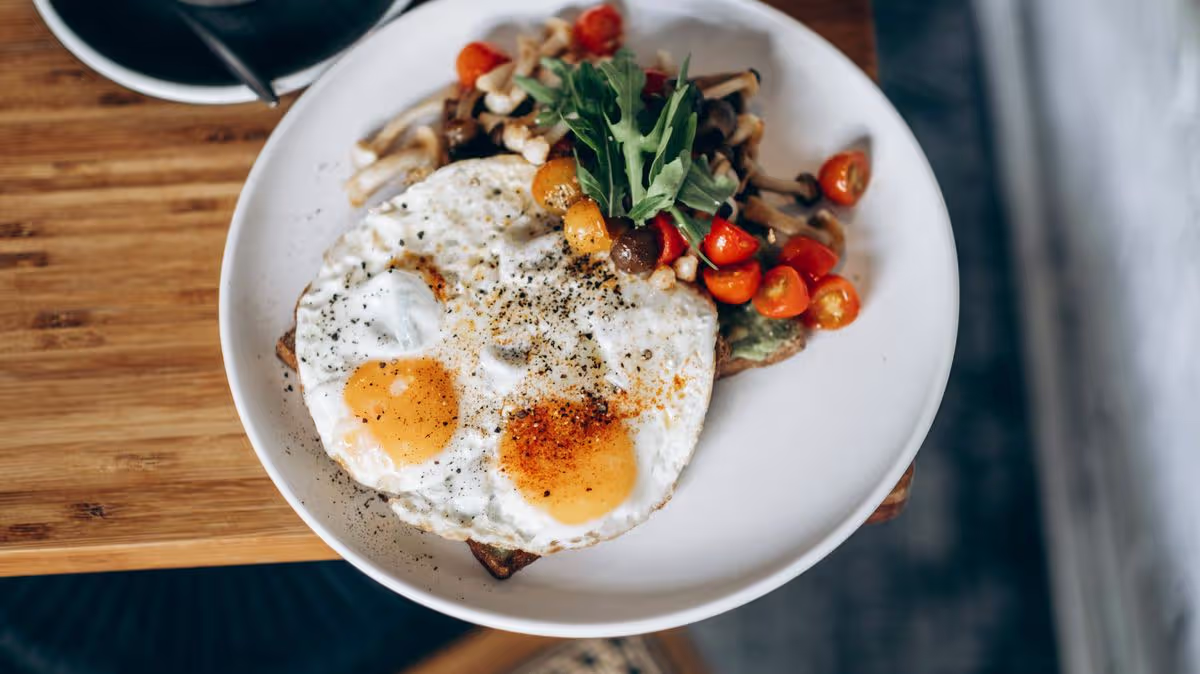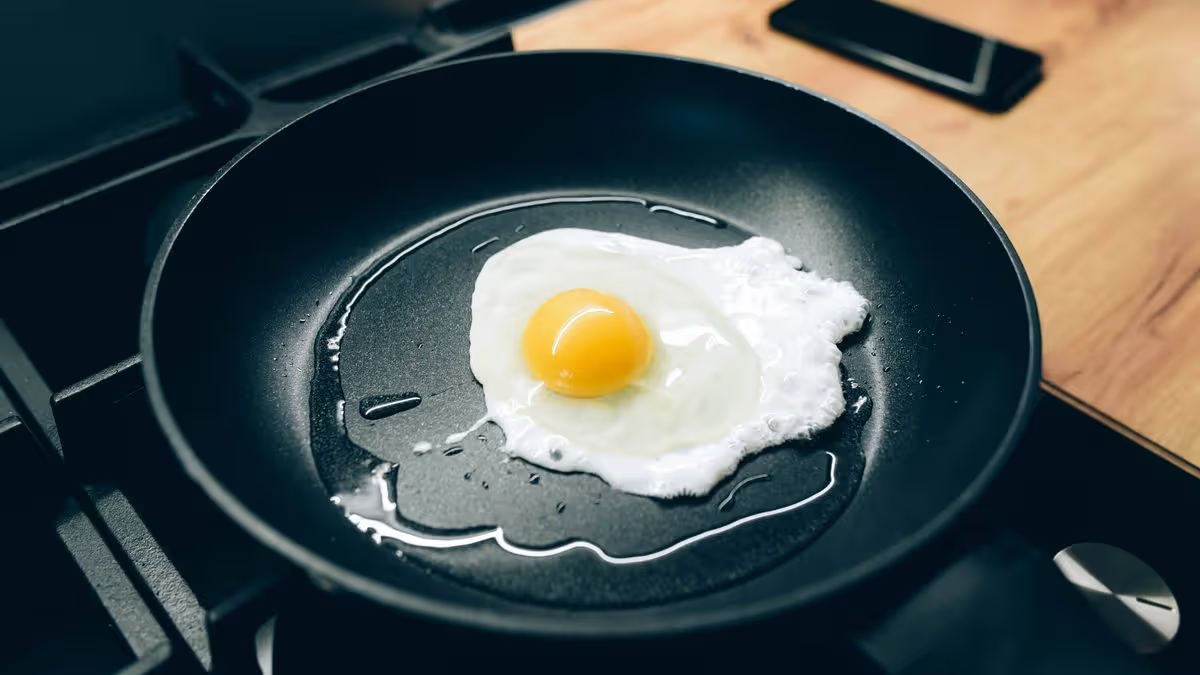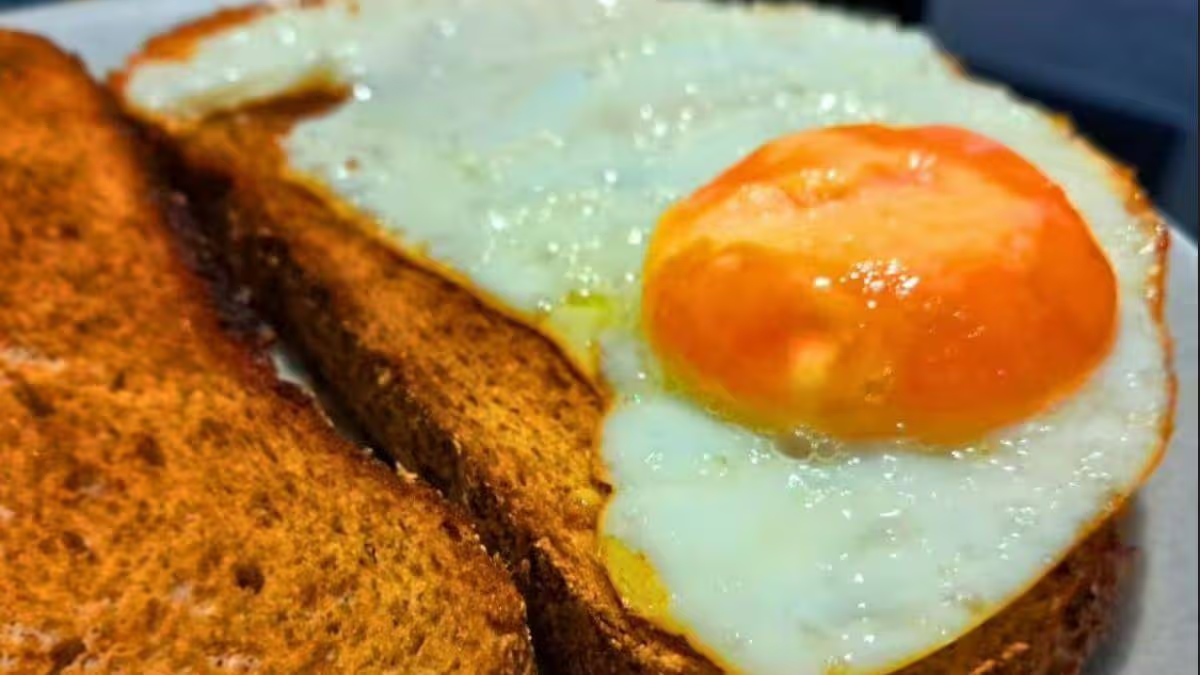
Fried eggs have a bad habit of burning and sticking to the pan, but there is a simple technique to cook them properly without drenching the pan in butter or olive oil.11:48, 27 May 2026Fried eggs may appear to be one of the most straightforward things to rustle up in the kitchen, yet they can cook unevenly and frequently turn out a complete disaster if you simply toss them into a frying pan. That might sound daft, but the bottom of the egg whites tends to cook far more quickly than the yolk, which can begin to burn at an alarming rate.This often sends people into a panic, prompting them to whip the fried egg straight out of the pan — but this means the centre remains slightly undercooked, causing it to fall apart entirely. Cooking is something I genuinely enjoy, yet more often than not, my fried eggs end up scrambled, so I set about doing some research to find a straightforward way to keep them in one piece.What I discovered was that no fancy culinary skills or specialist ingredients are required to produce a perfectly crispy fried egg, as water alone can help you nail the ideal texture with little effort.It's incredibly common for fried eggs to disintegrate during cooking because people try to flip them to cook the top, but this often goes awry and just breaks the yolk.Adding water while cooking a fried egg creates a generous amount of steam, which gently cooks the top of the egg, allowing the yolk to achieve that perfect, wobbly consistency.Using water also reduces some of the heat in the pan, allowing the whites to cook alongside the yolk while still delivering those beautifully set, crispy edges.This culinary method is known as steam frying, and it is the simplest way to guarantee a fried egg with the best texture imaginable, taking just around five minutes to try yourself.Discovering steam frying last year completely transformed the way I approach breakfast, and I've since received plenty of compliments on my fried eggs, particularly when I incorporate them into ramen.How to make the perfect crispy eggYou will need:Take care with the cooking fat you choose when making a fried egg, as butter adds a richer flavour but tends to burn quickly and can turn unpleasantly bitter if it chars.Oil is far more forgiving, and sunflower oil comes highly recommended given its high smoke point, which means it won't start to smoke or burn under intense heat.Olive oil is perfectly acceptable if you have nothing else to hand, but exercise caution, as extra virgin olive oil has a lower smoke point and is considerably more likely to burn your egg.Method:To start, set the hob to medium heat, pour in the oil, and let the pan warm for one minute before cracking your egg. If the frying pan is cold, the egg will simply spread out and resemble scrambled eggs, but if the pan is left for ages, it will overheat, making it far more likely your fried egg will burn.It's also worth cracking your egg into a bowl beforehand before transferring it to the pan. This reduces the risk of shell fragments ending up in the egg and makes it considerably easier to maintain its shape.Allow the egg to cook for one or two minutes until the whites have set, then introduce a small splash of water to the pan. Place a lid on top and leave it to cook for a further minute until the yolk appears perfectly cooked and wobbles slightly.Once the egg looks done, scatter a little salt and pepper over it. Adding seasoning to a raw egg too early can draw out its moisture, causing the whites to thin and turn unpleasantly dry.Article continues belowAfter that, simply slide the egg onto a plate or a generous slice of buttered toast. The finished egg should boast crispy edges while the yolk remains tender yet fully cooked through.
Fried eggs taste better if you swap butter for a natural ingredient
Fried eggs have a bad habit of burning and sticking to the pan, but there is a simple technique to cook them properly without drenching the pan in butter or olive oil.
656 words~3 min read