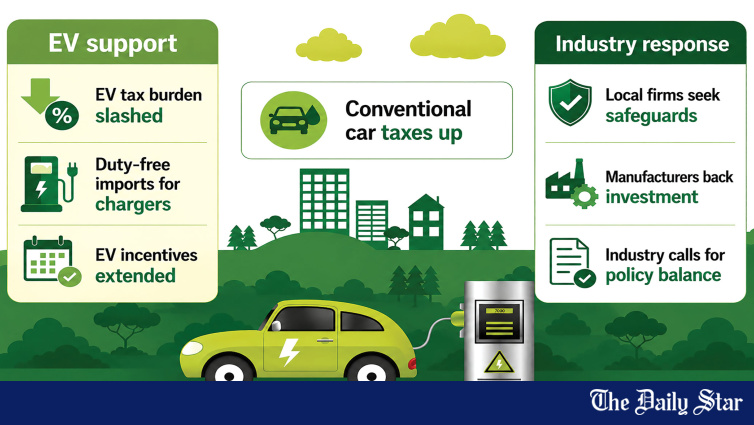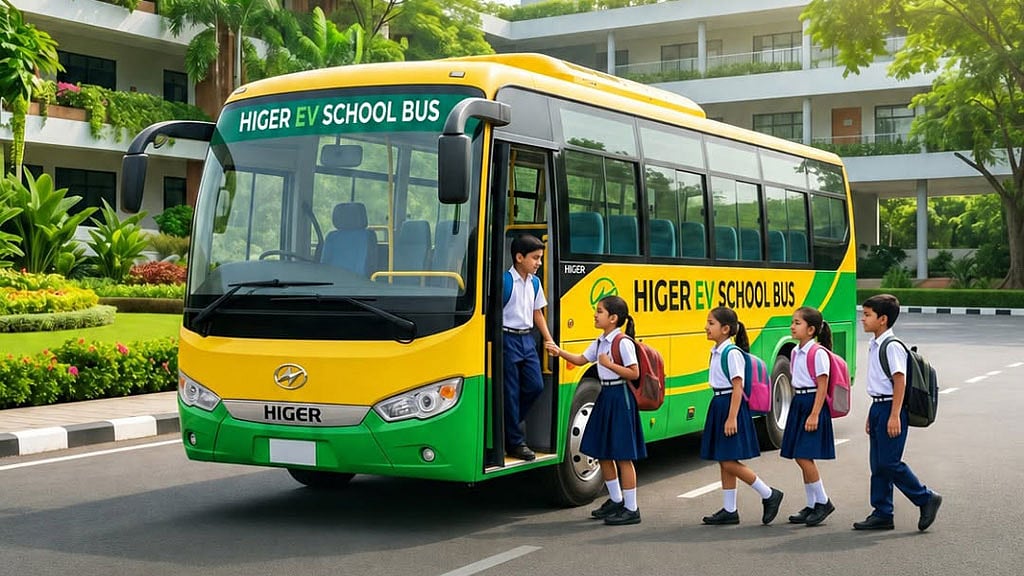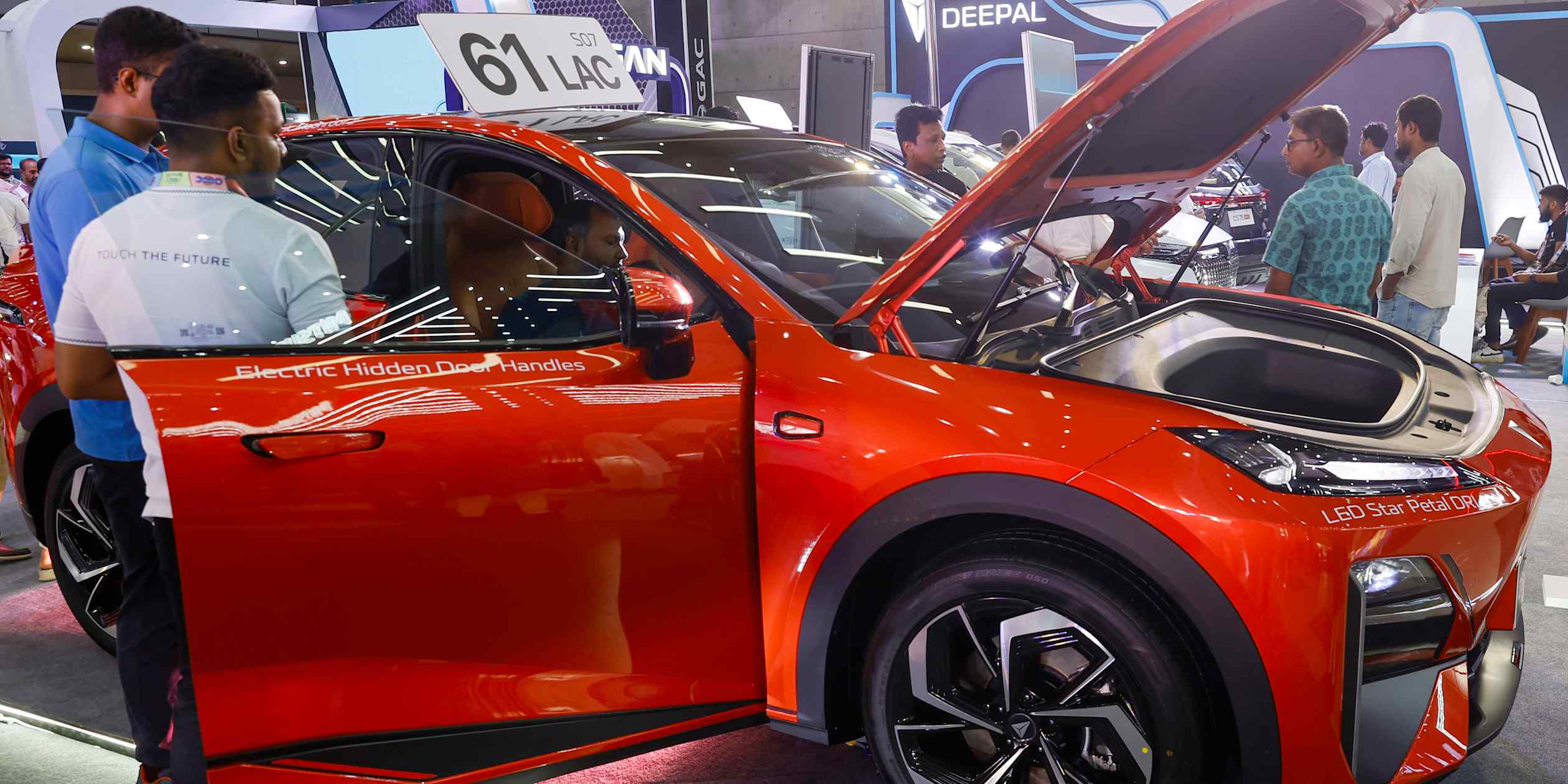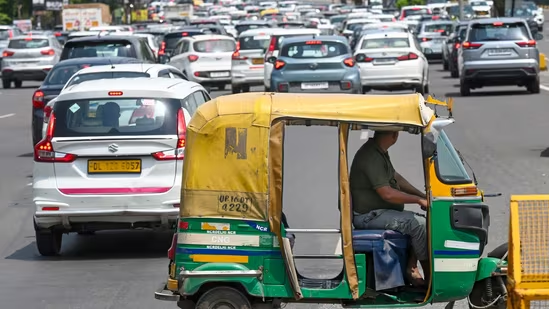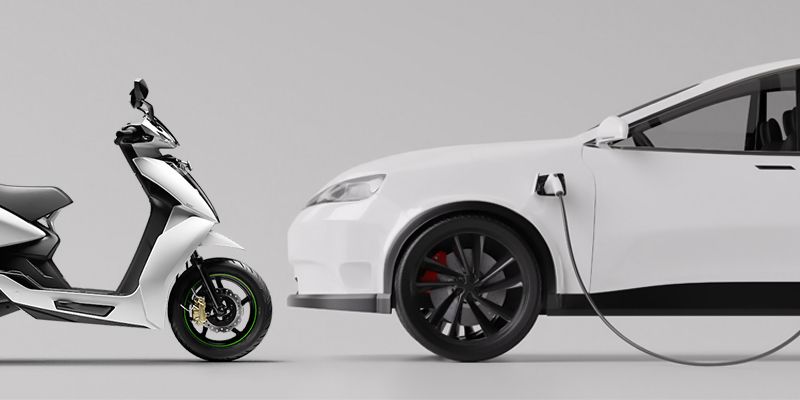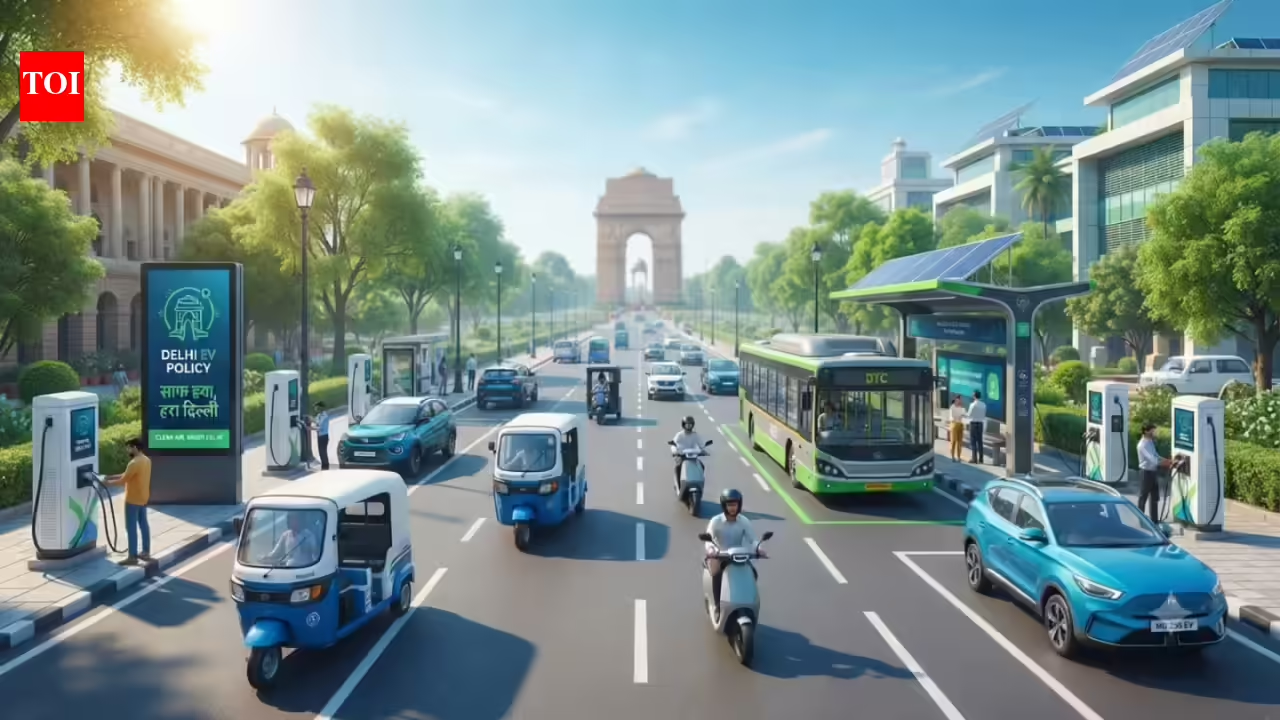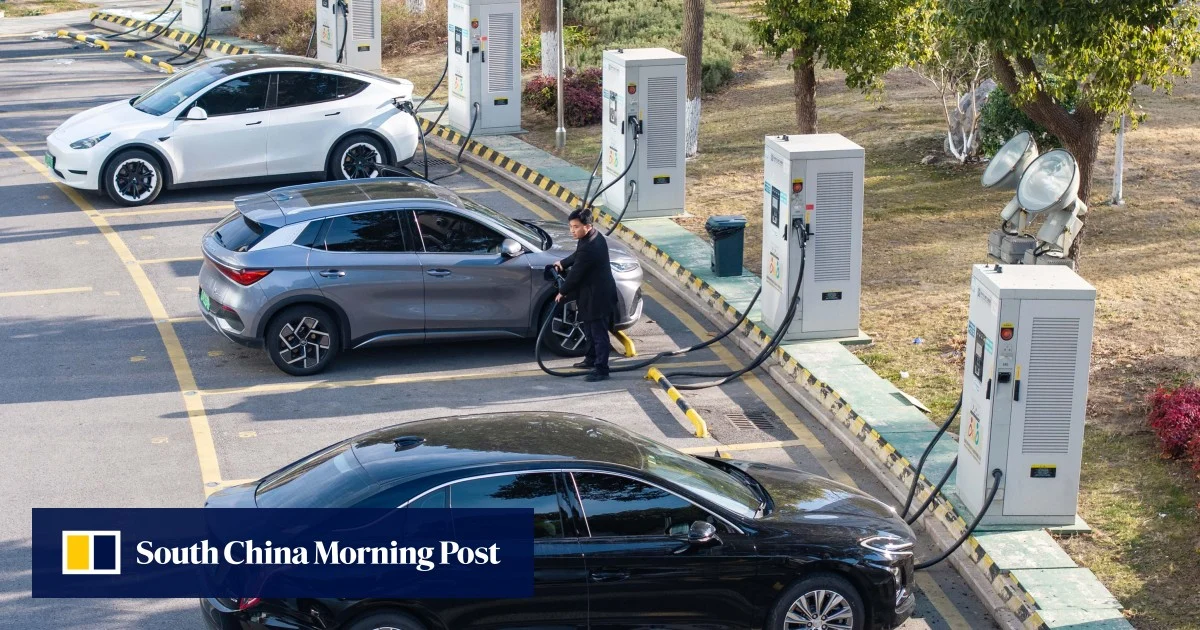
In the national budget announced on June 11, the Bangladeshi government waived tariffs on the import of electric vehicles (EVs) such as buses and trucks between July 1, 2026, and June 2030, while increasing tariffs on fossil fuel-run vehicles.A tariff waiver was also announced for setting up charging stations for EVs.The government aims to replace 25% of buses and 30% of trucks with electric alternatives, in line with the Nationally Determined Contribution (NDC).Besides adaptation, the South Asian country is now embarking on mitigation to reduce carbon emissions and air pollution that kill hundreds of thousands of people every year.
In an unprecedented move, Bangladesh has upended its previous policy of heavily taxing electric vehicles (EVs) and promoting fossil-fuel-run transport.
While placing the tax and tariff proposals for the next fiscal year starting on July 1, finance minister Amir Khasru Mahmud Chowdhury, in his budget speech in the parliament on June 11, unveiled a set of coordinated tariff structures to promote EVs and solar energy to reduce carbon emissions and combat air pollution.
The minister offered zero tariffs for the import of electric buses and trucks, the setting up of vehicle charging stations, and the production of solar energy; hiked tariffs for fossil-fuel-powered transport; reduced registration fees for EVs; and introduced a set of incentives with the target of reducing pollution from the transport sector, which contributes 9% of greenhouse gas emissions.