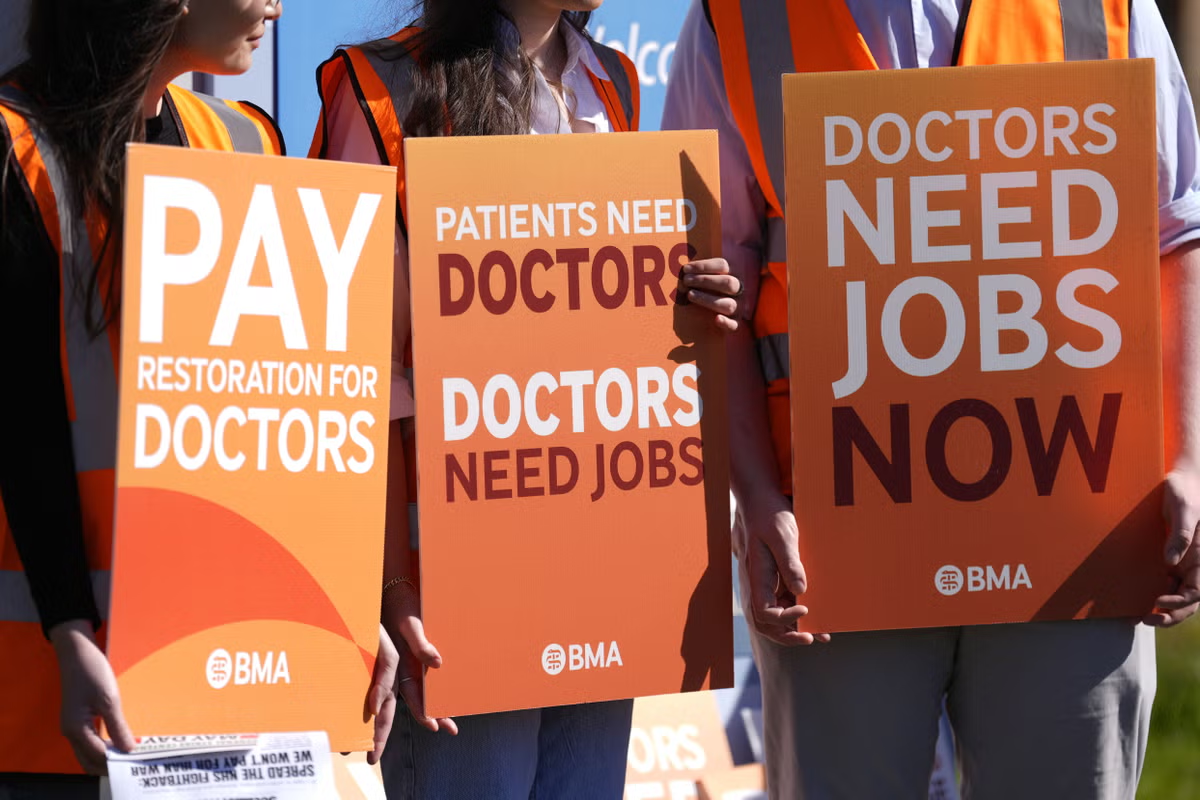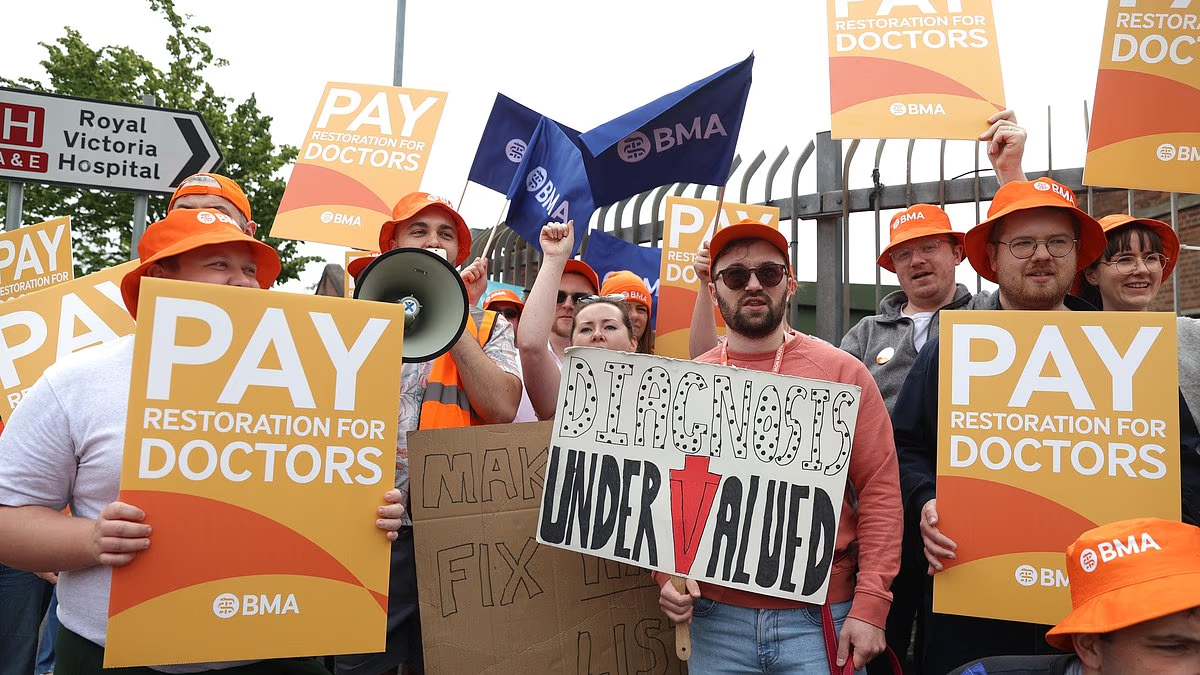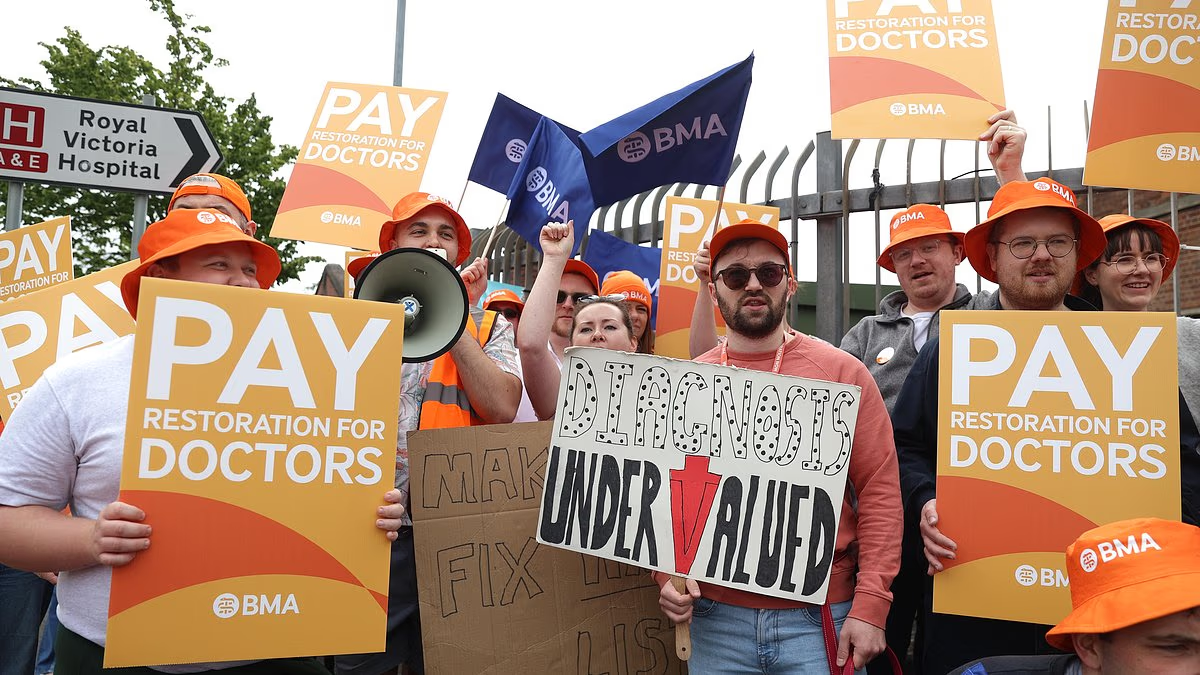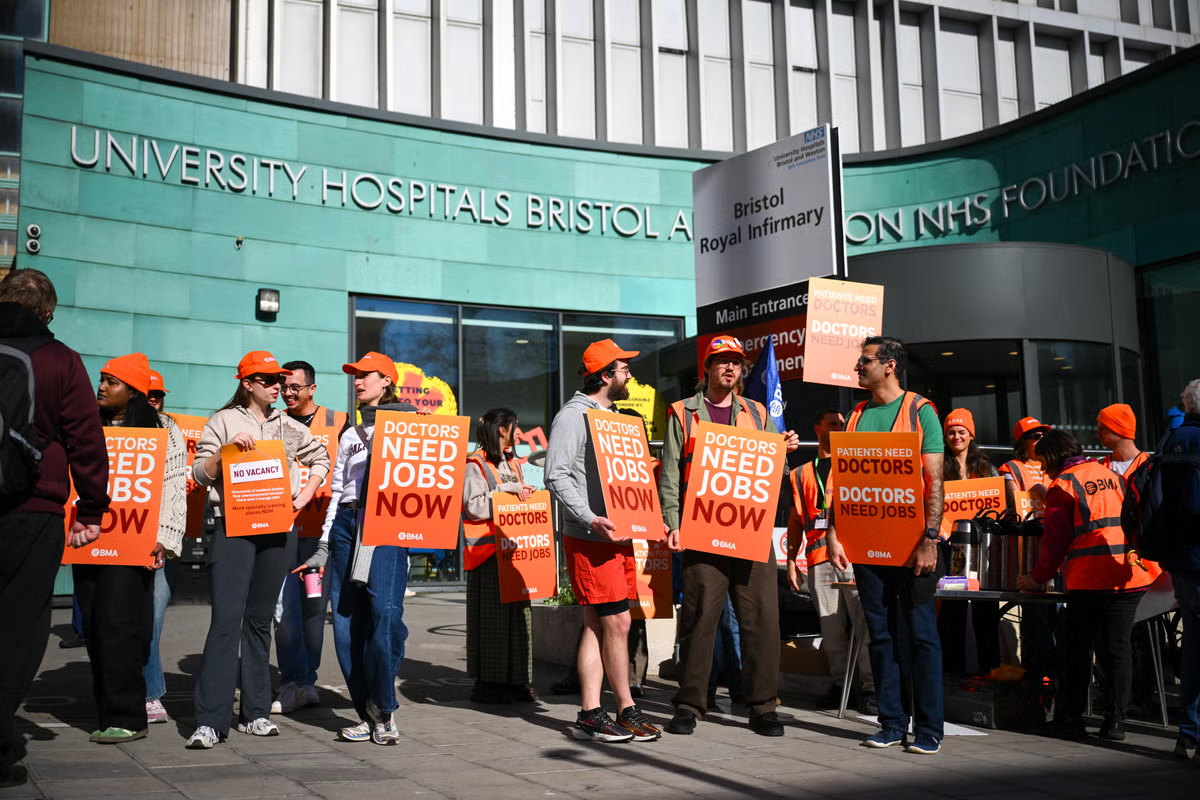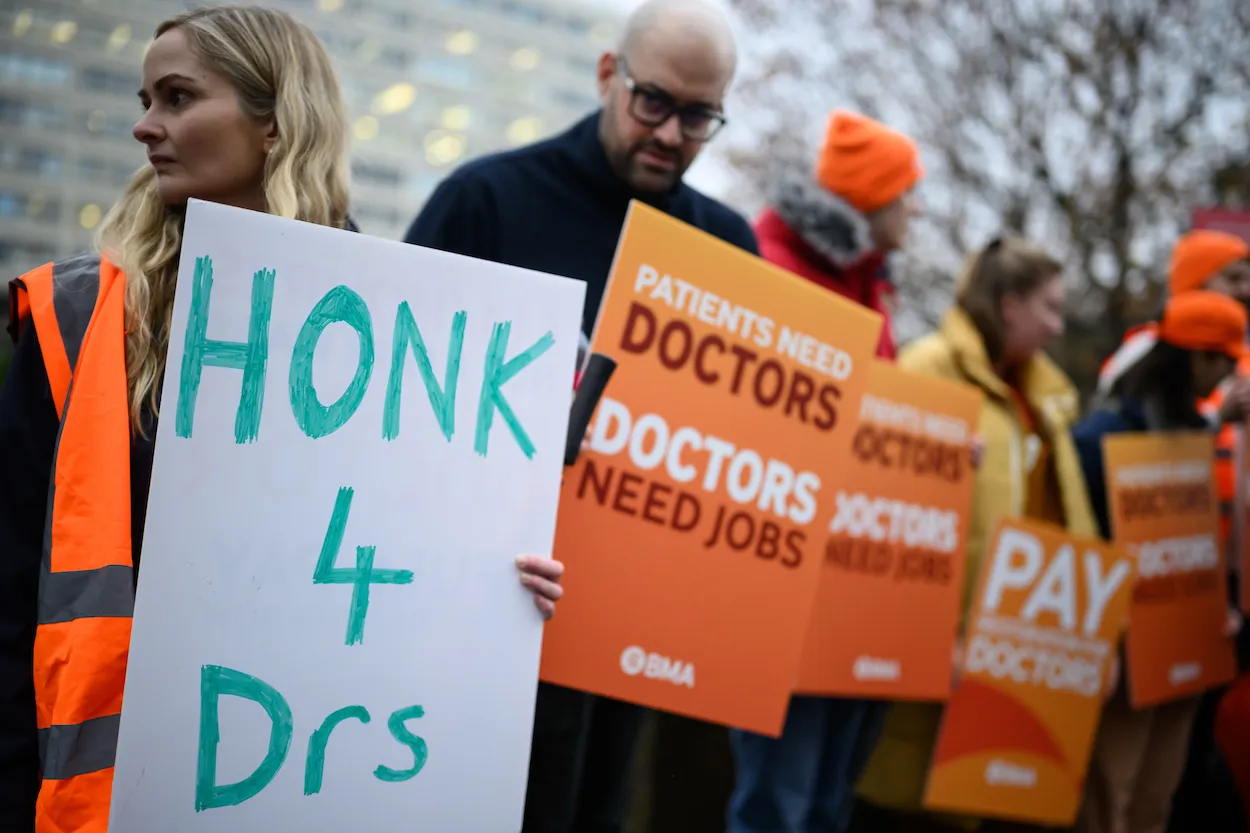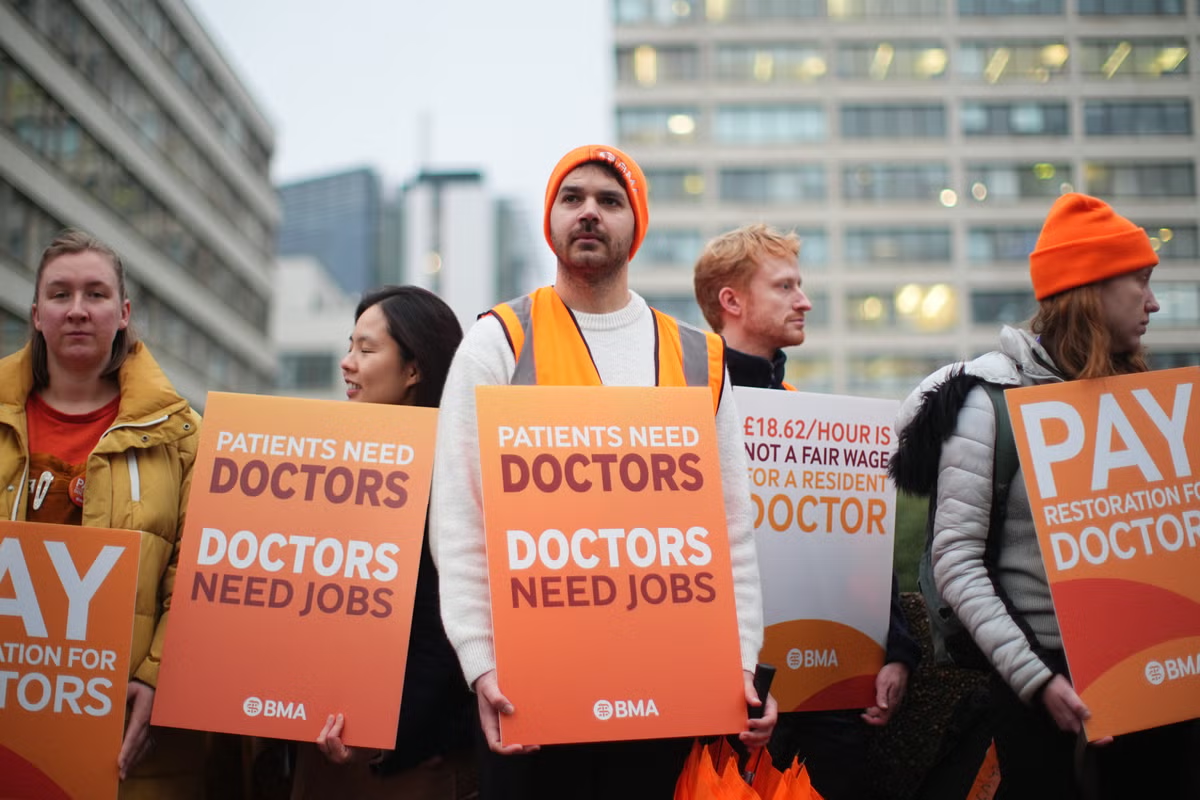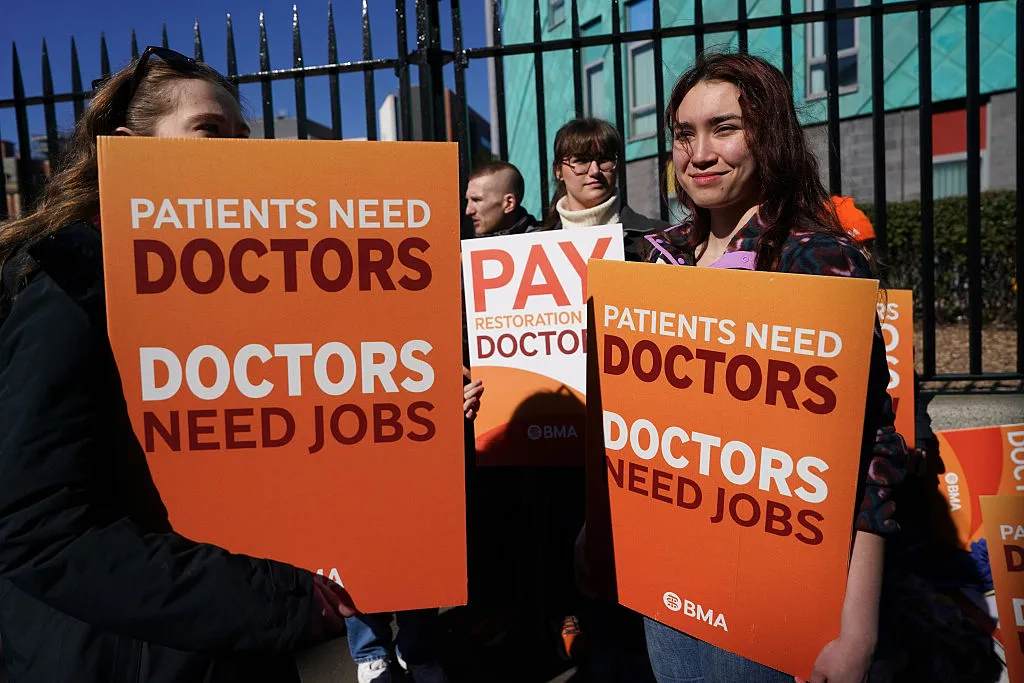
After three years, and a cost to taxpayers of over £3 billion, the junior doctor strikes are finally over. For now.
The vote was narrow. Of those who voted, only 53 per cent backed the deal. The BMA reports the pay rise comes to 6.6 per cent by April 2027, with more to follow. Pay progression will be faster. The government will now pay doctors’ postgraduate examination fees, which the Royal Colleges run, as well as their college membership fees, a deal which guarantees the price of both will swiftly rise.
A government with some steel would see the complaints of doctors as an opportunity. Workers’ rights too often mean the opposite, supporting the rights of those who work least
In addition, the government has promised an extra 4,500 training posts. Not because the NHS needs them, but because importing foreign doctors we didn’t need meant many of our own trainees were left without jobs. Most would have won them fairly, in open competition, but out of fear of discrimination we developed a system of allocating posts that couldn’t discriminate on merit.
NHS productivity is poor, and outcomes have failed to keep up with massive injections of extra money. In return for their concessions, it is reasonable to expect the government has extracted something for the benefit of the nation, something that will improve productivity and provide value for the taxpayer.