Comments
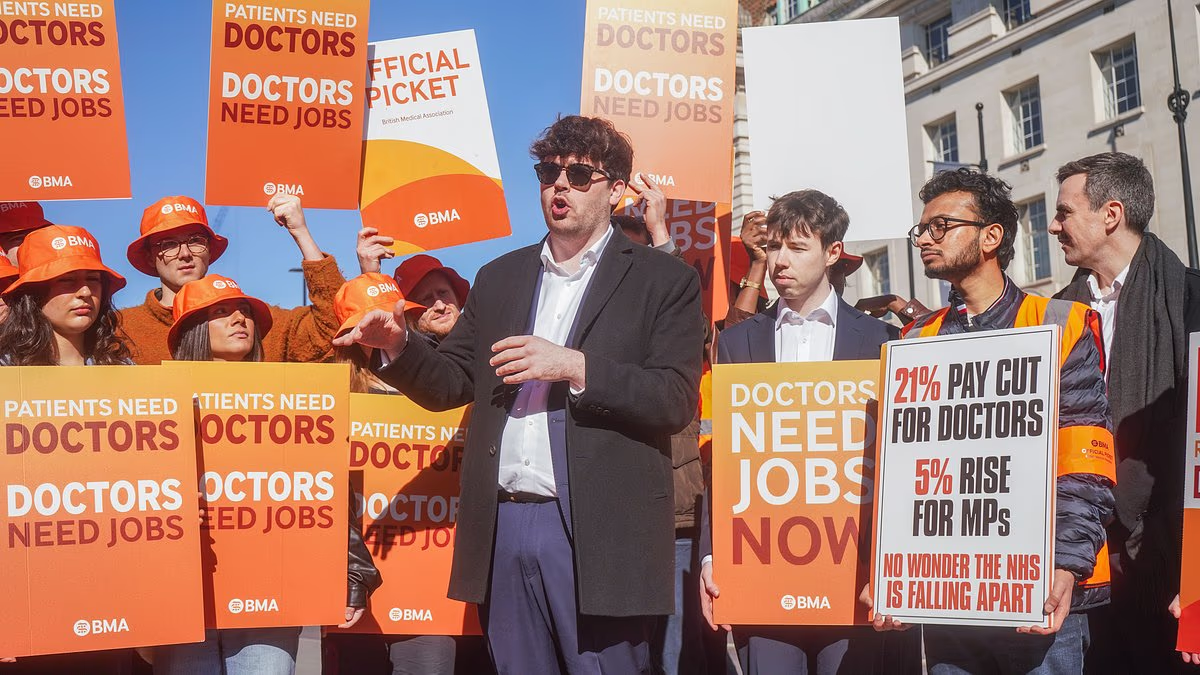
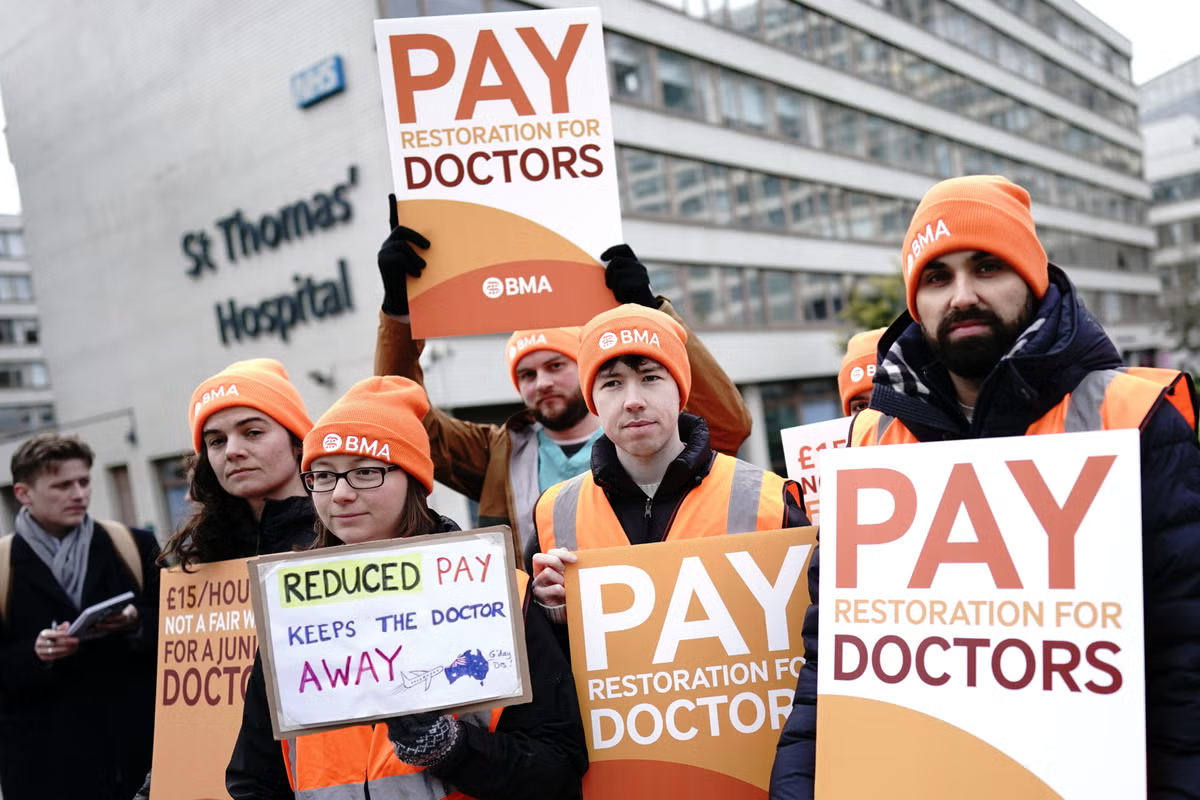
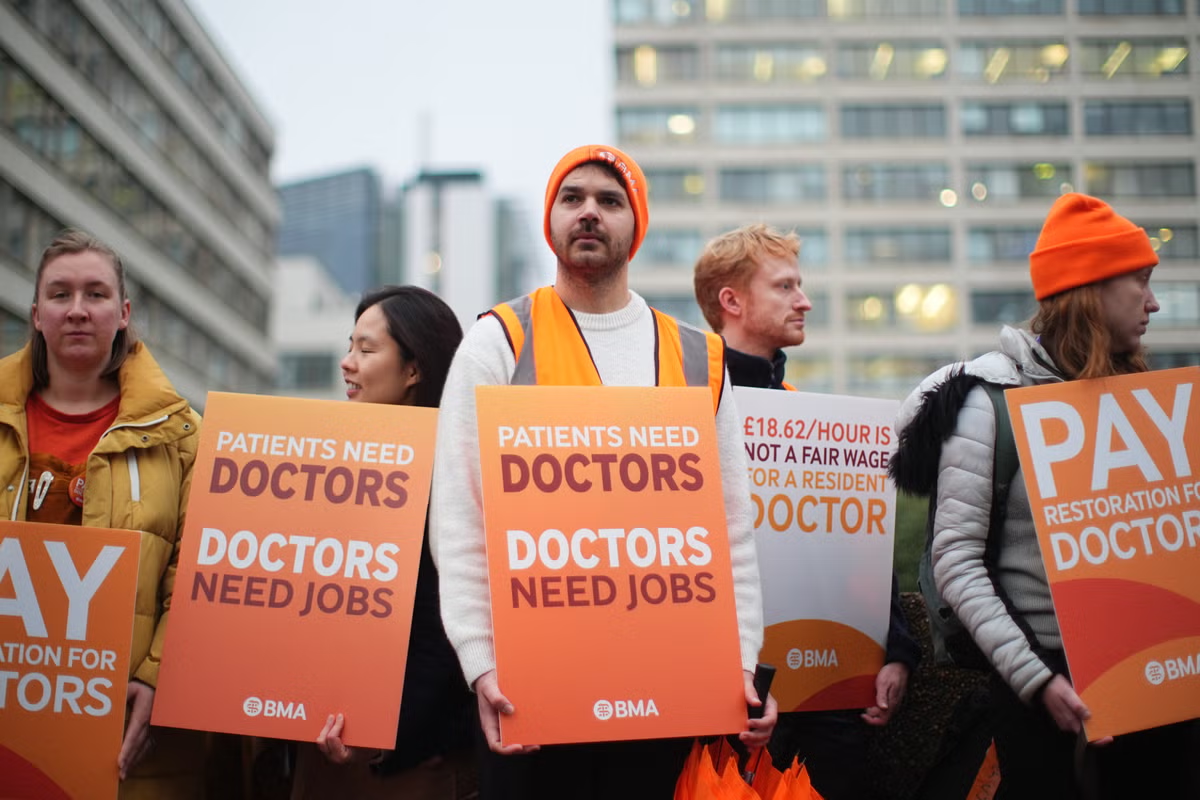
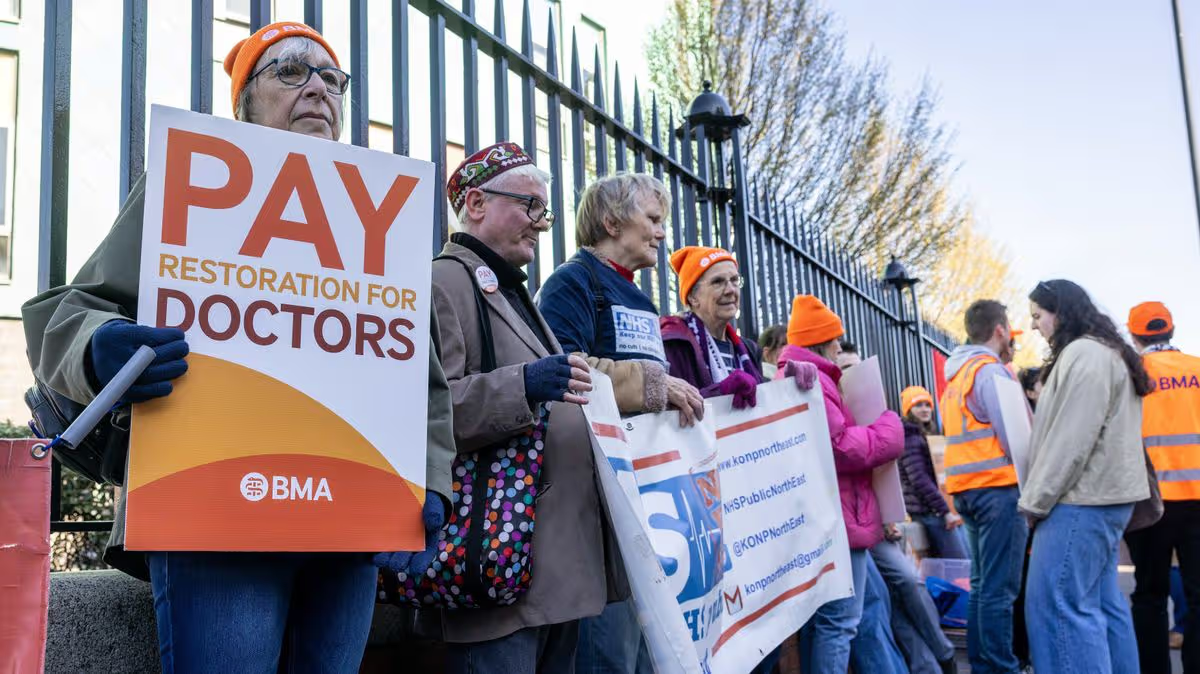
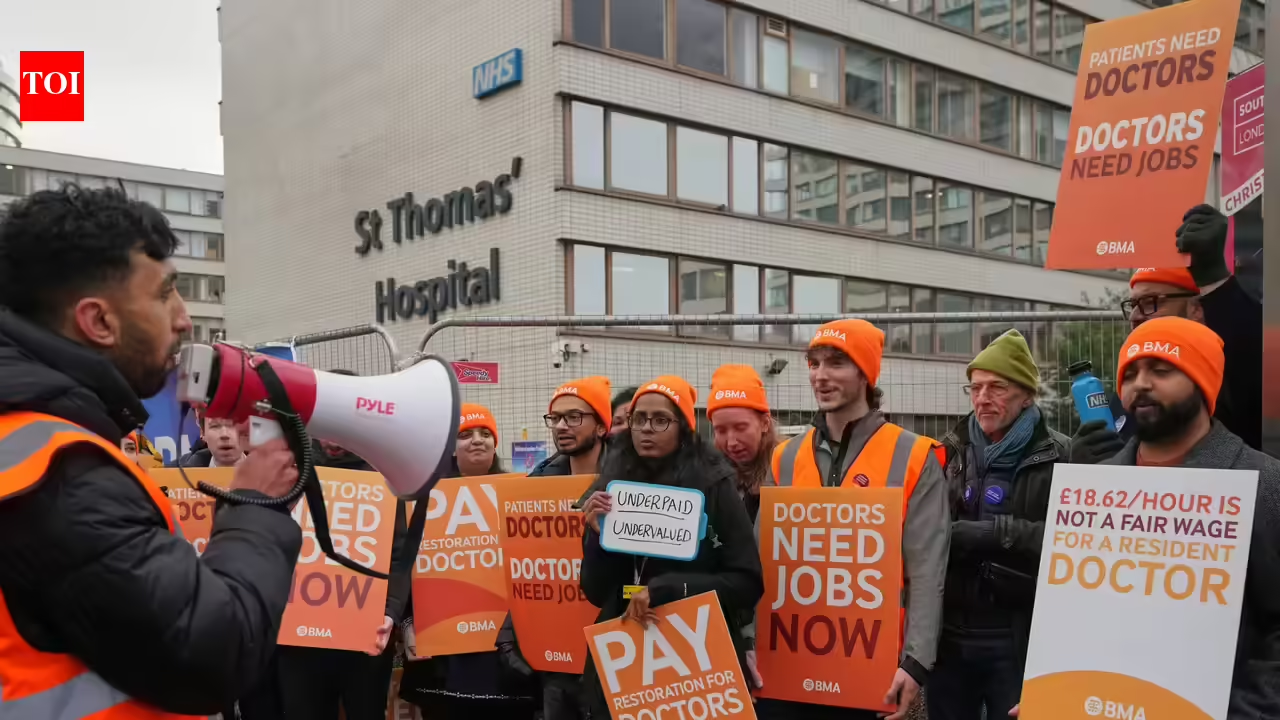
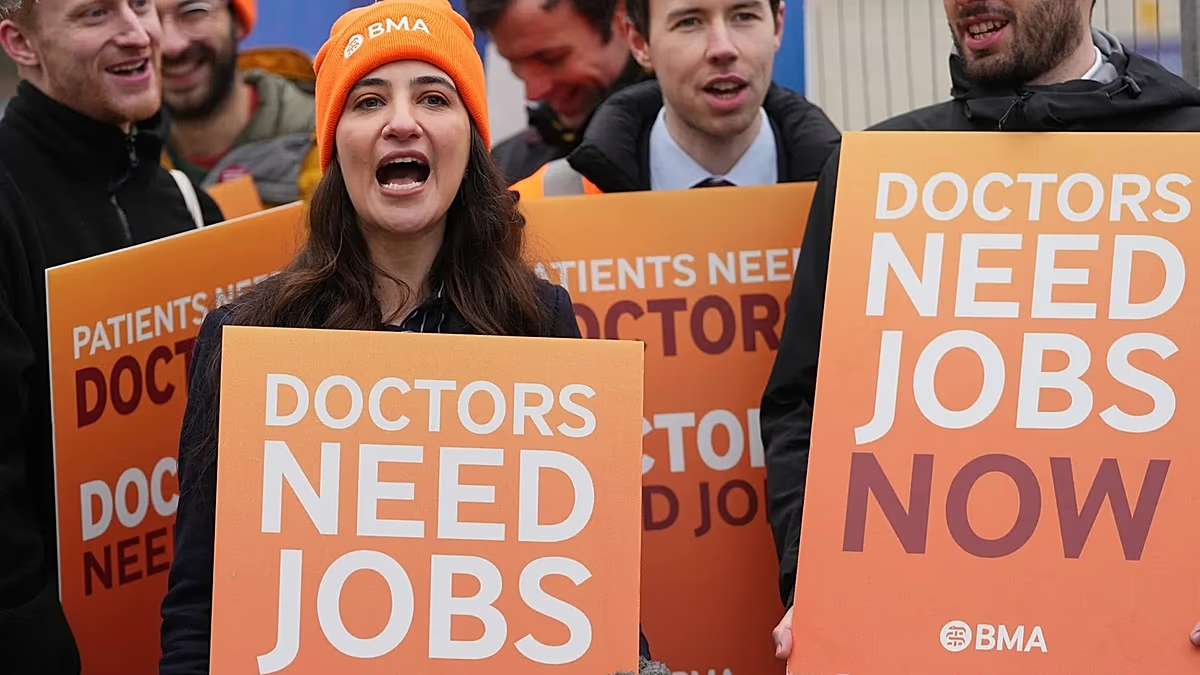
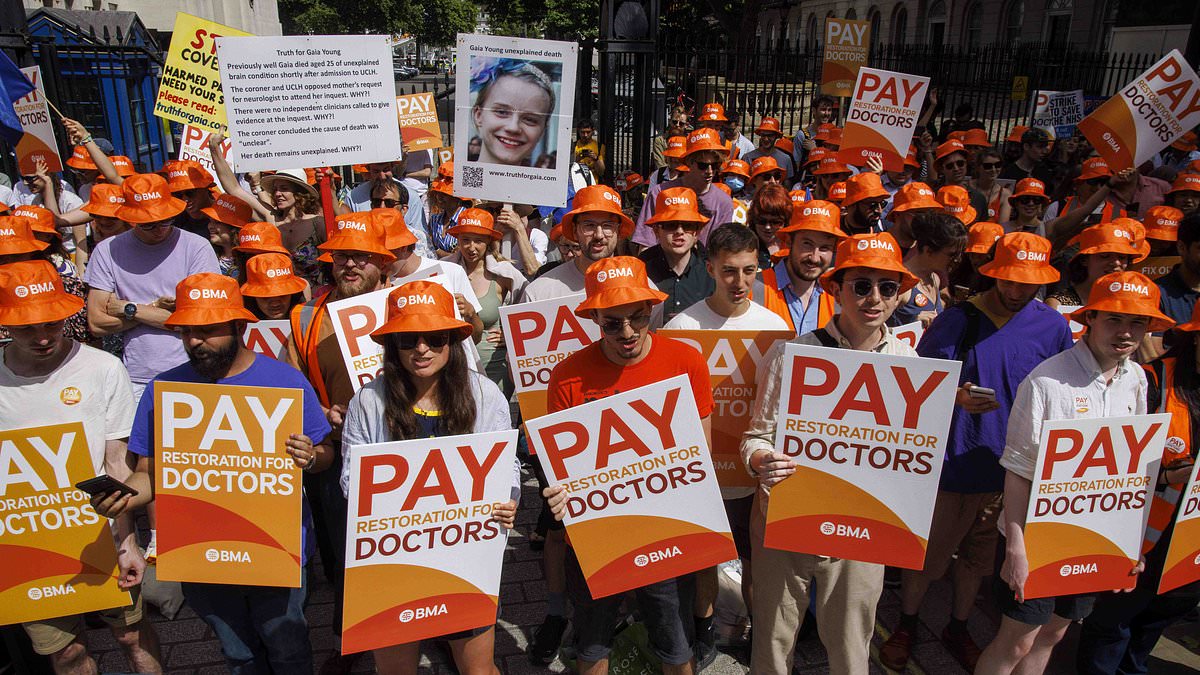
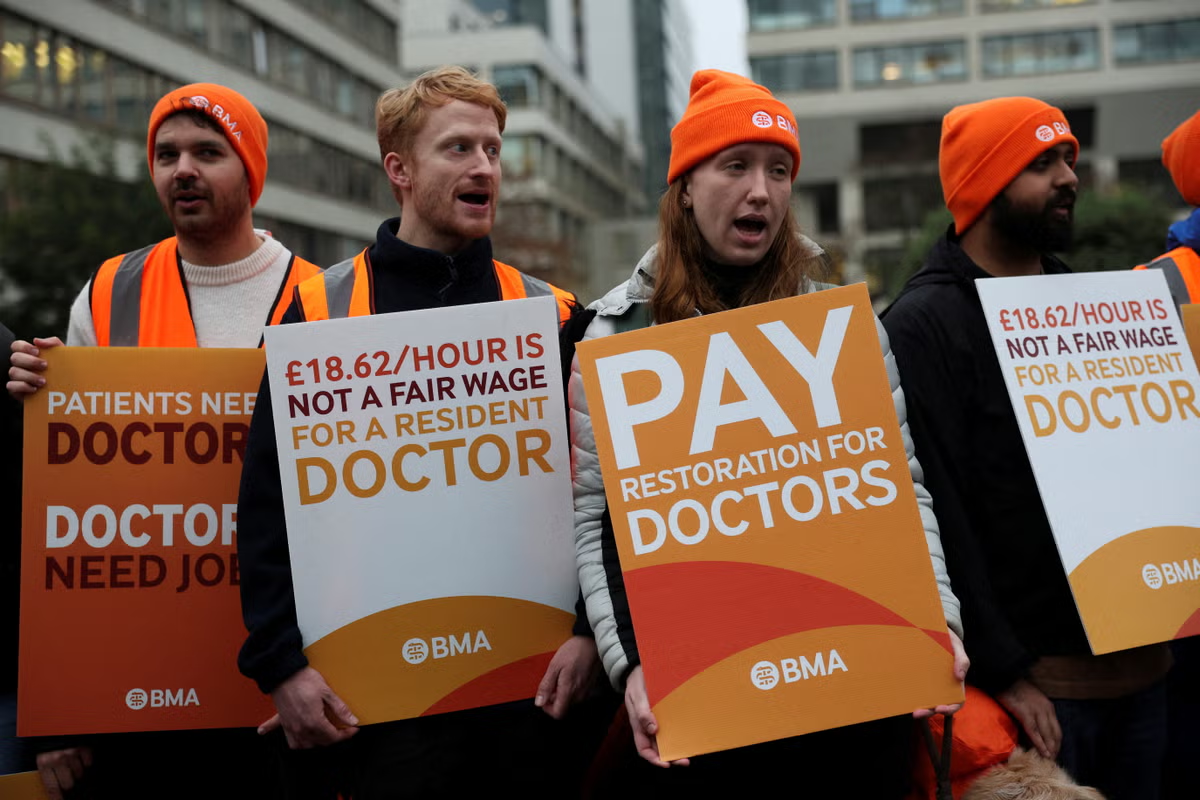
The British Medical Association announced yesterday that junior doctors will be going on strike again next month, with a four-day walkout beginning at 7 a.m. on 15 June. It will be the sixteenth time they have gone on strike since 2023.
The BMA is pressing ahead with this despite being given a very generous offer in March. The government was willing to concede a 4.9 per cent average pay rise this year, meaning that junior doctors would be on average 35.2 per cent better off than four years ago. Some more experienced junior doctors could, with additional earnings such as for working unsocial hours, be paid more than £100,000.
The BMA continues to insist that this is not enough and that they will settle for nothing less than full ‘pay restoration’. The BMA claims that they have seen pay eroded by a fifth in real terms since 2008/9 and have published a methodology to help explain how they reach this figure.
But as the Taxpayers’ Alliance has pointed out, it is somewhat disingenuous to pick 2008/9 as a starting point. During the 1990s and 2000s junior doctors received very strong real term increases in pay. From 1989/90 to 2008/9 real terms pay increased for junior doctors by 35 per cent.