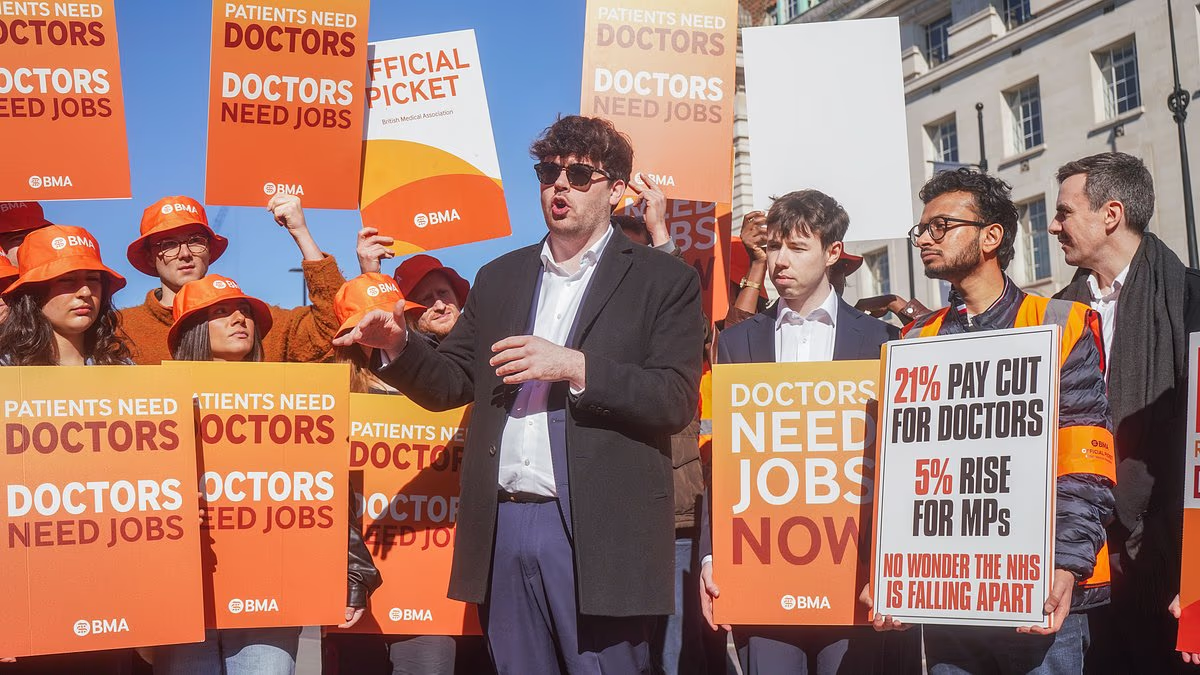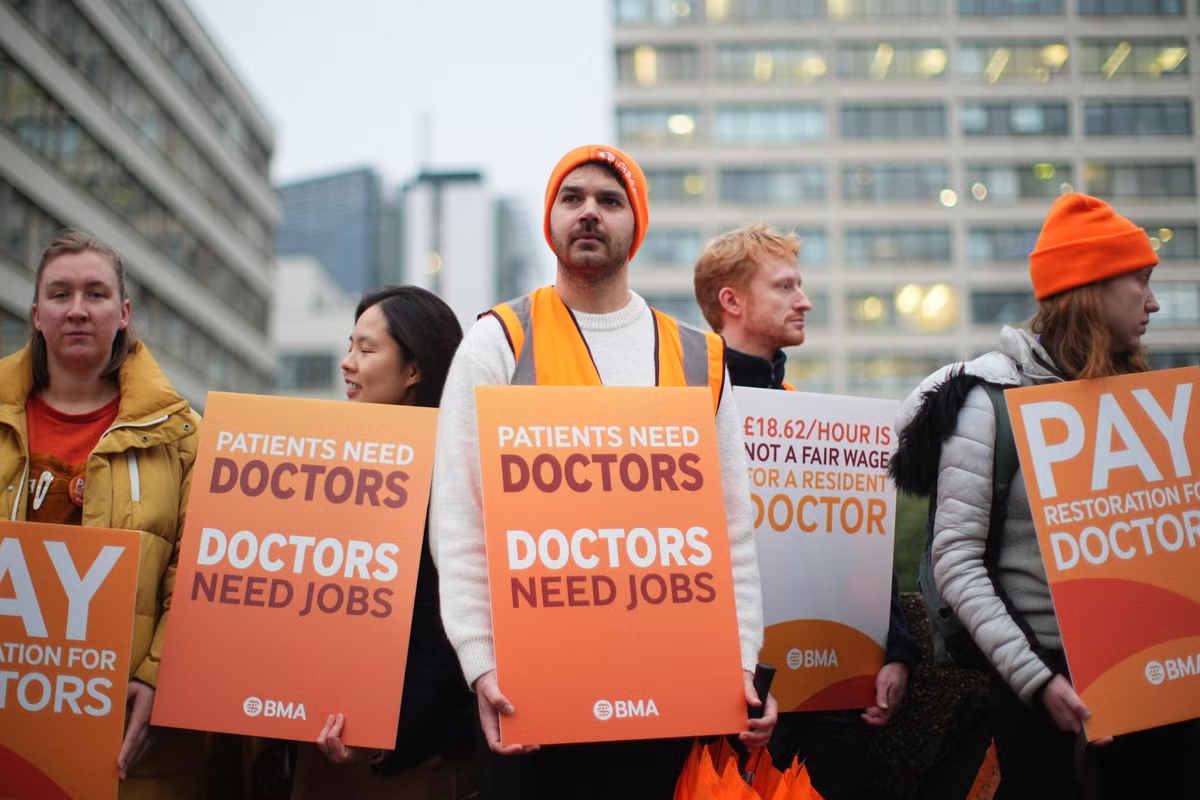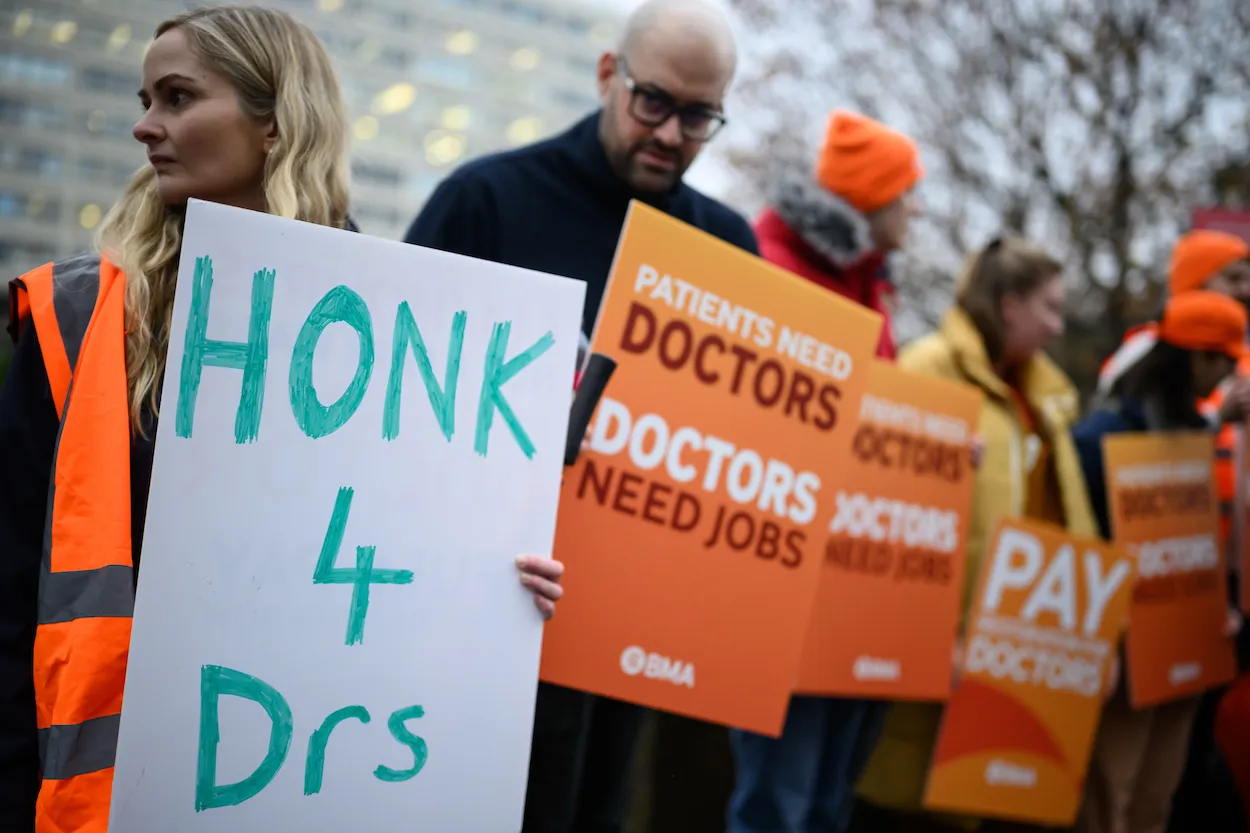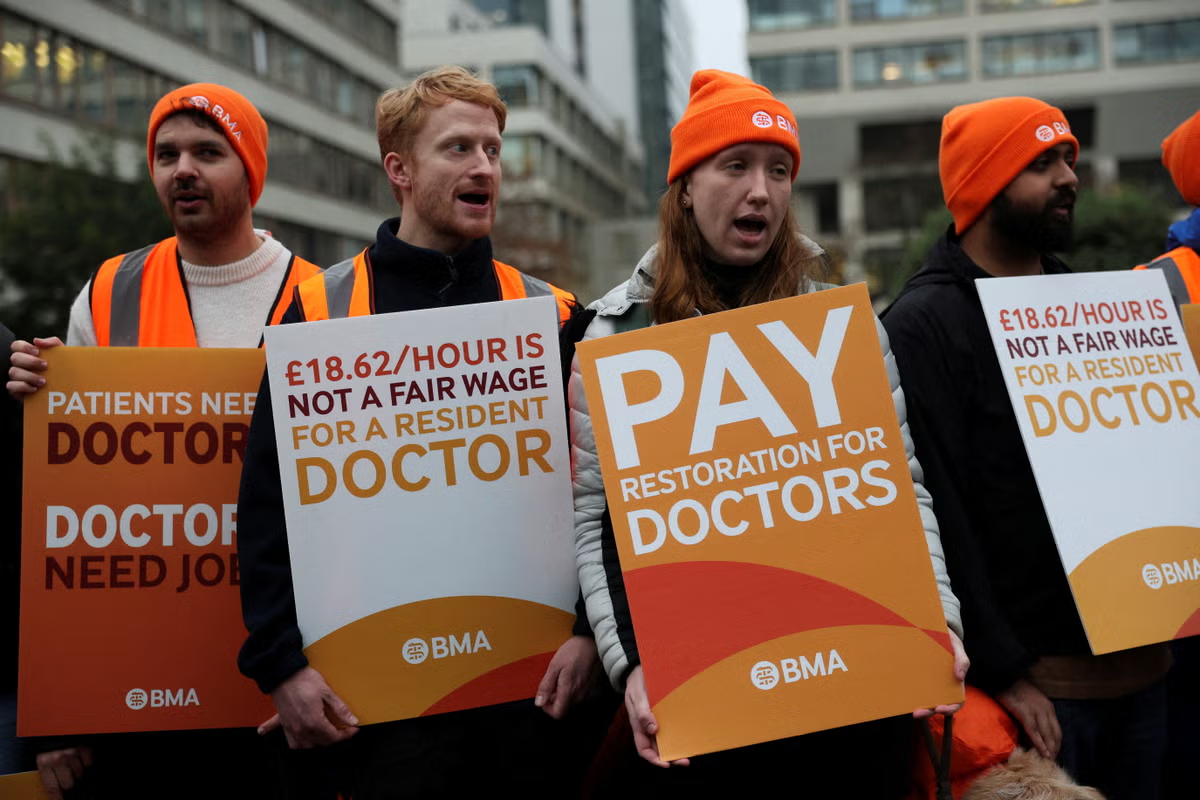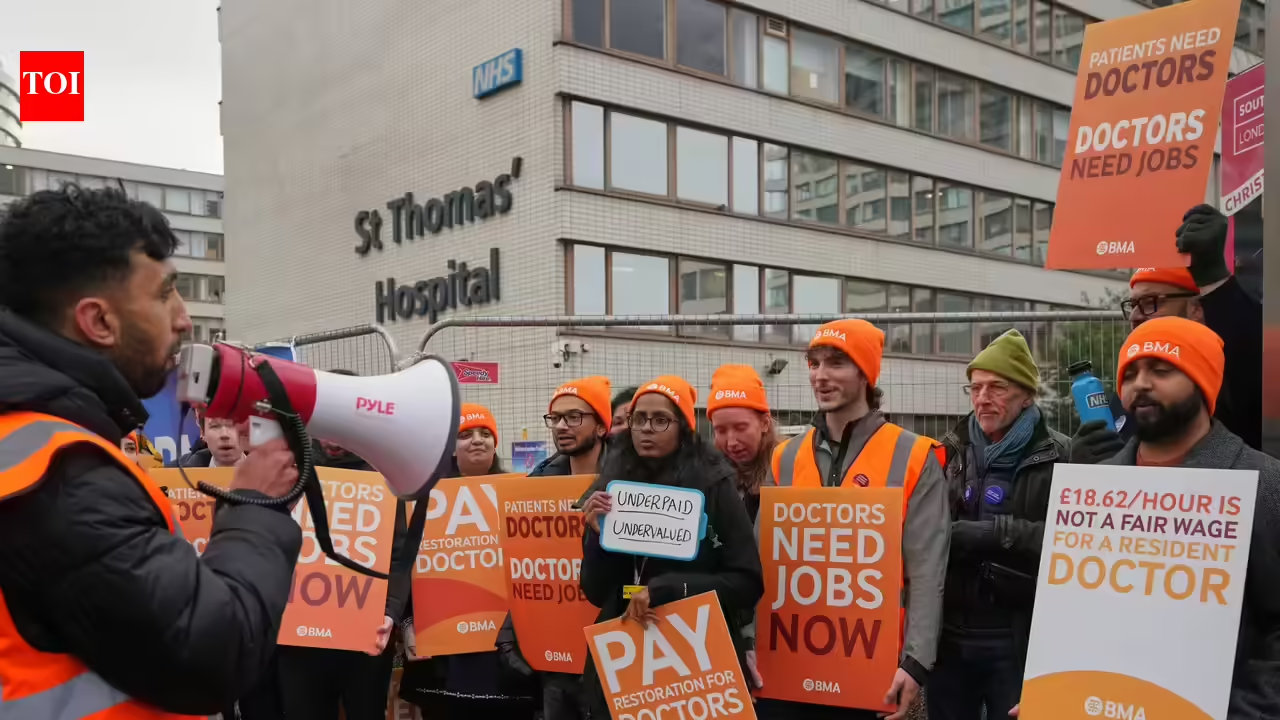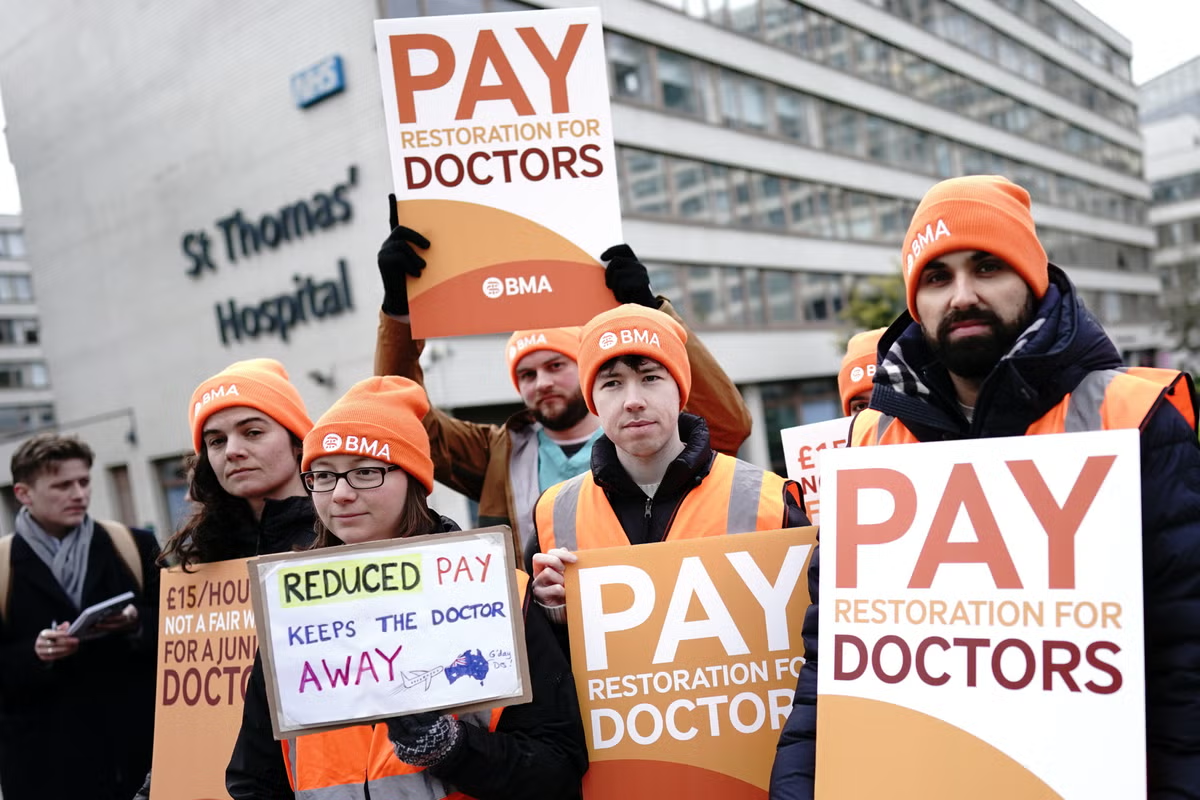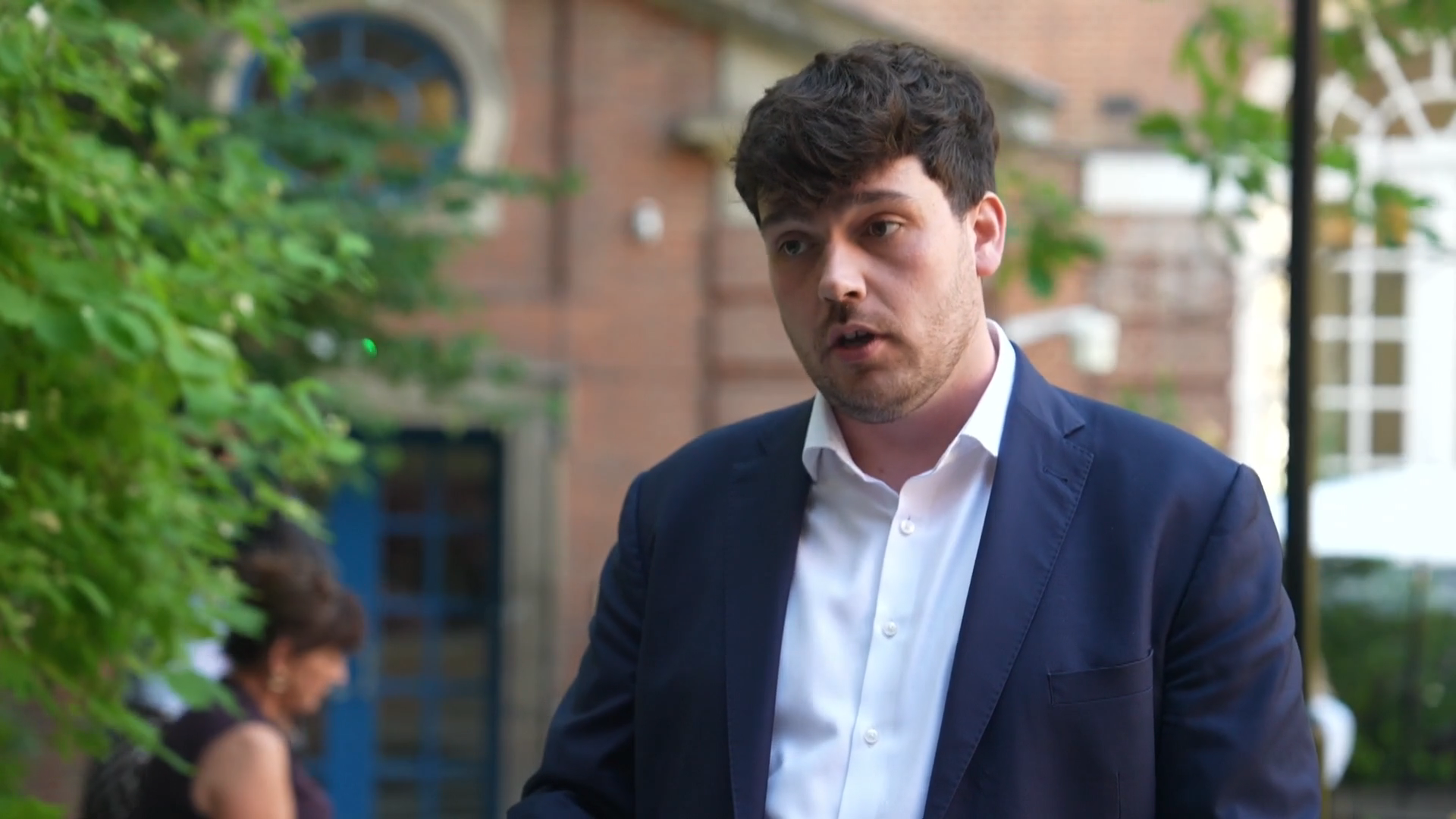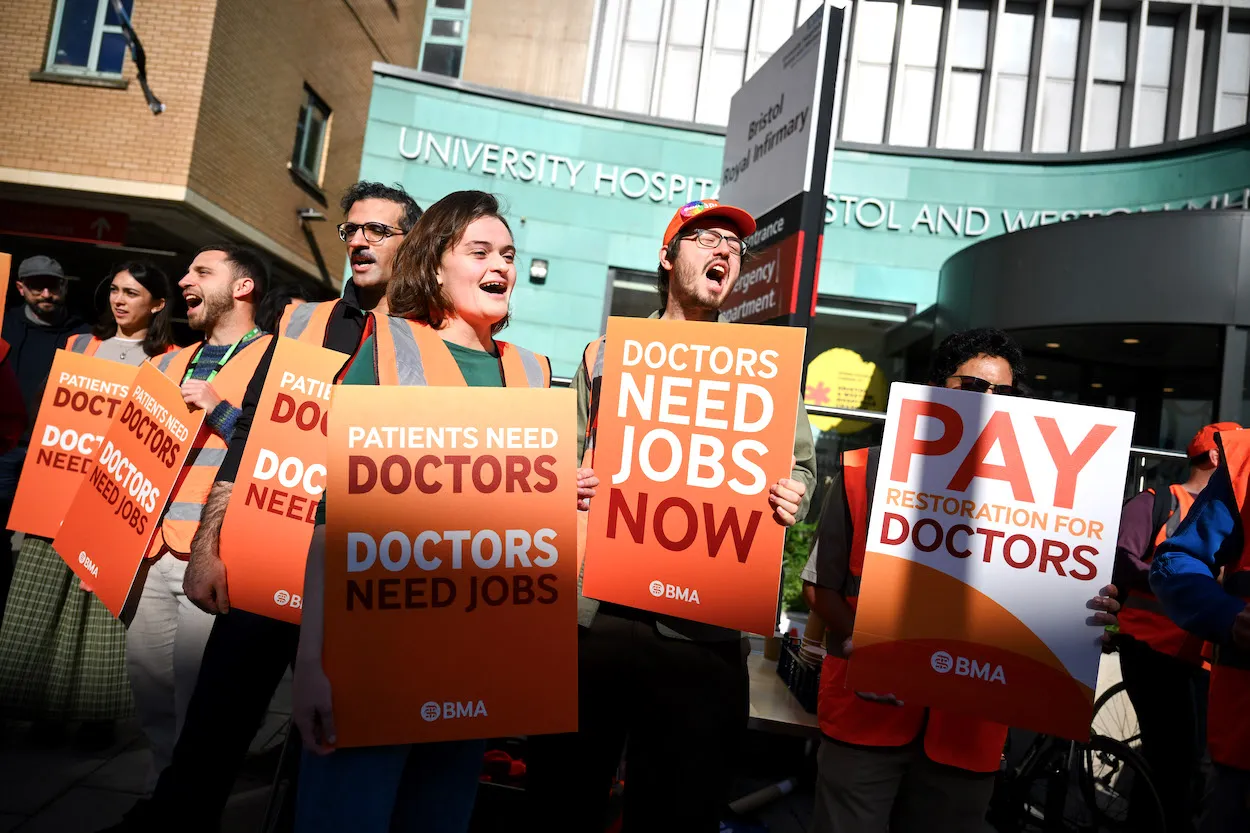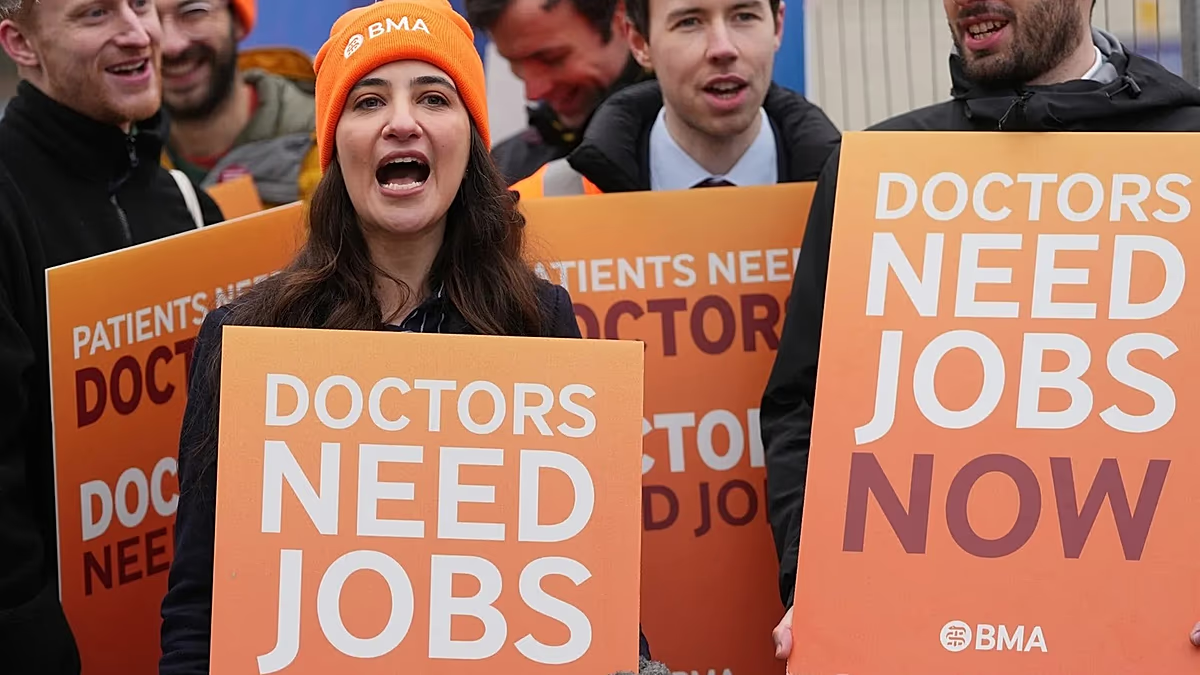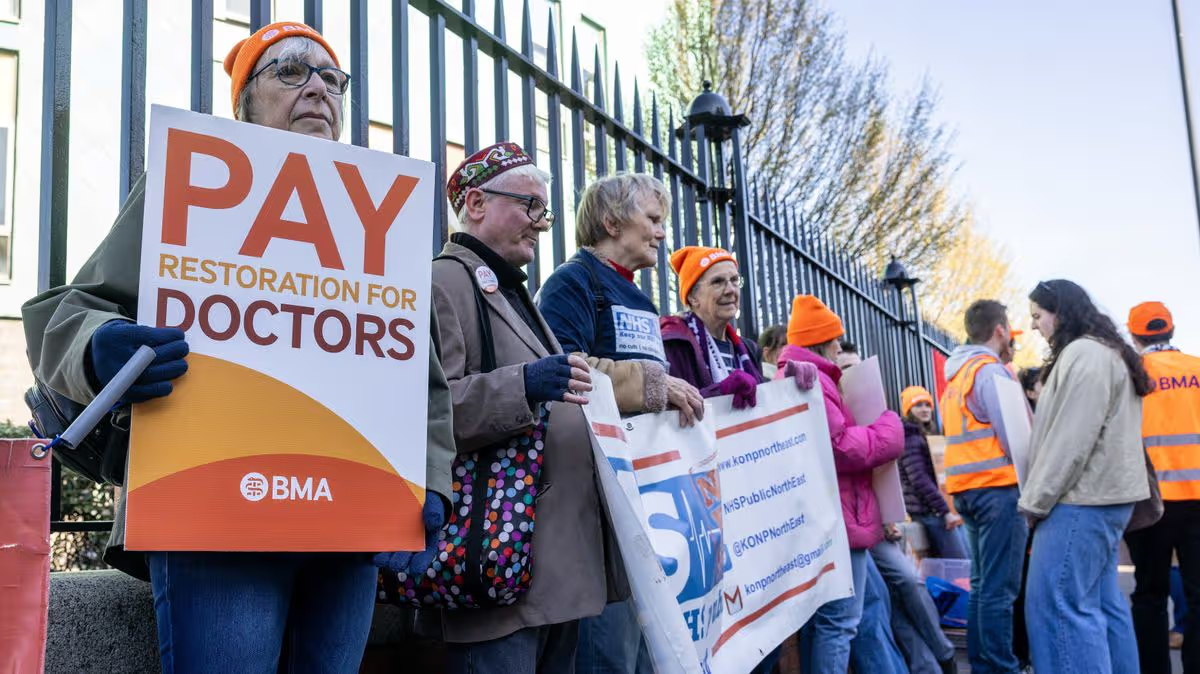
British Medical Association announces four-day doctors’ strike next month - immediately after first meeting today with new Health Secretary James Murray21:25, 27 May 2026Doctors have announced another NHS strike immediately after their first meeting with the new Health Secretary.Resident doctors will stage a four-day walkout from June 15 to demand more pay in what will be their 16th strike of the industrial dispute which has dragged on since 2023.The British Medical Association called the strike after meeting new Health Secretary James Murray today a fortnight after he replaced Wes Streeting in the role but refused to increase the 3.5% pay rise for resident doctors for 2026/27/Mr Murray said: “I met the BMA Resident Doctors Committee Officers today in the hope of starting a productive relationship and making progress on a deal to improve their members' pay, career prospects and working lives.“I'm disappointed that the BMA have refused to consider further discussions about how to strengthen the deal on the table and have instead rushed once again to unnecessary and unreasonable strike action“I was clear with the BMA that after a 33.4% pay rise for resident doctors over the last four years – the highest anywhere across the public sector – the BMA’s demands for further substantial pay increases this year are unrealistic, unaffordable, and unsustainable.”The medics formerly known as junior doctors will walk out from 7am on Monday June 15, until 7am on Friday June 19. Thousands more operations will be postponed and more senior doctors as well as nurses will have annual leave cancelled to cover shifts.The BMA says despite pay rises in recent years resident doctors real-terms pay is still down around a fifth since 2008 according to the retail price index (RPI) measure of inflation. The Government says the overall package of measures that the BMA has just turned down would have led to resident doctors getting an average pay rise of 4.9% this year.Dr Jack Fletcher, chair of the BMA’s resident doctors committee, said: "We had hoped that a change in leadership at the Department of Health and Social Care would lead to a change in approach. Sadly, we have run up against the same unwillingness to move we encountered under Mr Streeting."We were prepared to give Mr Murray time to settle into his role before completing the work his predecessor left unfinished - to both make a fair and meaningful pay offer and make concrete commitments to end the jobs bottleneck throttling the careers of our colleagues. He had a genuine opportunity to break this logjam with fresh energy and ambition."He has not taken it. Instead, we are hearing the same tired line: vagueness on new jobs and no further money on the table. We cannot be asked to negotiate in good faith for weeks, only to be told there is nothing left to negotiate about on pay and no further details at this stage on jobs.”The years-long industrial dispute from doctors started under the previous Conservative government. It has fallen into the inbox of the new Secretary of State after he was appointed by Prime Minister Keir Starmer to replace Wes Streeting, who quit to launch a bid for the Labour leadership. James Murray had previously served as Chief Secretary to the Treasury.Dr Fletcher added: “If Mr Murray wishes to make a success of his new role, he must confront this issue before any other."We are prepared to accept that he may have inherited plans already in motion when he took office. If so, he now has a new opportunity to demonstrate genuine leadership and prevent further strike action. Our ask is straightforward: a credible, meaningful offer comprising concrete new jobs and real progress towards pay restoration."Mr Murray arrives in this role directly from the Treasury, where his job was to weigh the costs and benefits of public spending.“We would expect him, of all people, to understand that the costs of prolonged, avoidable strike action would far outweigh a deal that secured the future of the NHS workforce. The calculation is not a difficult one."Mr Streeting had initially struck a deal to end strikes by resident doctors during the first months of the Labour Government in 2024, although industrial action by medics resumed in 2025.The last round of action by resident doctors, which lasted for six days over the Easter holiday, was the 15th strike since 2023. The cumulative cost of the walkouts is estimated to have topped £3 billion.Resident doctor members of the BMA have a mandate for industrial action until August. The union said further strikes will be announced for July if no progress is made in talks with Mr Murray.Article continues belowMr Murray added: “These are simply not grounds for yet more strike action, which patients do not support, puts further pressure on other staff and costs the NHS hundreds of millions of pounds.“There are record numbers of doctors working in our NHS this year. Waiting lists are down and patient satisfaction is up. I urge the BMA to step back from more damaging strikes and work in partnership with the government for the benefit of their members and the NHS.”The BMA is also balloting consultants and specialist, associate specialist and specialty (SAS) doctors, in a vote to close on July 6.
BMA calls doctors' strike straight after first meet with new Health Secretary
British Medical Association announces four-day doctors’ strike next month - immediately after first meeting today with new Health Secretary James Murray
871 words~4 min read