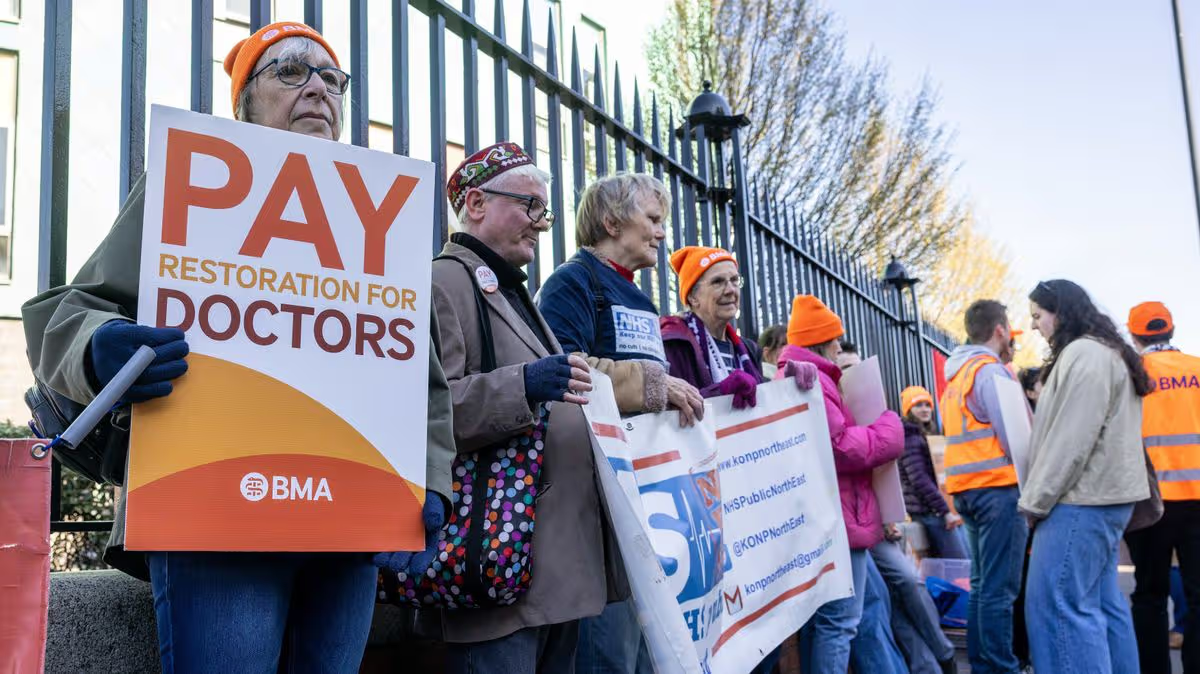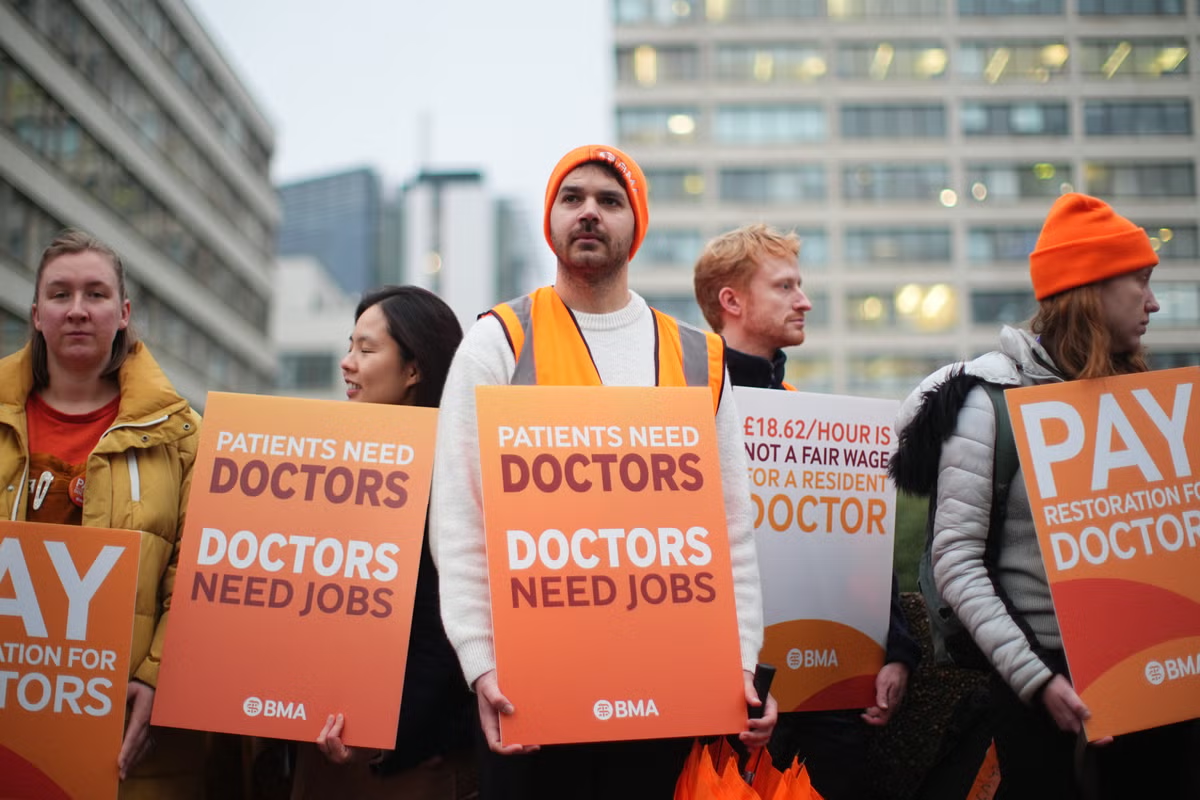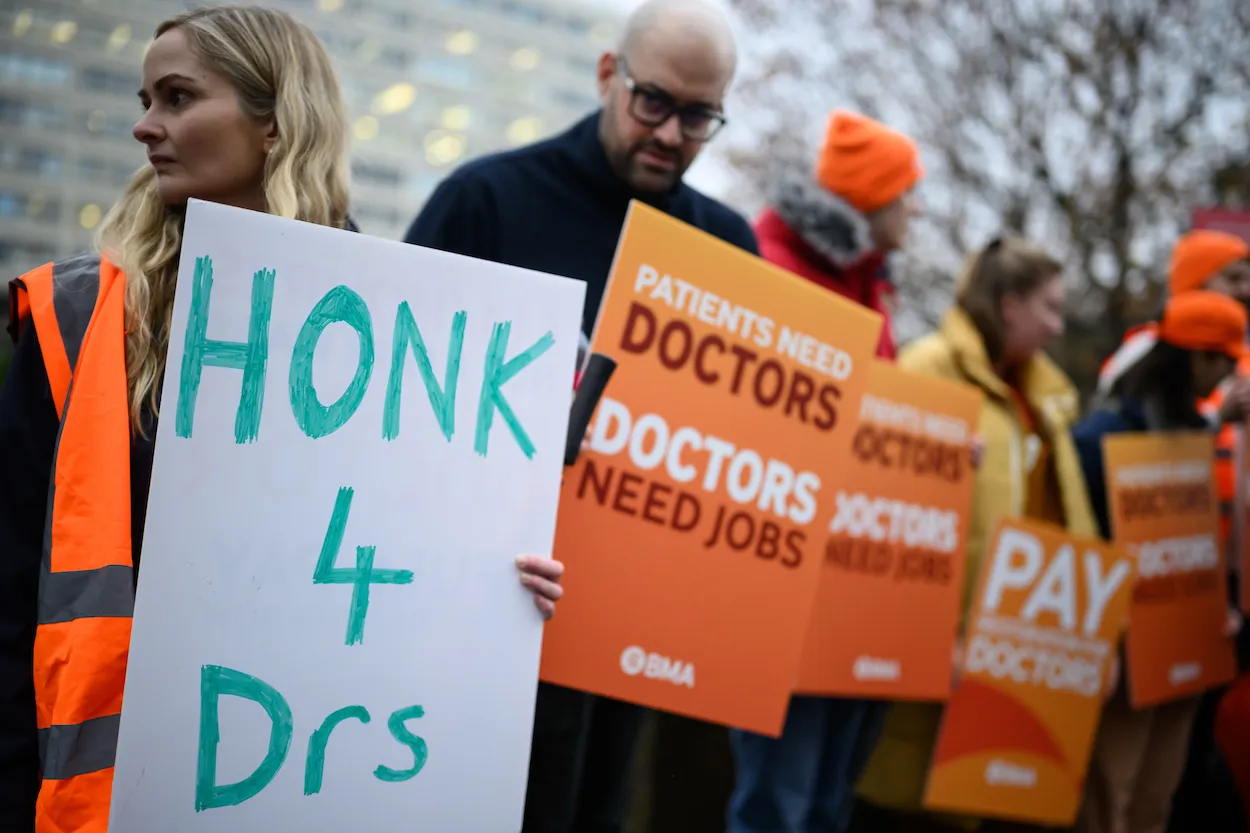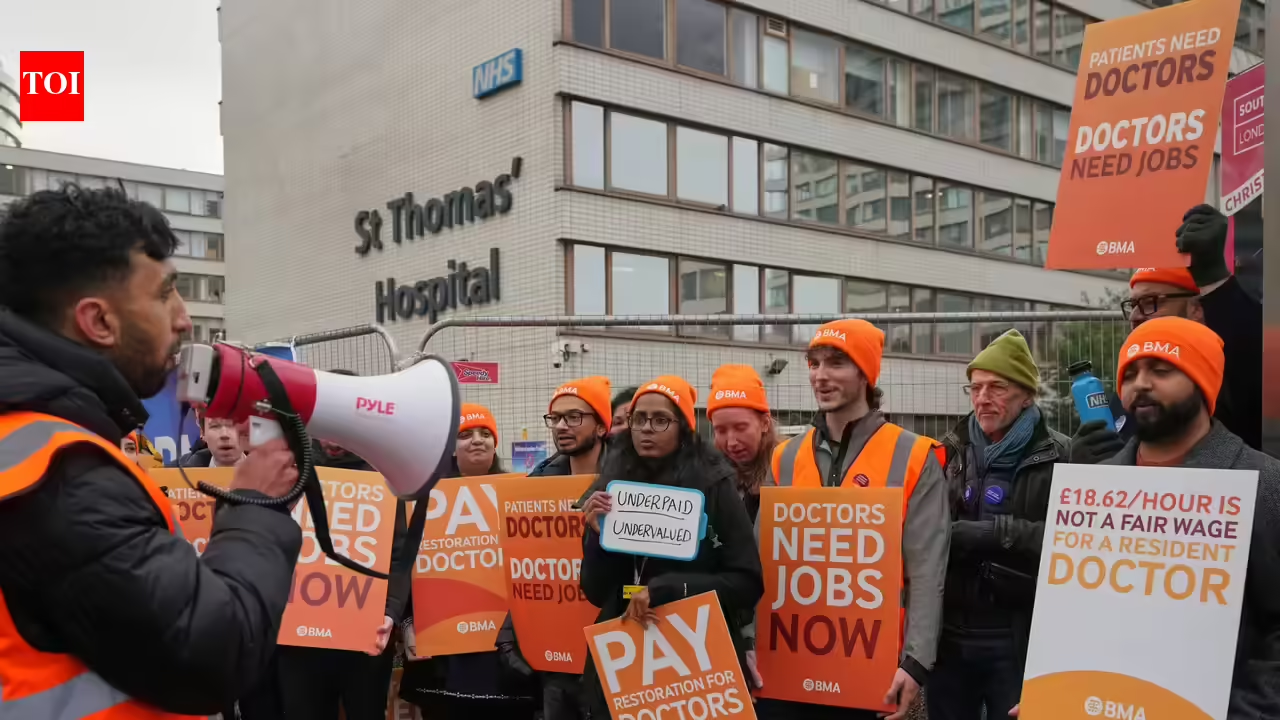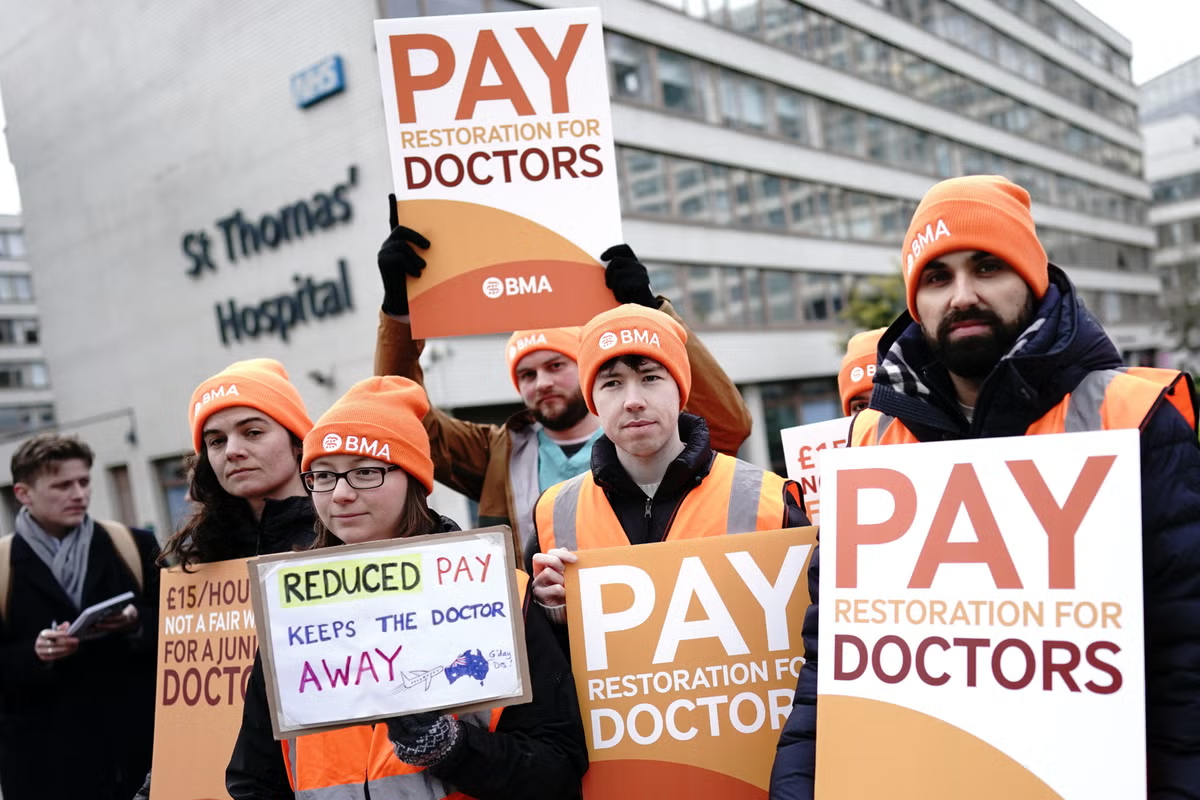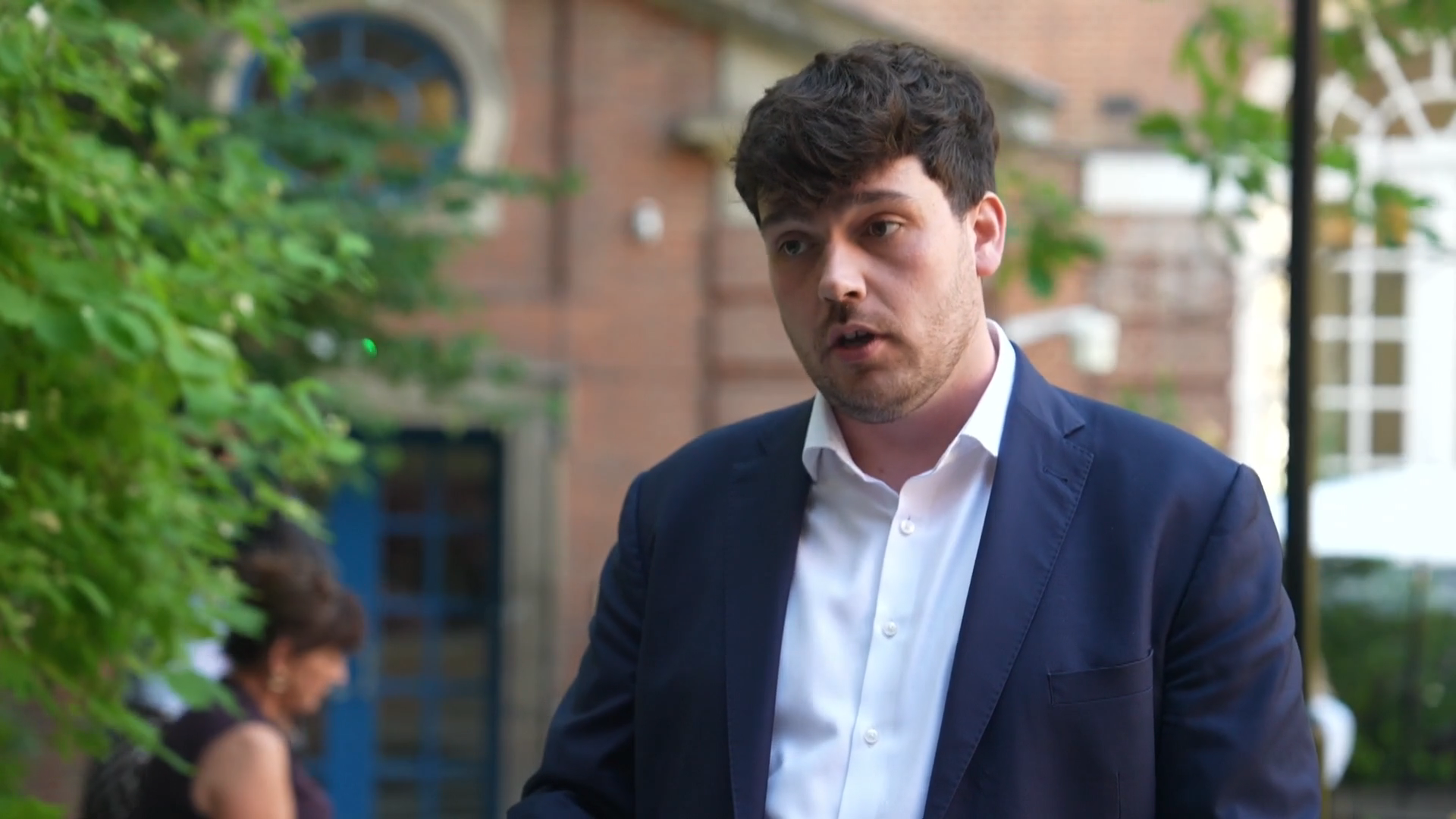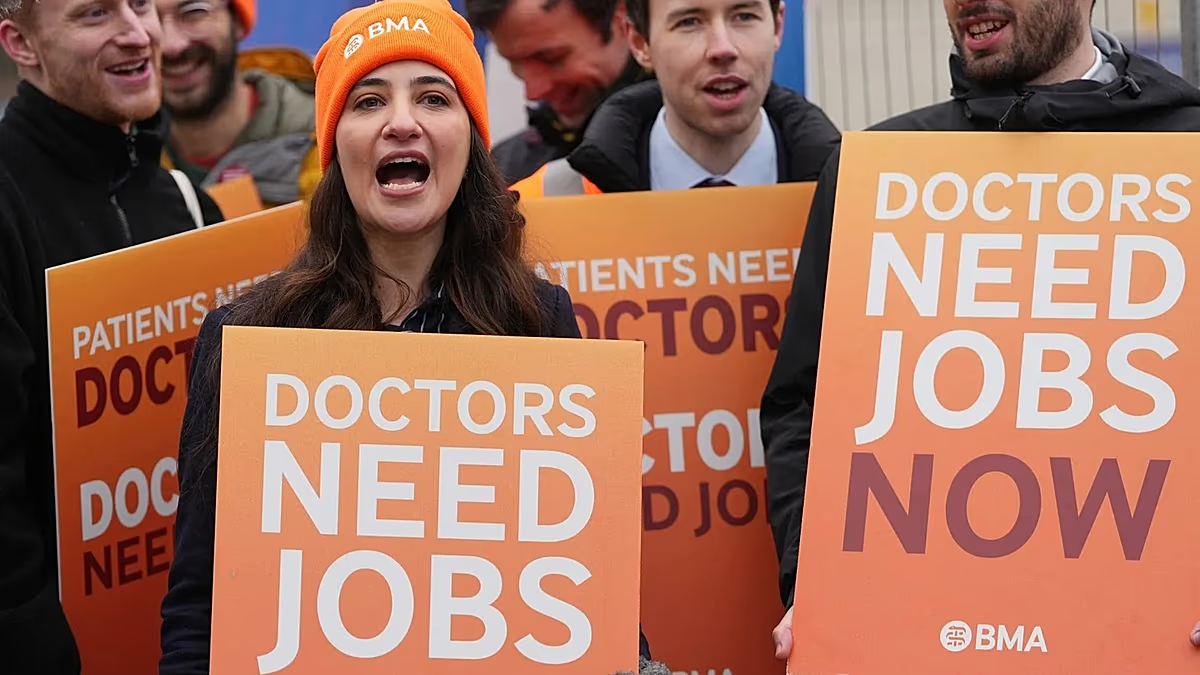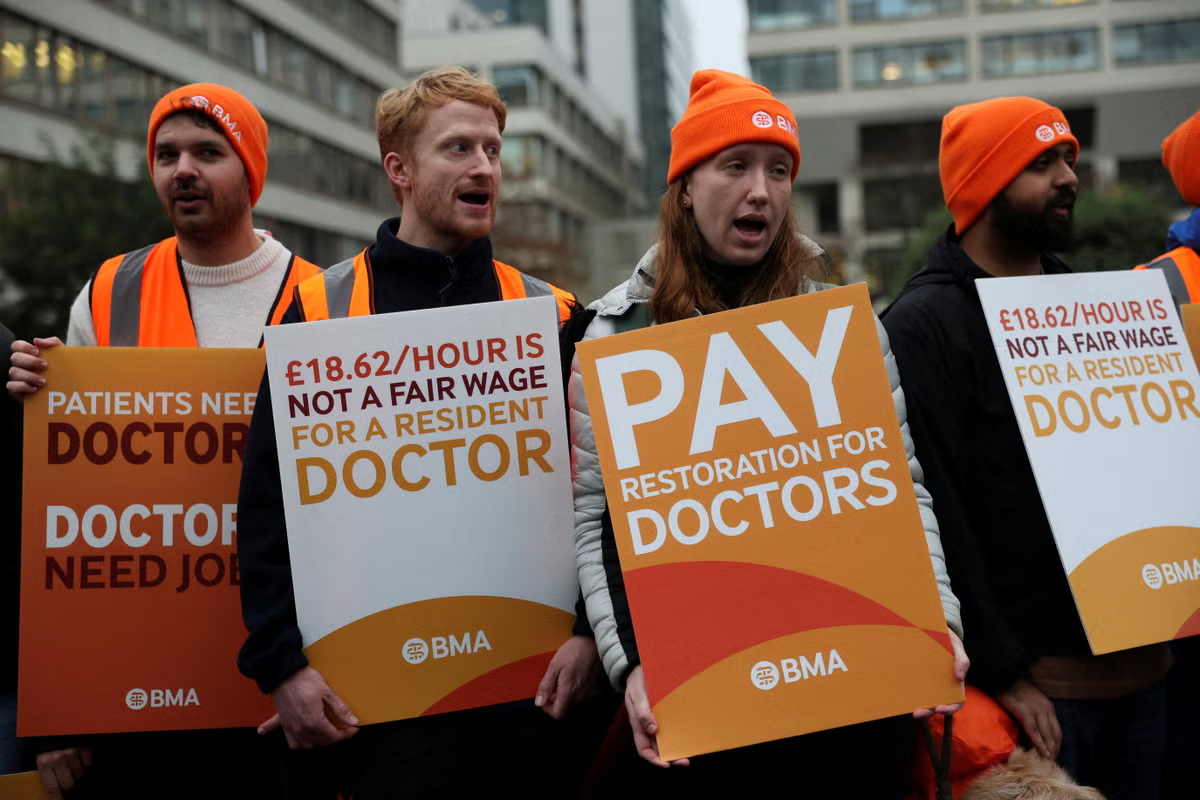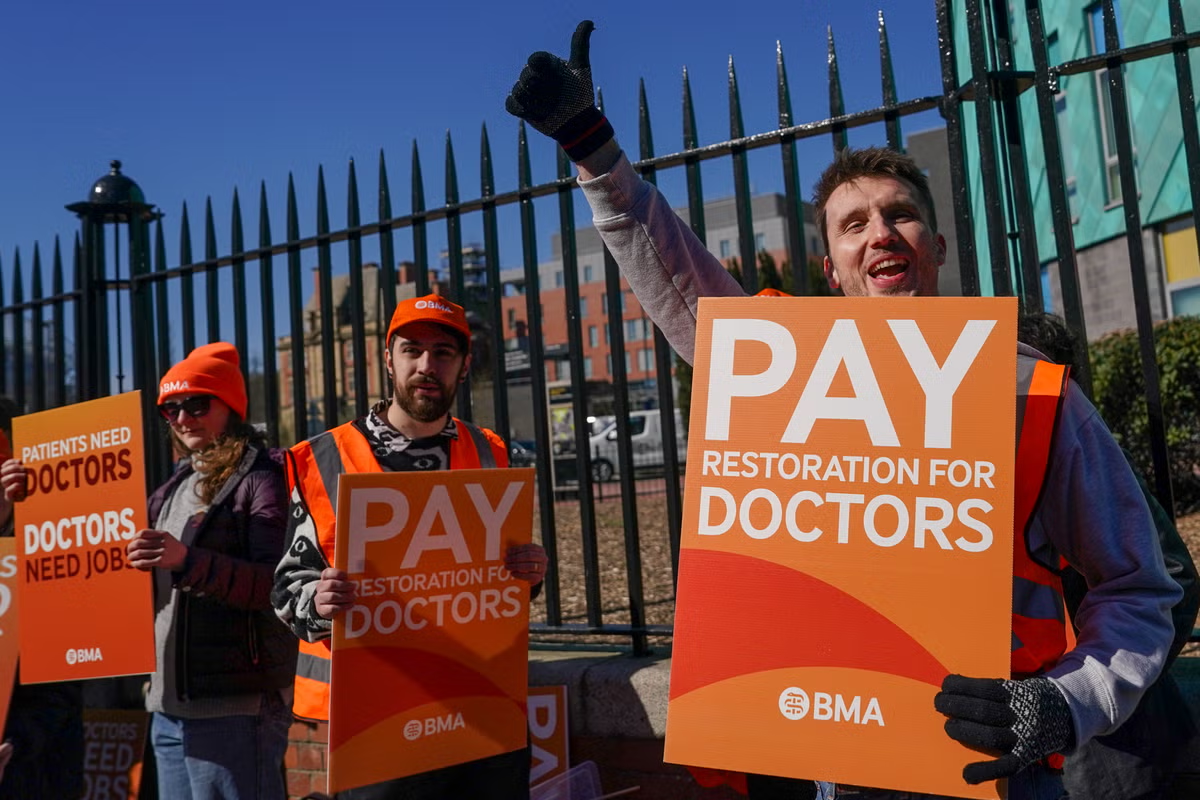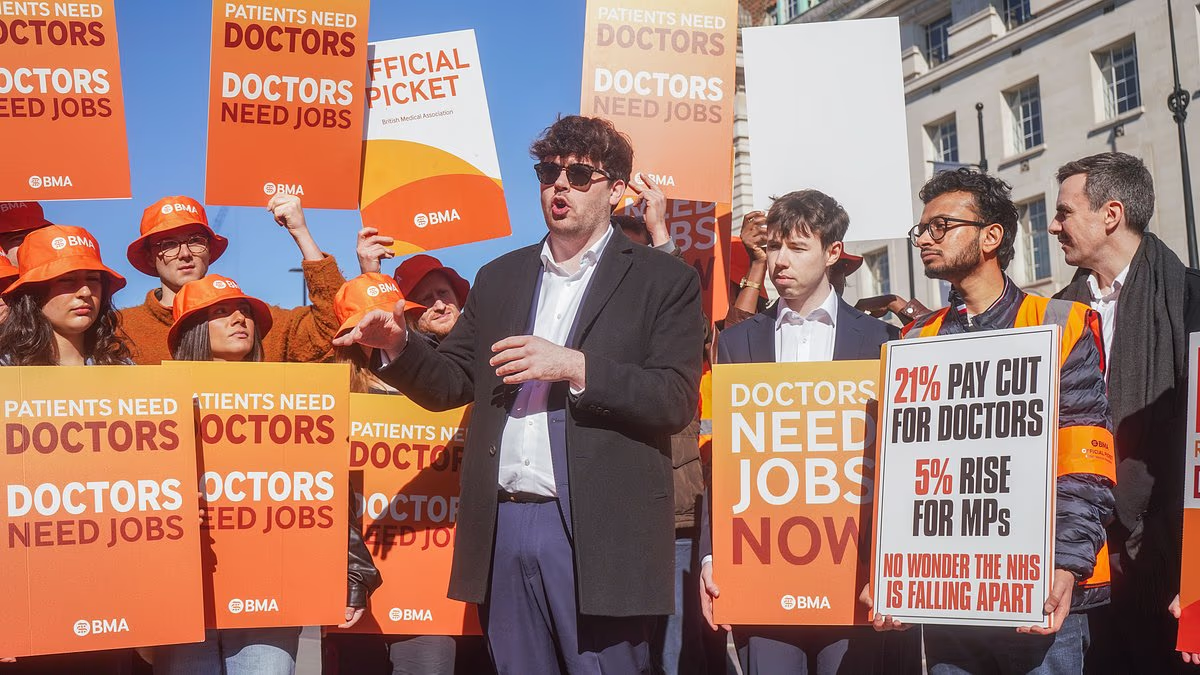
Resident doctors will go on strike for four days in June after a meeting with new health secretary James Murray today ended in deadlock.The British Medical Association announced the fresh walkout just an hour after introductory talks concluded, with the union blaming his ‘unwillingness to move’.The medics - previously known as junior doctors - are demanding a pay rise of 26 per cent in addition to the 33.4 per cent they have received over the past four years.Walkouts will begin at 7am on Monday, June 15, ending at 6.59am on Friday, June 19. It will be the 16th strike by the group since 2023.In February, the union rejected an offer worth an average 4.9 per cent, which would have seen some earning over £100,000 before they even qualify as a consultant.The BMA said further strikes will be announced for July if no progress is made.Dr Jack Fletcher, chairman of the BMA’s resident doctors’ committee, said he had hoped Mr Murray would deliver a better offer than his predecessor Wes Streeting, who quit earlier this month to challenge for the Labour leadership.But Mr Murray described the union’s demands for further pay increases as ‘unrealistic, unaffordable, and unsustainable’. James Murray, the new secretary of state for health and social care, today met representatives of the British Medical Association.A source close to Mr Murray told the Daily Mail: ‘The Health Secretary went into today’s meeting in good faith wanting to begin a productive relationship with the resident doctors committee. ‘Before they’d even set foot in the room to hear what he had to say, the committee had already decided on industrial action - to the extent they’d lined up media interviews in advance to publicise it.‘The Secretary of State couldn’t have been clearer in the meeting he’s willing to strengthen various aspects of the deal.‘He was also clear there can be no further movement on pay given resident doctors have seen a 33.4 per cent uplift in the last four years.'The BMA’s approach is disappointing in the extreme.‘The public don’t support these strikes and it’ll cost the NHS hundreds of millions of pounds to mitigate their effects. The BMA need to step back and work with us meaningfully.’The last round of action by resident doctors, which lasted for six days over the Easter holiday, was the 15th strike since 2023.The cumulative cost of the walkouts is estimated to have topped £3 billion. Dr Jack Fletcher (pictured), chairman of the BMA’s resident doctors’ committee, said he had hoped Mr Murray would deliver a better offer than his predecessor Wes Streeting, who quit to challenge for the Labour leadership.Dr Fletcher said: ‘We had hoped that a change in leadership at the Department of Health and Social Care would lead to a change in approach.‘Sadly, we have run up against the same unwillingness to move we encountered under Mr Streeting.‘We were prepared to give Mr Murray time to settle into his role before completing the work his predecessor left unfinished – to both make a fair and meaningful pay offer and make concrete commitments to end the jobs bottleneck throttling the careers of our colleagues. ‘He had a genuine opportunity to break this logjam with fresh energy and ambition.‘He has not taken it. Instead, we are hearing the same tired line: vagueness on new jobs and no further money on the table.‘We cannot be asked to negotiate in good faith for weeks, only to be told there is nothing left to negotiate about on pay and no further details at this stage on jobs.‘Thousands of doctors continue to leave the NHS, and take-home pay remains a fifth lower in real terms than it was in 2008.'If Mr Murray wishes to make a success of his new role, he must confront this issue before any other. A dog on the resident doctors' picket outside the Royal Liverpool University Hospital in Liverpool in November last year.‘We are prepared to accept that he may have inherited plans already in motion when he took office.’Mr Streeting had initially struck a deal to end strikes by resident doctors during the first months of the Labour Government in 2024, although industrial action by medics resumed in 2025.Before the April strike, Mr Streeting had offered a 4.9 per cent increase in average basic pay from 2026 to 2027, which he claimed would have left resident doctors 35.2 per cent better off than four years ago.His proposal had also included an offer of 1,000 extra training places, although that was taken off the table because of increasing strike costs to the NHS.Resident doctor members of the BMA have a mandate for industrial action until August.The union is also balloting consultants and specialist, associate specialist and specialty (SAS) doctors, in a vote to close on July 6.Mr Murray said: ‘I’m disappointed that the BMA have refused to consider further discussions about how to strengthen the deal on the table and have instead rushed once again to unnecessary and unreasonable strike action.‘I was clear with the BMA that after a 33.4 per cent pay rise for resident doctors over the last four years – the highest anywhere across the public sector – the BMA’s demands for further substantial pay increases this year are unrealistic, unaffordable, and unsustainable.‘'These are simply not grounds for yet more strike action, which patients do not support, puts further pressure on other staff and costs the NHS hundreds of millions of pounds.’
Doctors announce new strikes on same day BMA meet new Health Secretary
The British Medical Association announced the fresh walkout just an hour after introductory talks concluded, with the union blaming his 'unwillingness to move'.
900 words~4 min read