See more Daily Mail on Google - save us as a Preferred SourceBy SHAUN WOOLLER, EXECUTIVE HEALTH EDITOR Published: 18:56 BST, 30 June 2026 | Updated: 19:00 BST, 30 June 2026
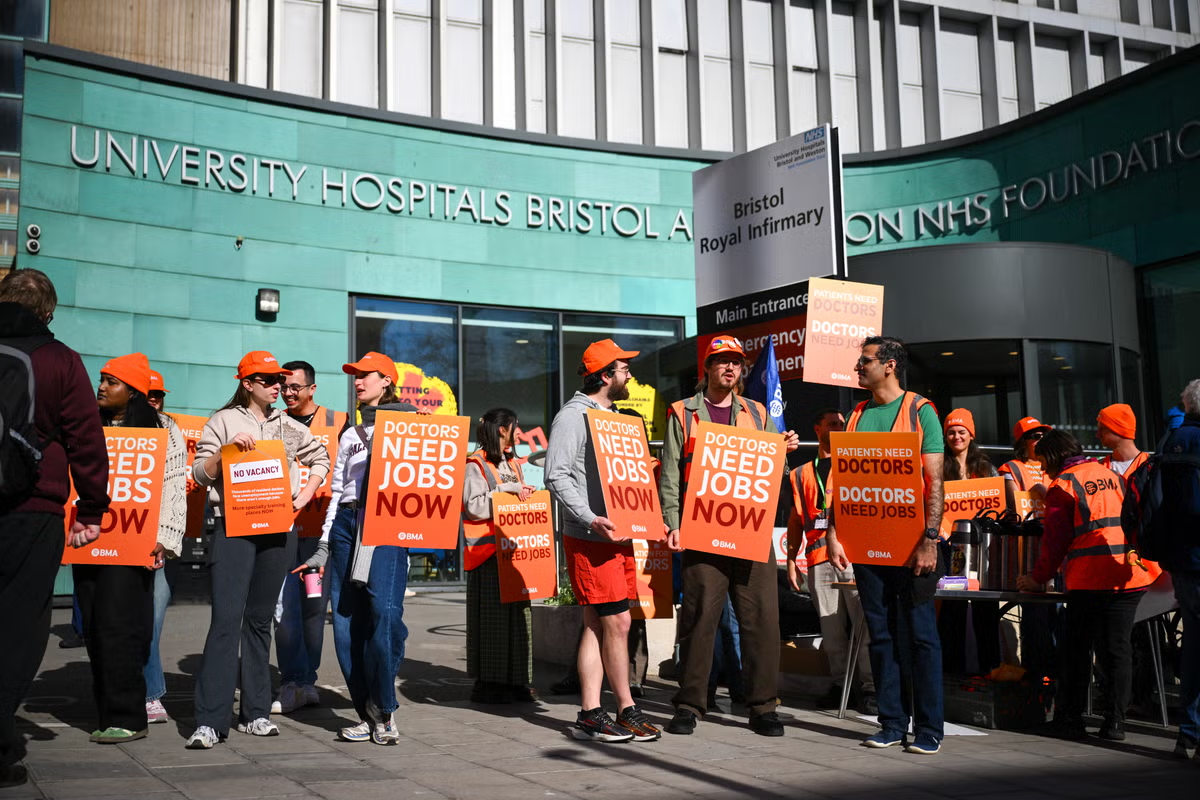
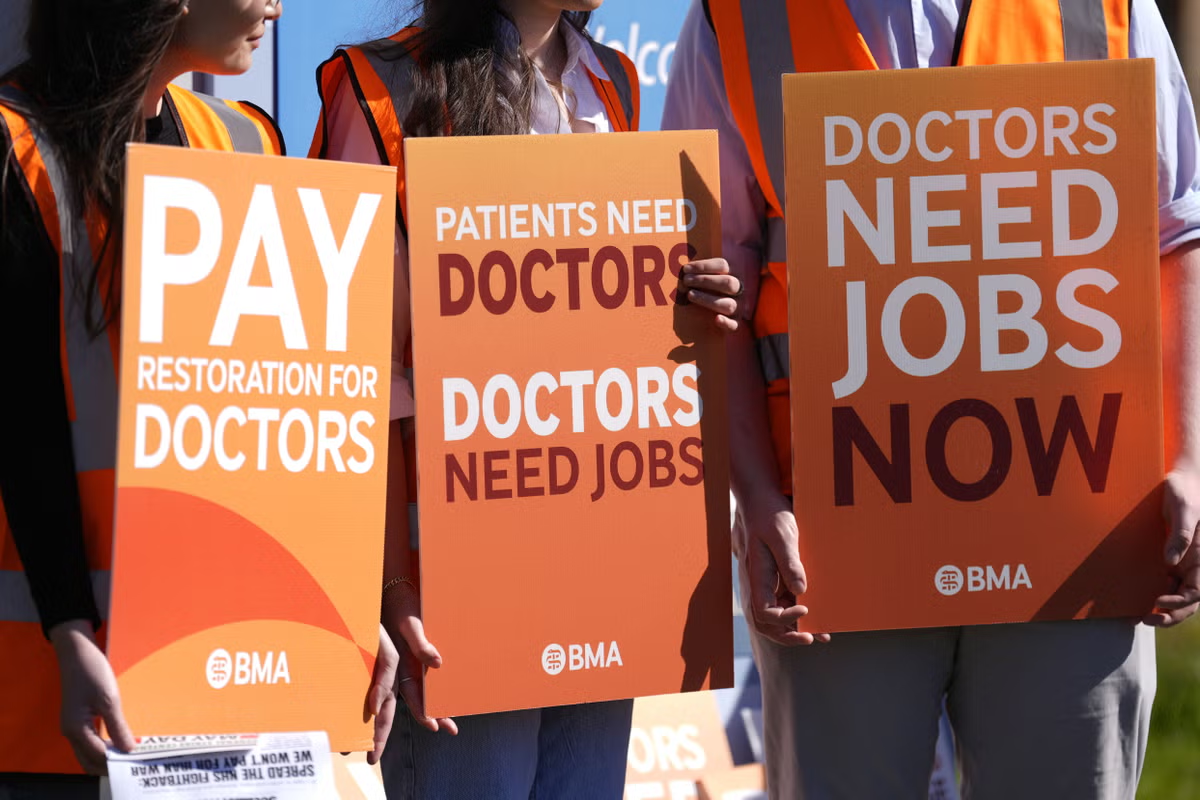
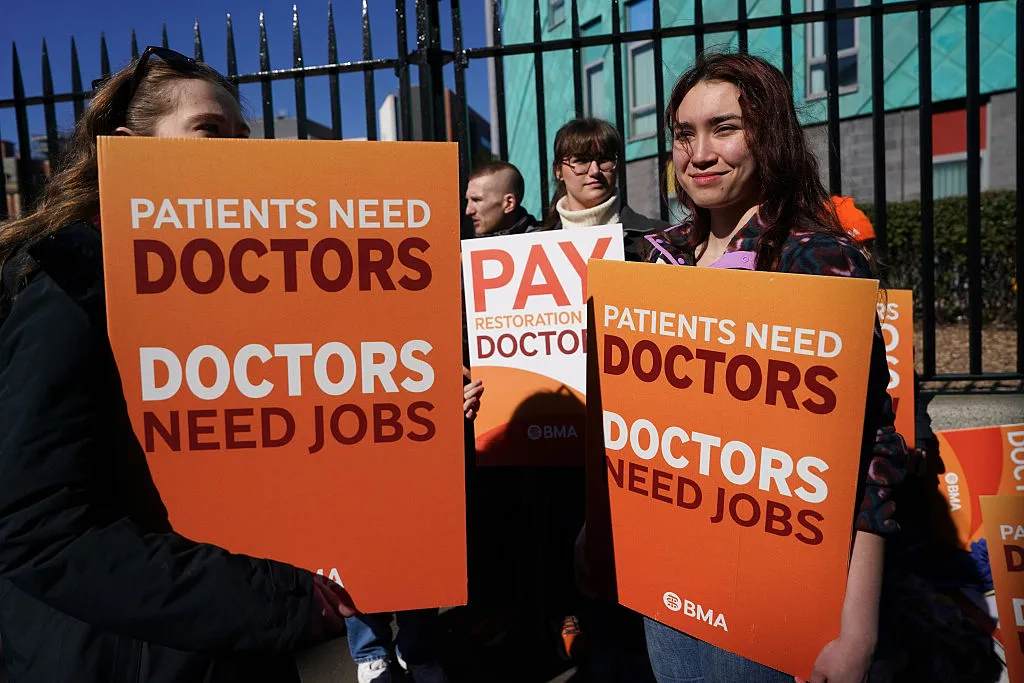
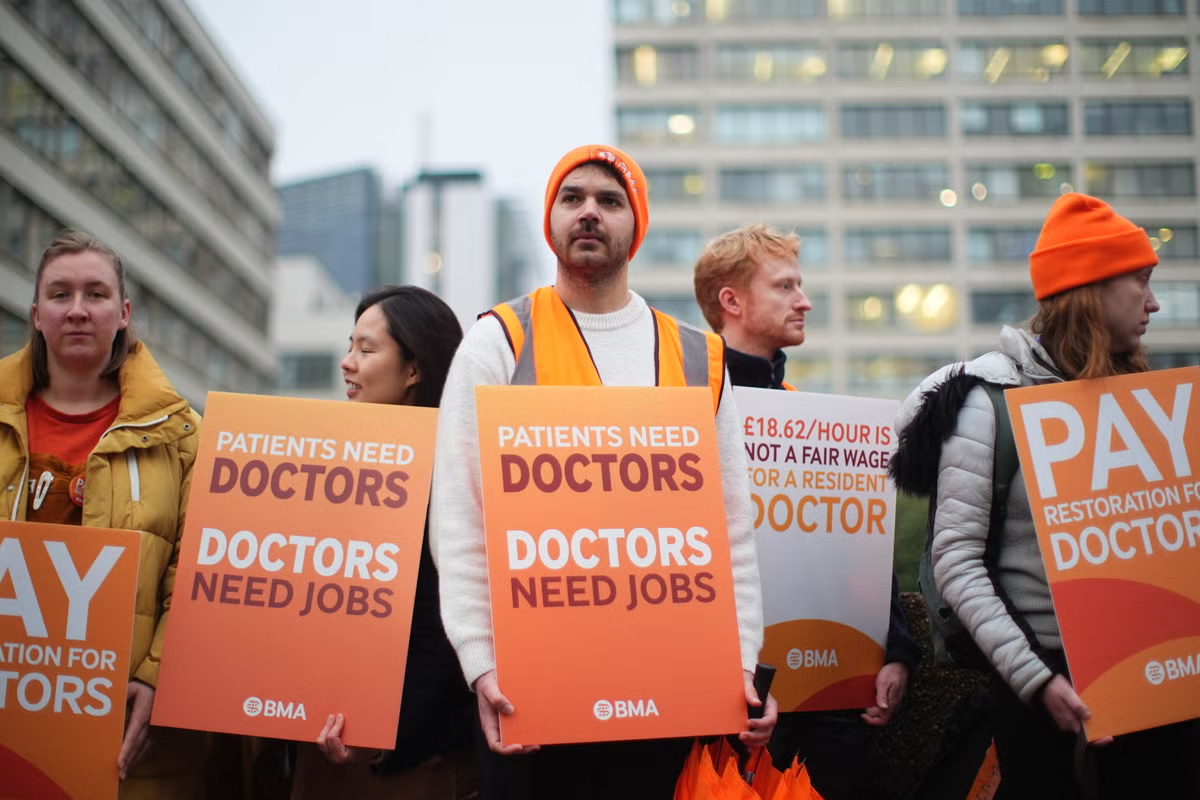
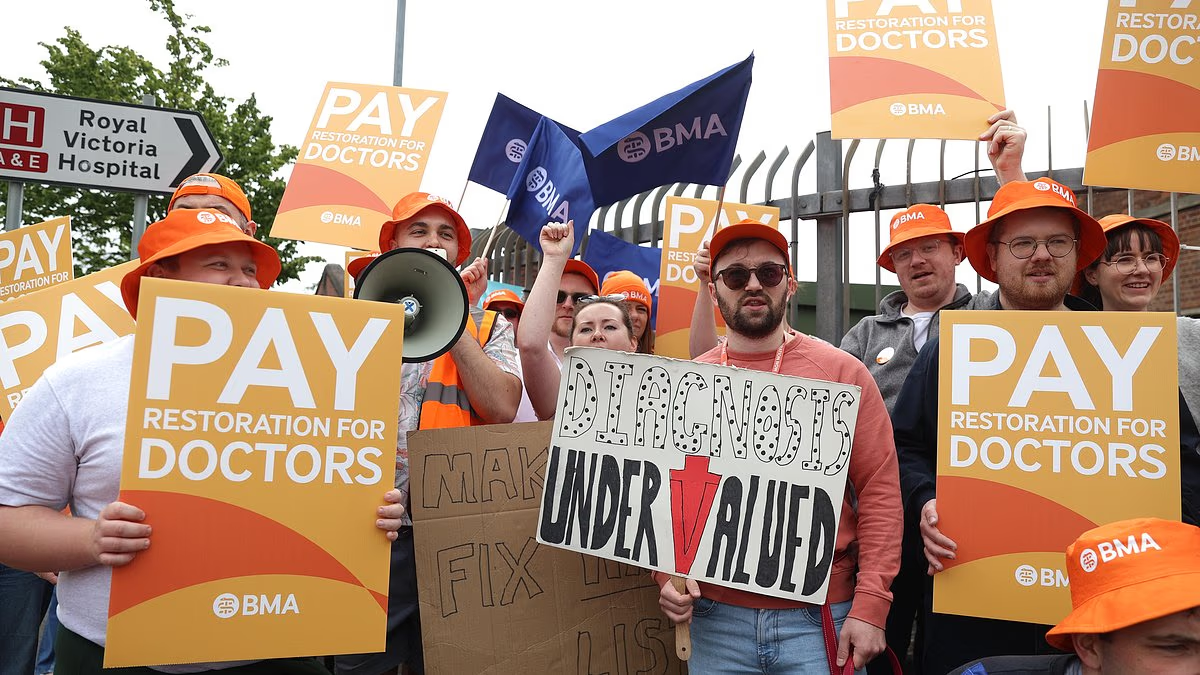
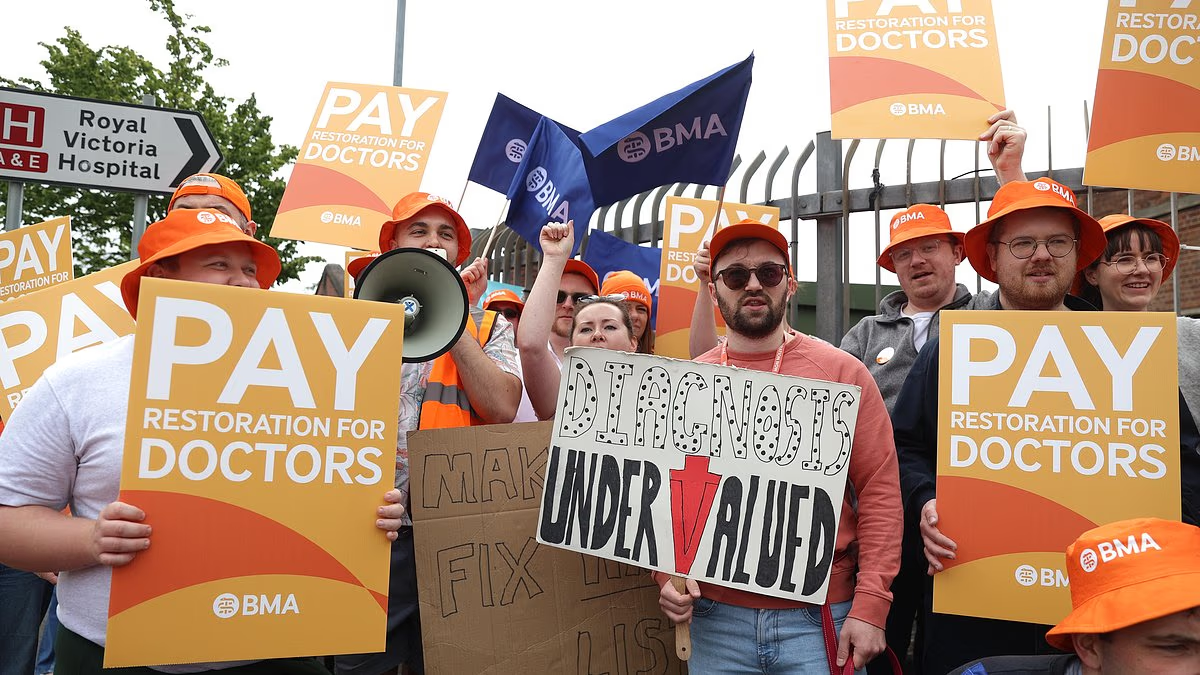
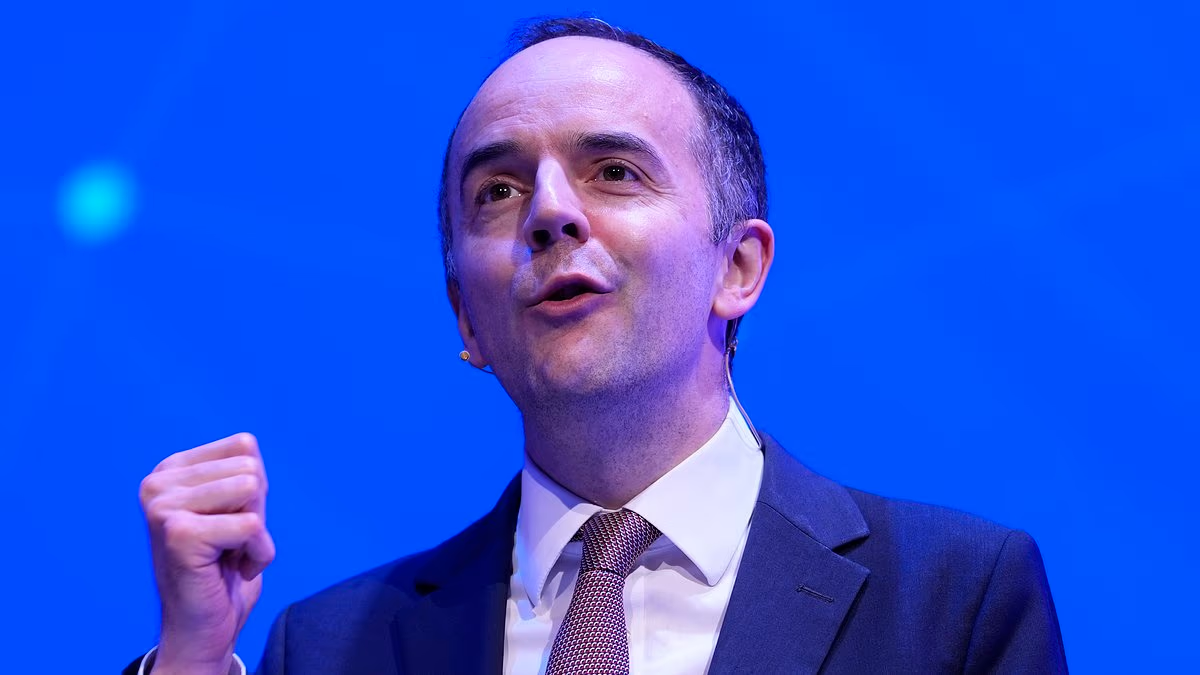
Settling the resident doctors dispute will cost £200 million this year but the Department of Health and Social Care was tonight unable to say how it would be funded.Health Secretary James Murray championed the deal as ‘good for taxpayers’ and stressed the bill is ‘less than the cost of one more week’s worth of strikes’.But his predecessor, Wes Streeting, has previously warned that caving in to the British Medical Association could end up costing billions as the likes of nurses, porters and ambulance crews are then likely to demand more.On Monday, resident doctors accepted a pay offer that brings to an end years of strikes that inflicted misery on patients and cost the NHS billions of pounds.The BMA said its members had voted in favour of the deal, which is worth an extra 6.6 per cent this year.It means the medics - previously known as junior doctors - will be earning 35.2 per cent more on average than they were four years ago, with some taking home over £100,000 a year before they even qualify as a consultant.Resident doctors’ strikes have so far cost the NHS over £3billion in lost activity and overtime payments to covering consultants, with each day of industrial action hitting finances to the sum of £50million.Mr Murray, who moved to DHSC from the Treasury last month, told BBC Radio 4’s Today programme: ‘The cost of settling the dispute this year is less than the cost of one more week’s worth of strikes. On Monday, resident doctors accepted a pay offer that brings to an end years of strikes that inflicted misery on patients and cost the NHS billions of pounds.‘It’s £200 million this year, and that is less than it would cost if we had another week of strikes.‘This is good for taxpayers, it’s good for resident doctors, it’s good for other NHS staff, because other NHS staff have been doing an amazing job stepping up to keep services running when strikes have been happening.‘But most of all, this is good for patients, this is good for the NHS, because it means we can now work with resident doctors to strengthen the NHS and make sure it’s providing patients with the service they deserve.’On other NHS staffing, he added: ‘We found a solution, a way forward with resident doctors.‘I’ve met with the unions who represent other NHS staff – nurses, midwives, paramedics, and so on – I want to make sure we find a solution with them too, so that we can work together to make the NHS stronger.’The Conservatives have accused Labour of ‘shaking the magic money tree to bribe the BMA’ and warned it would not prevent more ‘damaging strikes in the future’.It is understood the money for the pay rise will come from existing DHSC budgets but officials were not able to say what would be cut to fund the higher wage bill.Thousands of medics in England were set to stage a four-day walkout on June 15, which would have been the 16th round of strike action since 2023. Health Secretary James Murray championed the deal as ‘good for taxpayers’ and stressed the bill is ‘less than the cost of one more week’s worth of strikes’.It was called off on June 13 after the union agreed to put the last-ditch offer to members.The BMA said 53 per cent voted in favour of the offer, on a turnout of 57 per cent.It includes an average 6.6 per cent pay uplift to be fully implemented by April 2027, reforms to the doctors’ pay structure that will deliver two pay rises a year, 4,500 more specialist training places and greater reimbursements of mandatory fees, such as professional memberships and exams.The BMA had warned members that if they chose to reject the deal, strikes would ‘have to escalate in intensity’.It has already indicated it would be prepared to strike again if the government does not deliver generous pay rises in future years.