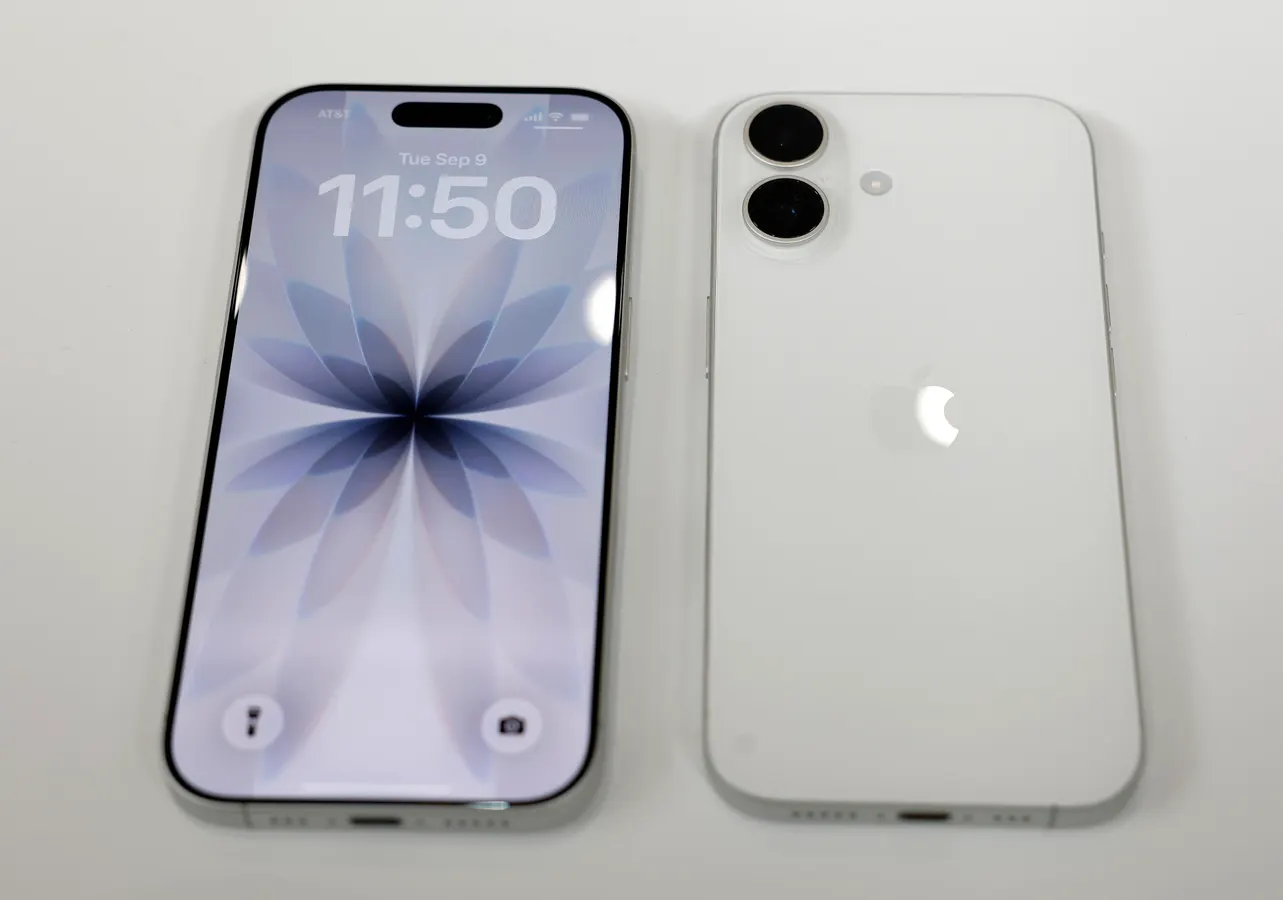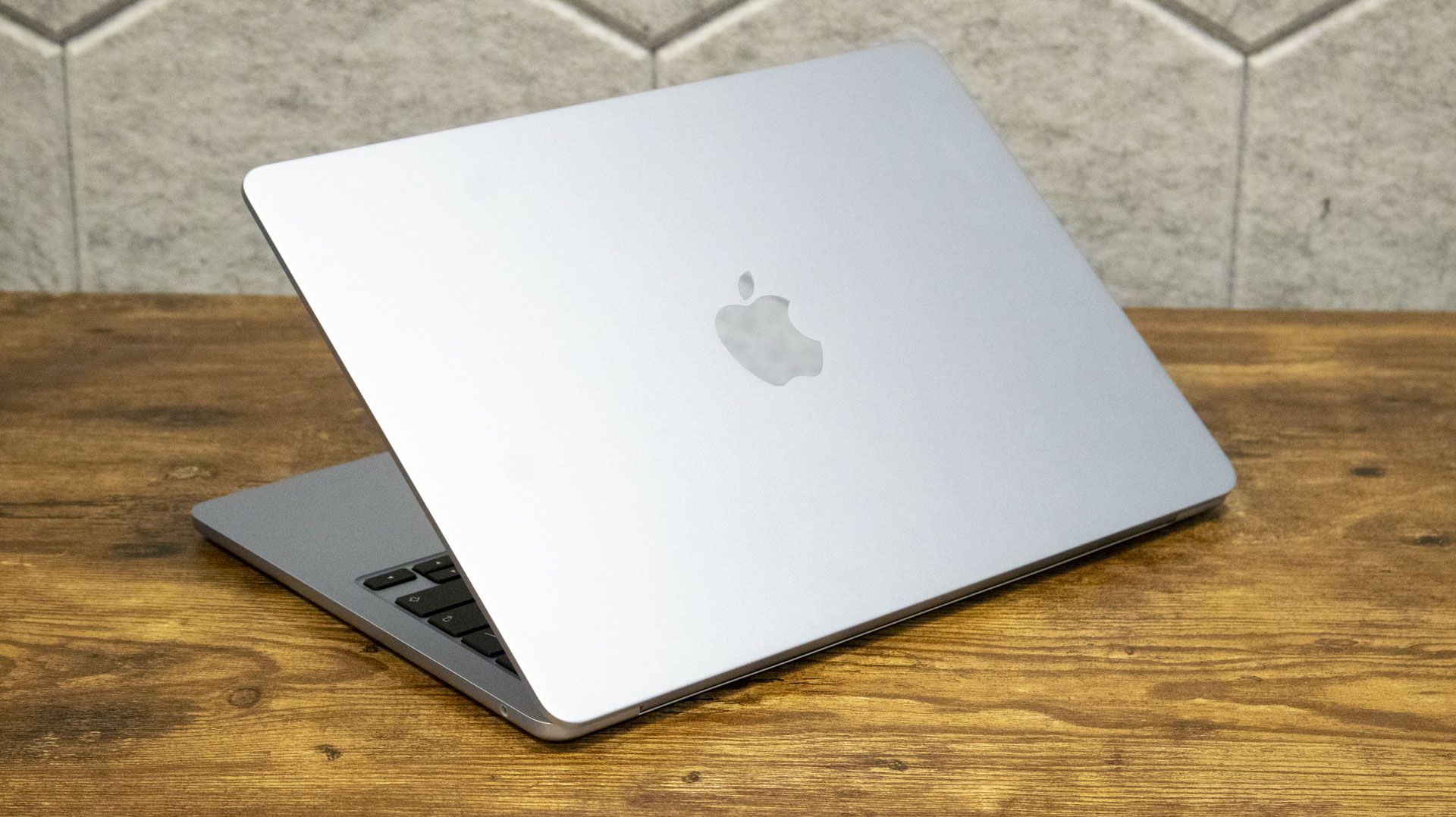
Photo credit: APApple has raised prices on its Macs and iPads as the worst memory shortage in the industry's history bites, and research shared exclusively with Gadgets Now maps how the company will price the iPhone. The pressure is real: an AI-driven supercycle has quadrupled memory costs across three quarters and pushed Apple to abandon its long habit of shielding customers. The surprise sits in the response. According to Smart Analytics Global, Apple will avoid a blanket hike when the iPhone 18 arrives in September, concentrate the increase on the high-end Pro line, and lean on a financing-and-trade-in machine that now carries most iPhone purchases. The result, on SAG's numbers, is a year of higher prices that still ships more than 250 million iPhones.Two stories run in parallel here, and the piece works only if both stay in view. One is a brutal supply shock beyond Apple's control, sweeping every device maker on earth. The other is a pricing and affordability strategy, fine-tuned by Apple to take the hit where buyers will tolerate it and to cushion it everywhere else. The shortage is the weather. The pricing is the umbrella.What is driving the price hikesIts root cause sits far from any iPhone, in the data centres training and running artificial intelligence. Demand there has rewired the entire memory market. Data centres now consume an estimated 70 per cent of all memory chips produced worldwide, as Samsung, SK Hynix and Micron, which together control more than 95 per cent of global DRAM, redirect capacity toward the high-bandwidth memory that feeds AI accelerators. Conventional memory, the kind that fills phones and laptops, is left fighting for scraps.Price moves like these are unlike anything the industry has logged. Conventional DRAM contract prices rose a record 90 to 95 per cent in the first quarter of 2026, with a further 58 to 63 per cent in the second, and Counterpoint Research reckons memory costs have quadrupled across three consecutive quarters. Supply answers slowly, because the constraint is a deliberate choice rather than a broken factory. IDC calls it a structural reset, projecting DRAM supply growth of just 16 per cent in 2026 against a historical norm above 20 per cent, with new fabs from Micron and SK Hynix reaching volume only in 2027 at the earliest. Gartner expects prices to stay high almost to the end of 2027. Intel's chief executive put it more bluntly still, warning that relief waits until 2028.For Apple, the arithmetic became impossible to swallow quietly. Memory is among the costliest components in any device, and a fourfold rise in its price spills past any margin in the end.The pressure that actually worries AppleCost, though, is the old fight. The analyst Ming-Chi Kuo argues the real threat has shifted to something harder to fix with a price tag: a widening supply gap that limits how many devices Apple can build at all. By his estimate, 15 to 20 per cent of the memory capacity that would normally go to consumer electronics in 2026 will be pulled toward data centres in 2027, and that share could climb.It already shows in Apple's own orders. Kuo reckons that tight supply of LPDDR memory could leave Apple's actual intake of A20 chips, across the second half of 2026 into early 2027, running 10 to 20 per cent below its original target, even allowing for Apple's habit of booking aggressively. That distinction matters more than any price line. A cost problem shrinks the margin on every iPhone sold; a supply problem caps how many iPhones there are to sell. The first is painful. The second is existential for a company that lives on volume.What Apple is doing on supply: the CXMT gambitApple's most striking countermove is a piece of quiet diplomacy in Washington. The company has been lobbying the Trump administration for permission to buy memory from ChangXin Memory Technologies, China's largest DRAM maker, and the ask is unusually narrow. Apple is already free to buy from CXMT; what it wants is a forward-looking guarantee that the chipmaker will stay off the US Commerce Department's Entity List, the blacklist that would force American buyers to seek export licences that are typically refused.Two American lists, and the gap between them, form the spine of this manoeuvre. CXMT sits on the Pentagon's 1260H list of firms with alleged military ties, which carries reputational risk yet leaves commercial deals legal. The Entity List is the graver one, and CXMT cleared an interagency review for it last year before the White House paused the designation amid trade talks with Beijing. Apple wants that pause made permanent for its supplier.Why court CXMT at all, given the politics? Because it is one of the few makers still focused on conventional memory rather than AI parts, having shown production-ready DDR5 and LPDDR5X modules and undercut the big three on price. The catch is honesty about limits. CXMT admitted in its IPO prospectus that its own capacity falls short of Chinese domestic demand, so even a successful deal would ease Apple's gap only at the margin. Resistance is fierce: Representative John Moolenaar, who chairs the House Select Committee on China, called any such partnership "a grave mistake." Kuo reads the timing shrewdly, noting that Tim Cook is among the rare executives able to work both Washington and Beijing, which makes this a fight better had while he still runs the company.How Apple will price the iPhone 18: a surgical risePhoto: ReutersHere SAG's research becomes the centre of the story, because it answers the question every iPhone buyer is actually asking. Will everything cost more? On SAG's reading, the answer is a deliberate, targeted refusal.Abhilash Kumar, research director at Smart Analytics Global, expects Apple to reject a portfolio-wide increase in favour of a tiered strategy that operates on the high end alone. The iPhone 17 family and other legacy models keep their launch pricing, protecting the volume that carries most of the year. The cut, in other words, falls where the memory does. Price adjustments concentrate on the iPhone 18 Pro family and scale with storage, because storage is precisely where the memory cost lands hardest.SAG's structure is granular. The 256GB models see only modest movement. The 512GB and 1TB variants could rise by roughly 100 to 200 dollars. The new 2TB iPhone 18 Pro Max, the most memory-laden iPhone ever sold, could command a premium of around 200 to 300 dollars. The logic is elegant in a cold way: Apple charges the buyers who demand the most memory for the memory that has become most expensive, while sparing the price-sensitive mainstream entirely.iPhone 18 Pro configurationExpected price change (SAG forecast)256GBModest increase512GBAround $100–200 higher1TBAround $100–200 higher2TB (Pro Max only)Around $200–300 higheriPhone 17 family and legacy modelsLaunch pricing maintainedIt is a strategy that reads the customer base precisely. A buyer reaching for a 2TB Pro Max is rarely counting dollars; a buyer choosing a legacy model often is. Apple is taxing the memory at the exact point where the buyer cares least about the bill.Will it dent demand? SAG says the volume holdsA price rise is only as safe as the shipments it leaves standing, and this is where SAG's forecast turns reassuring for Apple. The firm maintains its call for more than 250 million global iPhone shipments in 2026, even with the planned Pro-tier increases baked in.The mix beneath that number tells the real story. SAG expects the iPhone 18 Pro, 18 Pro Max and the new foldable iPhone to make up around 21 per cent of total shipments in 2026. Demand for the 18 Pro family is set to cool after the exceptionally strong iPhone 17 Pro cycle, a natural comedown rather than a collapse. What steadies the ship is the rest of the range. Continued sales of the iPhone 17 family and older models largely offset the Pro-tier dip, holding the total roughly flat to slightly up.The foldable is the wildcard inside that 21 per cent. Its first generation arrives in 2026 as a halo product rather than a volume driver, priced well above the Pro Max and aimed at early adopters and the simply curious. SAG folds it into the premium tier because it behaves like one: low volume, high margin, and a buyer who treats price as an afterthought. For Apple, the foldable does double duty in a memory-starved year. It soaks up attention and prestige while shipping in numbers small enough to spare the supply chain, and it hands the company a fresh high-end story to tell while the bulk of its volume leans quietly on the familiar iPhone 17.SAG's shipment exhibit makes the dynamic visible. The newest generation contributes fewer in-year units in 2026 than the 2025 generation did, because the iPhone 18 launches late in the year and follows a blockbuster predecessor, while the deep bench of older models does the heavy lifting.Global iPhone shipments by generation20252026 forecastNewest generation (iPhone N family)~78 million~52 millionOlder iPhones~167 million~200 millionTotal~245 millionOver 250 millionFigures are approximate reads from SAG's Smartphone 360 exhibit, June 2026.The shape of that table is the whole argument. Apple leans on the catalogue, rather than the new flagship, to carry the year, and the catalogue obliges.The cushions: financing and trade-insThe quietest part of Apple's defence is also the most powerful, and it rarely makes headlines. Most people now spread the cost of an iPhone over time. SAG forecasts that around 70 per cent of legitimate brand-new iPhone purchases in 2026 will run through financing plans, up from 68 per cent in 2025, while 53 per cent of buyers will use trade-in programmes, up from 50 per cent. Both shifts blunt the sting of a higher sticker price.It works through a simple mechanism. A 200-dollar rise on a Pro model, spread across 24 monthly instalments, lands as a few extra dollars a month, a number most buyers absorb with a shrug. Fold in a trade-in credit for last year's device, and the out-of-pocket gap between this year's iPhone and last year's narrows to something close to invisible. Apple has spent years building exactly this machinery, and it is paying off at the precise moment prices need to rise.Affordability lever20252026 forecastPurchases via financing plans68 per cent~70 per centBuyers using trade-in programmes50 per cent~53 per centFull upfront payment32 per cent~30 per centSeen together, the financing and trade-in figures explain why SAG can forecast higher prices and stable volumes in the same breath. The price goes up. The monthly payment barely moves.The retail noise: Japan and EuropeOne wrinkle deserves a clear-eyed reading, because it has fed speculation that Apple is already raising prices on current models. SAG has tracked short-term retail price volatility for the iPhone 17 series in Japan and parts of Europe. Its conclusion is that these wobbles come from currency movements and inventory adjustments by third-party retailers, rather than any change to Apple's official pricing.The distinction matters for anyone reading the tea leaves. A weaker yen lifts the shelf price of an imported iPhone while Apple leaves its policy untouched, and a retailer clearing stock can move a price either way for reasons of its own. SAG keeps its base case intact: Apple holds the iPhone 17 lineup at its launch pricing, and the genuine increases arrive with the iPhone 18 Pro in September. Treat the Japanese and European blips as static on the line, rather than the signal.The wider squeeze: every phone maker feels itOne fact works quietly in Apple's favour: the memory crunch hits every maker alike. The same wafer shortage that lifts iPhone costs lands on every Android brand too, from Samsung to Xiaomi, all of whom buy their DRAM and NAND from the same three suppliers. IDC has warned that the decade-long trend of flagship features trickling down to affordable phones is reversing, with mid-range Android devices facing the sharpest squeeze because memory makes up a larger share of their bill of materials. For a budget phone, memory can run to a fifth of the total cost; for a flagship, closer to a tenth.That symmetry shapes how a price rise plays out. When a single brand lifts prices, it risks ceding share to rivals who hold steady. When the whole industry moves together, the buyer has fewer cheaper places to turn. Apple's Pro-tier increase therefore carries less competitive danger than it would in a calmer year, because the Android flagship across the aisle is wrestling with the same costs and reaching the same conclusion. A rising tide of prices lifts every maker's revenue, even as it strands the shopper.The India readFor India, the picture sharpens around a market Apple has spent years courting. The country has become both a fast-growing iPhone market and the centre of Apple's manufacturing push beyond China, which lends the pricing question an extra edge. India's buyers rank among the most price-sensitive Apple chases, yet they also rank among the most financing-friendly, with interest-free EMI schemes, bank-card discounts and exchange offers built into nearly every iPhone sale through the festive season.That machinery maps almost perfectly onto SAG's global finding. A tiered rise that spares the iPhone 17 and the legacy line protects exactly the models that drive Apple's Indian volume, while the Pro-tier premium lands on the affluent metro buyer who already finances and upgrades yearly. Local assembly adds a second cushion, since iPhones built at Foxconn and Tata plants in India sidestep a slice of the import duty that once inflated local prices. The net effect is that India may feel the memory crunch more gently than its income levels alone would suggest, with the EMI culture absorbing the Pro premium and the made-in-India models holding their ground. Apple's Indian story, for once, runs with the strategy rather than against it.What it all meansStep back, and a coherent picture forms from the noise. Apple is paying the AI boom's tax twice. It pays once in the quadrupled price of the memory it must buy, and again in the leverage it lacks, having sat out the build-out of the vast AI data centres that now command first call on the world's wafers. The CXMT lobbying is a hedge against that weakness, a search for one more source in a market with too few. By Apple's own favoured analyst's reckoning, it changes the maths only at the edges.What SAG's research adds is the reason Apple can weather all of this and keep its sales intact. The company is meeting an uncontrollable cost shock with the things it can control: a surgical price rise aimed at the buyers least likely to balk, a product range broad enough to lean on its back catalogue, and an affordability engine that turns a 200-dollar increase into a rounding error on a monthly bill. The scalpel works for this cycle. The harder question is the next one, because the shortage runs through 2027 and beyond, and a strategy this precise has limited room to keep cutting before the mainstream finally feels the blade.FAQ: Apple's iPhone prices and the memory shortage1. Is Apple raising iPhone prices in 2026? Apple has raised prices on its Macs and iPads after an AI-driven memory shortage quadrupled chip costs, according to Counterpoint Research. SAG expects iPhone increases to follow with the iPhone 18 Pro in September, while the iPhone 17 line holds its launch pricing.2. Which iPhones will get more expensive? SAG expects Apple to focus increases on the iPhone 18 Pro family rather than the whole range. The 256GB models should rise modestly, the 512GB and 1TB variants by around 100 to 200 dollars, and the new 2TB iPhone 18 Pro Max by around 200 to 300 dollars, while the iPhone 17 family keeps its launch pricing.3. Will the iPhone 17 get more expensive? SAG expects Apple to maintain the iPhone 17 lineup at its launch pricing. Short-term retail price swings in Japan and parts of Europe reflect currency moves and retailer inventory, rather than a change in Apple's policy.4. How many iPhones will Apple ship in 2026? SAG maintains a forecast of more than 250 million global iPhone shipments in 2026, with the iPhone 18 Pro, Pro Max and foldable iPhone making up around 21 per cent of the total.5. How will buyers afford the higher prices? SAG forecasts that around 70 per cent of new iPhone purchases in 2026 will use financing plans and 53 per cent will use trade-ins, spreading any increase across monthly instalments and offsetting it with credit for an old device.6. Why is Apple lobbying to buy Chinese memory chips? To secure an additional DRAM source as supply tightens. Apple wants assurance that ChangXin Memory Technologies will stay off the US Entity List, though the chipmaker has acknowledged its capacity falls short even of Chinese demand.7. When will memory prices come back down? Most analysts point to late 2027 at the earliest, with Gartner expecting high prices through the end of 2027 and Intel's chief executive pointing to 2028 before any relief, as new fab capacity takes years to reach volume.end of article
EXCLUSIVE: Apple Will Raise iPhone 18 Pro Prices by Memory Tier as Shipments Top 250 Million
A once-in-a-generation memory shortage is pushing Apple toward its first iPhone price rise in years. In research shared exclusively with Gadgets Now, Smart Analytics Global maps how the company will do it: an increase aimed with precision at the memory-hungry Pro models, while financing and trade-ins absorb the blow and 2026 shipments still clear 250 million.
2,828 words~13 min read